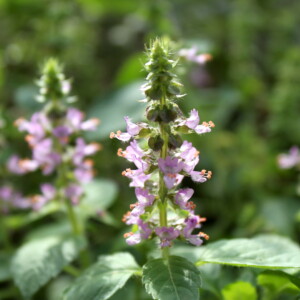
How to Grow Tulsi (Holy Basil)
Step-by-step instructions for starting tulsi from seed and growing it as a summer annual outdoors or as a year-round houseplant in any climate.
Equipment
- Garden Trowel
Ingredients
- Tulsi seeds Ocimum tenuiflorum
- sterile seed-starting mix
- well-draining potting mix
- balanced organic fertilizer 10-10-10
Instructions
- Sow tulsi seeds 6 to 12 weeks before your last spring frost. Press the seeds gently onto the surface of moist seed-starting mix and cover with just a thin sprinkle of soil, since tulsi seeds need light to germinate.
- Maintain soil temperature around 75 to 80°F using a seedling heat mat if your house runs cool. Keep the soil consistently moist but not waterlogged, and expect seedlings to emerge in 1 to 3 weeks.
- Once seedlings have several true leaves, provide bright light from a south-facing window or supplemental grow lights. Tulsi seedlings get leggy quickly under weak light, so don't skimp on this step.
- Harden off the seedlings gradually over a week by exposing them to outdoor conditions for increasing periods. Transplant outdoors only when nighttime temperatures are reliably above 50°F, since tulsi is genuinely tender and will set back severely in cooler conditions.
- Space plants 12 to 18 inches apart in full sun with well-drained soil. Water in well after transplanting and keep the soil consistently moist for the first few weeks while the plants establish.
- Pinch the growing tips of each branch every few weeks during active growth to encourage bushy growth. The pinched tips are perfect for fresh tea or cooking and aren't wasted.
- Begin harvesting when plants reach about a foot tall, usually 8 to 10 weeks from seed. Pinch off individual leaves or short branch tips as needed for tea or cooking, taking no more than about a third of the plant at a time during active growth.
- For the end-of-season harvest in cold climates, wait until just before the first frost, then cut the entire plant at ground level with sharp pruners. Tie the cut stems into small bundles and hang upside down in a warm, well-ventilated room to dry for 1 to 2 weeks.
- Once the leaves are completely crisp, strip them from the stems and store in sealed glass jars away from light. Properly dried tulsi keeps its flavor and aroma for at least a year.
Notes
Tulsi is a tender perennial only in USDA zones 10-11. In all other zones, grow as a summer annual or year-round houseplant. The plant cannot tolerate frost. Regular pinching is the single most important care practice for keeping tulsi productive.
Tried this recipe?Let us know how it was!
