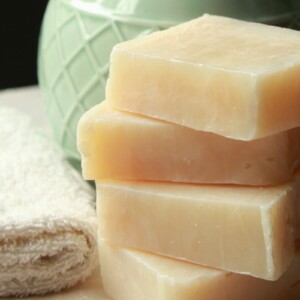
Beginner's Cold Process Soap
This recipe is a great introduction to cold process soapmaking, offering simple techniques and ingredients, with lots of room to experiment and learn as you progress. By combining coconut oil, olive oil, and palm oil, this soap recipe strikes a perfect balance between cleansing power, moisturizing benefits, and a smooth, stable lather.Each oil has been carefully selected to ensure that the soap is both effective and gentle, offering a great experience for first-time soapmakers. This simple yet well-rounded recipe helps beginners learn the fundamentals of soapmaking, without the need for complex additives or fragrances.
Equipment
- Gloves, Safety Goggles, and Long Sleeves For Safety
- Spatula or Wooden Spoon
- Isopropyl Alcohol In a spray bottle, for preventing soda ash, optional
- Heat Heat-resistant plastic Container for Lye Solution
- Large Bowls heat resistant, non reactive
- Parchment Paper or Freezer Paper optional, for lining mold
Ingredients
- 8 oz. Coconut Oil 24%
- 15 oz. Olive Oil 44%
- 11 oz. Palm Oil 32%
- 4.8 oz. Lye
- 11 oz. Distilled Water
Instructions
- Prepare the Mold: Get your soapmaking molds ready. You can use a traditional loaf mold, which is usually a box with a silicone liner. Or, you can make your own mold by taking a sturdy cardboard box and lining it with freezer paper or parchment. And there are also options for shaped silicone soap molds as well. I would recommend starting with a simple loaf mold.
- Set Up Your Work Area: Before starting, make sure your soaping space is organized. Gather your tools and ingredients so you’re not scrambling while the soap mixture is coming together.
- Safety Precautions: When making soap, safety is critical. Ensure you're wearing goggles, gloves, and long sleeves. Also, make sure that children, pets, and any potential distractions are kept away from your soaping area. Always work in a well-ventilated space.
- Mix the Lye Solution: Slowly and carefully add the lye to the distilled water (never the other way around) and stir gently until the lye has completely dissolved. The solution should be clear. Set it aside to cool.
- Prepare the Oils: Combine the coconut oil, olive oil, and palm oil. Make sure the palm oil is fully melted and blended before you measure it out. Allow the lye solution and oils to cool to around 120°F or lower. Ideally, they should be within 10 degrees of each other.
- Mixing Lye and Oils: Once both the oils and lye solution have cooled, place the stick blender into the oils. Tap the blender against the bottom of the bowl a few times to release any air bubbles trapped under the blender head. This step is called “burping” the stick blender. Now, gently pour the cooled lye solution down the shaft of the stick blender and into the oils.
- Blending to Trace: Turn on the stick blender and pulse it a few times. Immediately, you will see the lye and oils begin to emulsify and form a creamy, yellow mixture. Alternate between stirring with the blender and pulsing. After 30 seconds, test for “trace”—the point at which the mixture begins to thicken. Since this recipe has a significant amount of olive oil, it will remain at a thinner trace for a longer period. As you continue to pulse and blend, you’ll notice the soap will begin to lighten in color and thicken. When it reaches medium trace (the consistency of a thinner pudding), you’re ready to pour.
- Pour into Mold: Once you’ve reached medium trace, pour the soap batter into your lined mold. Be sure to scrape every last bit from the bowl using a spatula.
- Settle the Soap: After pouring, tap the mold gently on the counter to release any trapped air bubbles. Be cautious—sometimes soap can bubble up during this process. Once tapped, spray the surface of the soap with 99% isopropyl alcohol to help prevent soda ash from forming on the top. That’s optional, but it makes for a prettier bar.
- Curing: Allow the soap to set in the mold for 3-4 days. Once unmolded, cut the soap into bars. Let the soap cure for 4-6 weeks. During this time, the water content in the soap will evaporate, leaving a firmer, longer-lasting bar. You can use the soap before it fully cures, but it may not last as long. For the best results, allow the soap to cure completely before use.
Notes
This recipe is simple, with just oils and lye. Each oil plays an essential role in creating a balanced bar:
- Coconut Oil: Provides strong cleansing properties and creates a rich, bubbly lather. It helps harden the soap, ensuring it lasts longer. While great for lather, it can be drying in large amounts, so it is balanced with other oils for a gentler result.
- Olive Oil: Known for its mild, moisturizing qualities, olive oil produces a soft, creamy lather that’s gentle on the skin. Ideal for sensitive or dry skin, it also contributes to the soap’s smooth, luxurious texture.
- Palm Oil: Adds hardness to the soap, helping it maintain its shape and last longer. It creates a stable lather and balances the drying effects of coconut oil, providing a more moisturizing bar.
Palm Oil Alternatives
If you want to avoid palm oil due to environmental concerns or for other reasons, there are several excellent alternatives:- Lard: A great substitute for palm oil, lard is rich in oleic acid, giving soap a creamy, smooth lather and contributing to a hard, long-lasting bar. It’s environmentally friendly and often more affordable than palm oil.
- Tallow: Derived from beef fat, tallow is another substitute that creates a firm bar and stable lather. It’s particularly mild and conditioning on the skin, making it perfect for sensitive skin types.
- Shea Butter: Known for its moisturizing and skin-softening properties, shea butter provides a creamy lather and helps nourish dry or sensitive skin. While it results in a slightly softer bar compared to palm oil, it’s still an excellent vegan alternative.
Tried this recipe?Let us know how it was!
