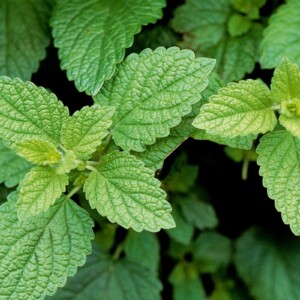
How to Grow Lemon Balm
Step-by-step instructions for starting lemon balm from seed and growing it as a productive perennial herb in any temperate climate.
Equipment
- Garden Trowel
Ingredients
- Lemon balm seeds Melissa officinalis
- sterile seed-starting mix
- well-drained garden soil
- compost
Instructions
- Sow lemon balm seeds indoors 8 to 10 weeks before your last spring frost. Press the seeds onto the surface of moist seed-starting mix without covering them, since lemon balm seeds need light to germinate.
- Place the tray in a warm, bright location around 65 to 70°F with a clear plastic dome to retain humidity. Mist gently with a spray bottle to keep the soil moist without dislodging the seeds.
- Germination typically takes 10 to 21 days, with uneven emergence. Remove the plastic dome as soon as the first seedlings appear, and provide bright light from a sunny window or grow lights to prevent legginess.
- Once seedlings have several true leaves and nighttime temperatures are reliably above 50°F, harden off gradually over a week by exposing them to outdoor conditions for increasing periods.
- Transplant outdoors 18 to 24 inches apart in full sun (or partial shade in hot climates). Water in well after transplanting and keep the soil consistently moist for the first few weeks while the plants establish.
- Pinch the growing tips regularly to encourage bushy growth. Begin harvesting individual leaves once plants are about 8 inches tall, and continue picking leaves and stem tips throughout the growing season.
- When plants start to flower in midsummer and the leaves turn bitter, cut the entire plant back to 4 to 6 inches above the ground. Mulch lightly and within a few weeks fresh tender new growth will return for a second harvest.
- For preservation, harvest whole stems in the morning after the dew has dried, tie into small bundles, and hang upside down in a warm well-ventilated room out of direct sunlight to dry for 1 to 2 weeks.
- Once the leaves crumble easily and the stems snap rather than bend, strip the leaves from the stems and store whole leaves in a sealed glass jar away from light. Whole dried leaves keep their flavor for at least a year.
Notes
Lemon balm is hardy in USDA zones 3-9 and is a vigorous self-sower. Plant where spread is welcome, contain in pots if you want to keep it confined. The plant prefers cool weather and may struggle in hot summer climates above 85°F.
Tried this recipe?Let us know how it was!
