
Affiliate disclosure: This post may contain affiliate links. Please see our Privacy Policy.
Growing lemon balm at home is one of the easier additions to a backyard herb garden, and the plant is so prolific that a single small seedling will reliably turn into a sprawling clump within a year or two.
Lemon balm (Melissa officinalis) is a hardy perennial in the mint family, cold-hardy down to -20°F, which makes it one of the few productive herbs that handles real winters without complaint. The lemon-scented leaves are a pollinator favorite, a workhorse in herbal tea blends, and a gentle nervine traditionally used for calm focus and easy sleep.
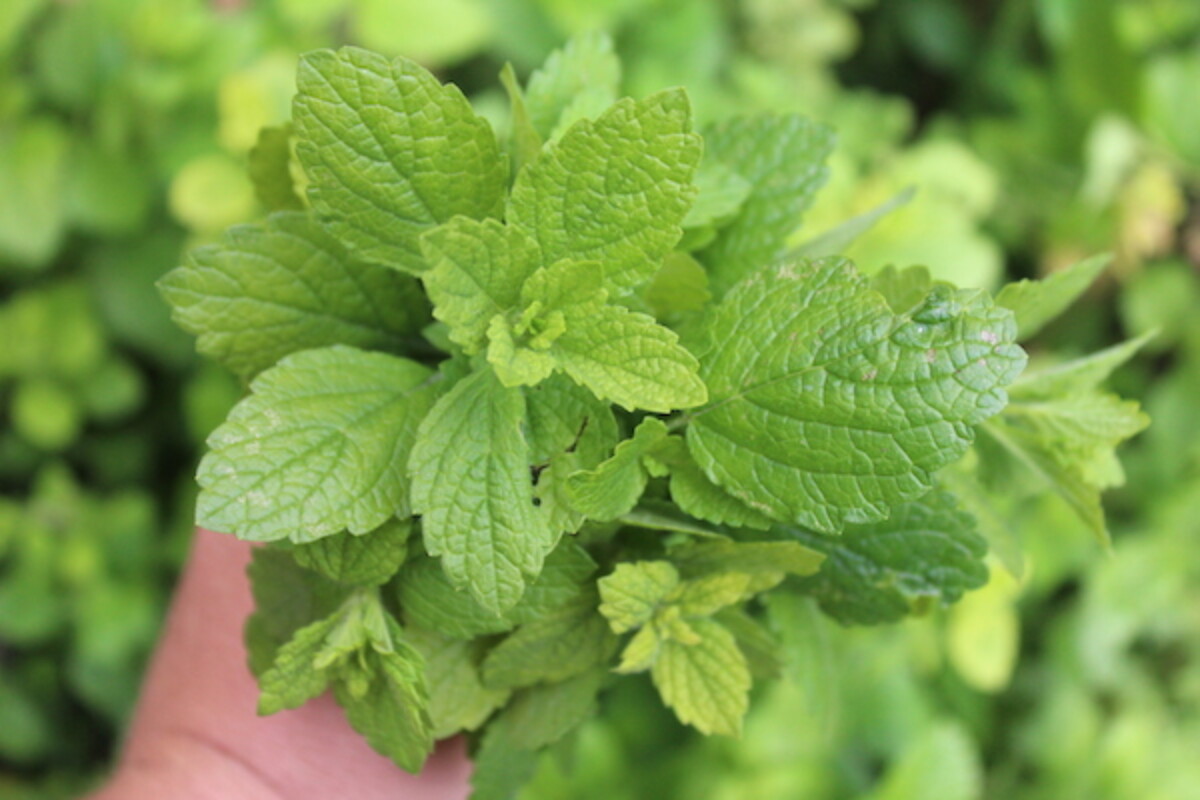
Table of Contents
- Notes from My Homestead
- Can You Grow Lemon Balm at Home?
- Lemon Balm Hardiness Zones and Growing Conditions
- Is Lemon Balm the Same as Mint?
- How to Grow Lemon Balm from Seed
- Direct Seeding Lemon Balm in the Garden
- Growing Lemon Balm from Cuttings and Divisions
- Lemon Balm Plant Care
- Growing Lemon Balm in Pots
- Growing Lemon Balm Indoors
- When and How to Harvest Lemon Balm
- How to Dry Lemon Balm
- How to Use Lemon Balm
- Traditional Uses of Lemon Balm
- Safety and Cautions for Lemon Balm
- Lemon Balm FAQs
- Herb Growing Guides
- How to Grow Lemon Balm Recipe
- Using and Preserving Lemon Balm
The plant is a cool-weather grower, which sets it apart from most of the other warm-season herbs you’ll find in a kitchen garden. Lemon balm puts on its biggest flush of growth in spring and early summer, slows down (and gets a bit bitter) during the hottest part of summer, and then comes back strong in cooler fall weather. That makes it a perfect companion to garlic, peas, lettuce, and the other early-season crops that share its preferences, and a forgiving plant for cold-climate gardeners like us up here in Vermont.
The genus name Melissa means “honeybee” in Greek, and the plant has been associated with bees and beekeeping for thousands of years. Beekeepers traditionally rubbed crushed lemon balm leaves on the inside of new hives to encourage bees to settle in, and the plant is still considered one of the best forage herbs for honeybees. The white flowers in late summer attract bees, butterflies, and a parade of other pollinators, which makes lemon balm earn its space in the garden even before you start using it in the kitchen.
Notes from My Homestead

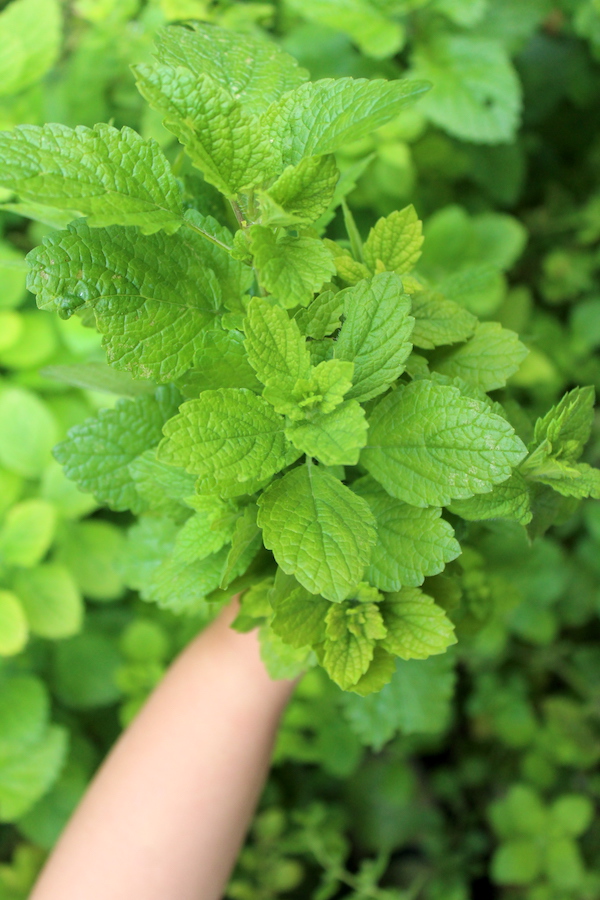
Lemonbalm is one of the most self sufficient herbs in our garden. The patch fends entirely for itself in our garden. I don’t water it, mulch it, fertilize it, or give it any meaningful attention beyond the occasional harvest, and it just keeps producing.
We use the fresh leaves all summer in iced tea and salads, dry a generous quantity for winter herbal tea blends, and the bees adore it when it flowers in late summer. If you’ve been thinking about adding a productive herb that takes care of itself and supports the pollinators, lemon balm is hard to beat.
Wow, I’ve just started growing lemon balm, which I got from a fantastically flavoured bush in someone’s garden. I love it as a cuppa, strong! And I love all these suggestions for health, that you have collected together. Thank you.
Can You Grow Lemon Balm at Home?
Yes, lemon balm is one of the easiest perennial herbs to grow in any temperate climate. The plant is hardy in USDA zones 3 through 9, tolerates a wide range of soils and light conditions, and is genuinely difficult to kill once established. Most gardeners actually struggle with the opposite problem (containing it) since lemon balm self-sows freely and spreads through underground runners just like its mint cousins.
The plant grows from seed or cuttings, both of which are reliable methods. Seeds are widely available through any standard herb seed catalog, and a single packet contains far more seeds than one household will ever need. If you have a friend with an established patch, asking for a small division is the fastest way to get started, and most lemon balm growers will be more than happy to share since their plants need regular thinning anyway.
Lemon Balm Hardiness Zones and Growing Conditions
Lemon balm is exceptionally cold-hardy for a productive herb. The plants survive winters down to USDA zone 3, where temperatures regularly drop to -40°F, and thrive across the temperate zone all the way through zone 9. The roots tolerate hard freezes, deep snow, and the kind of late-spring thaw-freeze cycles that kill more delicate perennials.
Where lemon balm struggles is heat. The plant is a cool-weather grower that puts on its best flavor in temperatures between 60 and 75°F. In hot weather above 85°F, the leaves turn bitter and the plant tries to bolt to seed, often dying back partially during the worst of summer. Gardeners in zones 8 and warmer should plan to harvest heavily in spring and early summer, then again in fall after temperatures cool back down. A spot with afternoon shade helps in hot climates, while gardeners in cooler climates can plant lemon balm in full sun without worry.
The plant tolerates a wide range of soils and isn’t picky about pH (anything between 6.5 and 7.5 works well). Average garden soil with reasonable drainage is plenty. Lemon balm does poorly in soggy waterlogged soil and may rot during wet winters in heavy clay, but other than that, the plant adapts to nearly anything you give it.
Is Lemon Balm the Same as Mint?
Lemon balm is in the mint family (Lamiaceae), but it’s a different plant than the various true mints (peppermint, spearmint, apple mint, and so on). The leaves look similar to mint at a glance, with the same heart-shaped serrated edges and the same square stems that mark all members of the family. The flavor is what tells them apart immediately. Lemon balm has a bright, gently sweet lemon flavor with no menthol or cooling sensation, while mints have that distinctive cooling bite even before you taste them.
The growth habit is similar to mint as well. Lemon balm spreads through underground runners and self-sows freely, just like its more famous cousins, which means a small patch can become a large patch in a few seasons if you’re not careful. The most common piece of advice from anyone who has grown lemon balm for years is to plant it where you actually want it to spread, or contain it in a buried pot or barrier-edged bed if you want to keep it in one place.
How to Grow Lemon Balm from Seed
Lemon balm grows readily from seed, though germination is slower than many garden herbs and requires a few specific conditions to work reliably. The most important rule: lemon balm seeds need light to germinate. Bury them under soil and they’ll sit indefinitely without sprouting.
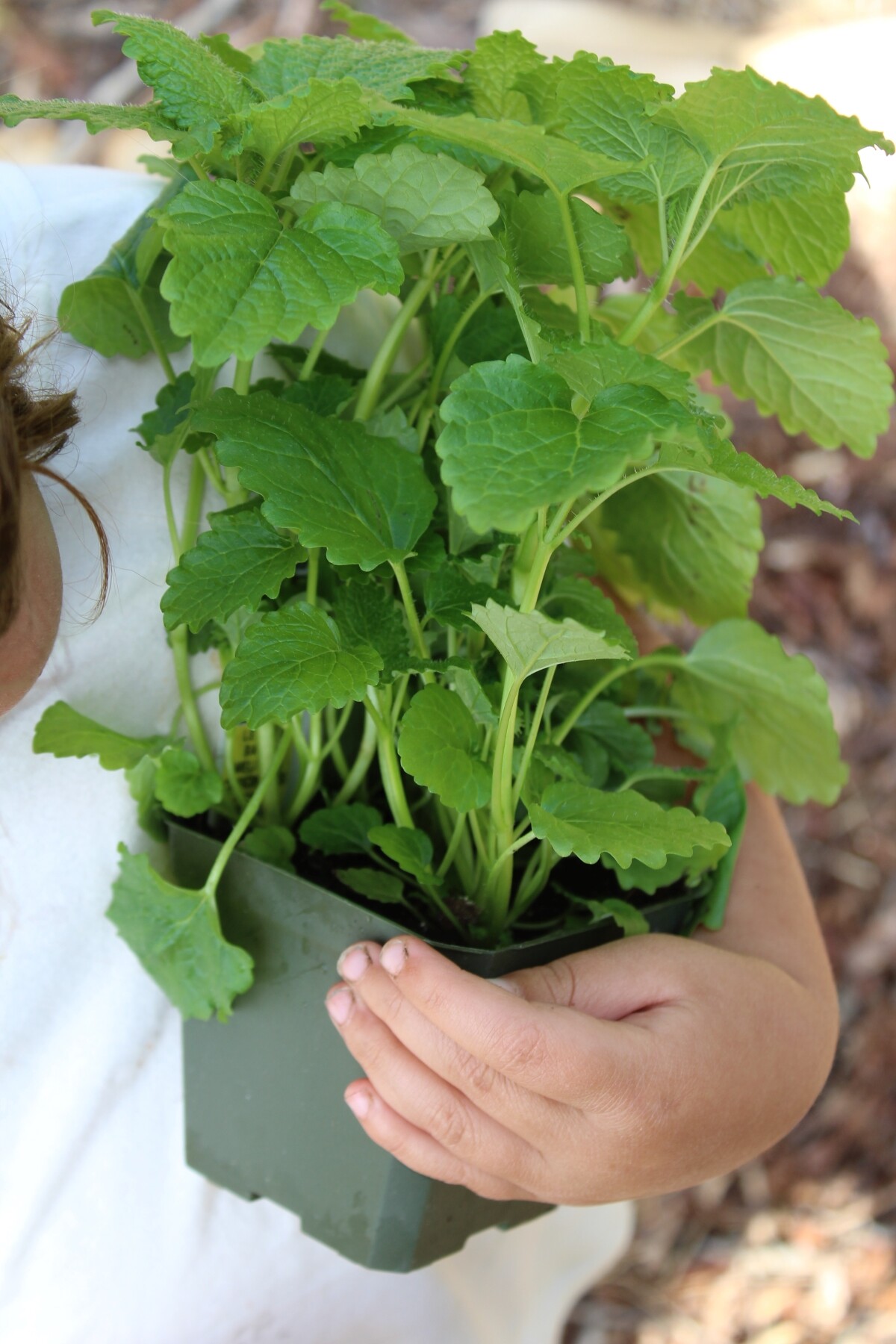
Sow seeds indoors 8 to 10 weeks before your last spring frost. Fill a seed-starting tray with moist sterile seed-starting mix, scatter the seeds across the surface, and press them gently to ensure good soil contact without covering them. Mist with a spray bottle so the seeds don’t dislodge, then place the tray in a warm spot (around 65 to 70°F) with bright indirect light. A clear plastic dome or plastic wrap helps retain humidity during germination.
Germination typically takes 10 to 21 days, with emergence often uneven. Some seedlings appear quickly while others lag by a week or more. Keep the soil consistently moist (not waterlogged) and remove the plastic cover as soon as the first seedlings emerge. Provide bright light from a sunny window or supplemental grow lights to prevent legginess. My beginner’s guide to seed starting walks through the basics, and the post on common seed starting mistakes covers the damping-off issues that affect most herb seedlings.
Once seedlings have several true leaves and outdoor temperatures are reliably above 50°F at night, harden off gradually over a week and transplant to the garden. Space plants 18 to 24 inches apart in their permanent location, since they will spread quickly to fill in.
Direct Seeding Lemon Balm in the Garden
Direct seeding works well in zones 6 and warmer, where the soil warms up early enough for seeds to germinate before the heat of summer hits. Sow the seeds outdoors around the time of your last spring frost, scattering them on the surface of well-prepared soil and pressing them in lightly without covering. Keep the area moist (not soggy) until germination, which may take 2 to 3 weeks outdoors.
In cold climates with short springs (like ours in Vermont), starting seeds indoors gives much better results since direct-seeded lemon balm often gets caught between cool soil that’s too cold to germinate and summer heat that arrives before the seedlings can establish.
Growing Lemon Balm from Cuttings and Divisions
If you have access to an established lemon balm plant, propagating from cuttings or divisions is far faster than starting from seed and produces a plant identical to the parent.
For cuttings, take 4 to 6 inch tip cuttings from a healthy non-flowering branch in spring or fall. Strip away all but the top few leaves, place the cutting in a glass of clean water on a sunny windowsill, and change the water every 2 to 3 days. White roots typically develop within 2 to 3 weeks. Once roots are an inch or two long, transplant into a small pot of fresh potting mix or directly into the garden.
Division is even easier. In early spring or fall, dig up an established clump, slice straight down through the root mass with a sharp spade, and lift out a section with healthy growth points and a portion of root. Replant immediately at the same depth as the original, water in well, and the new division will establish quickly. Mature lemon balm clumps can be divided every 2 to 3 years, both to expand your patch and to keep the parent plant vigorous.
Lemon Balm Plant Care
Once established, lemon balm is one of the most low-maintenance plants you can grow. The plant tolerates drought, neglect, and varying conditions, and it has very few pest or disease problems. The most important care considerations are spacing, watering during establishment, and managing the spread.
- Sun: Full sun in cool climates, partial shade in hot climates. The plant tolerates a wide range of light conditions, but afternoon shade helps in zone 8 and warmer.
- Soil: Average garden soil with reasonable drainage. Lemon balm isn’t picky about soil type or pH.
- Water: Moderate. Water deeply during the first growing season while plants establish, then back off. Mature plants are drought-tolerant.
- Fertilizer: Generally unnecessary. A spring top-dressing of compost is plenty, and high-nitrogen fertilizers can actually weaken the flavor.
- Spacing: 18 to 24 inches between plants. Plants reach 12 to 24 inches tall and a similar spread, eventually merging into a single mass if planted closer.
- Pruning: Cut plants back hard (to 4 to 6 inches above the ground) in midsummer when they start to bolt and turn bitter. Plants will regrow with fresh tender leaves over a few weeks.
- Pests and disease: Rare. Occasional aphids on new growth or powdery mildew during humid weather, neither usually serious enough to need intervention.
- Spread management: Lemon balm self-sows aggressively. Cut spent flower stalks before seed sets if you don’t want a larger patch next year, or plant in a contained area with edging or in pots if you want to keep it confined.
Growing Lemon Balm in Pots
Lemon balm grows beautifully in containers, which is actually one of the best ways to enjoy the plant without dealing with its tendency to spread. A single mature plant fits comfortably in a 12 inch pot with good drainage, or you can grow several smaller plants in a larger container. Use standard potting mix and place the pot in a sunny spot (with afternoon shade in hot climates).
Container-grown lemon balm needs more frequent watering than garden plants, especially in hot weather, since pots dry out faster than ground soil. Water when the top inch of soil feels dry, allowing water to drain freely from the bottom of the pot. Feed lightly with a diluted liquid fertilizer once a month during the growing season to make up for nutrients that wash out with watering.
Pots can be brought indoors in fall to extend the harvest, though indoor lemon balm rarely thrives long-term in low winter light. The better strategy is to harvest heavily and dry the leaves for winter use, then start fresh outdoor plants from divisions or seedlings the following spring.
Growing Lemon Balm Indoors
Lemon balm can be grown indoors year-round, though it’s a less natural fit for indoor culture than tropical herbs like tulsi or lemongrass. The plant wants cool nights, bright light, and steady moisture, all of which can be tricky to provide in a typical heated home.
For successful indoor growing, choose a 6 to 8 inch pot with good drainage, fill with well-draining potting mix, and place in your sunniest available window (south or east-facing in the northern hemisphere). If natural light is weak, supplement with a full-spectrum LED grow light running 6 to 8 hours a day. Keep indoor temperatures on the cooler side (60 to 70°F) if possible, and water when the top inch of soil feels dry.
Indoor plants tend to grow leggier than outdoor ones because indoor light is rarely as strong as full outdoor sun. Pinch the growing tips regularly to encourage branching, and don’t be discouraged if indoor plants are smaller and less vigorous than their outdoor counterparts. The good news is that lemon balm grown indoors keeps producing fresh leaves through winter, even if the plant itself looks a little ragged by spring.
When and How to Harvest Lemon Balm
Lemon balm leaves can be harvested all season long, though the flavor is best in spring and early summer before plants start to flower. Once flowering begins (usually mid to late summer), the leaves get noticeably more bitter and the volatile oils that give lemon balm its bright lemon scent start to decline.
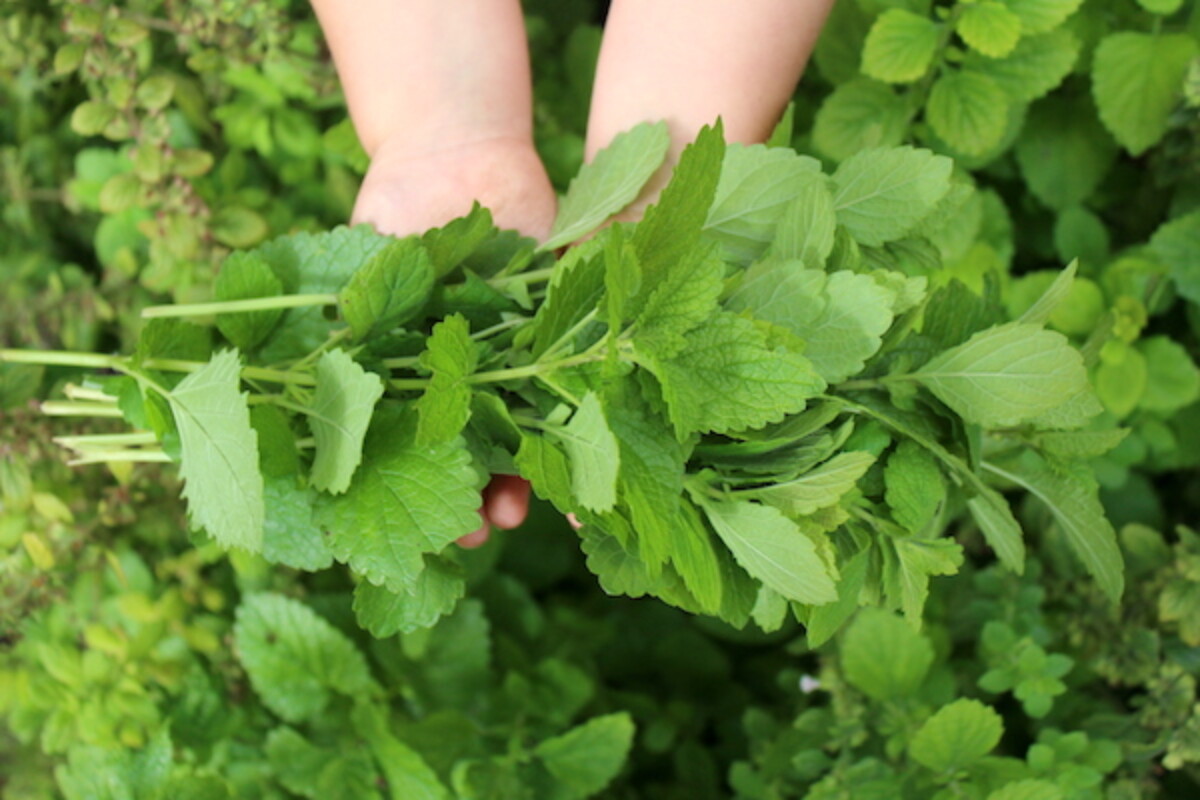
For everyday harvest, pinch off individual leaves or short branch tips as needed for fresh use. The plant won’t notice and will keep producing all season. For larger preservation harvests, cut whole stems near the base of the plant in the morning after the dew has dried but before the day gets hot, when the volatile oils are at their peak.
Lemon balm responds beautifully to a hard cutback in midsummer when plants start to flower and turn bitter. Cut the entire plant back to 4 to 6 inches above the ground, mulch lightly, and within a few weeks fresh tender new growth will emerge for a second harvest. Cold-climate gardeners can often get three full harvests per season this way (early spring, midsummer cutback, and a final fall harvest).
How to Dry Lemon Balm
Lemon balm preserves beautifully through drying, and a single mature plant produces enough dried leaves to last most households through the winter. The trick to keeping the bright lemon flavor intact is gentle, low-temperature drying, since the volatile oils that give lemon balm its character are damaged by heat.
For air drying, gather harvested stems into small bundles, tie with twine or a rubber band, and hang upside down in a warm, well-ventilated room out of direct sunlight. Drying typically takes 1 to 2 weeks depending on humidity. The leaves are ready when they crumble easily between your fingers and the stems snap rather than bend.
For dehydrator drying, spread leaves in a single layer on dehydrator trays and run at the lowest setting (95 to 105°F) for 6 to 12 hours, until fully crisp. Once completely dry, strip the leaves from the stems and store whole leaves in a sealed glass jar away from light. Whole dried leaves keep their flavor for at least a year, while crushed or powdered lemon balm loses potency more quickly and is best used within 6 months.
How to Use Lemon Balm
Lemon balm is one of the most versatile herbs in the kitchen and apothecary. Once you have a mature plant producing more leaves than you can use fresh, the question shifts from “how do I grow it” to “how do I use it all,” and there are far more answers to that question than most gardeners realize.
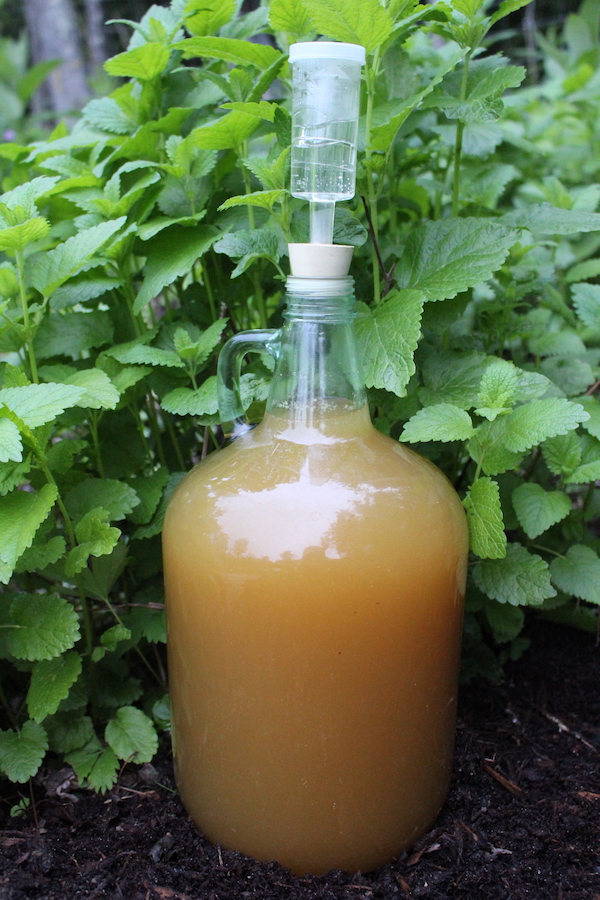
For the full picture, our roundup of 30+ ways to use lemon balm covers everything from iced tea to ice cream to bug balm, with specific recipes for each use. The short version: lemon balm tea is the most common preparation, fresh leaves are wonderful in salads and summer drinks, the herb makes a beautiful pesto and a gentle tincture, and dried leaves are a foundation herb in nearly any herbal tea blend. One of my personal favorites is lemon balm mead, which turns a generous fresh harvest into a fragrant honey wine that’s particularly nice for summer sipping.
The simplest way to enjoy lemon balm is fresh-leaf tea. Pour just-boiled water over a small handful of fresh leaves (or 1 tablespoon dried) in a teapot or covered cup, steep covered for 10 minutes, then strain. The flavor is bright, gently sweet, and slightly herbal, and the tea has a long traditional reputation as a calming evening drink.
Traditional Uses of Lemon Balm
Lemon balm has been used in European herbalism for at least 2,000 years, with documented mention in Roman, Greek, and Arabic medical traditions. The herb is classified as a gentle nervine, traditionally used to support calm focus, ease anxiety, and promote restful sleep. It has a long traditional reputation as a digestive herb as well, especially for nervous stomach upset, and as a topical preparation for cold sores.
Modern research has explored these traditional uses with growing interest, with studies looking at potential effects on mood, sleep, cognitive function, and antiviral activity. Results are encouraging in several areas, particularly for sleep support and mild anxiety, and lemon balm is considered one of the safest and most well-studied of the gentle nervine herbs. As with any herbal medicine, lemon balm is not a replacement for medical care, and people with specific health concerns should work with a qualified herbalist or healthcare provider.
Safety and Cautions for Lemon Balm
Lemon balm is one of the gentlest herbs in the apothecary and is generally considered safe for healthy adults at typical doses. There are a few cautions worth knowing.
- Thyroid conditions: Lemon balm may affect thyroid hormone levels in some people and can interfere with thyroid medications. People with hypothyroidism, hyperthyroidism, or those taking thyroid hormone replacement therapy should consult a qualified healthcare provider before regular use.
- Sedatives: Lemon balm has mild sedative effects and may compound the effects of prescription sedatives, sleep medications, or other calming herbs. Use cautiously if you take medications for sleep or anxiety.
- Surgery: Some sources recommend stopping lemon balm at least two weeks before scheduled surgery due to its potential interaction with anesthesia and sedative medications used during procedures.
- Pregnancy and breastfeeding: Lemon balm has a long history of safe traditional use, but there is limited modern research on its safety during pregnancy and breastfeeding. As with any herbal medicine in those situations, work with a qualified healthcare provider before regular use.
Lemon Balm FAQs
Yes, lemon balm is a hardy perennial that comes back reliably every year in USDA zones 3 through 9. The top growth dies back to the ground each fall and returns from the perennial root system in early spring, often expanding into a larger patch year over year through self-sowing and root spread. In zones 10 and warmer, lemon balm may not get the cold dormancy it needs and can struggle as a true perennial.
Lemon balm seeds typically germinate in 10 to 21 days and reach harvest size about 70 to 80 days from seed. Sow seeds indoors 8 to 10 weeks before your last spring frost for the longest possible season, and remember that lemon balm seeds need light to germinate, so press them into the soil surface rather than burying them.
Lemon balm does well in full sun in cool climates, but tolerates partial shade and actually benefits from afternoon shade in hot summer climates (zone 8 and warmer). The plant prefers cool weather and can struggle in extended summer heat above 85°F, so cooler shadier spots may produce better growth in southern climates.
Mature lemon balm plants typically reach 12 to 24 inches tall and a similar spread, growing in dense bushy clumps with multiple branched stems. The plant sends up taller flower stalks in late summer that can reach 30 inches or more, but the main leaf-producing growth stays in the 1 to 2 foot range.
Lemon balm is not officially classified as invasive in most regions, but it spreads aggressively through self-sowing and underground runners, similar to its mint cousins. A small starter plant can become a large patch within 2 to 3 years if not managed. Plant in a location where spread is welcome, contain in pots or buried barriers if you want to keep it confined, and cut spent flower stalks before seed sets to prevent self-sowing.
Lemon balm is in the mint family (Lamiaceae) but is a different plant than the various true mints. The leaves look similar at a glance and the plants share the same square stems and spreading growth habit, but lemon balm has a bright lemon flavor with no menthol or cooling sensation, while true mints have a distinctive cooling bite from menthol. Lemon balm is botanically Melissa officinalis, while peppermint, spearmint, and other mints are in the Mentha genus.
Lemon balm is exceptionally cold-hardy, surviving winters down to -20°F or colder once established. The plant prefers growing temperatures between 60 and 75°F and can struggle in hot weather above 85°F, often turning bitter and partially dying back during the worst of summer heat in southern climates.
Herb Growing Guides
If you tried growing lemon balm, leave a ⭐ star rating on the how-to card and let me know how it went in the 📝 comments below!
And make sure you stay in touch with me by following on social media!
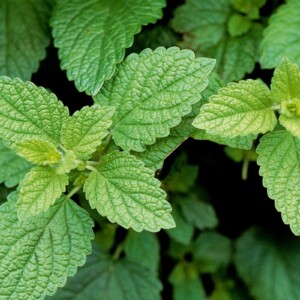
How to Grow Lemon Balm
Equipment
- Garden Trowel
Ingredients
- Lemon balm seeds, Melissa officinalis
- sterile seed-starting mix
- well-drained garden soil
- compost
Instructions
- Sow lemon balm seeds indoors 8 to 10 weeks before your last spring frost. Press the seeds onto the surface of moist seed-starting mix without covering them, since lemon balm seeds need light to germinate.
- Place the tray in a warm, bright location around 65 to 70°F with a clear plastic dome to retain humidity. Mist gently with a spray bottle to keep the soil moist without dislodging the seeds.
- Germination typically takes 10 to 21 days, with uneven emergence. Remove the plastic dome as soon as the first seedlings appear, and provide bright light from a sunny window or grow lights to prevent legginess.
- Once seedlings have several true leaves and nighttime temperatures are reliably above 50°F, harden off gradually over a week by exposing them to outdoor conditions for increasing periods.
- Transplant outdoors 18 to 24 inches apart in full sun (or partial shade in hot climates). Water in well after transplanting and keep the soil consistently moist for the first few weeks while the plants establish.
- Pinch the growing tips regularly to encourage bushy growth. Begin harvesting individual leaves once plants are about 8 inches tall, and continue picking leaves and stem tips throughout the growing season.
- When plants start to flower in midsummer and the leaves turn bitter, cut the entire plant back to 4 to 6 inches above the ground. Mulch lightly and within a few weeks fresh tender new growth will return for a second harvest.
- For preservation, harvest whole stems in the morning after the dew has dried, tie into small bundles, and hang upside down in a warm well-ventilated room out of direct sunlight to dry for 1 to 2 weeks.
- Once the leaves crumble easily and the stems snap rather than bend, strip the leaves from the stems and store whole leaves in a sealed glass jar away from light. Whole dried leaves keep their flavor for at least a year.
Notes
If lemon balm is the start of your herb garden, the natural companions are the other gentle perennial herbs. Tulsi, lemongrass, and calendula all play well with lemon balm in herbal tea blends, and our guide to easy-to-grow medicinal herbs is a good shortlist for new herb gardeners. Medicinal flowers like calendula and chamomile blend beautifully with dried lemon balm for winter teas.
Using and Preserving Lemon Balm
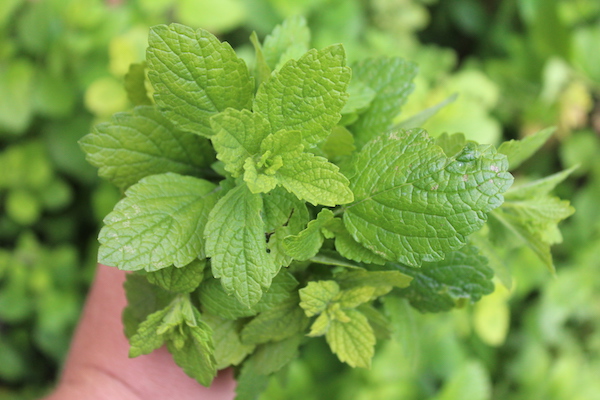
30+ Ways to Use Lemon Balm
Lemon balm recipes are a delicious way to make the most of this prolific summer herb. It always seems to…
Find the perfect guide
Searching for something else? Enter keywords to find the perfect guide!
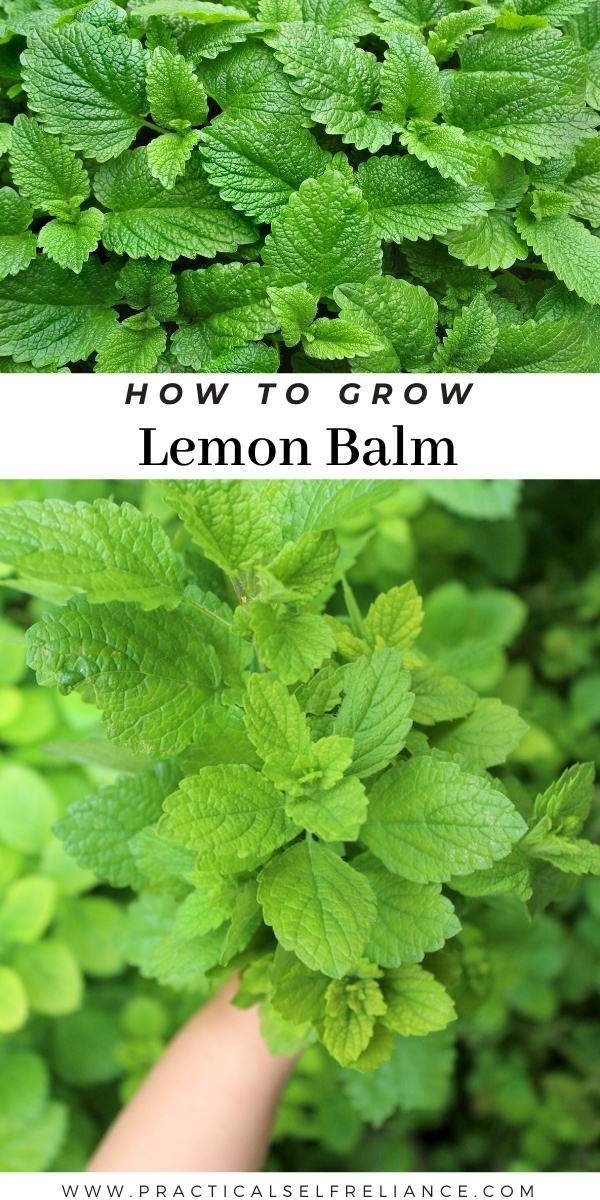

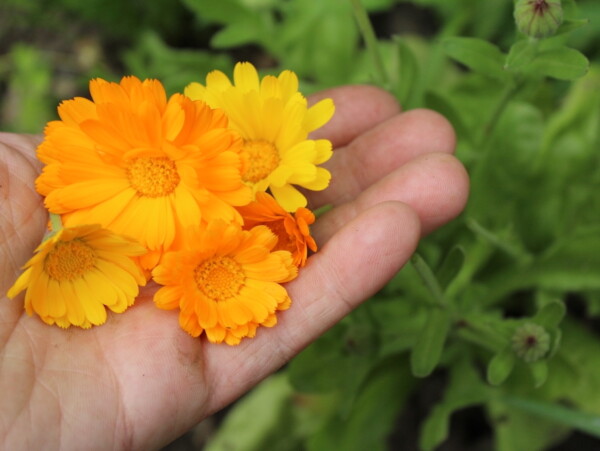
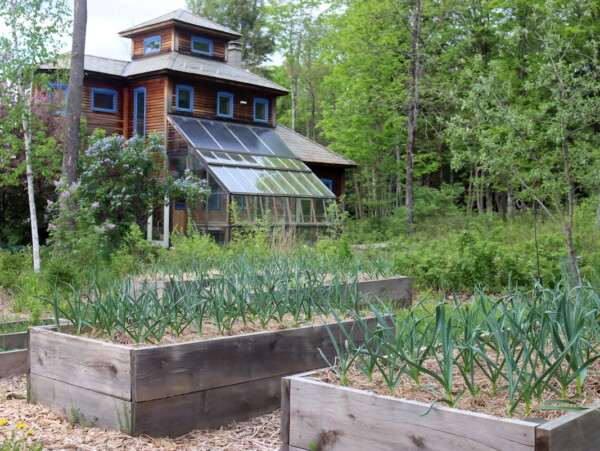
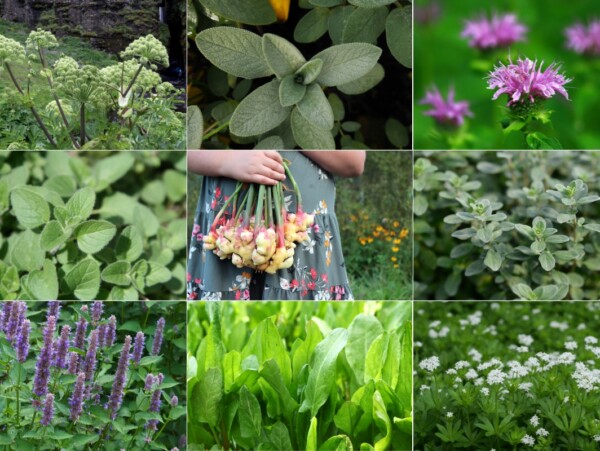








Our lemon balm flourishes in the garden every year!
Good article; thank you. I’d like to print it out to keep in my gardening files. Having trouble doing the printing. The article is broken up w lots of other info between paragraphs. Any suggestions? Tks much!!!
The best way to print from this page to remove all of that is to copy and paste the text into a word document and print it that way.