
Affiliate disclosure: This post may contain affiliate links. Please see our Privacy Policy.
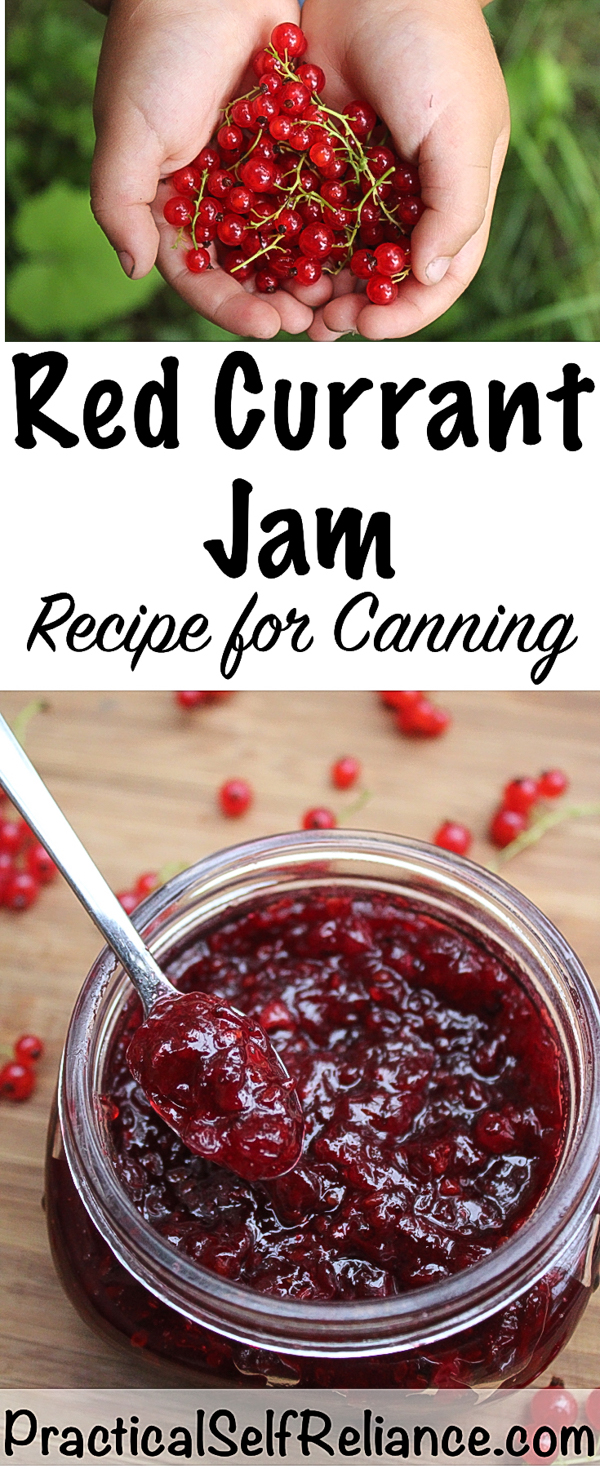
Red currant jam sets in about five minutes with nothing but fresh currants and sugar, no pectin, and no long simmer required. Red currants are bright, tart, and just sweet enough, and they make a bright red jam you’ll almost never find on a store shelf.
These little berries are naturally high in both pectin and acid, so they gel all on their own the moment they hit a hot pot with a bit of sugar. It’s the same no-pectin approach I use for most of my small-batch jams, just faster, since red currants do the setting work for you.
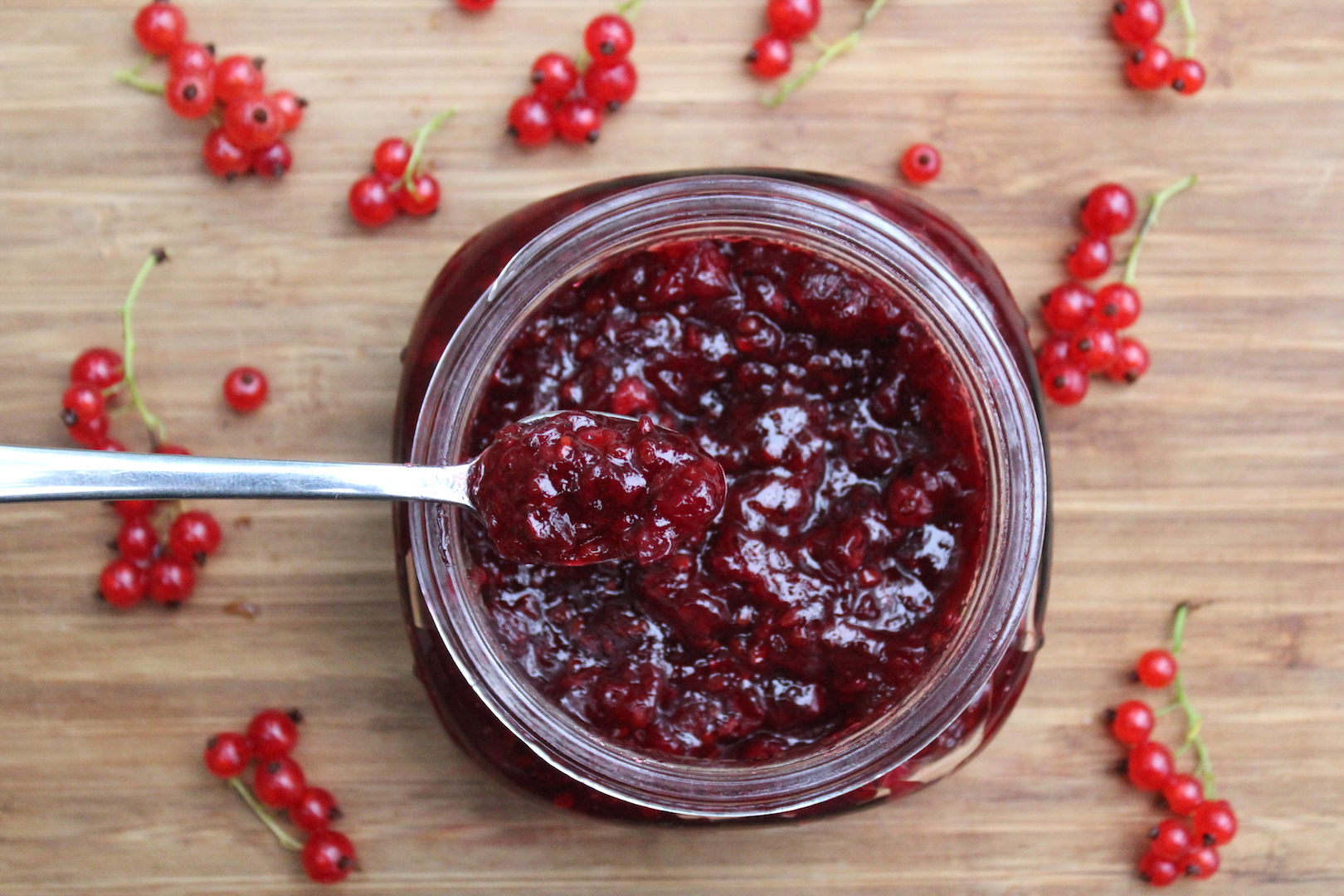
Table of Contents
- Notes from my Kitchen
- Ingredients for Red Currant Jam
- How to Make Red Currant Jam
- Testing for Gel Stage
- Canning Red Currant Jam
- Altitude Adjustments
- Yield and Batch Size
- Storage Options
- Recipe Tips and Variations
- Ways to Use Red Currant Jam
- Red Currant Jam FAQs
- Ways to Preserve Currants
- Red Currant Jam Recipe
- Jam Recipes
If you’ve tasted both blackcurrants and red currants, it’s hard to believe they’re related. Blackcurrants have a deep, almost wine-like astringency, while red currants are light, bright, and quite sweet.
Both are rare in American grocery stores because the soft fruit bruises easily and doesn’t ship well, so backyard bushes and farmer’s market stands are where these beauties turn up. While homemade blackcurrant jam needs a good 30 minutes of simmering before it sets, red currant jam is ready in about five minutes flat.
You also get to decide whether to keep the seeds. I leave mine in, but red currant jam is often made seedless by running the cooked fruit through a food mill or sieve, which catches the seeds and stems in one step.
Either version sets up beautifully, so it comes down to the texture you like.
Notes from my Kitchen

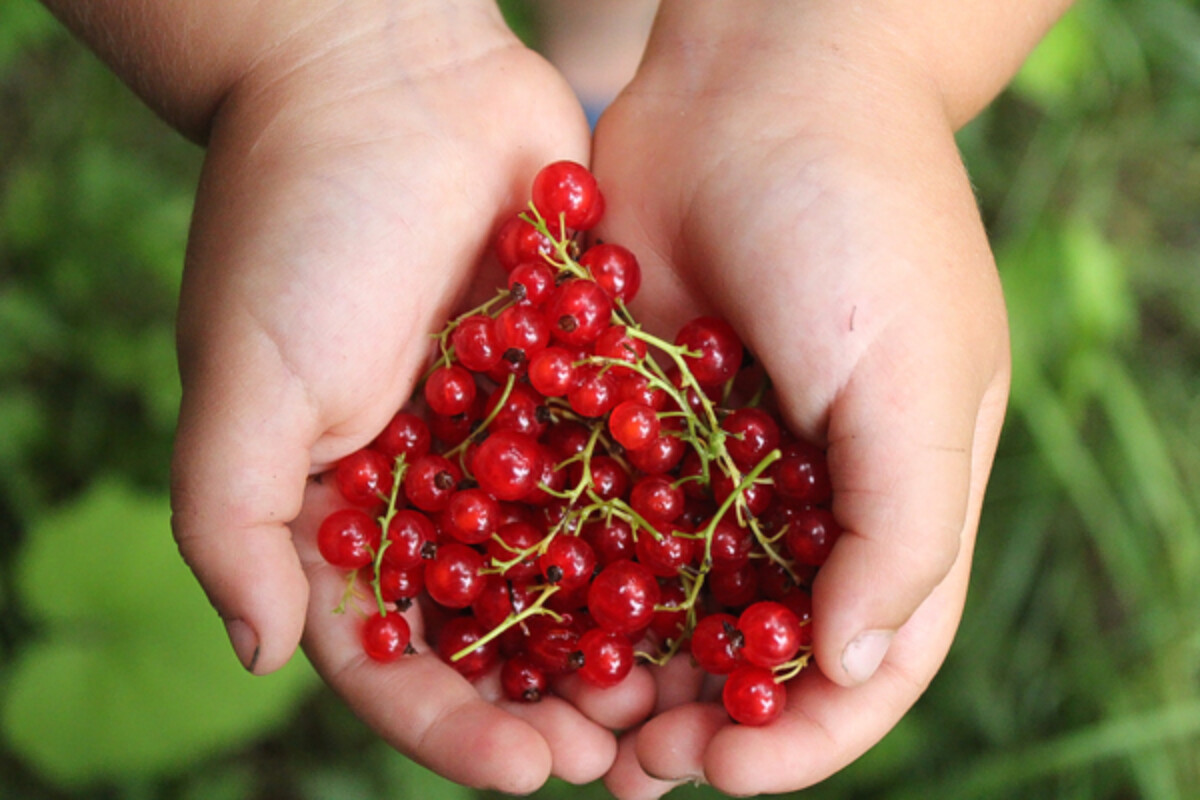
Our currants grow in the shade, tucked between the house and the woods on the east side near a creek. They catch a bit of morning sun and then spend the rest of the day in cool shade, which is exactly what they want here in Vermont. We’ve grown them for years now, and the bushes always give us far more than we can eat fresh off the stem.
I’m one of those people who actually likes the seeds in jam. I want that toothsome bite of real fruit, so I hand-stem mine and leave the seeds right in. If you’d rather have it smooth, a food mill does the work in a fraction of the time. Either way, whatever the birds don’t get to first ends up in a jar.
Ingredients for Red Currant Jam
This is a two-ingredient jam, with the measurements in the recipe card below. Here’s what each one does.
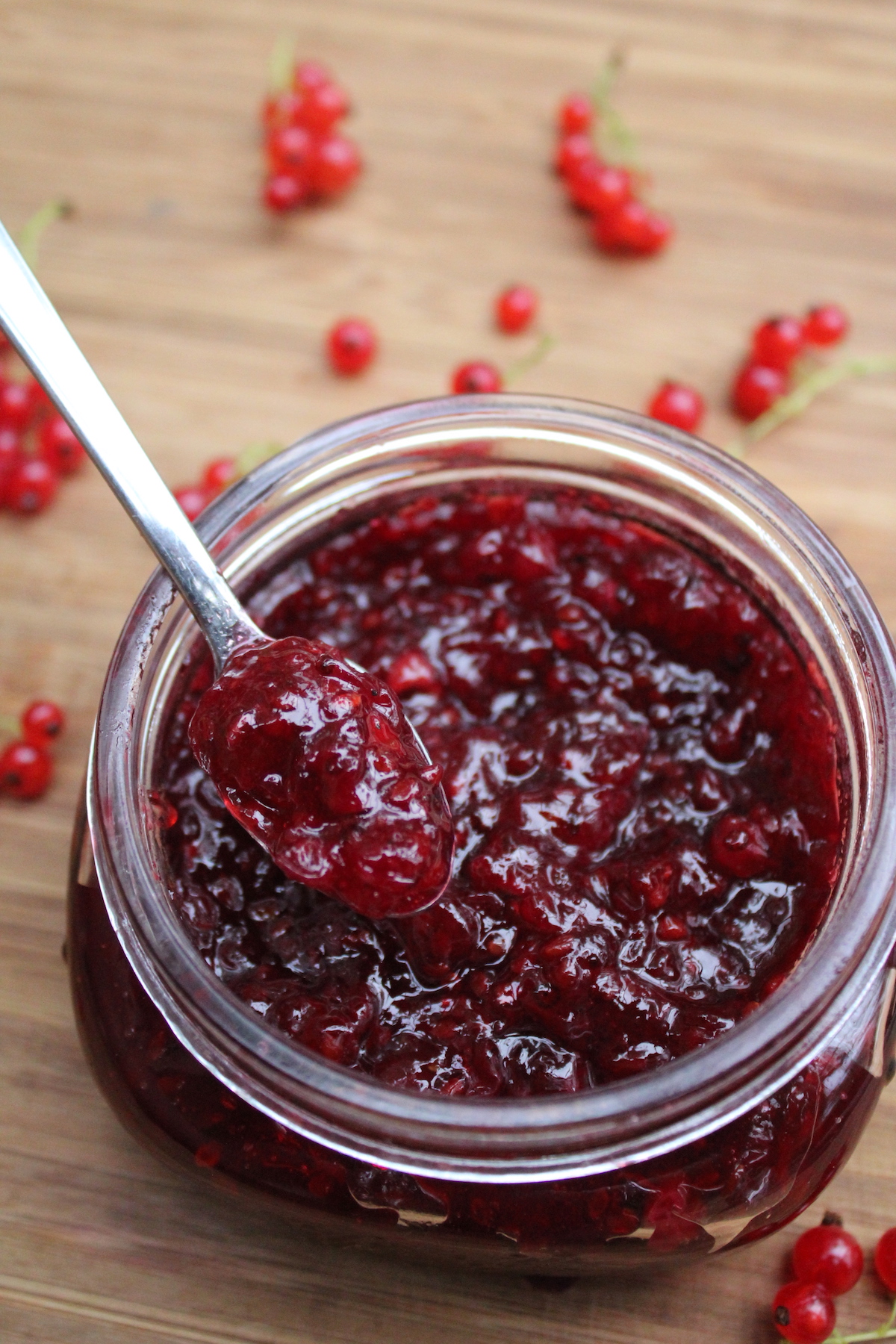
- Red currants: Use them as fresh as you can get them, since they’re at their best the day they’re picked. Fresh and frozen currants both work. You can hand-stem them to keep the seeds, or run them through a food mill for a smooth, seedless jam.
- Granulated sugar: Sugar sweetens the jam and balances the tartness, but it doesn’t change the set and isn’t needed to safely can currant jam, since the fruit is already high in acid. Use as little or as much as suits your taste, anywhere from a very tart jam to a sweet, store-style one.
A traditional currant jam uses equal weights of fruit and sugar, which is how I make astringent blackcurrants, but bright red currants don’t need nearly that much. I’ve written the recipe at a 2 to 1 ratio of fruit to sugar, which suits most palates.
Drop to about a quarter pound of sugar per pound of fruit for a sharply tart jam, or go all the way to a 1 to 1 ratio if you like the sweetness of store-bought. The amount of sugar is entirely up to you.
Red gooseberries, which are closely related, make a similar deep-red jam if you’d like to compare, and you can read about that in my gooseberry jam recipe.
I’ve been making currant jam (both red and black) for 60 years. I prefer the lower sugar as I like the tartness. These jams are superb not only on bread but also make a superior condiment with meats and poultry.
How to Make Red Currant Jam
There’s almost nothing to it. The only real decision is whether to keep the seeds, and the only thing to watch is that you pull the jam off the heat as soon as it sets. If you’ve made a no-pectin jam like strawberry, blackberry, or grape before, this is the same idea, just much quicker.
Preparing the Currants
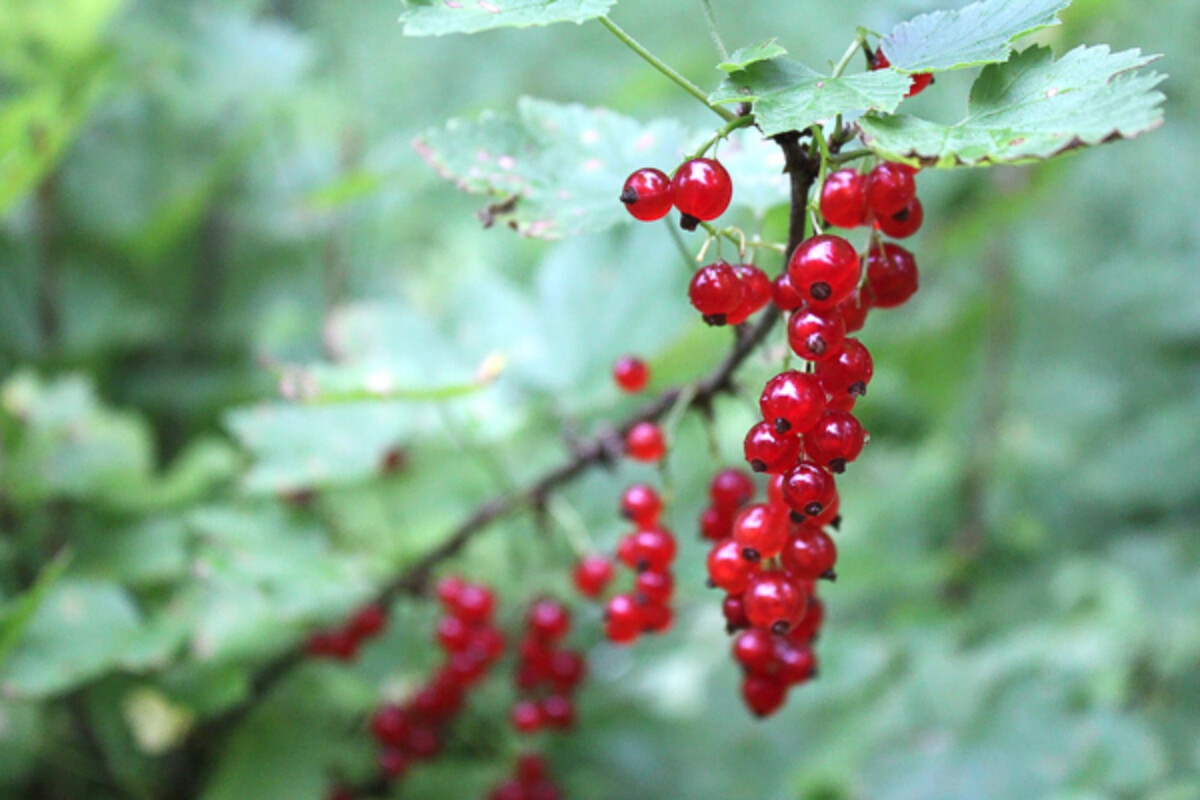
Red currants are fragile, so handle them gently. If you’re picking your own, pull whole clusters rather than trying to strip berries off the stems in the field, where you’ll lose more fruit than stems.
Once they’re in the kitchen, hand-stemming is optional. Leave the stems and seeds in if you’ll be straining the cooked jam, or pull the berries off the stems by hand if you want to keep the seeds in a chunkier jam.
For a seedless jam, the easiest approach is to cook the currants first, then run them through a food mill or chinois sieve, which separates the smooth fruit from the seeds and stems in one pass.
That’s how most classic red currant jam is made, and it saves a lot of tedious hand work on a big batch.
Cooking the Jam
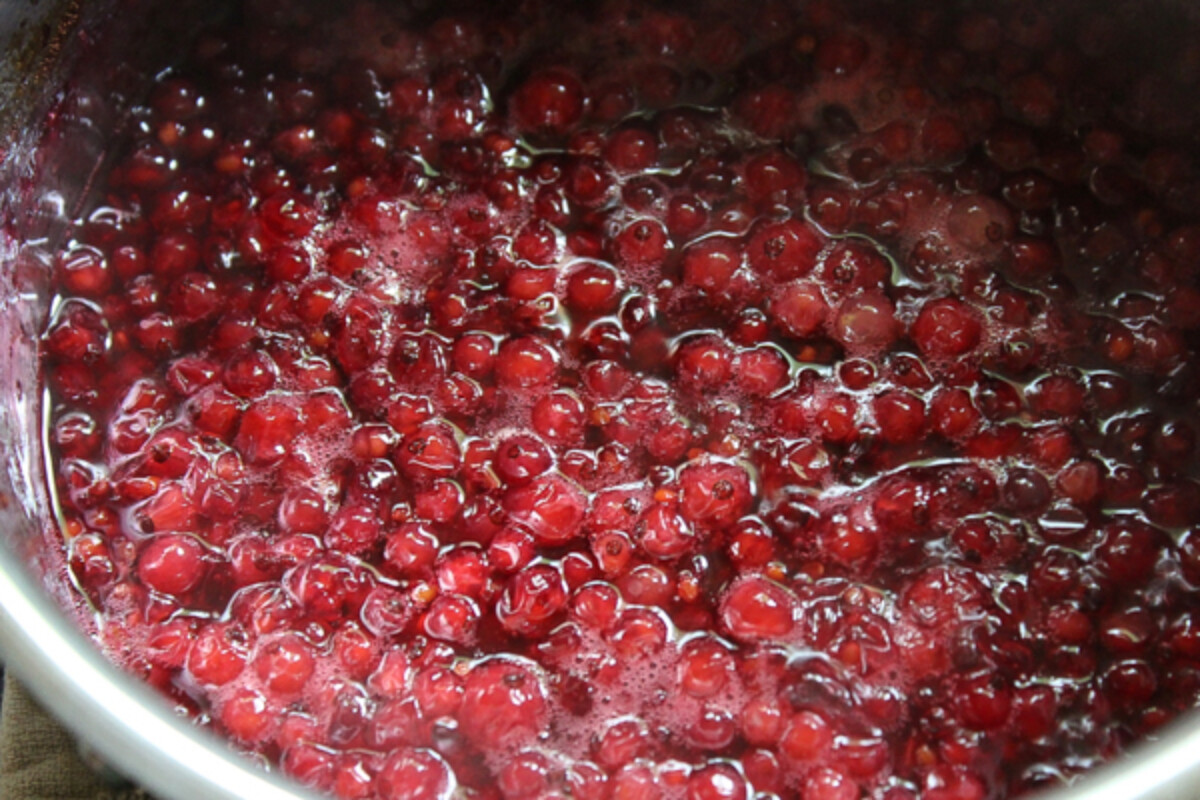
Add a splash of water or juice to the bottom of the pan to keep things from scorching, then add the currants and bring them up to a simmer. For the first minute, it’ll look like loose berries floating in juice, but it comes together fast.
As the fruit starts to boil, stir in the sugar to taste and let it dissolve. Keep it at a simmer for just a few minutes, until the jam begins to thicken and trace in the pan.
When you run a spoon through it, the surface will look glossy, and the bubbles will turn from watery to a thicker, syrupy boil. That’s your cue to take it off the heat.
Red currants carry a lot of natural pectin and will set hard if you keep cooking, so don’t wait for a long boil. My batches are rarely on the heat more than five minutes before they set firm once cooled.
Testing for Gel Stage
Because red currants set so quickly, the trick is stopping at the right moment rather than cooking long enough.
- Frozen plate test: Put a small plate in the freezer before you start. Dollop a bit of hot jam onto the cold plate to flash-cool it, wait a few seconds, then check the texture. Once it looks set on the plate, it’s done.
- Watch the pan: When the jam traces behind a spoon, and the bubbles turn thick and syrupy instead of watery, pull it off the heat.
- Don’t overcook it. Red currants are so high in pectin that a jam cooked too long will set into a stiff, rubbery block once cool. With this fruit, erring on the side of a shorter cook is always the safer bet.
Canning Red Currant Jam
You don’t have to can this jam. A small batch keeps in the refrigerator for a few weeks, and it freezes well too, so canning is optional. If you’d like it shelf-stable for the pantry, it’s a quick water bath process, and my beginner’s guide to water bath canning covers the whole setup if you’re just starting out.
To can it, ladle the hot jam into prepared half-pint jars, leaving 1/4 inch of headspace. Wipe the rims, seat your two-part lids, and process in a boiling water bath for 10 minutes (adjusting for altitude). Turn off the heat and let the jars rest in the canner for 5 minutes before lifting them out to cool.
Once they’re cool, check that every lid has sealed, and refrigerate any that didn’t.
Altitude Adjustments
Adjust your water bath processing time for elevation:
- Below 6,000 feet: Process for 10 minutes
- Above 6,000 feet: Process for 15 minutes
Yield and Batch Size
This is a true small-batch recipe, easy to scale up if your bushes are generous.
- One pound of red currants, about one heaping farmer’s market pint, makes roughly 1 half-pint jar.
- Unlike most jams, red currant jam scales up nicely because the high natural pectin sets the fruit quickly. You can comfortably work with 4 to 6 pounds of currants per batch.
- Past about 6 pounds, it gets hard to keep a big pot from scorching on the bottom, so that’s a good ceiling for a single batch.

Storage Options
However you finish it, here’s how long red currant jam will keep:
- Refrigerator: 3 to 4 weeks in a covered jar.
- Freezer: Up to 6 months in a freezer-safe container with a little headspace.
- Canned: 12 to 18 months in a cool, dark pantry once sealed.
Recipe Tips and Variations
A few things I’ve learned making this jam over the years, plus some variations worth trying:
- Sweeten it to your taste. Less sugar gives a sharp, tart jam that shines as a condiment with meats and cheese. More sugar gives a softer, sweeter spread for toast.
- Go seedless for a classic finish. If you want the smooth, silky texture most people picture, strain the cooked fruit through a food mill for a seedless version that’s still a jam with pulp intact, or make a batch of red currant jelly instead by straining through a jelly bag or cheesecloth.
- Mix in other berries. Red currants pair beautifully with raspberries or black raspberries, and a handful of either rounds out the tartness.
- Add a little spice. A few cloves or a small piece of cinnamon simmered with the fruit and lifted out before jarring gives the jam a warm, festive note.
- Frozen currants work fine. Cook them straight from frozen and skip the splash of added water, since they’ll release plenty of their own as they thaw in the pot.
- Don’t have enough for jam? Currants are endlessly useful, and there are plenty of other ideas in my roundup of creative ways to use currants.
Ways to Use Red Currant Jam
Red currant jam is wonderful on toast and folded into thumbprint cookies, but its bright tartness really earns its keep alongside savory food. A spoonful makes a quick glaze for roast pork, duck, or game, and it’s a classic partner to a sharp cheese on a board. I also swirl it into yogurt and oatmeal, and warm a little to spoon over pancakes or ice cream.
Once you’ve got a few jars put away, there’s no shortage of things to do with them. My roundup of ways to use up a jar of jam has plenty more ideas for working through the harvest.
Red Currant Jam FAQs
About 1 pound of red currants, which is roughly one heaping farmer’s market pint or 2 to 2 1/2 cups of fruit, makes a single half-pint jar of jam. The recipe scales up easily, so 4 to 6 pounds of currants makes a larger batch without any trouble.
That’s entirely up to your taste, since the sugar doesn’t affect the set or the canning safety of this high-acid fruit. A 2 to 1 ratio of fruit to sugar suits most people, while a quarter pound of sugar per pound of fruit makes a sharply tart jam and a 1 to 1 ratio makes a sweet, store-style one. Start on the lower side, since you can always add more.
No. You can hand-stem the currants and leave the seeds in for a chunkier jam, or cook the fruit and run it through a food mill or sieve for a smooth, seedless jam. Both versions set up well, so it comes down to the texture you prefer.
Yes. Frozen red currants work just as well as fresh. Cook them straight from frozen and skip the splash of added water, since they release plenty of their own juice as they thaw in the pot. They may take a minute or two longer to come up to a simmer.
Yes, and that’s one of the perks of this fruit. Because red currants are so high in natural pectin, the jam sets quickly even in a larger pot, so you can scale up to 4 to 6 pounds of currants per batch. Past about 6 pounds, it gets hard to keep the bottom from scorching, so that’s a good upper limit.
Ways to Preserve Currants
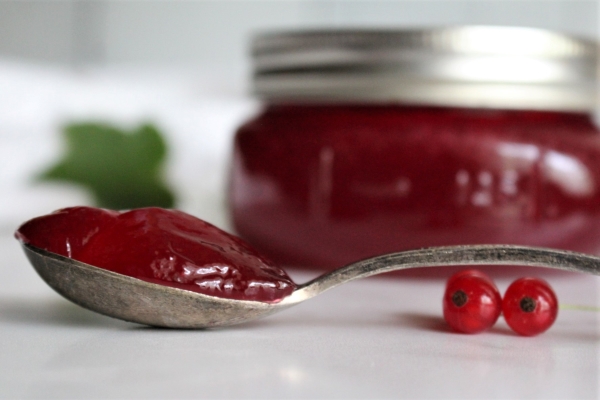
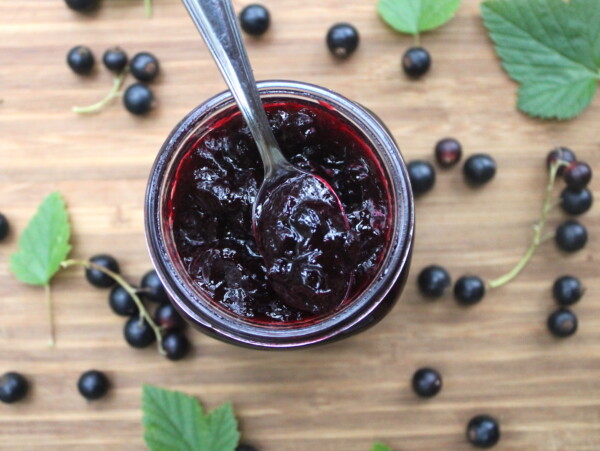
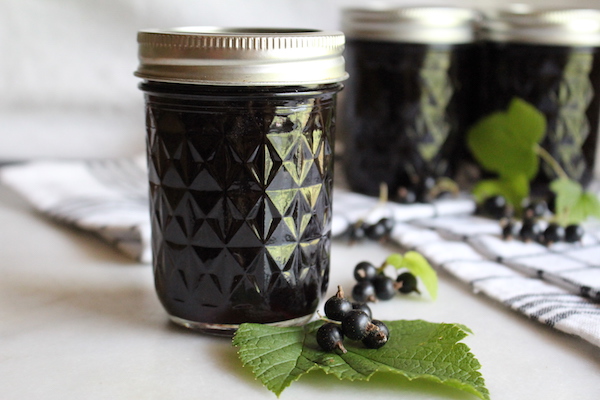
Did you make this red currant jam? Leave a ⭐⭐⭐⭐⭐ star rating on the recipe card below and tell me in the 📝 comments how your batch turned out!
And make sure you stay in touch with me by following on social media!
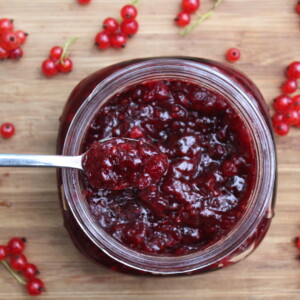
Red Currant Jam
Equipment
- Canning Jars, Lids, and Rings
Ingredients
- 1 pound red currants
- 1 cup sugar
Instructions
- Prepare the red currants by either hand-stemming them to keep the seeds, or planning to run the cooked fruit through a food mill for a smooth, seedless jam.
- Add a splash of water or juice to a saucepan to prevent scorching, then add the currants and bring to a simmer.
- Stir in sugar to taste and let it dissolve.
- Simmer just until the jam thickens and begins to set, only a few minutes. Pull it off the heat as soon as it sets, since red currants set hard if overcooked.
- For seedless jam, run the cooked fruit through a food mill now. Ladle into prepared jars and refrigerate, or process in a water bath canner for 10 minutes with 1/4 inch headspace.
Notes
Nutrition
Nutrition information is automatically calculated, so should only be used as an approximation.
Jam Recipes
Find the perfect recipe
Searching for something else? Enter keywords to find the perfect recipe!










This was super easy to make, and out of 2000 grams of frozen red currants (about 9 cups) plus 5 cups of sugar, I ended up with 8 1/2 pints of yummy jam. I didn’t want to make jelly because I wanted to process the berries quickly as I’d had them in the freezer for a long time.
I’m so glad you enjoyed it!
Great recipe! Information was helpful.
Thanks
So glad you liked it!
Ashley, I just canned 6 pds of red currants with 4 cups sugar. I did the “set” test by flash freezing a plate then putting a 1/2t of the jam on it. I did this about 5X adding “sure-jell” for jams/jellies (pectin) a little more each time. I know that currants have natural pectin and should set with no problem. I canned them; 6 1/2 pints & 1 pint and water bathed them. They still didn’t set. Any idea what went wrong & what to do?
Give it a week or two before you call it. Jam often keeps setting up for a while after canning.
If it’s still runny after that, my guess is the sugar. Regular Sure-Jell needs a lot of sugar to gel, quite a bit more than 4 cups for 6 pounds of fruit, and adding it in a little at a time won’t do it either. It has to go in all at once and hit a hard rolling boil for a full minute to activate. If you want to keep the sugar down, the low sugar pectin (the pink box) is the one that works at that ratio.
Everything on re-cooking it is here: https://creativecanning.com/troubleshooting-jelly-set/. Good luck!
How long will the jam last in the refrigerator?
If you’re keeping it in the fridge without canning, it’ll last about 3 to 4 weeks in a covered jar. If you’d like it to keep longer, it freezes well for up to 6 months, or you can process it in a water bath canner to make it shelf stable. Hope this helps!
My red currant bush has been gifting me berries for more than 20 years now. And the birds surprised me with another bush on the other side of the yard….I usually get my fill of berries and leave the rest for them. I make my jam with the 2:1 ratio.
Made the jam from one pint of recurrent from a farmers market. Stemmed the berries and then cooked them. I separated the jars between those with seeds and those without. I simply pressed the mixture through a fin sieve for the ones without seeds. Both set up beautifully. I produced 3 and 1/2 pints. My question is can the jam be frozen?
Yes, you can totally freeze the jam if you aren’t wanting to can it.
WONDERFUL AND SUPER EASY THOUGHT IT WAS ONE OF THE BEST CURRENT JAMS I’VE EVER TASTED! YOU SHOULD DEFINITLY TRY IT
Hello. I was just wondering if honey would work as sweetener instead of white sugar. As far as I understand, honey shouldn’t affect the gel of the jam, just maybe the taste as each pot of honey might have a different flavour or strength of flavour. Right?
Thanks, and love your site!
It can affect the gel structure and the taste so I would look for tested recipes to get the best results.
I have three -2 year old red currant bushes and they yielded 2 cups this year. This was amazing. We are so excited, it is delicious. Thank you for taking the scary out of self reliance! We love all of your articles. If you ever decide to put all of your things into a printed book I am in! I’d pay $100 for a big book with all your beautiful pictures and information. I’m sure it would be worth more.
I have three -2 year old red currant bushes and they yielded 2 cups this year. This was amazing. We are so excited, it is delicious. Thank you for taking the scary out of self reliance! We love all of your articles. If you ever decide to put all of your things into a printed book I am in! I’d pay $100 for a big book with all your beautiful pictures and information. I’m sure it would be worth more.
Thank you so much. We’re so glad you’re enjoying the posts.