
Affiliate disclosure: This post may contain affiliate links. Please see our Privacy Policy.
Growing astragalus at home turns out to be far easier than its reputation suggests. The plant is technically only hardy to zone 6, but in our zone 4 Vermont garden it has come back faithfully every spring for years now, even after I’ve harvested most of the medicinal roots each fall.
Astragalus (Astragalus membranaceus, also classified as A. propinquus) is one of the most important herbs in traditional Chinese medicine, where it’s used as both a daily food and a long-term immune tonic, and it’s the easiest of the major adaptogens to add to a backyard medicinal garden once you get past the cold-stratification step.
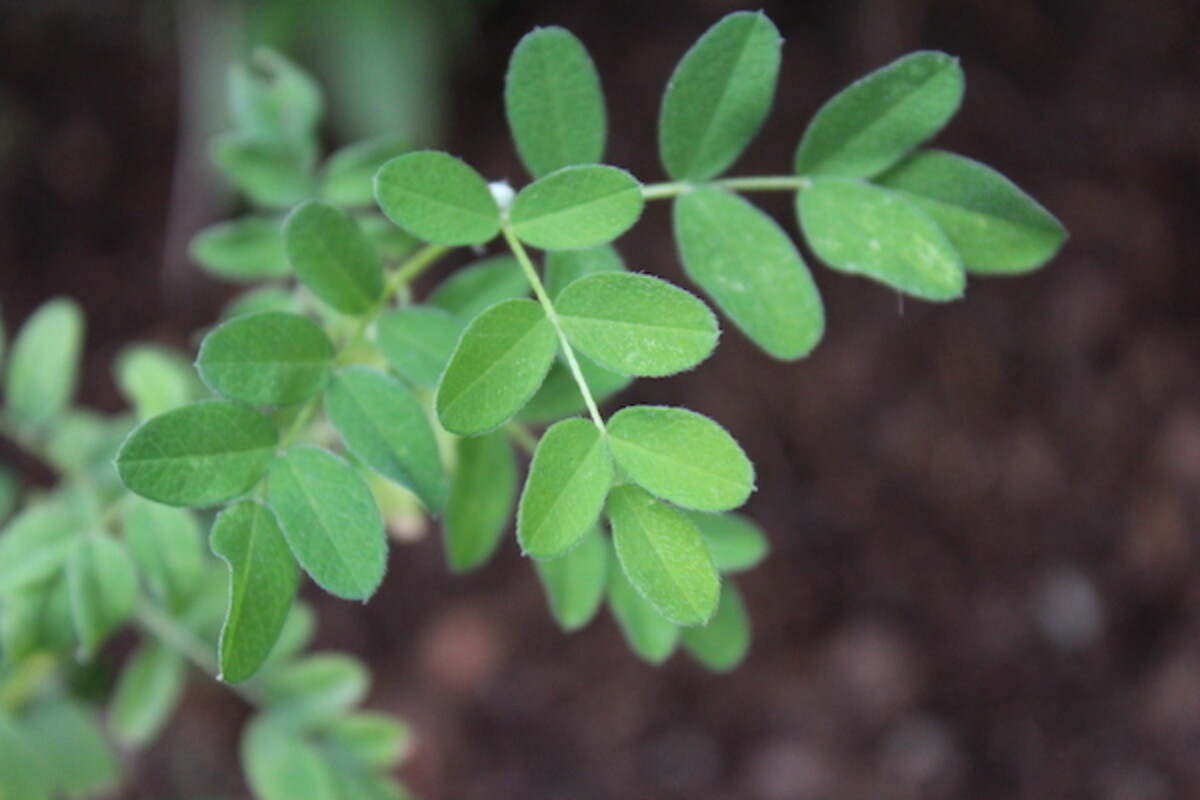
Table of Contents
- Notes from My Homestead
- Can You Grow Astragalus at Home?
- Astragalus Hardiness Zones and Growing Conditions
- How to Grow Astragalus from Seed
- Astragalus Plant Care
- When and How to Harvest Astragalus Root
- A Note on Astragalus Leaves
- How to Use Astragalus
- Traditional Uses of Astragalus
- Safety and Cautions for Astragalus
- Astragalus FAQs
- Medicinal Herb Growing Guides
- How to Grow Astragalus Recipe
In Chinese herbalism, astragalus is known as Huang Qi, which translates roughly to “yellow leader,” a reference both to the bright yellow color of the dried roots and to the herb’s status as one of the foundational tonics in the tradition. The roots are sweet, warming, and nourishing, traditionally simmered into broths and soups for everyday use rather than reserved for acute illness. That makes astragalus an immune tonic, taken regularly over months and years to support general health, rather than an immune stimulant like echinacea that’s used short-term at the onset of a cold.
Western herbalists have caught on, and astragalus has become one of the most-discussed adaptogens in modern herbalism alongside ashwagandha and tulsi. Where ashwagandha is the classic stress-and-sleep adaptogen and tulsi is the calming-and-clarifying one, astragalus is the long-term immune-resilience adaptogen. The three together cover most of the bases for a homestead apothecary, and all three can be grown in temperate climates with minimal fuss.
Notes from My Homestead

I picked up my first astragalus plant on impulse from a local Vermont nursery a number of years ago. The little plant tag read “vigorous perennial, hardy to zone 4,” which surprised me since most sources I’d seen put astragalus at zone 6 or warmer. I figured worst case, I’d grow it for one season and harvest the roots before our first hard frost, which is what most cold-climate herbalists recommend.
That fall I dug up what I thought was the entire plant, took a respectable little harvest of small roots, and assumed that was the end of it. The next spring it came right back, apparently from a piece of root I’d missed somewhere in the bed. It’s been on its own ever since, in a raised bed that gets afternoon shade from a nearby grape arbor, and I harvest a portion of the roots every few falls without ever quite killing the plant. For something that’s officially too tender for our climate, astragalus has turned out to be one of the most foolproof plants in our medicinal garden.
You are such an inspiration for me to try growing this in my zone 4. Maybe a sheltered spot will help it overwinter. Successfully grew ashwagandha last year and will continue to do so. Thanks for the encouragement.
Can You Grow Astragalus at Home?
Yes, astragalus grows readily in most temperate-climate gardens. The plant is officially listed as hardy to USDA zone 6, but readers in zones 3, 4, and 5 routinely report successful overwintering with a sheltered location and a thick winter mulch. In zones too cold for reliable overwintering, astragalus can be grown as a single-season annual and harvested in fall, since the roots are still useful even if the plant doesn’t return. Once you get past the seed-starting step, the plant is genuinely one of the easier perennials in the medicinal garden.
Live astragalus plants are still uncommon at most American nurseries, so most gardeners need to start from seed. Seeds are available through specialty herb seed companies including Earthbeat Seeds, Strictly Medicinal Seeds, and Mountain Rose Herbs. The seeds need both cold stratification and light scarification to germinate well, neither of which is hard once you’ve done it a few times.
Astragalus Hardiness Zones and Growing Conditions
Astragalus is officially hardy from USDA zones 6 through 11 as a perennial, with zones 7 through 9 considered ideal. In colder zones, the plant can survive in protected microclimates (south-facing walls, raised beds with good drainage, or sheltered spots near larger garden structures) but reliable overwintering becomes more uncertain below zone 5. A 4 to 6 inch winter mulch of straw or shredded leaves helps protect the crown through the coldest months in marginal zones.
The plant is native to dry hillsides and grasslands across northern China, Mongolia, Korea, and Siberia, which gives you a sense of what it actually wants. Astragalus prefers full sun to partial shade, well-drained sandy or loamy soil with neutral to slightly alkaline pH (6.5 to 7.0), and only modest water once established. It does poorly in heavy clay that holds moisture and absolutely requires good drainage to avoid root rot, which is the most common cause of failure for the plant in home gardens.
If you’re working with heavy clay (like we are here in Vermont), the simplest fix is a raised bed amended with sand and compost to lighten the soil. Our astragalus plant is in a raised bed against a grape arbor, where the grape canopy provides afternoon shade in summer and the raised bed keeps the roots out of standing water in spring. That setup has worked perfectly for years.
How to Grow Astragalus from Seed
Astragalus seeds need three small interventions to germinate well: cold stratification, light scarification, and an overnight soak. None of these are difficult, but skipping them dramatically reduces germination rates. Some readers report success without these steps using older seeds or specific conditions, but for first-time growers with fresh seed, the full prep gives the most reliable results.
Cold stratification mimics winter conditions and signals to the seed that spring has arrived. Place the seeds on a damp paper towel inside a plastic bag (or simply put the unopened seed packet) in the refrigerator for at least 21 days before planting. My complete guide to cold stratifying seeds covers the same general technique for other temperate-climate herbs and tree seeds.
Scarification is the process of nicking the hard seed coat to allow water in. Astragalus seeds have a tough outer coat that can otherwise sit unchanged in the soil for months. The simplest method is to rub the seeds gently between two pieces of fine-grade sandpaper for 30 seconds, or to nick each seed with a sharp knife or nail file. The same technique is used for many other hard-coated seeds including sea buckthorn.
Overnight soak is the final prep step. After scarifying, soak the seeds in lukewarm water overnight (or for at least an hour) to fully hydrate them before planting. Seeds that swell during soaking are ready to plant; any that float and stay shrunken after a long soak are duds and can be discarded.
Sow the prepared seeds in small pots of moist seed-starting mix about 8 weeks before your last spring frost. Plant each seed about 1/4 inch deep and water gently. Germination typically takes 3 to 10 days at room temperature, with seedlings emerging quickly once they break through the soil. If you’re new to indoor seed starting, my beginner’s guide to seed starting walks through the basics, and the post on common seed starting mistakes covers the damping-off issues that can take down young astragalus seedlings.
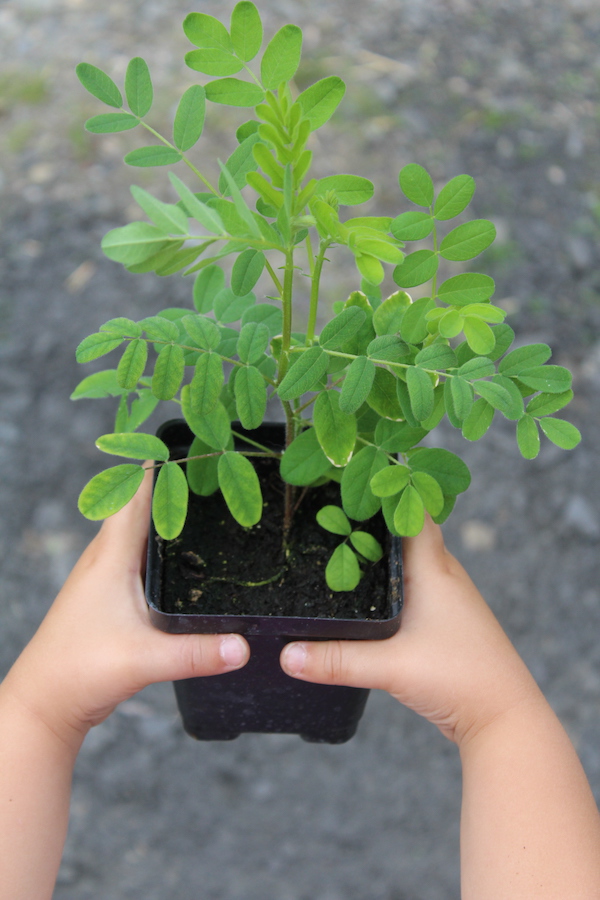
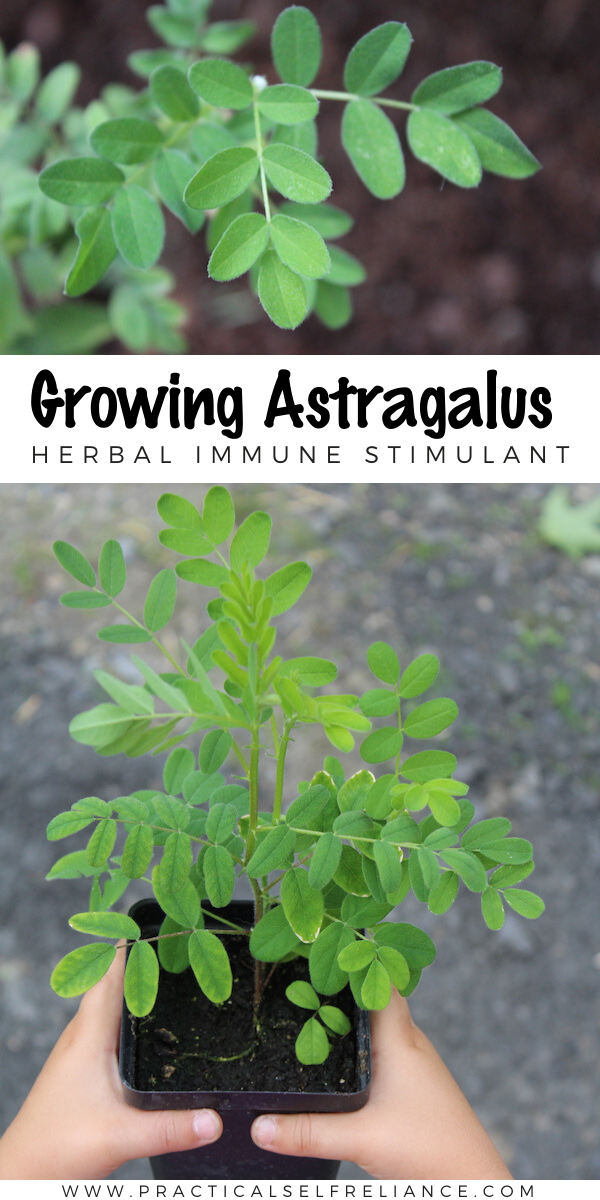
Once seedlings have several true leaves and outdoor temperatures are reliably above 50°F at night, harden off gradually over a week and transplant to the garden. Space plants 16 to 18 inches apart in a sunny, well-drained spot. The plants are slow during their first year as they establish root systems, but they pick up speed in year two and reach full size by year three.
Astragalus Plant Care
Once established in the right spot, astragalus is genuinely low-maintenance. The plant tolerates drought, poor soil, and benign neglect, and it has very few pest or disease problems in most home gardens.
- Sun: Full sun to partial shade. Full sun produces the largest plants and the most vigorous root systems, but afternoon shade in hot climates can prevent heat stress.
- Soil: Well-drained, sandy or loamy soil with neutral to slightly alkaline pH (6.5 to 7.0) is ideal. Heavy clay or wet soil causes root rot.
- Water: Modest. Astragalus is drought-tolerant once established. Water deeply during prolonged dry spells, but avoid frequent shallow watering.
- Fertilizer: Generally unnecessary. A spring top-dressing of compost provides plenty of nutrition. Avoid high-nitrogen fertilizers, which produce lush leaf growth at the expense of medicinal compounds in the roots.
- Spacing: 16 to 18 inches between plants for good airflow and root development. Plants reach 3 to 4 feet tall and a similar spread at maturity.
- Pests: Very rare. Astragalus is occasionally bothered by aphids on new growth but rarely seriously enough to need intervention.
- Pruning: Optional. Cut spent flower stalks to neaten the plant and prevent self-sowing if desired. The roots are the medicinal harvest, so foliage doesn’t need much attention.
Astragalus produces yellow pea-like flowers in early to midsummer, followed by oval seed pods that contain the seeds for the next generation. The flowers are a good pollinator plant alongside other medicinal flowers in the garden.
When and How to Harvest Astragalus Root
Astragalus roots are at their most medicinally potent when harvested from plants that are at least 2 years old, with 3 to 4 year old plants producing the largest and most concentrated roots. The traditional harvest time is late fall, after the foliage has died back and the plant has pulled its resources into the roots for winter. In cold-climate gardens being grown as annuals, smaller first-year roots can also be harvested before the first hard frost, though the yield is much smaller.
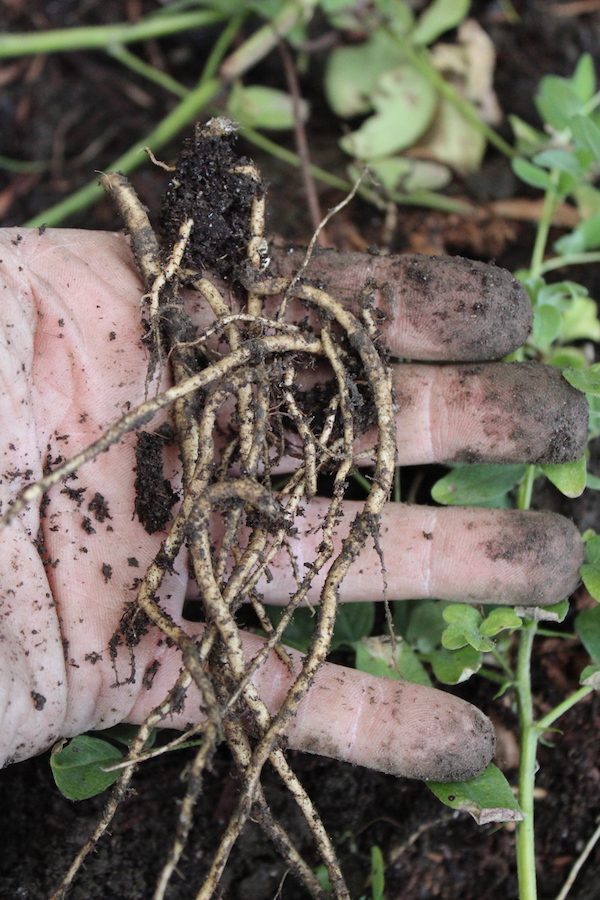
To harvest, water the plant thoroughly the day before to soften the soil. Use a garden fork or sharp spade to dig a wide circle around the plant, working carefully to avoid breaking the deep taproot. Lift the entire root mass out of the ground and shake off as much loose soil as possible.
For sustainable harvest, you have two options. The traditional approach is to take the entire plant in one harvest, which gives the largest possible single yield but kills the plant. The alternative is to harvest no more than a third of the root mass, replant the remaining roots and crown immediately at the same depth, and let the plant recover for another year or two before harvesting again. Both approaches work, and the choice depends on whether you want maximum yield now or a long-term productive patch.
Wash the harvested roots thoroughly under running water, scrubbing between your fingers to remove all soil from the crevices. Slice the cleaned roots into thin coins or short pieces (no thicker than the diameter of a pencil) and dry in a dehydrator at 95 to 105°F for 12 to 24 hours, until they snap cleanly when bent. Store the dried slices in a sealed glass jar away from light, where they’ll keep their potency for at least a year.
A Note on Astragalus Leaves
Traditional Chinese herbalism focuses almost entirely on the roots, but recent research has shown that astragalus leaves contain a comparable nutritional profile to the roots, including useful concentrations of polysaccharides, flavonoids, and saponins. The leaves were historically considered agricultural waste and either composted or fed to livestock, but they’re now being studied as a potentially valuable secondary harvest, similar to the way sweet potato leaves have been reevaluated in recent years.
For home gardeners, this means the foliage isn’t worth ignoring. Young leaves can be added to soups and stews in small amounts, or dried and added to herbal tea blends for an additional source of the same compounds present in the roots. The flavor is mild, faintly sweet, and grassy. They won’t replace the roots in serious medicinal use, but they’re a useful side benefit of growing the plant.
How to Use Astragalus
Astragalus is one of the most versatile herbs in the medicinal pantry, used in everything from simmering broths to tinctures to herbal teas. The dried root pieces have a mildly sweet, faintly woody flavor that combines well with savory dishes, and the herb is nourishing enough to be used regularly as food rather than reserved for acute medicinal use.
Astragalus broth is the most traditional preparation and the easiest to incorporate into daily cooking. Simply add 5 to 10 dried astragalus root slices to any slow-simmered broth or stock (chicken, bone, mushroom, or vegetable) during the cooking process. The roots are too tough to eat directly but release their compounds into the broth over a long simmer. Strain out and discard the spent root slices before serving.
Astragalus tea is a simple decoction. Simmer 1 tablespoon of dried sliced root in 2 cups of water for 20 to 30 minutes, then strain. The resulting tea is light golden in color, mildly sweet, and warming. It can be drunk plain or sweetened with honey, and combines well with other adaptogens in herbal blends. Our roundup of herbal immunity tea blends includes recipes that work well with astragalus.
Astragalus tincture is convenient for daily medicinal use. Fill a clean jar with chopped dried astragalus root, cover completely with high-proof vodka or grain alcohol, seal, and let infuse for 6 weeks before straining. Store the finished tincture in dropper bottles. Standard daily dosage is typically a few dropperfuls, though specific dosing varies by individual and intended use. My complete guide to making herbal tinctures walks through the technique, and our collection of herbal tincture recipes covers more than 20 medicinal tinctures using the same general method.
Astragalus syrup combines the herb with elderberries and honey for a particularly potent immune-supportive preparation, often made for cold and flu season. The astragalus contributes long-term immune resilience while the elderberries provide acute antiviral support. Several recipes for elderberry-astragalus syrup are available online, including this version from The Fewell Homestead.
Powder in capsules or smoothies is the most convenient way to take astragalus daily. Grind dried roots in a small spice grinder until fine, fill empty 00-size gelatin or vegetable capsules, and take with food. Powdered astragalus can also be stirred directly into smoothies, oatmeal, or yogurt, though the slightly sweet earthy flavor is most palatable in food rather than alone.
Traditional Uses of Astragalus
Astragalus has been used in traditional Chinese medicine for at least 2,000 years and is one of the 50 fundamental herbs in the tradition. The herb is classified as an immune tonic and adaptogen, traditionally used to support overall vitality, immune resilience, and recovery from illness or fatigue.
Modern research has explored these traditional uses with growing interest, with studies looking at potential effects on immune function, cardiovascular health, blood sugar regulation, and recovery from stress or illness. Results are encouraging in some areas and inconclusive in others, and astragalus is now one of the more widely studied immune-supportive herbs in scientific literature.
Unlike acute immune stimulants such as echinacea, astragalus is traditionally taken over long periods (months to years) as a supportive tonic rather than a short-term remedy. Most herbalists recommend daily use during periods of stress or vulnerability, with breaks during acute illness with active fever. As with any herbal medicine, astragalus is not a replacement for medical care, and people with specific health concerns should work with a qualified herbalist or healthcare provider.
Safety and Cautions for Astragalus
Astragalus is generally considered safe for healthy adults at typical herbalist-recommended doses, but it has more significant interactions than most adaptogens and should not be taken without consideration of the cautions below.
- Autoimmune conditions: Because astragalus stimulates immune function, it is generally contraindicated for people with autoimmune conditions such as lupus, rheumatoid arthritis, multiple sclerosis, and Hashimoto’s thyroiditis. People with autoimmune diagnoses should not use astragalus without specific guidance from a qualified healthcare provider.
- Immunosuppressant medications: Astragalus may interfere with immunosuppressant drugs used for transplant patients, autoimmune conditions, or certain cancers. Do not use astragalus if you take cyclosporine, tacrolimus, mycophenolate, or similar medications.
- Lithium: Astragalus may decrease the body’s clearance of lithium, raising lithium levels in the blood. People taking lithium should not use astragalus without close monitoring by their prescriber.
- Acute infection with fever: Some traditional sources recommend stopping astragalus during acute illness with active fever, since the herb’s immune-tonifying action is intended for prevention and recovery rather than peak infection.
- Pregnancy and breastfeeding: There is limited research on astragalus during pregnancy and breastfeeding. As with any herbal medicine in those situations, work with a qualified healthcare provider before use.
- Other plants in the genus: The medicinal species is specifically Astragalus membranaceus (also classified as A. propinquus). The genus Astragalus contains over 3,000 species, some of which are toxic livestock poisons known as locoweeds. Make sure you’re growing the correct medicinal species, and never harvest wild astragalus without expert identification.
Astragalus FAQs
Astragalus is officially hardy as a perennial in USDA zones 6 through 11, with zones 7 to 9 considered ideal. With a sheltered location and winter mulch, the plant can sometimes overwinter successfully in zones 4 and 5. In zones 3 and colder, astragalus is best grown as a single-season annual and harvested in fall before the first hard frost.
Astragalus seeds germinate in 3 to 10 days after proper preparation (cold stratification, scarification, and overnight soak). Plants reach full size by year 3 and produce harvestable medicinal roots starting at age 2, with the largest and most potent harvests coming from 3 to 4 year old plants. Cold-climate gardeners growing astragalus as an annual can harvest smaller first-year roots in late fall.
Astragalus membranaceus is native to dry hillsides and grasslands across northern China, Mongolia, Korea, and Siberia. It grows wild in cold continental climates with hot summers and cold winters, which is why it adapts well to North American gardens in zones 4 through 9 with proper soil drainage.
Astragalus is traditionally used as an immune tonic and adaptogen, supporting general vitality, immune resilience, and recovery from stress or illness. The dried roots are added to broths and soups, brewed as tea, made into tinctures, or combined with elderberry in immune syrups. Unlike acute immune stimulants, astragalus is meant to be taken regularly over months and years for long-term support.
Astragalus is generally considered a warming, energizing herb, so most herbalists recommend taking it earlier in the day rather than at bedtime. Morning or early afternoon is the typical recommendation. People who find astragalus stimulating should avoid taking it within several hours of bedtime, while those who don’t notice an energizing effect can take it whenever it fits their daily routine.
Astragalus roots are not typically eaten raw. The roots are tough and fibrous, and traditional preparations always involve simmering, decocting, or extracting the roots in alcohol. Even when astragalus is added to soups and broths, the spent root slices are strained out before serving rather than eaten directly.
Mature astragalus plants typically reach 3 to 4 feet tall and a similar spread, growing in an upright bushy form with pinnate compound leaves and small yellow pea-like flowers. The plant is herbaceous, dying back to the ground each fall and returning from the perennial root system in spring.
Medicinal Herb Growing Guides
If you tried growing astragalus, leave a ⭐ star rating on the how-to card and let me know how it went in the 📝 comments below!
And make sure you stay in touch with me by following on social media!
How to Grow Astragalus
Equipment
- Garden Trowel
Ingredients
- Astragalus seeds, Astragalus membranaceus
- water
- sterile seed-starting mix
- well-draining sandy or loamy soil
- compost
Instructions
- Cold stratify the seeds for at least 21 days by placing them on a damp paper towel inside a plastic bag (or simply put the unopened seed packet) in the refrigerator. Keep the towel barely moist throughout the cold period.
- After stratification, lightly scarify the seeds by rubbing them gently between two pieces of fine-grade sandpaper for about 30 seconds. This nicks the hard seed coat just enough to let water penetrate.
- Soak the scarified seeds in lukewarm water overnight to fully hydrate them before planting. Discard any seeds that float and stay shrunken after a long soak, since those are duds.
- Sow the prepared seeds in small pots of moist seed-starting mix about 8 weeks before your last spring frost. Plant each seed about 1/4 inch deep and water gently. Germination typically takes 3 to 10 days at room temperature.
- Once seedlings have several true leaves and outdoor temperatures are reliably above 50°F at night, harden off gradually over a week by exposing them to outdoor conditions for increasing periods.
- Transplant outdoors 16 to 18 inches apart in a sunny, well-drained spot with sandy or loamy soil. If you have heavy clay, amend with sand and compost or plant in a raised bed.
- Water deeply during prolonged dry spells but otherwise provide minimal care. Top-dress with compost in spring for steady fertility, and avoid high-nitrogen fertilizers that produce lush leaves at the expense of medicinal compounds in the roots.
- Allow plants to grow undisturbed for at least 2 years before harvesting, with 3 to 4 year old plants producing the largest and most potent roots. The first growing season is mostly about establishing the root system.
- Harvest in late fall after the foliage has died back. Water the plant thoroughly the day before to soften the soil, then use a garden fork or sharp spade to dig a wide circle around the plant and lift the entire root mass.
- For sustainable harvest, take no more than a third of the root mass and replant the crown immediately at the same depth, watering in well. The plant will recover and produce another harvest in a year or two.
- Wash the harvested roots thoroughly under running water, scrubbing between your fingers to remove all soil from the crevices. Slice the cleaned roots into thin pencil-thick coins.
- Dry the sliced roots in a dehydrator at 95 to 105°F for 12 to 24 hours, until the pieces snap cleanly when bent. Store the dried slices in a sealed glass jar away from light, where they’ll keep their potency for at least a year.
Notes
If you’re building out a medicinal herb garden, the natural companions to astragalus are the other classic adaptogens. Ashwagandha and tulsi grow alongside astragalus beautifully and round out the adaptogen trio. Marshmallow adds soothing mucilage to the mix, and our easy-to-grow medicinal herbs roundup is a good shortlist if you’re new to herb gardening.
Find the perfect guide
Searching for something else? Enter keywords to find the perfect guide!











Thank you Ashley, I’m in zone 4/5 and my astragalus is 3 years old. I found them difficult to transplant but using soil from around peas or beans seemed to be tremendously sugessf full. I thought they probably need some nitrogen fixing at start up.
Thanks for sharing that, and congratulations on getting them to three years in zone 4/5! Astragalus is a legume, so your nitrogen-fixing hunch makes sense. It mostly partners with a different group of soil bacteria than peas and beans do, so if you want a more targeted version next time, a scoop of soil from around an established astragalus plant, or a legume inoculant that lists Mesorhizobium, would bring the right partners. Either way, your plants clearly like what you’re doing!
We grow this every year!
You are such an inspiration for me to try growing this in my zone 4. Maybe a sheltered spot will help it overwinter. Successfully grew ashwaganda last year and will continue to do so. Thanks for the encouragement.
https://www.nature.com/articles/s41598-021-97109-6
Leaves are great, not useless “waste”.
This may be quite similar to sweet potato leaves, which were once considered as waste or food for raising pigs. The nutrition value of the leaves is at least compatible with (if not higher than) the roots.
Thanks so much for sharing.
Can the root be eaten raw, as in a salad? How do they taste? What is the recommended amount per day? Any negative side effects to be avoided?
I don’t believe that I have ever heard of anyone eating it raw. The general recommendation is 10 to 30 grams per day.
Hello!
Thank you for your thoughtful article on huang qi.
I just ordered seeds from Strictly Medicinals and I was wondering how high or how large these get. You wrote they need to be planted 16″ apart so I’m guessing not that large? I’m in Zone 5, with mostly full sun and clay soil that I will amend, so knowing the size will help planning to grow in-ground or in containers.
It should grow to about 4 feet tall.
Thank you for this information. Besides growing vegetables and foraging for wild food and medicine. I now want to start growing the most important herbs myself and this information will be a lot of help. Cheers
You’re very welcome. I’m so glad that you enjoyed the post.
I started my own seeds minus scarification and CMS. I did not do anything you said to do. I NEVER harden off seeds, haven’t in 40 yrs and won’t start now. Mine are in crappy soil, I NEVER test The PH level either. So thought I’d say there are other ways than what you have said you do. Mine were started 3 yrs ago, and bloomed for the first time this yr. I have never harvested any roots.
Thanks for sharing that. I am glad that you have had such great success. Unfortunately that isn’t always the case. The methods I have described here are just best practices to help others have a better chance of having a successful harvest.
I was surprised when I put the non-stratified seeds in clay soil and they popped up within a few days. Since these were older seeds, maybe there is a dormant period which is broken by either cold stratification or time.
I’m not sure but I’m glad it worked for you. It’s amazing how resilient seeds can sometimes be.
Is something missing???
“(Other examples of immune tonics include
?
As with many plants used in Eastern medicine, I assumed they ….
Oops! Thanks for the heads up. That part got deleted somehow before I hit publish, but I’ve fixed it now.
Loved this article, thank you for writing it! I received astragalus seeds from strictly medicinal seeds and have been pondering how to start them. Since I’m planning on moving in the next two years, I’ll be plot panting these babies with your tips. Much love!