
Affiliate disclosure: This post may contain affiliate links. Please see our Privacy Policy.
Growing lemon trees from seed is one of the easiest and most rewarding houseplant projects I’ve ever taken on, and yes, you really can grow a productive citrus tree from a seed plucked out of a grocery store lemon. The seeds germinate quickly, the seedlings are gorgeous, and with patience, the resulting trees will eventually flower and fruit, even here in our cold Vermont climate.
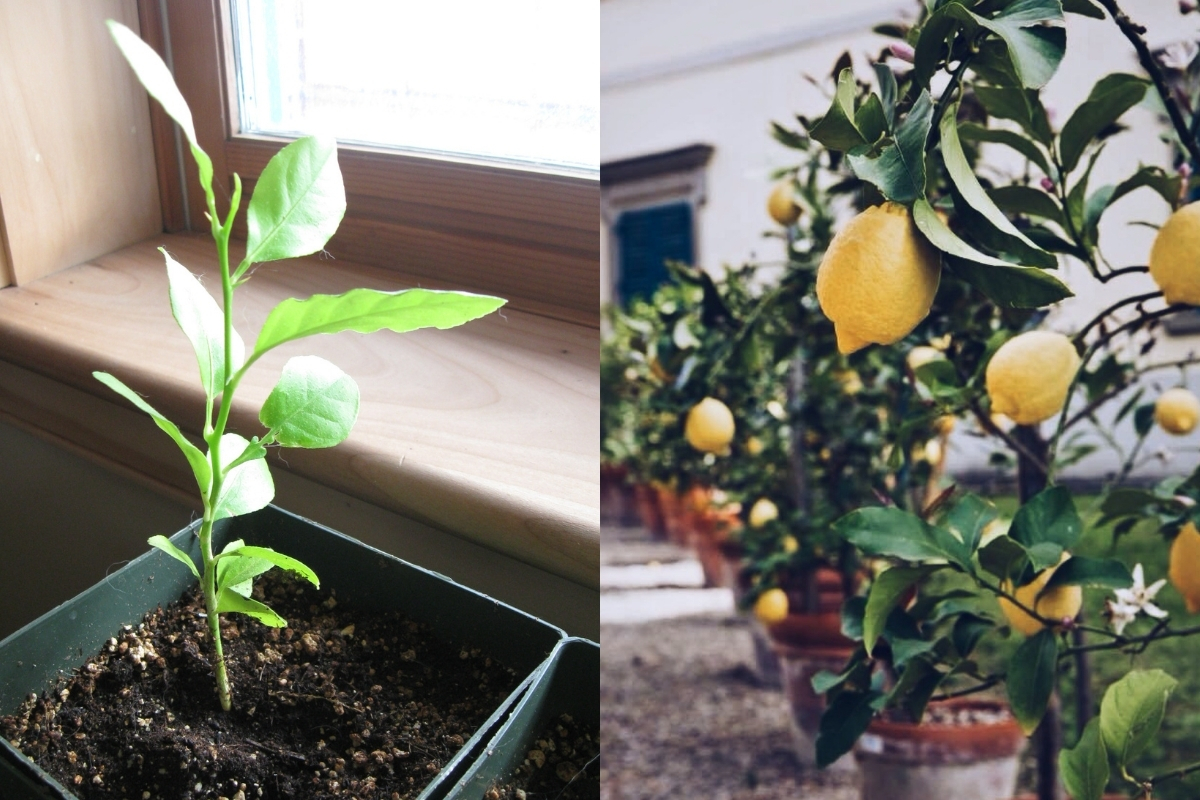
Table of Contents
- Notes from My Homestead
- Will a Lemon Tree Grown From Seed Produce Fruit?
- Choosing Lemons and Saving the Seeds
- How to Plant Lemon Seeds (Germination Step by Step)
- Transplanting Lemon Seedlings
- Caring for Indoor Lemon Trees
- Lemon Tree Hardiness
- Best Fertilizer for Indoor Lemon Trees
- Winter Care for Indoor Lemon Trees
- Pruning and Pollinating Lemon Trees
- Common Problems With Indoor Lemon Trees
- Harvesting and Using Your Homegrown Lemons
- Lemon Tree FAQs
- More Seedling Growing Guides
- How to Grow a Lemon Tree From Seed Recipe
- Lemon Recipes and Preservation
I started planting lemon seeds about a decade ago, mostly because I felt guilty composting the seeds from all the lemons we go through in a year between homemade limoncello, homemade lemon wine, and the squeeze of fresh juice I add to almost every homemade jam recipe to balance the sugar and add pectin. That adds up to a lot of lemons, and a lot of lemon seeds, in a year.
It turns out lemon seeds germinate so reliably that some people sow them by the cup full and grow them as fragrant little potpourri pots, just for the way the crushed leaves smell. That’s a charming idea, but I was after something more ambitious: actual lemon trees, growing in pots on the homestead, eventually producing real fruit. Ten years and a few generations of lemon seedlings later, I can tell you it absolutely works, and it’s one of the most satisfying long-game gardening projects you can take on indoors.
Notes from My Homestead

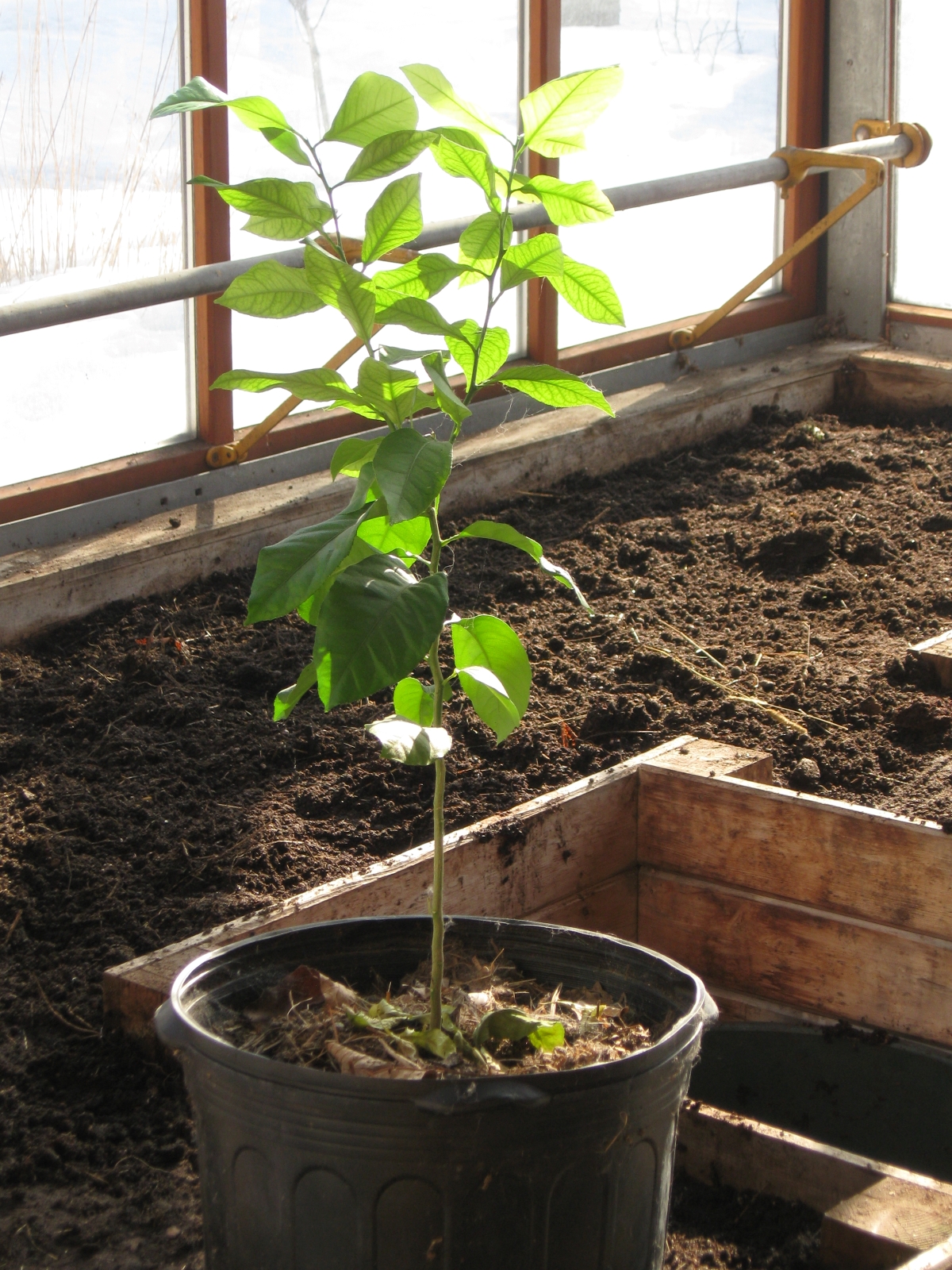
Vermont is decidedly not lemon country. We sit in zone 4 with winters that regularly dip well below zero, and any citrus tree planted in the ground here would be dead by Christmas. What changed everything for us was a small attached greenhouse off the side of our farmhouse, which gives our potted lemon trees a south-facing winter home and a long shoulder season in spring and fall. The trees still come into the house for the coldest two or three months of the year, but the greenhouse extends their outdoor time considerably and seems to be the difference between trees that just survive and trees that actually thrive.
The first seed I ever planted came from an organic Eureka lemon I bought at the co-op for a batch of marmalade. I tucked four seeds into a little pot of seed-starting mix, set it on top of the refrigerator, and forgot about it for two weeks. When I checked on it, three of the four had sprouted. Those original seedlings are now full-grown trees that come in and out with the seasons, and the lemon harvest, while small by California standards, has been completely worth the patience. If I can do this in Vermont, you can absolutely do it wherever you are.
I started my seed April 2021 and put it in a pot April 26, 2021. I put it in the garage during the winter, and I put it outside when there was no danger of frost. My trees are growing, one is about 4 feet and the other one two feet. I only fertilized once.
Will a Lemon Tree Grown From Seed Produce Fruit?
This is the first question almost everyone asks, and the answer is yes, with patience. There’s a persistent myth online that seed-grown citrus trees won’t produce real fruit, or that you’ll get something other than the parent variety. In reality, citrus is one of the few fruit crops that comes mostly true to type from seed because most varieties are polyembryonic, meaning each seed can contain multiple embryos with one of them being a clone of the mother tree. That’s a happy bit of plant biology, and it’s the reason so many backyard lemon trees in warmer climates are actually grown from seed rather than grafted.
The catch is the timeline. Citrus seedlings go through what horticulturists call a juvenile phase before they’re capable of flowering, and that phase generally lasts several years. Most reputable sources put the wait at somewhere between four and ten years for a seed-grown lemon to start producing fruit, with the exact timing depending on variety, growing conditions, sun exposure, fertilization, and whether the tree gets to spend warm summers outdoors. Grafted nursery trees, by contrast, skip the juvenile phase and can fruit in two or three years. If your goal is fast lemons, buy a grafted tree. If your goal is a beautiful houseplant that becomes a productive tree on its own timeline, plant the seeds.
The same logic applies if you’re thinking about growing apple trees from seed, which is a long-game project I’ve also written about, though apples are far less likely to come true to type than citrus. For other citrus relatives, oranges, limes, grapefruit, and tangerines all start from seed using the same method described in this post.
Choosing Lemons and Saving the Seeds
All you really need to get started is a healthy, juicy lemon. Look for one that’s heavy for its size, free of soft spots, and ideally organic, since organic lemons haven’t been treated with the post-harvest fungicides and growth regulators that conventional citrus often gets. Conventional supermarket lemons can still produce viable seedlings, but organic improves your odds and also means you’re not handling chemical-coated seeds.
Cut the lemon carefully so you don’t slice through the seeds in the middle. Pick out the seeds with your fingers, set the lemon flesh aside for whatever recipe sent you to the cutting board in the first place, and rinse the seeds under cool running water. The goal is to get every trace of pulp and sugar off, because residual sugar will feed soil fungus once the seeds are planted, and fungus is the number one cause of seed rot at this stage.
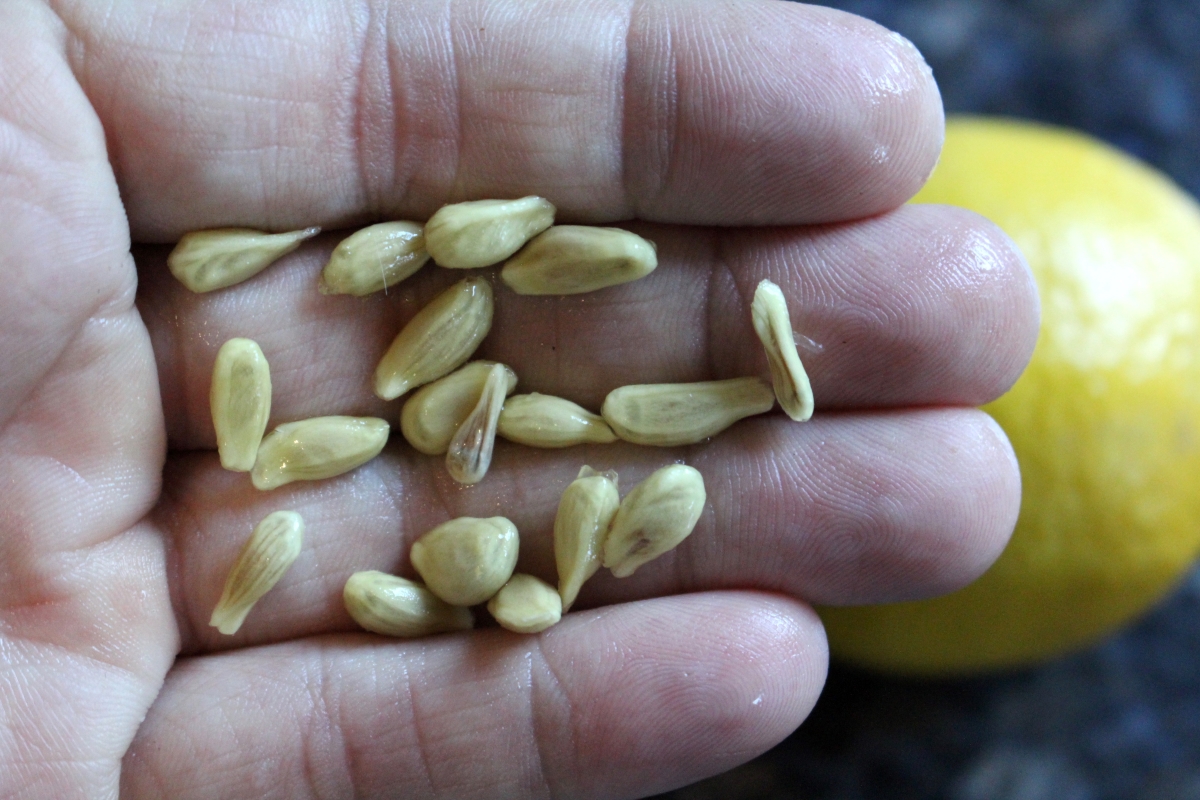
One important rule: don’t let the seeds dry out before planting. Unlike many garden seeds that you can store for years, lemon seeds lose viability quickly once they’re dry. Plant them while they’re still wet from rinsing, ideally within an hour of being pulled from the fruit. If something comes up and you can’t plant immediately, drop the rinsed seeds into a glass of water and refrigerate overnight, but get them in soil the next day.
How to Plant Lemon Seeds (Germination Step by Step)
Lemon seeds germinate best when planted directly into damp, sterile potting soil and kept warm and humid until they sprout. There’s no need to soak, scarify, or stratify the seeds, and the paper towel method that works for so many other seeds isn’t necessary here either.
Use a small pot with drainage holes and fill it with a pasteurized seed-starting mix. By “pasteurized” I just mean any commercially bagged potting soil or seed-starting mix, since those are heat-treated at the factory to kill off fungal spores and weed seeds. Garden soil scooped up from outside is not a good choice for seed starting because it’s full of pathogens that will happily go after tender seedlings, a lesson I cover in more detail in my guide to common seed starting mistakes.
You can plant several seeds in a single pot at this stage since you’ll be transplanting the strongest seedlings into individual containers later. Push each seed about half an inch into the soil, water gently so the soil is evenly moist but not soggy, and then cover the pot with plastic wrap or a clear dome to hold humidity in. The seeds need warmth more than light during germination, ideally somewhere around 70°F. The top of the refrigerator is a classic spot for this, and a heat mat designed for seed starting works beautifully too.
You should see the first seedlings poking through the soil anywhere from one to three weeks after planting, depending on temperature and seed freshness. As soon as you see green, take the plastic off and move the pot to a bright, warm spot. South-facing windows work well, and so do DIY grow lights if natural light is limited where you live. If you’re new to starting plants from seed in general, my beginner’s guide to seed starting walks through the basics that apply just as much to citrus as to tomatoes or peppers.
Transplanting Lemon Seedlings
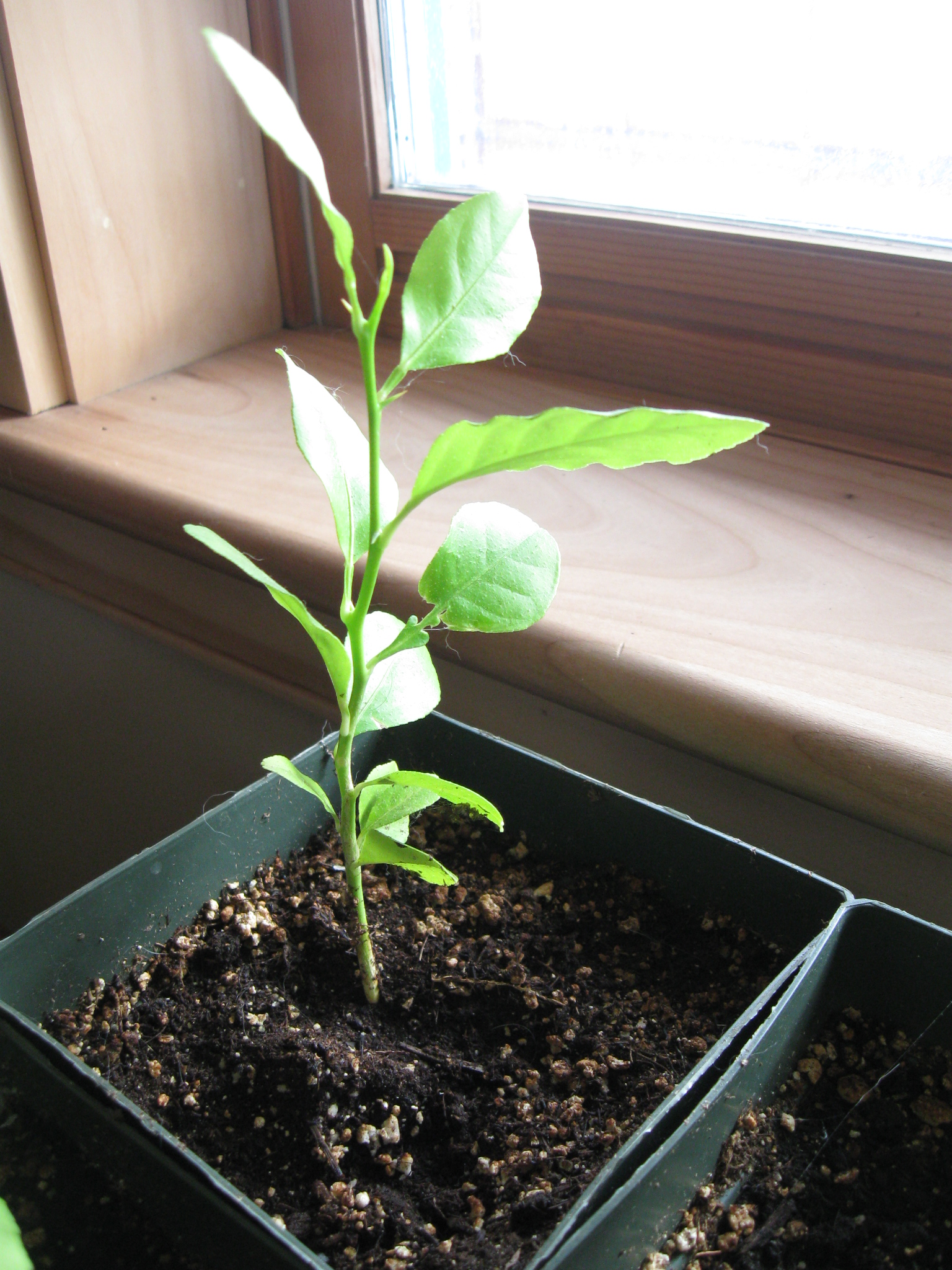
Once your seedlings have grown several true leaves and have a small but established root system, usually a couple of months after germination, it’s time to move them into their own pots. Use the same kind of pasteurized potting mix and choose a container that’s about four to six inches in diameter with good drainage holes. Bigger pots aren’t better at this stage, since young roots can struggle in too much soil that stays wet without enough roots to use the moisture.
To separate seedlings that are sharing a pot, water the soil thoroughly an hour before transplanting so it holds together, then gently tip the pot on its side and slide the whole root mass out. Tease the seedlings apart with your fingers, working as gently as you can, and try to keep as much soil clinging to each root system as possible. A bit of root damage is normal and the trees will bounce back, but treat them like you would a baby vegetable transplant.
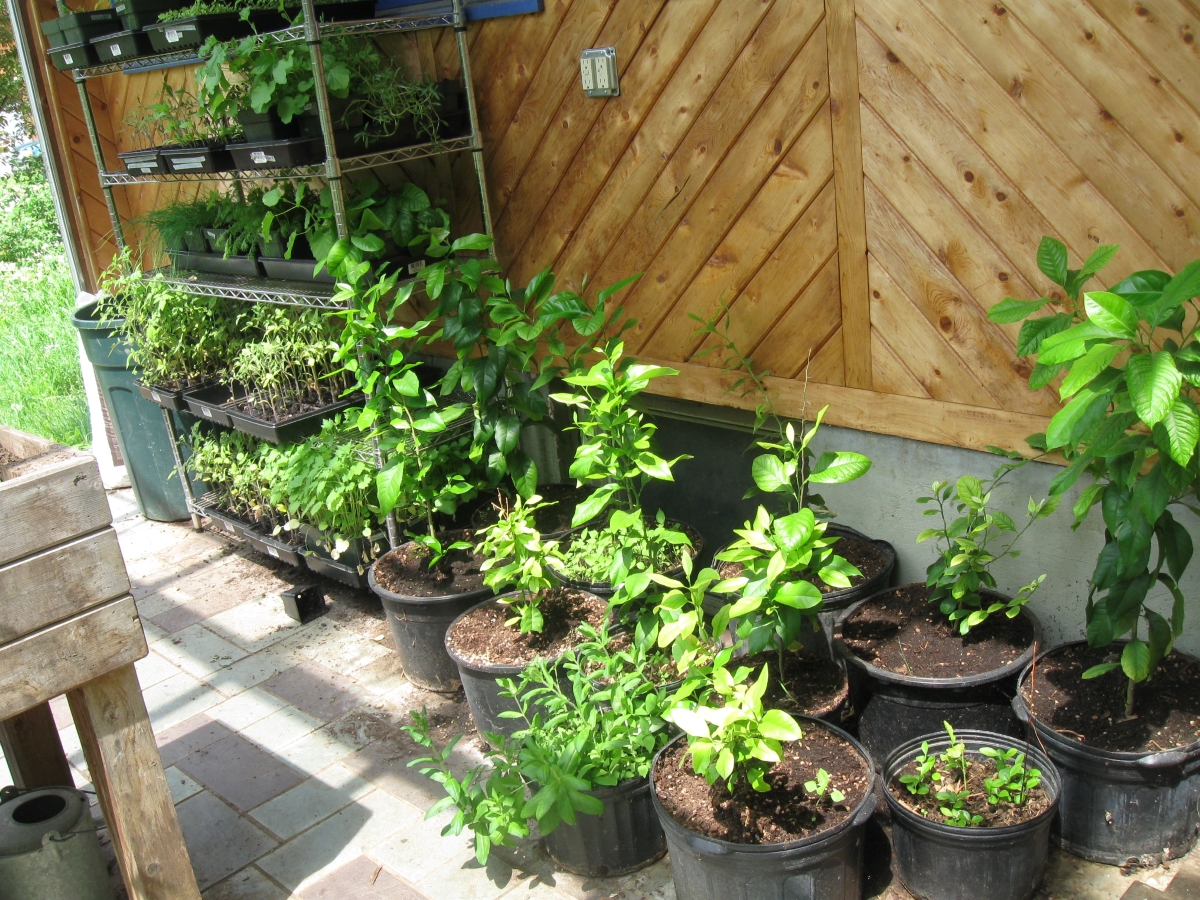
From here on, you’ll be repotting roughly every year or two, going up one or two pot sizes each time as the tree grows. A young tree might live in a one-gallon pot through year two or three, then graduate to a two-gallon for years three through five, and eventually settle into something in the five to ten-gallon range as a mature potted tree.
Caring for Indoor Lemon Trees
Once your seedlings are established in their individual pots, lemon tree care becomes pretty straightforward. The trees want as much direct sun as you can give them, ideally at least six hours per day, and indoor temperatures somewhere between 60 and 70°F. A south-facing window is the best home for an indoor lemon tree in the northern hemisphere, and a sun-room or attached greenhouse is even better.
Keep the soil consistently moist but never waterlogged. The simplest way to gauge this is to push a finger into the top of the soil up to your second knuckle. If the soil feels dry at that depth, water deeply until it runs out the drainage holes. If it still feels moist, wait another day or two. Lemon trees will tell you when they’re thirsty by drooping their leaves, and they bounce back quickly once watered, but consistent dryness over time will damage them.
Move your trees outdoors as soon as the danger of frost has passed in your area. Even if the warm months are short, the steady direct sun outside will do more for your trees than months of indoor light. Acclimate them gradually to the outdoors over a week or two so the leaves don’t burn, starting with a few hours in dappled shade and working up to full sun. The trees can stay outside until temperatures start dipping below 45°F at night in the fall.
Lemon Tree Hardiness
Lemon trees are typically hardy to USDA zone 9, which means they can handle the occasional light frost but won’t survive a real winter. Most lemon varieties take damage at temperatures below 32°F (0°C), and most can survive only down to about 28°F (-2°C) before suffering significant injury. A few hardier cultivars like Meyer lemon can sometimes make it as low as 22°F (-5°C), but it’s not a risk worth taking with a tree you’ve grown from seed and tended for years.
If you’re in zone 8 or colder, plan on growing your lemon trees in pots so you can move them indoors when frost threatens. The same approach works for other tender perennials I’ve grown indoors over the years, like the cacao tree I keep in a sunny window, the lemongrass I overwinter in pots, and the ginger I grow indoors year-round in cold climates. None of those will overwinter outside in Vermont, but all of them do beautifully as portable container plants.
Best Fertilizer for Indoor Lemon Trees
Lemon trees are heavy feeders during their active growing season. From early spring through early fall, feed them a water-soluble nitrogen and potassium-rich citrus fertilizer every two to four weeks, following the dilution rate on the package. Citrus-specific fertilizers usually include extra magnesium and trace minerals that lemon trees need to keep their leaves a healthy deep green.
The most common fertilizing mistake I see is people fertilizing lemon trees in winter, when the trees are indoors and not actively growing. People notice their tree dropping leaves in January, panic, and start watering more and feeding more, which is the opposite of what the tree wants. Winter leaf drop on an indoor citrus tree is usually a sign of dormancy and reduced light, not nutrient deficiency. Cut back the watering, stop fertilizing entirely until spring, and let the tree rest. It will perk right back up once the days lengthen and you start it back outside.
Winter Care for Indoor Lemon Trees
What winter care looks like depends entirely on where you live. If you’re in California, Florida, or anywhere else that doesn’t really do winter, your lemon trees can stay outside year-round with minimal intervention. The rest of us have to bring them in.
Here in Vermont, my lemon trees come into the greenhouse around the first frost in October and into the heated house when greenhouse temperatures start dropping below 40°F at night, usually sometime in late November or early December. They stay indoors for roughly four months, then move back to the greenhouse in late winter as soon as the days lengthen and the sun gets stronger. By May they’re back outside on the patio.
Indoors, place the trees in the brightest possible spot, ideally a south-facing window, and keep them away from heat vents and drafty doors. Reduce watering to roughly half of summer levels and stop fertilizing completely. Some leaf drop during this period is completely normal and not a cause for alarm. The tree is conserving energy through the dark months, and as long as the bark on the branches is still green and pliable, it’s alive and will recover.
Pruning and Pollinating Lemon Trees
Pruning is best done in late winter or early spring, just before the tree starts pushing new growth. The goals are to maintain a manageable size and shape, encourage branching on tall leggy growth, and remove anything dead, damaged, or crossing. Don’t take more than about a third of the tree’s overall canopy in any single pruning. If you’ve never pruned a fruit tree before, my guide to planting and caring for fruit trees covers the same general principles, and they translate well to potted citrus.
The thorns are the surprising thing about young citrus trees. Most lemon seedlings produce sharp green thorns along their stems, especially when young, and people often want to know if they should remove them. The thorns are a normal feature of juvenile citrus, and many trees lose them as they mature. You can clip them off without harming the tree if they’re a problem, but they’re not doing anything wrong, and removing them won’t speed up flowering or fruiting.
When your tree finally flowers, pollination becomes a question. Outdoors during the warm months, honeybees, mason bees, and other pollinators will handle the work for you. Indoors, you’ll need to hand-pollinate by transferring pollen from flower to flower with a soft paintbrush or cotton swab. Touch the brush to the yellow center of one open flower, then gently dab it onto the centers of several others. Don’t be discouraged if many of the early flowers drop off without setting fruit, as that’s normal in young trees and conditions improve as the tree matures.
Common Problems With Indoor Lemon Trees
The most frequent issue people run into when bringing lemon trees indoors is fungus gnats, those tiny black flies that swarm out of the soil every time you water. Gnats live in consistently damp soil and are almost always a symptom of overwatering. Let the top inch or two of soil dry out between waterings, and consider repotting your trees in fresh sterile soil before bringing them indoors for the season. That single step has saved my house from gnat infestations more than once.
Citrus scale and aphids can also become problems on indoor trees, especially during winter when there are no outdoor predators to keep them in check. Wipe the leaves down with soapy water every few weeks during the indoor months, and watch the undersides of leaves for sticky residue or small scale-like bumps. Catching pest problems early makes them much easier to manage.
Yellowing leaves usually mean either too much water (yellowing combined with dropping leaves and wet soil) or a nutrient issue, particularly nitrogen, magnesium, or iron. Adjust your watering first, then your feeding if the watering is on track.
Harvesting and Using Your Homegrown Lemons
Once a tree starts producing, individual lemons can take anywhere from four to nine months to ripen on the tree depending on the variety. Lemons are ready to harvest when the skin is firm, glossy, and fully colored, and the fruit is roughly two to three inches across. Twist gently or snip with pruners. A ripe lemon will release with very little resistance, and unripe ones will hold tight.
Cold-climate lemon harvests are always going to be modest compared to a backyard tree in southern California, but a handful of intensely flavorful homegrown lemons in the middle of winter is a real luxury. We use ours in cooking right away when possible and preserve the rest. There are more than 20 ways to preserve lemons, and most of them work just as well with a few homegrown lemons as with a bag from the store.
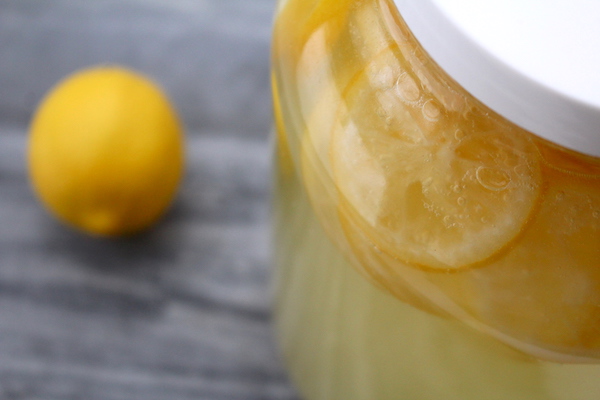
My favorite preservation projects for lemons are salt-preserved lemons (lemon confit), which keeps the flavor of fresh fruit for a year or more, and homemade limoncello, which uses only the bright yellow zest and turns it into the most fragrant Italian digestif you can imagine. Canning lemons three ways, canning lemon curd, and dehydrating lemons for tea and cooking are all good projects for larger harvests, and the seeds themselves can even be used to make natural citrus seed pectin for jam-making, so nothing has to go to waste.
Lemon Tree FAQs
Yes, with patience. Citrus is one of the few fruit crops that comes mostly true to type from seed because most varieties are polyembryonic. Seed-grown lemon trees typically take four to ten years to begin flowering and fruiting, compared to two to three years for grafted nursery trees. Once mature, a healthy seed-grown tree should continue to produce fruit for the rest of its life with proper care.
Lemon seeds can be planted anytime, but late winter or early spring is ideal because the seedlings will have the longest possible growing season ahead of them before their first dormancy. The most important rule is to plant the seeds while they’re still wet from the fruit, since dry lemon seeds lose viability quickly.
Yes, the same method works for all citrus, including oranges, limes, grapefruit, tangerines, and kumquats. Each species has its own juvenile period before fruiting, and like lemons, citrus seeds should be planted while still wet rather than dried and stored. Choose organic fruit when possible for the highest seed viability.
Yes, when the tree flowers indoors. Without bees or wind to move pollen between flowers, you’ll need to hand-pollinate using a small paintbrush or cotton swab, transferring pollen from the center of one open flower to several others. Trees that spend their summers outdoors during bloom will be pollinated naturally by bees and other insects.
Fungus gnats live in consistently damp soil, so the best prevention is to let the top inch or two of soil dry between waterings and to repot your tree in fresh sterile potting soil before bringing it indoors for the season. Reducing watering once the tree is inside, since indoor trees use far less water during their dormant period, also helps prevent gnats from establishing.
Most citrus trees produce sharp thorns along their stems, especially when young, and many trees lose them as they mature. The thorns are a natural feature and don’t need to be removed. You can clip them off without harming the tree if they’re in your way, but removing them won’t help the tree fruit any sooner or grow any faster.
More Seedling Growing Guides
If you tried growing lemon trees from seed, leave a ⭐ star rating on the how-to card and let me know how it went in the 📝 comments below!
And make sure you stay in touch with me by following on social media!

How to Grow a Lemon Tree From Seed
Equipment
- Small pot with drainage holes
- seed-starting mix
- larger 4-6 inch pot for transplanting
Ingredients
- 1 organic lemon, for seeds
- seed-starting mix
- water
- citrus fertilizer, for ongoing care
Instructions
- Cut a fresh organic lemon and remove the seeds carefully, avoiding cutting through them. Rinse the seeds under cool water to remove all pulp and sugar.
- Plant the wet seeds about 1/2 inch deep in pasteurized seed-starting mix in a small pot with drainage holes. Several seeds can share one pot at this stage.
- Water gently until the soil is evenly moist. Cover the pot with plastic wrap or a humidity dome to retain moisture.
- Place the pot in a warm location around 70°F. The top of the refrigerator or a seed-starting heat mat works well.
- Watch for sprouts in 1 to 3 weeks. As soon as seedlings emerge, remove the cover and move the pot to a bright south-facing window or under grow lights.
- Once seedlings have several true leaves, transplant each into its own 4-6 inch pot using fresh sterile potting mix.
- Keep soil consistently moist, provide at least 6 hours of direct sun daily, and move outdoors during frost-free months for fastest growth.
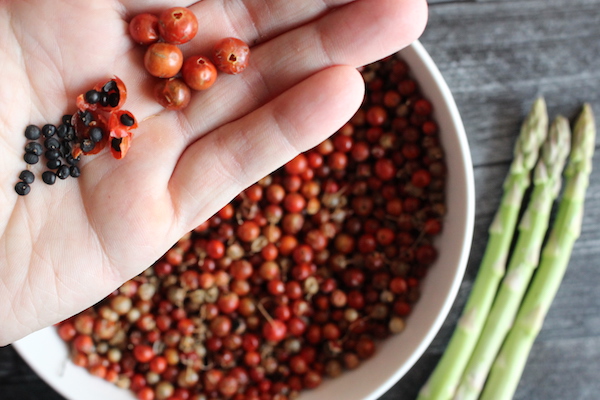
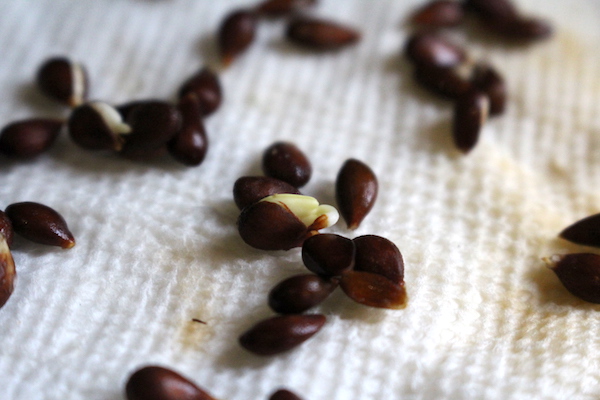
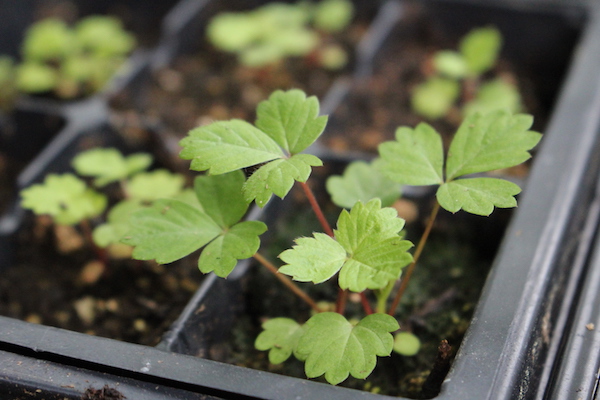
Once you’ve got your lemon seedlings going, you might want to try a few other long-game seed-starting projects. Growing strawberries from seed, growing rhubarb from seed, and growing asparagus from seed all take patience but pay off year after year, and knowing when to start seeds indoors is the key to getting a jump on the season.
Lemon Recipes and Preservation


Find the perfect guide
Searching for something else? Enter keywords to find the perfect guide!












Thank you so much Ashley Amanda.
You taught me very beautifully how to grow my own little lemon tree.
I was going to buy a lemon tree from Amazon for $25
but i
not need to buy that anymore because now with your help I know how to grow my own lemon tree
God bless you
Yake care of yourself
I love you so much
my name is MEHDI one of your fans forever
🌞🌹🌹💦💧
So glad the guide helped, Mehdi! There’s nothing quite like growing your own lemon tree from a seed instead of buying one. Good luck with yours, and happy growing!
How do I get my lemon tree grown from seed to branch? It just keeps getting taller.
If you snip off the very tip it will send out side shoots.