
Affiliate disclosure: This post may contain affiliate links. Please see our Privacy Policy.
Peach wine is a homemade country wine known for its smooth, sweet flavor and dangerously easy drinking. This golden wine captures the essence of ripe summer peaches in every sip, and it has been a backyard winemaking tradition across the South for generations.
Peaches are both sweet and acidic, which makes them ideal for winemaking since they bring natural sweetness and the bright acidity needed for a balanced wine.
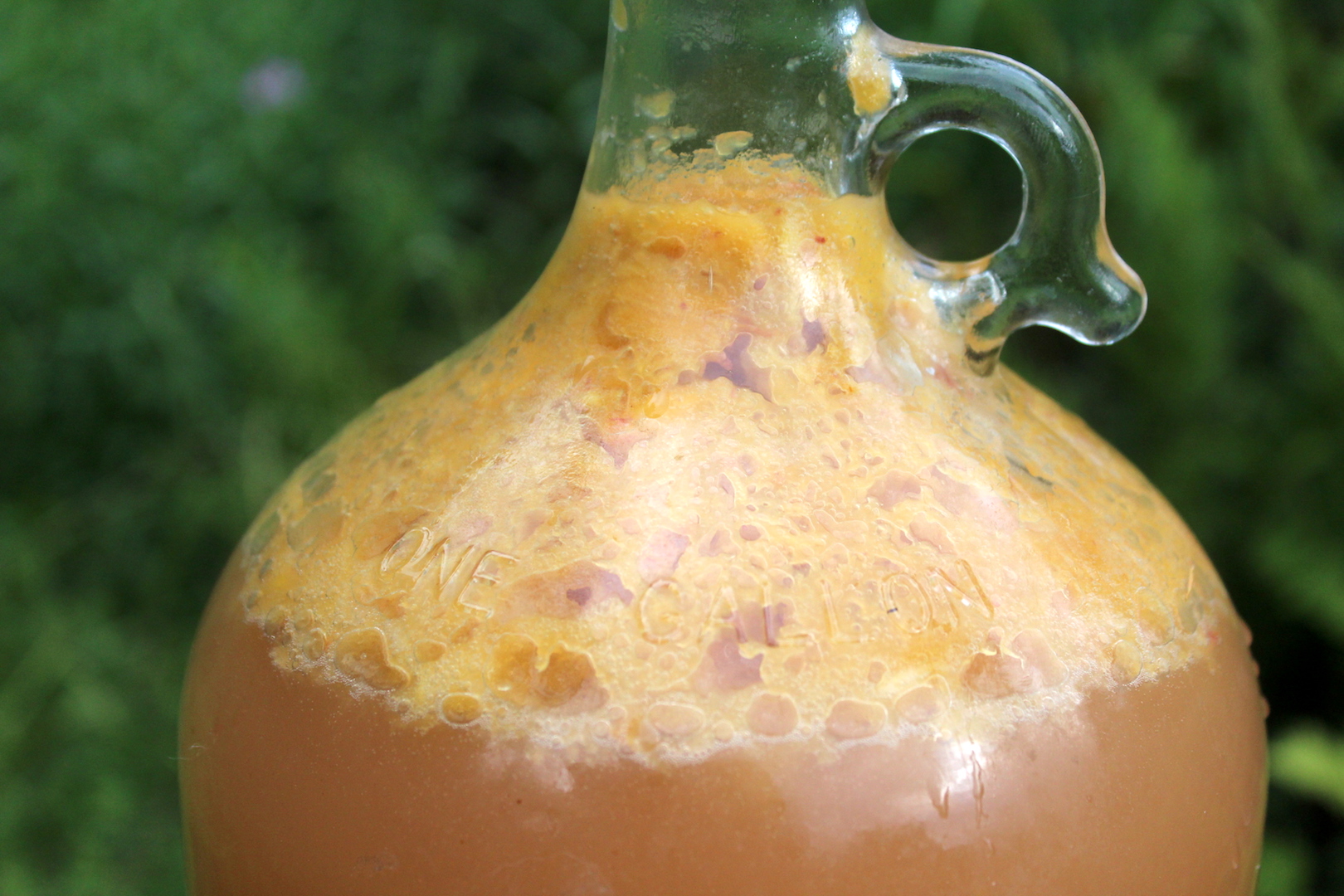
Table of Contents
- Notes from my Kitchen
- Ingredients for Peach Wine
- Equipment for Peach Wine
- How to Make Peach Wine
- Preparing the Peaches
- Extracting the Juice
- Mixing the Must
- Pitching the Yeast
- Primary Fermentation
- Racking to Secondary
- Bottling and Aging
- Tips for the Best Peach Wine
- Frequently Asked Questions
- Winemaking Recipes
- Peach Wine Recipe
- Peach Recipes
Homemade peach wine ferments into a beautiful pale gold wine with unmistakable stone fruit character. The flavor is round and fruity, with enough residual sweetness to highlight the peach without being cloying.
Unlike wines made from grapes that rely on the fruit being perfectly balanced on its own, peach wine uses winemaking ingredients to create that balance, which means even imperfect peaches can make an outstanding wine. You can also make a peach mead by substituting honey for the sugar, which adds gorgeous amber color and complex floral notes. For more on that process, see my guide on how to make mead.
When the peaches come in, our preservation kitchen goes into overdrive. Most of the harvest gets put up as canned peaches, peach pie filling, and peach jam. We even make peach scrap jelly from all the peels. But there is only so much jam and preserves my family can eat in a year, and this peach wine recipe is a great way to preserve a bumper crop in a bottle.
Notes from my Kitchen

A neighbor brought me a bottle of his homemade peach wine one summer, handing it over with a knowing look. “This one’s trouble,” he warned me. He was absolutely right. The wine was so smooth and easy drinking that the bottle was empty before I knew what had happened. It goes down like juice but carries a real punch, and so watch yourself.
The wine is good, really good, but you need to take care with this one. It might be too good. That first taste got me hooked on making my own peach wine, and now it is one of my favorite winemaking recipes to share. Just remember my neighbor’s warning when you crack open your first bottle.
I made my first ever peach wine using your instructions and bottled it last fall. We invited friends over for the official uncorking with peach cobbler for dessert. It was WONDERFUL! Everyone truly liked it. What a great dessert wine! I am already looking forward to harvesting our peaches from our peach tree and making my next batch!
Ingredients for Peach Wine
All country winemaking recipes aim to create a balanced fruit wine with enough residual sweetness to be enjoyable, enough acidity to add bright flavor, and enough tannin for good body and mouthfeel. Peaches bring natural sweetness and moderate acidity, so they need less adjustment than many fruits.
Here is what goes into a gallon batch of peach wine, along with explanations of why each winemaking ingredient matters:
- Fresh peaches (2-3 pounds per gallon) – Use ripe, fragrant peaches at peak sweetness. Slightly soft or bruised peaches are fine for wine since texture does not matter once they are fermented. The peaches are juiced using sugar extraction rather than a mechanical juicer, since peaches are too soft to juice cleanly and just turn into puree. Frozen peaches work well and actually help break down the cell walls for better juice extraction.
- Sugar (2-3 pounds per gallon) – Required to create enough alcohol and leave residual sweetness in the finished wine. Peaches are sweet but not nearly as sweet as wine grapes. Use 2 pounds for a drier wine or up to 3 pounds for a sweeter result. I usually go with 2 1/2 pounds, which is perfect for my tastes. The sugar also serves double duty by extracting juice from the peaches through osmosis. For peach mead, substitute 2-3 pounds of honey.
- Water – Creates the wine base and dilutes the concentrated juice. Use filtered or spring water if your tap water has a strong chlorine taste, as chlorine can inhibit yeast activity.
- Wine yeast – Different strains produce different flavors and alcohol levels. Yeast contribute flavor esters during fermentation that can enhance or complement the stone fruit character. See the yeast section below for strain recommendations. Never use bread yeast, which produces off-flavors and dies at low alcohol levels.
- Yeast nutrient – Yeast cannot live on sugar alone and need nitrogen and other nutrients to thrive. You can substitute a quarter cup of golden raisins (sultanas), but powdered yeast nutrient gives more consistent results. If using raisins, they will float and must be filtered out before secondary to prevent mold.
- Acid blend – Peaches have moderate natural acidity, so you need less acid blend than many fruit wines but still benefit from a small addition to create the proper pH for fermentation. Use about 2 teaspoons per gallon, or substitute 2 tablespoons of fresh lemon juice.
- Pectic enzyme (optional but recommended) – Breaks down the natural pectin in peaches that would otherwise cloud the wine. Pectic enzyme helps the wine clear more easily and reduces the number of rackings needed. Use about 1/2 teaspoon per gallon.
- Tannin – Peaches have very little natural tannin, so without adding some the wine can taste thin and lack body. A small amount of tannin powder (about 1/8 teaspoon per gallon) adds structure and mouthfeel. You can substitute one cup of strongly brewed black tea, cooled before adding.
Yeast for Peach Wine
The yeast strain you choose has a significant impact on the finished flavor and character of your peach wine. Yeast contribute flavor esters as they ferment, and alcohol tolerance determines both final alcohol percentage and residual sweetness. Good options for peach wine:
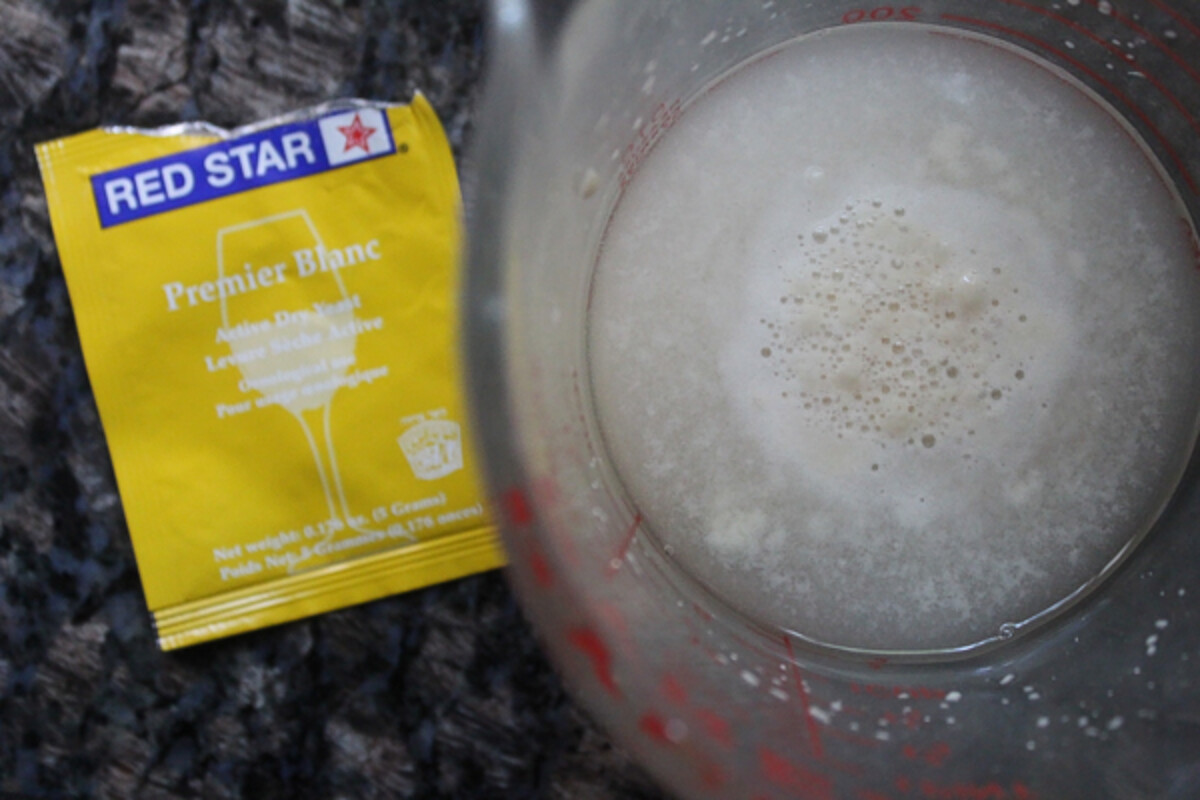
- Red Star Premier Blanc – My top recommendation for peach wine. Formerly called champagne yeast, this strain has high alcohol tolerance and produces tiny bubbles in the finished wine. Very reliable fermenter that is often used to restart stuck fermentations, making it a great choice for beginners.
- Lalvin ICV-D47 – Enhances fruity and floral characteristics, which complements the stone fruit flavor of peaches beautifully. Alcohol tolerance around 14-15%.
- Lalvin QA23 – Produces clean, crisp fruit wines with excellent clarity. Good choice if you prefer a lighter, more refreshing style. Alcohol tolerance around 16%.
- Lalvin EC-1118 – Champagne yeast for a dryer, higher alcohol peach wine. Very strong fermenter that powers through difficult conditions. Alcohol tolerance up to 18%.
One packet treats 5 gallons of wine. For smaller batches, use about 1 teaspoon per gallon, or use the whole packet since wine yeast does not keep well once opened. Never use bread yeast, as it will make your wine taste like bread and dies out when the alcohol level reaches only 2-3%.
Equipment for Peach Wine
In addition to ingredients, you will need some basic winemaking equipment:
- Wide-mouth gallon jar or fermentation vessel (for primary fermentation)
- Narrow-neck glass carboy with airlock (for secondary fermentation)
- Fine mesh strainer
- Auto-siphon or racking cane with tubing
- Wine bottles and corks
- Double lever hand corker (or use flip-top Grolsch bottles instead)
- Brewing sanitizer
Having a second carboy makes racking much easier since you can siphon back and forth between them. An auto-siphon is worth the investment if you plan to make more than one batch of wine in your lifetime.
How to Make Peach Wine
The process follows the same basic method as any small-batch fruit wine, with one important difference: peaches are juiced using sugar extraction rather than a mechanical juicer. Peaches are too soft to juice cleanly and just turn into puree, but sugar pulls the juice right out through osmosis. I learned this technique making rhubarb wine and it works beautifully for peaches. If you are new to winemaking, read through my beginner’s guide to making homemade wine first.
Preparing the Peaches
Wash the peaches well, then chop them into small pieces. You can leave the skins on since they add color and flavor and will be strained out later. Remove the pits, as they can add bitter almond flavors if left in. Place the chopped peaches in a large bowl or half-gallon mason jar.
Extracting the Juice
Pour the sugar directly over the chopped peaches. It will look absurd at first, with the peaches practically buried in sugar, but trust the process. Stir every few minutes.
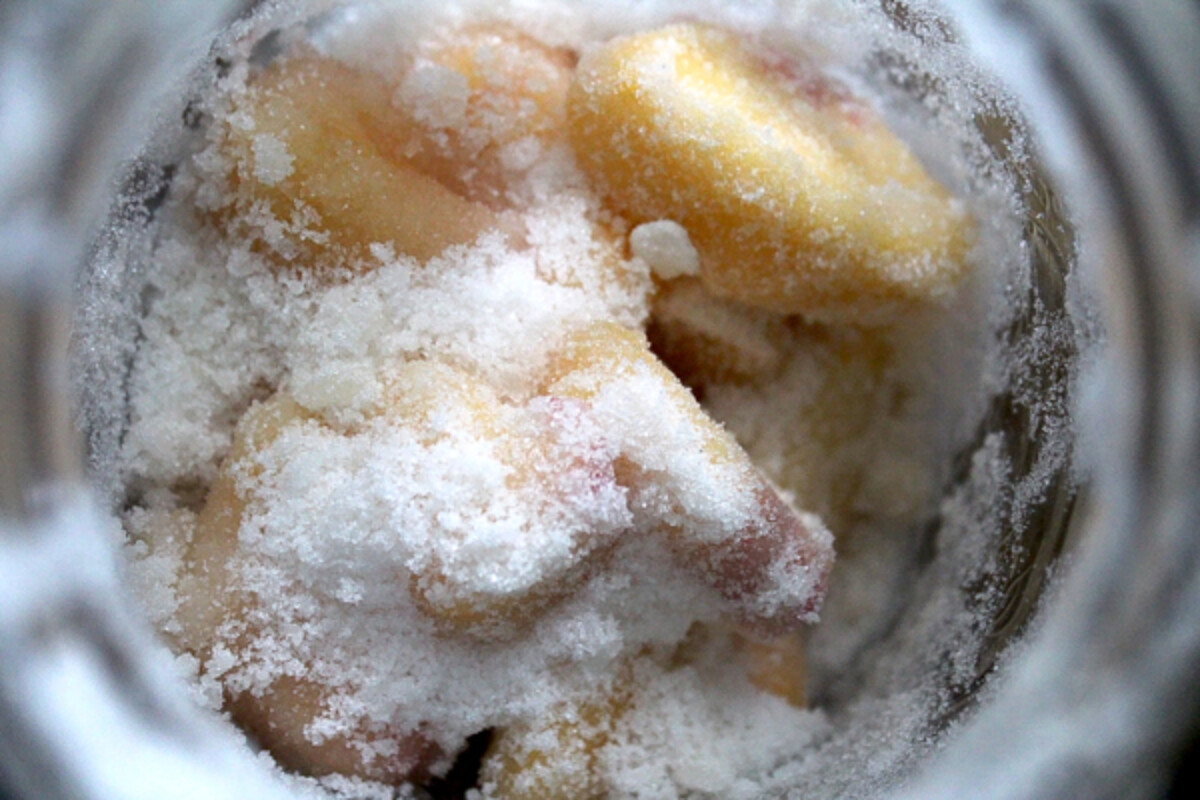
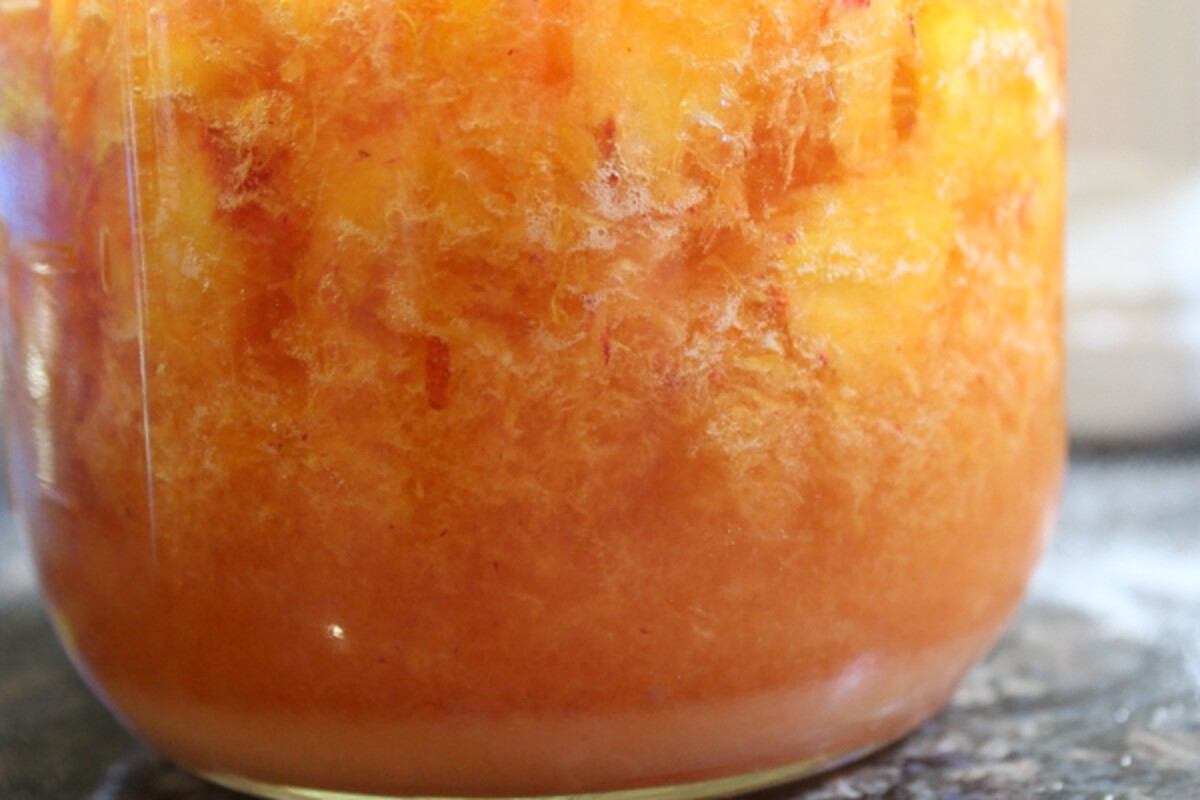
Within an hour or two, the sugar will have completely dissolved and pulled out a surprising amount of juice from the peaches. The fruit cells break down and release their liquid through osmosis, creating a sugar-sweetened peach juice perfect for fermentation.
Mixing the Must
Strain the peach juice into your fermentation vessel through a fine mesh strainer, leaving the pulp behind. Rinse the pulp with a little water to extract any remaining sugar and juice, and add that liquid to the fermenter as well. Add the acid blend (or lemon juice), tannin (or strong black tea, cooled), yeast nutrient (or raisins), and pectic enzyme if using. Fill with water to within a few inches of the top.
Pitching the Yeast
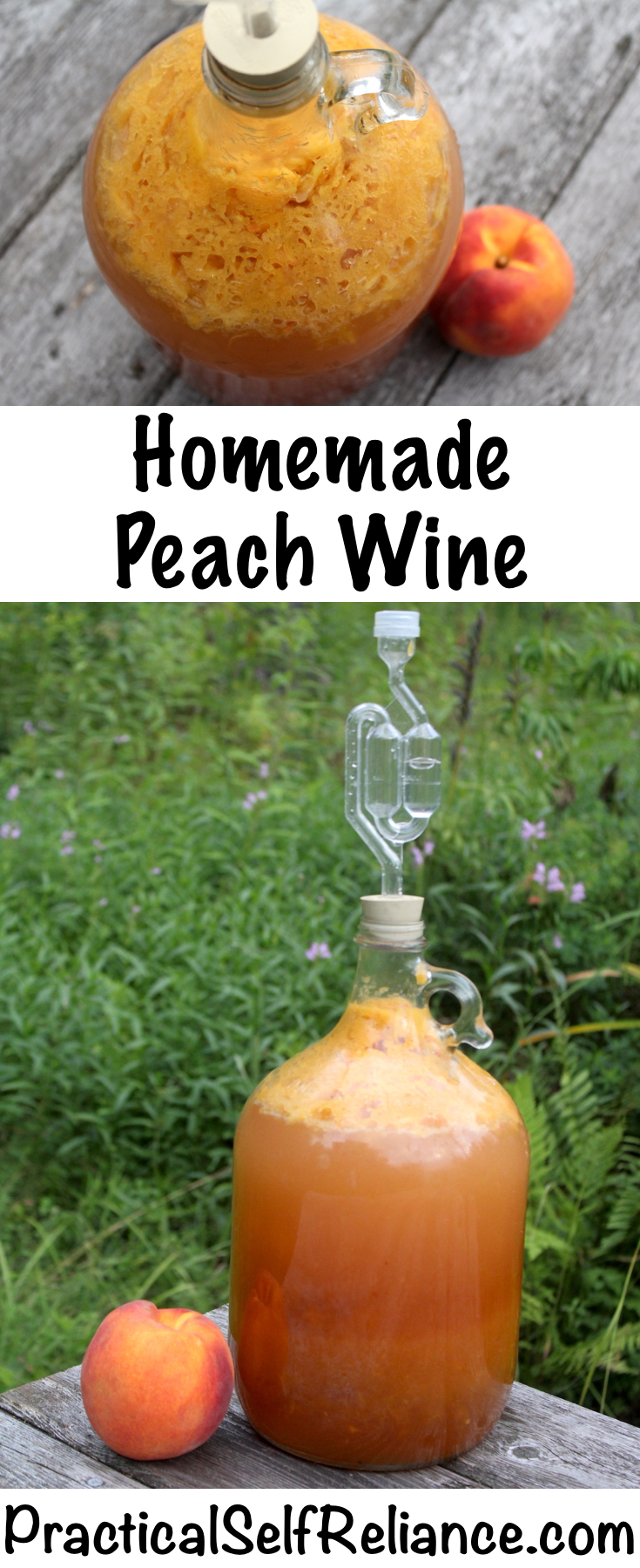
Rehydrate the wine yeast by dissolving it in about a quarter cup of lukewarm water and letting it sit for 5-10 minutes. The yeast granules are hibernating, and throwing them directly into a sugary solution before allowing them to rehydrate can shock them. Pour the activated yeast into your must and give everything a good stir or shake. Cap with a rubber stopper and airlock.
Primary Fermentation
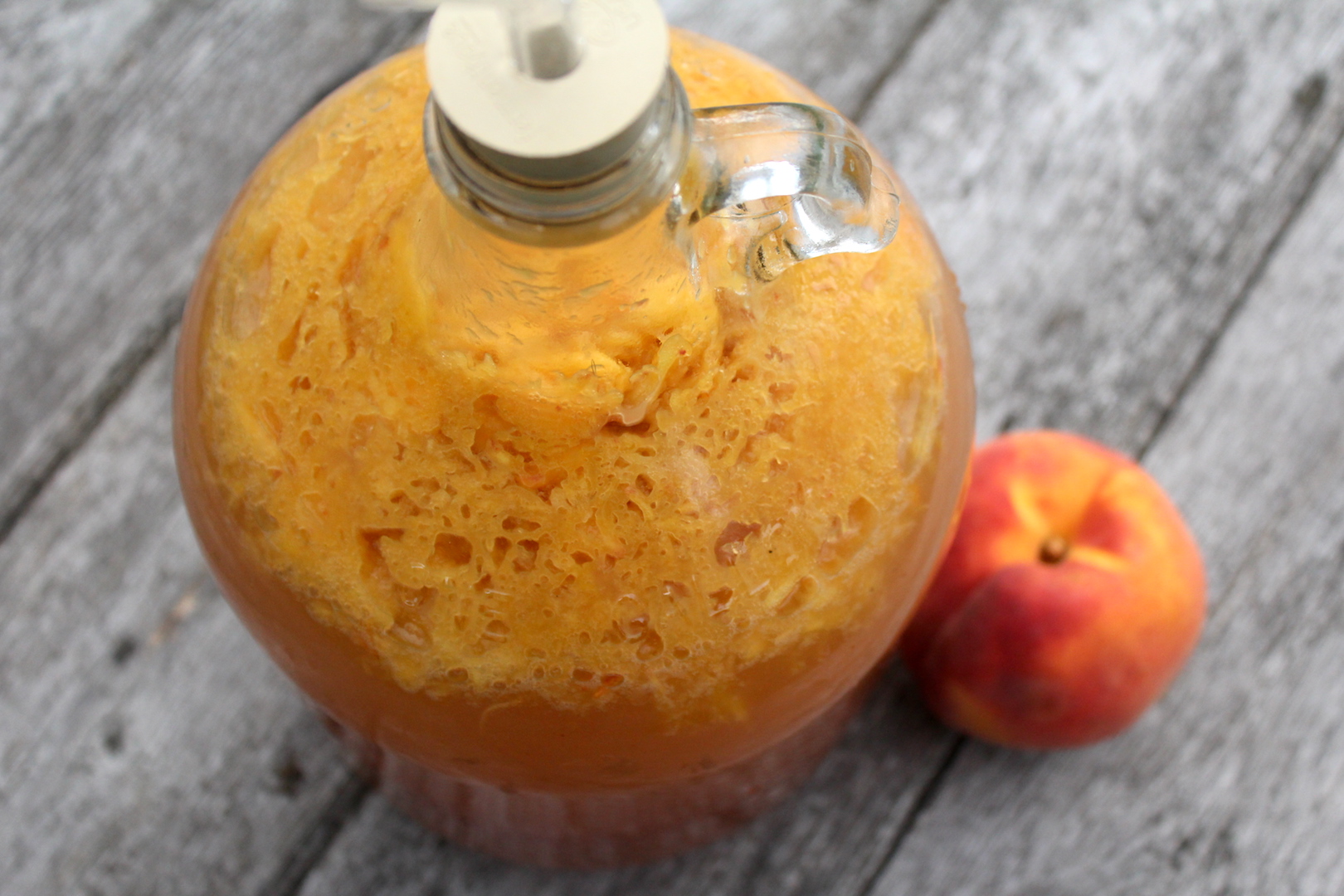
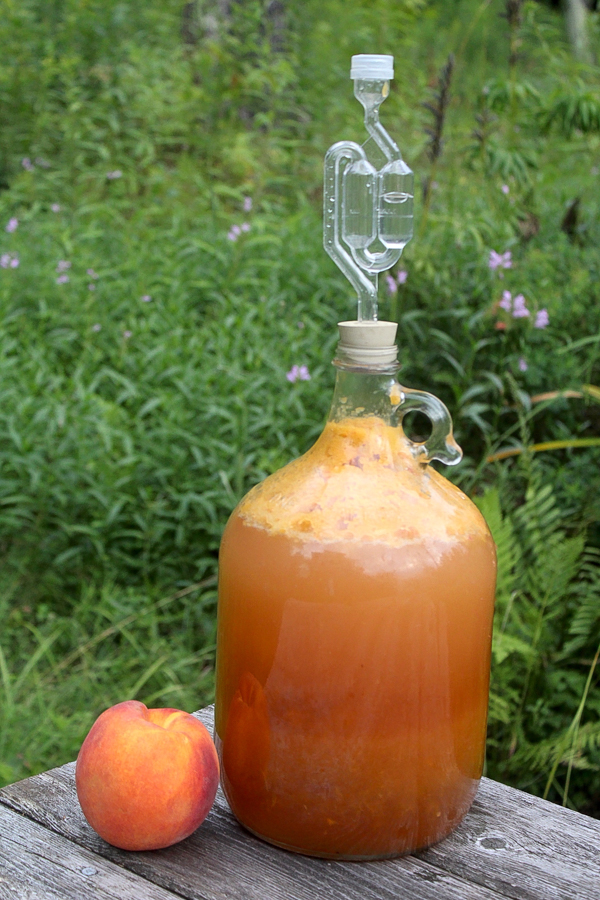
Within 24 to 48 hours, fermentation should be going strong. The airlock will be burping almost continuously as the yeast produce carbon dioxide. Primary fermentation lasts about 10-14 days, until the most vigorous bubbling slows down significantly.
Racking to Secondary
When primary fermentation slows, use your auto-siphon to transfer the wine into a clean carboy, leaving all the sediment behind. If any peach pulp made it into the fermenter, strain it out now since anything above the waterline can mold over time. Fill to within a few inches of the top with clean water if needed, cap with an airlock, and store in a cool, dark place.
Allow the wine to ferment in secondary for at least 6 weeks, though 3-6 months produces a much better wine. More time in secondary allows the wine to clear and the flavors to mellow. Rack again if significant sediment accumulates.
Bottling and Aging
At bottling time, taste the wine once fermentation is completely finished and the wine is clear and stable. If the balance is to your liking, siphon it into clean, sanitized bottles, leaving any sediment behind, and cork.
If you prefer a sweeter wine, stabilize first with 1 crushed Campden tablet and 1/2 teaspoon potassium sorbate per gallon. Stir well, wait about 24 hours, and then add sugar syrup to taste before bottling. Do not backsweeten an unstabilized wine, as residual yeast can restart fermentation in the bottle.
Allow peach wine to bottle age for at least 3 months before drinking, though 6 to 12 months is better for the best flavor. Like most fruit wines, it mellows and improves noticeably with age.
Tips for the Best Peach Wine
- Use ripe, fragrant peaches. The better the peaches smell, the better your wine will taste. Slightly soft or bruised peaches are fine since texture does not matter once fermented.
- Filter out the pulp. Strain the juice through a fine mesh strainer and leave the pulp behind. Pulp in the fermenter can float above the waterline and develop mold over long fermentation times.
- Choose your sweetness level. Use 2 pounds of sugar for a drier wine or up to 3 pounds for a sweeter result. You can always backsweeten after fermentation if it is too dry.
- Be patient with aging. Peach wine is drinkable young, but the flavors really harmonize after 6 months to a year of bottle aging. Make a big batch so you have bottles to open along the way and some to save.
- Try a peach mead. Substitute 2-3 pounds of honey for the sugar to make a gorgeous peach melomel. The honey adds complexity and pairs wonderfully with the stone fruit flavor.
- Blend with other stone fruits. Peach wine blends beautifully with apricot wine or cherry wine for added complexity.
Frequently Asked Questions
Use 2 pounds of sugar per gallon for a drier wine or up to 3 pounds for a sweeter result. The exact sweetness depends on your yeast strain’s alcohol tolerance since yeast with higher tolerance will consume more sugar. If your finished wine is too dry, you can stabilize and backsweeten before bottling.
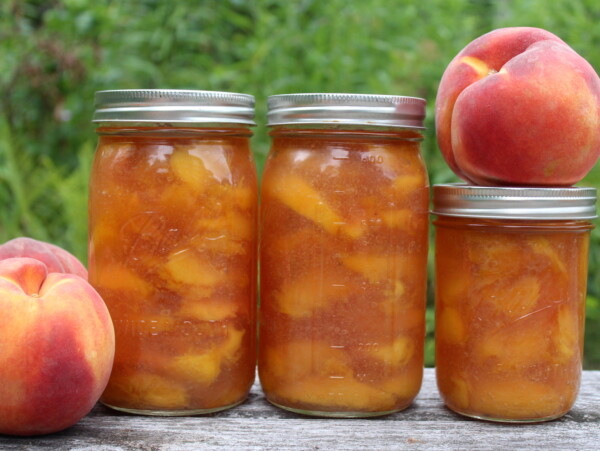
Yes, you can use canned peaches for wine. Use the fruit and the juice from the can. Canned peaches in light syrup work well, and you may want to reduce the sugar slightly since the syrup adds sweetness. Home-canned peaches work great too. Fresh or frozen peaches produce the best flavor, but canned will work in a pinch.
Sometimes fermentation happens faster than expected, especially in warm conditions. The yeast are still working even when you cannot see vigorous bubbling. Proceed with the recipe, racking to secondary and allowing the wine to ferment slowly for at least 6 weeks. There is no need to add more yeast unless fermentation completely stalls for weeks with no activity at all.
No, you can leave the skins on. They add color and flavor to the wine and will be strained out when you rack to secondary. Some winemakers prefer to peel the peaches for a lighter colored wine, but it is not necessary.
Peach wine is technically drinkable after bottling, but it improves dramatically with age. Allow at least 1 month of bottle conditioning, though 6 months to a year produces a much smoother, more refined wine. The sharp edges mellow and the peach flavor becomes more integrated over time.
Winemaking Recipes
If you tried this Peach Wine recipe, or any other recipe on Practical Self Reliance, leave a ⭐ star rating and let me know what you think in the 📝 comments below!
And make sure you stay in touch with me by following on social media!
Peach Wine
Ingredients
- 3 lbs Peaches, chopped
- 2 1/2 lbs Sugar
- 1/8 tsp Tannin Powder
- 2 tsp Acid Blend
- 1 tsp Yeast Nutrient
- 1/2 tsp Pectic Enzyme, optional, for clarity
- 1 packet Wine Yeast, See Notes
Instructions
- Prepare the fruit: Wash the peaches, remove the pits, and chop the fruit. You can leave the skins on, as they help add color and flavor to the finished wine.
- Make the must: Place the chopped peaches in a primary fermenter and pour in enough boiling water to help break down the fruit. Stir in the sugar until fully dissolved, then add the remaining water to bring the batch up to the proper volume.
- Add the winemaking additives: Once the mixture has cooled to room temperature, stir in the acid blend, tannin, yeast nutrient, and pectic enzyme. Mix well to distribute everything evenly.
- Pitch the yeast: Sprinkle the wine yeast over the top of the must, or rehydrate it first according to the packet instructions if your yeast recommends that method.
- Primary fermentation: Cover the fermenter with a towel or fit it with a lid and airlock, and let the wine ferment in primary for about 5 to 7 days. Stir daily, pushing the fruit back down into the liquid to keep it moist and extract flavor.
- Strain and transfer: After the vigorous primary fermentation slows, strain out the fruit solids and transfer the liquid to a clean one-gallon glass fermenter. Top up with water if needed so there is minimal headspace, then attach an airlock.
- Secondary fermentation: Let the wine ferment in secondary for about 4 to 6 weeks, or until fermentation is mostly complete and sediment has settled to the bottom.
- Rack as needed: Siphon the wine off the sediment into a clean container. If more sediment forms, rack again until the wine is reasonably clear.
- Bottle and age: Once fermentation is fully finished and the wine is clear and stable, bottle it. Age for at least 3 months before drinking, though longer aging will usually improve the flavor.
Notes
- 2 tsp Acid Blend = 2 tablespoons fresh lemon juice
- 1/8 tsp Tannin Powder = 1 cup strongly brewed black tea, cooled
- 1 tsp Yeast Nutrient = 1/4 cup golden raisins (must be filtered out before secondary)
Nutrition
Nutrition information is automatically calculated, so should only be used as an approximation.
Peach Recipes
Peach wine is just one of many delicious stone fruit wines you can make at home. For more winemaking inspiration, browse my collection of 50+ winemaking recipes or explore 50+ mead recipes for honey wine variations.
Other stone fruit wines to try include apricot wine, cherry wine, and plum wine. If you are looking for other easy fruit wines, try apple wine or blueberry wine.
Find the perfect recipe
Searching for something else? Enter keywords to find the perfect recipe!










Sounds promising, I am going to try that. I got a lot of peaches and nectarines, I have no idea what to do with them (there are no jam eaters in my family), so I’ll try making peach and nectarine wine instead. I didn’t even know it’s possible,
This one’s so good too!
Hi Ashley. I have 5 quarts of canned peaches dated 2014 and 2016. And would like to make wine from them. Is it possible?
Yup, that’s totally fine. Making wine from canned fruit works just fine. Use the juice as well as the whole fruit. Often there’s a bit of sugar in the peaches when canned, so you could decrease the sugar by a bit, but not much, or just leave it as is. Unless they’re canned in heavy syrup, there’s not all that much actual sugar in those jars. Enjoy!
Would it work if I make the fruit sugar mix it boil it cool it then freeze it to start the wines at a later date?
You can mix the fruit and sugar, and then freeze. That’ll work fine. I don’t recommend boiling it though, as cooking the fruit really dramatically changes the flavor. You really want fresh fruit (or frozen fruit) rather than cooked fruit for wine.
My peach wine only bubbled for 5 days. Do i need to add more yeast
Sometimes the fermentation goes faster than others, but no, you don’t need to add more yeast. They’re still in their working, they’re just slowing down so it’s harder to see now. Rack the wine to a clean container, leaving sediment and peach chunks behind. In secondary, it won’t look like it’s doing much, but it still is fermenting slowly and needs that time. Enjoy!
I did exactly to recipe x3..the bubbling was sluggish and only lasted 5 days then stopped..the last batch of wine i did was more active..i used bread yeast for that one but wine yeast 3 pks for this one..am i doing something wrong? Pls help..do i need to add more yeast
Nope, no need to add more yeast. Sometimes it just ferments faster than others, and that’s totally normal. Just continue with the recipe, it is still fermenting, just not as visibly.
Just made 3 gallons of peach wine using your guidance. I love the fact that you taught what to use in place of the Chemicals. Will try to write again in a year to let you know if it turned out alright. Thank you
Wonderful, I really hope you enjoy it!