
Affiliate disclosure: This post may contain affiliate links. Please see our Privacy Policy.
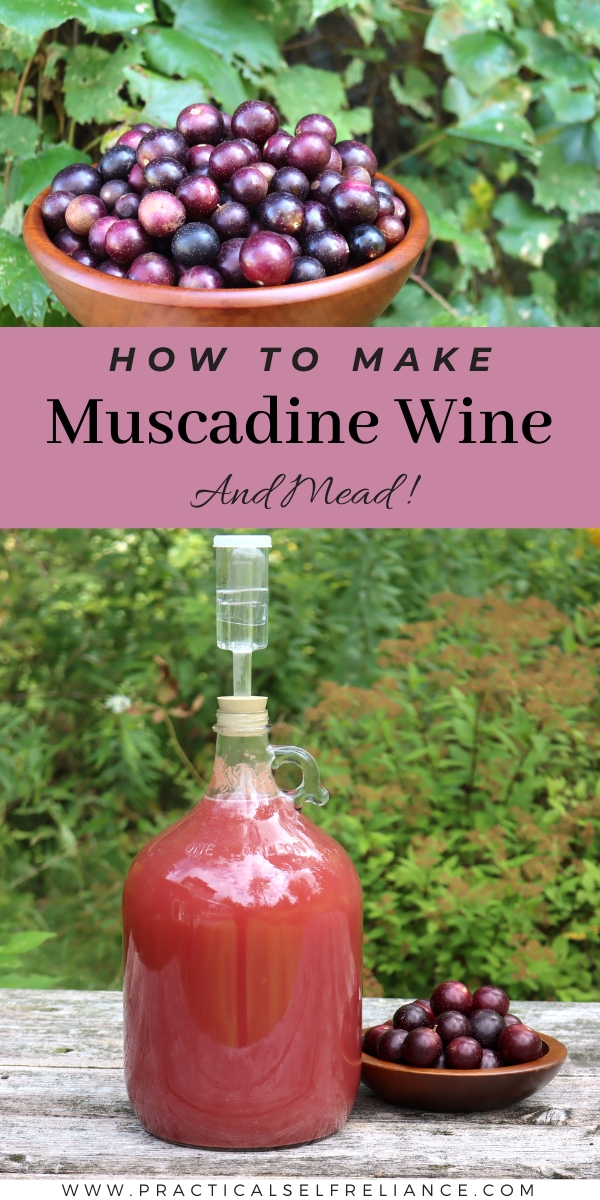
Muscadine wine recipe for a small-batch Southern country wine made from fresh or frozen muscadine or scuppernong grapes. This one-gallon batch uses just the fruit, sugar, and a few standard winemaking additives to produce a sweet, full-bodied wine with deep color and plenty of natural tannin. Use honey instead of sugar to make muscadine mead (also called pyment) using the same method.
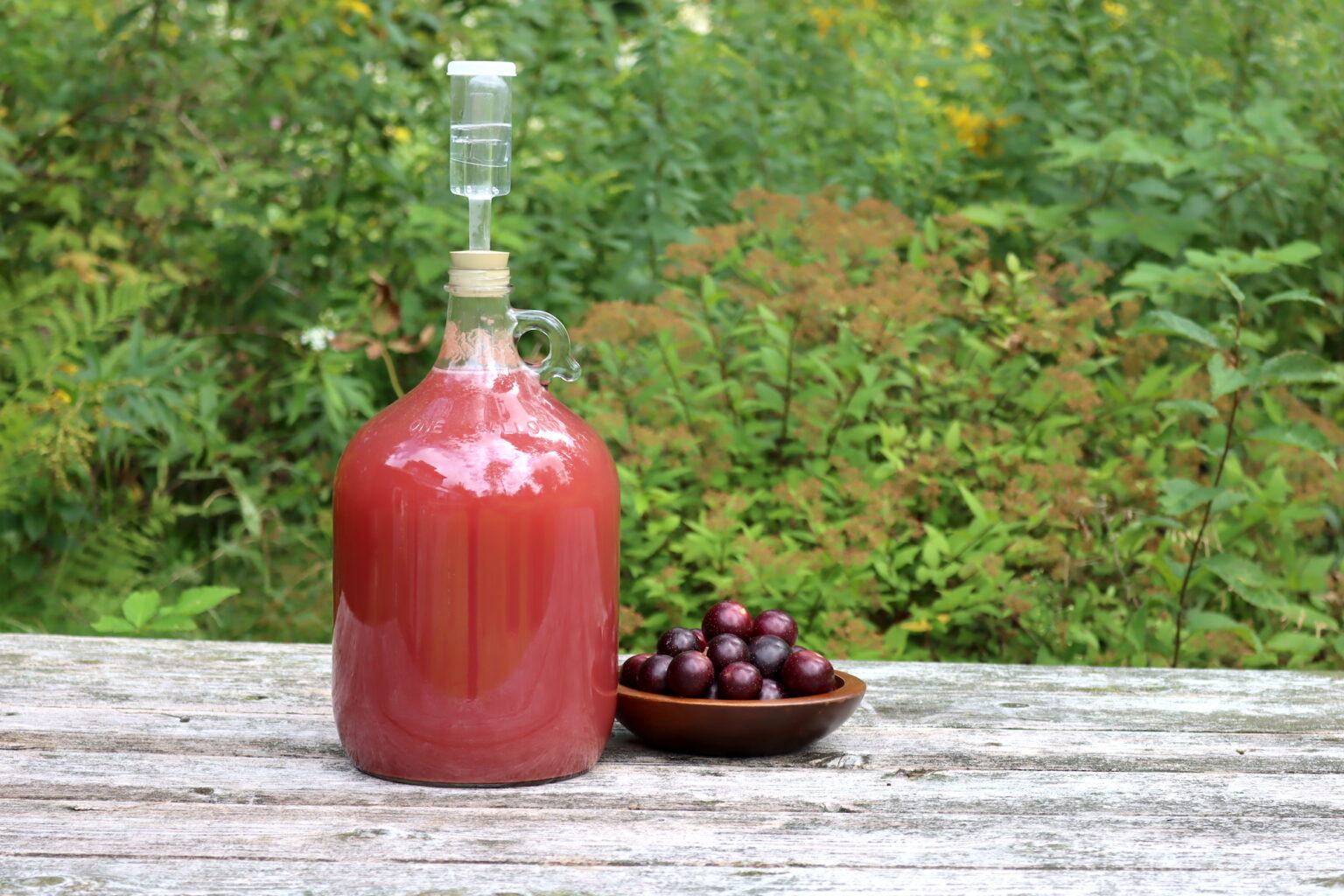
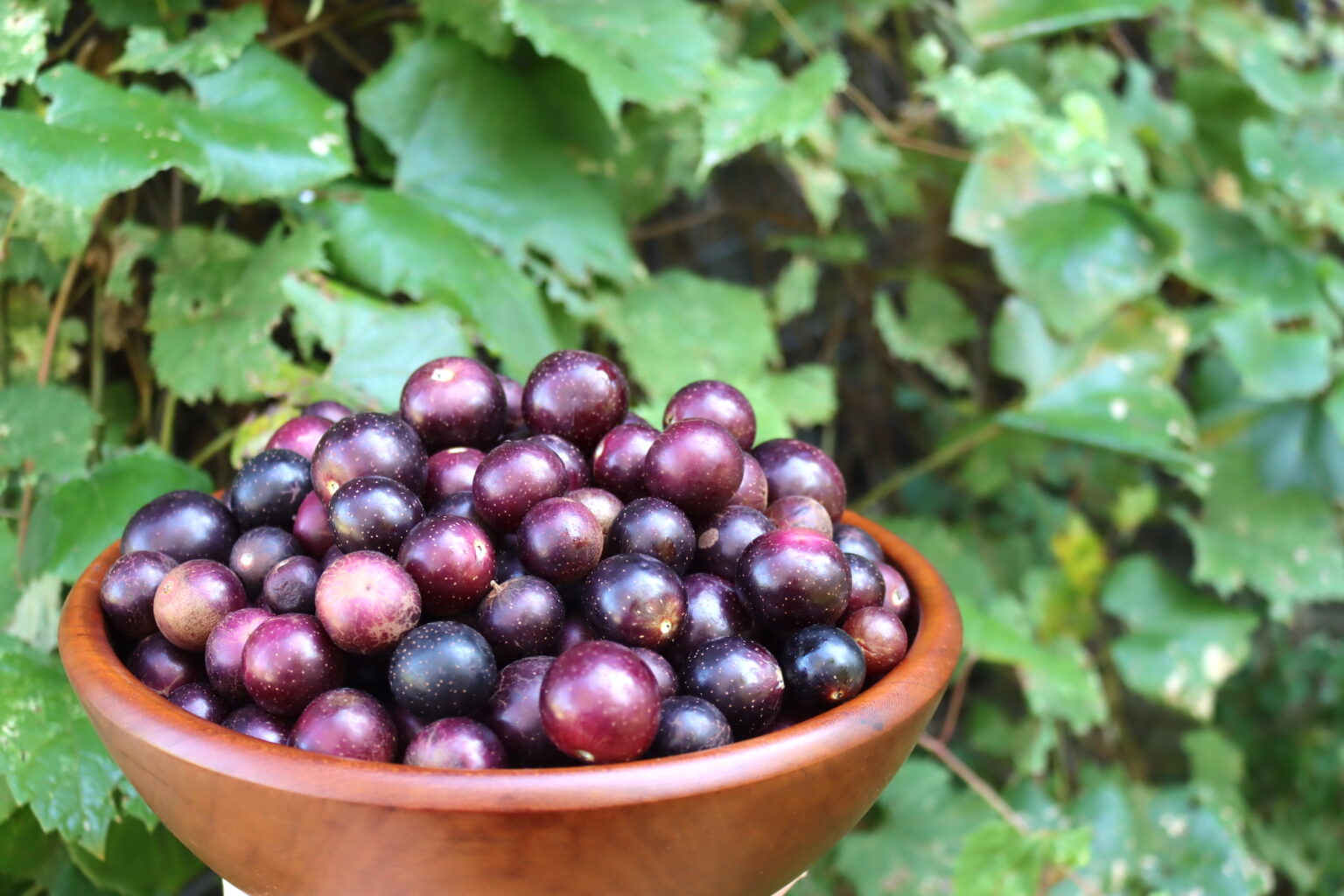
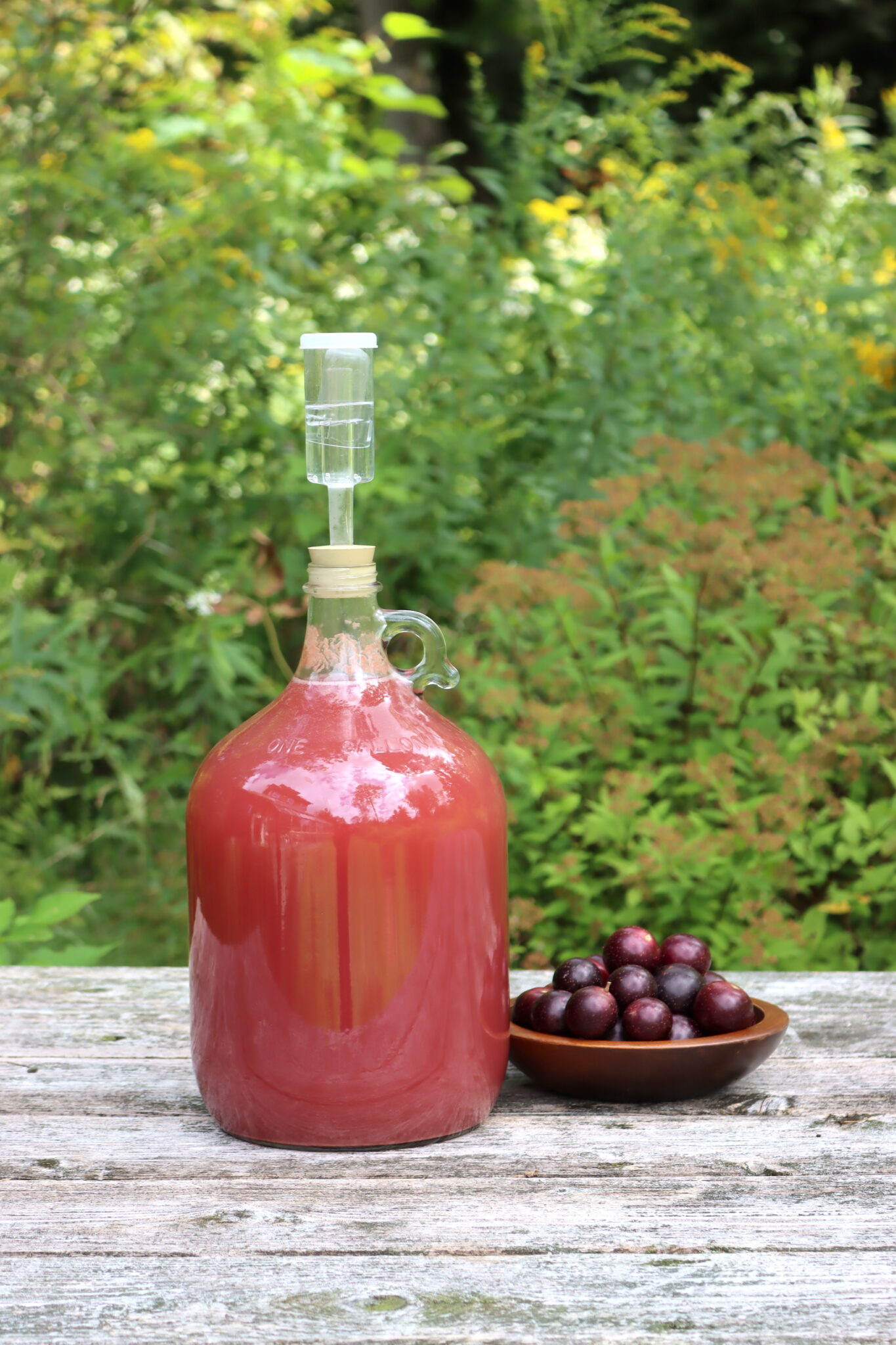
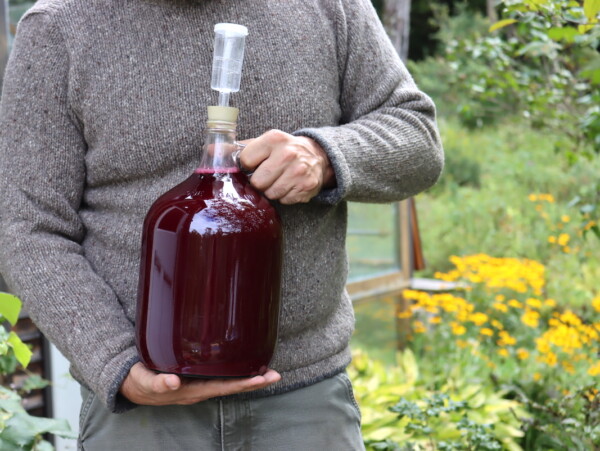
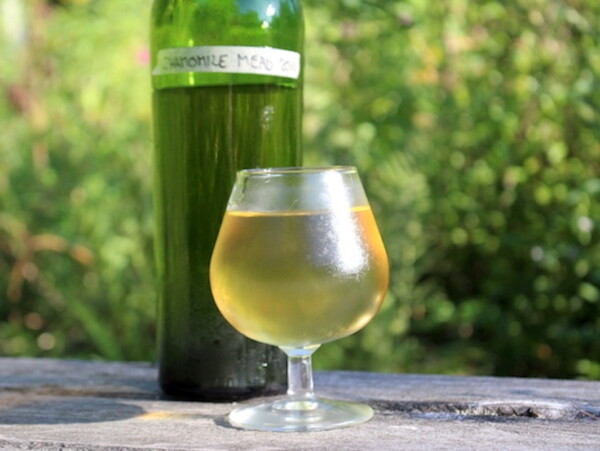
The finished wine takes on a deep ruby color when made with dark-skinned muscadines, or a pale golden hue when made with scuppernongs. Muscadines bring high natural tannin, plenty of fruit acid, and a distinctive flavor that mellows beautifully through fermentation. The result is a wine with more body and structure than most home-fermented fruit wines, and it ages well for a year or longer in the bottle.
Muscadines (Vitis rotundifolia) are native to the southeastern United States, and they thrive in warm humid climates that would scorch European wine grapes. Whether you have access to wild vines, a backyard arbor, or frozen fruit shipped in from a Southern grower, muscadines have plenty of uses beyond wine. If you don’t want to commit a few months to fermentation, muscadine juice, muscadine jelly, and muscadine jam are all great ways to preserve a harvest.
Notes from my Kitchen

Muscadines don’t grow up here in Vermont, so this is one of those country wines that tastes a bit exotic. When I found them for sale at out local produce coop, I knew I just had to make it. The first time I tried it I was prepared for the wine to taste overwhelmingly musky. The variety name is no accident, and muscadines eaten fresh have a flavor that takes some getting used to. But fermentation does something almost magical to the fruit, softening that musk into a deep, complex character that I absolutely love.
What surprised me most about this wine is how much body it has compared to the country wines I’m used to making. Wild grape wine from our Vermont vines comes out lighter and more delicate, while muscadine wine has the kind of tannin and structure you don’t usually see in home-fermented fruit wine. It ages beautifully too. Give it at least six months in the bottle before opening, and a full year if you can hold off.
Ingredients for Muscadine Wine
All country winemaking recipes aim to create a balanced fruit wine with enough residual sweetness to be tasty, enough acidity to add bright flavor, and enough tannin for good body and mouthfeel. The fruit brings some of these things, and the other winemaking ingredients balance what the fruit lacks. Muscadines are unusual in that they bring almost everything to the table on their own, so this recipe uses a fairly minimal additive list.
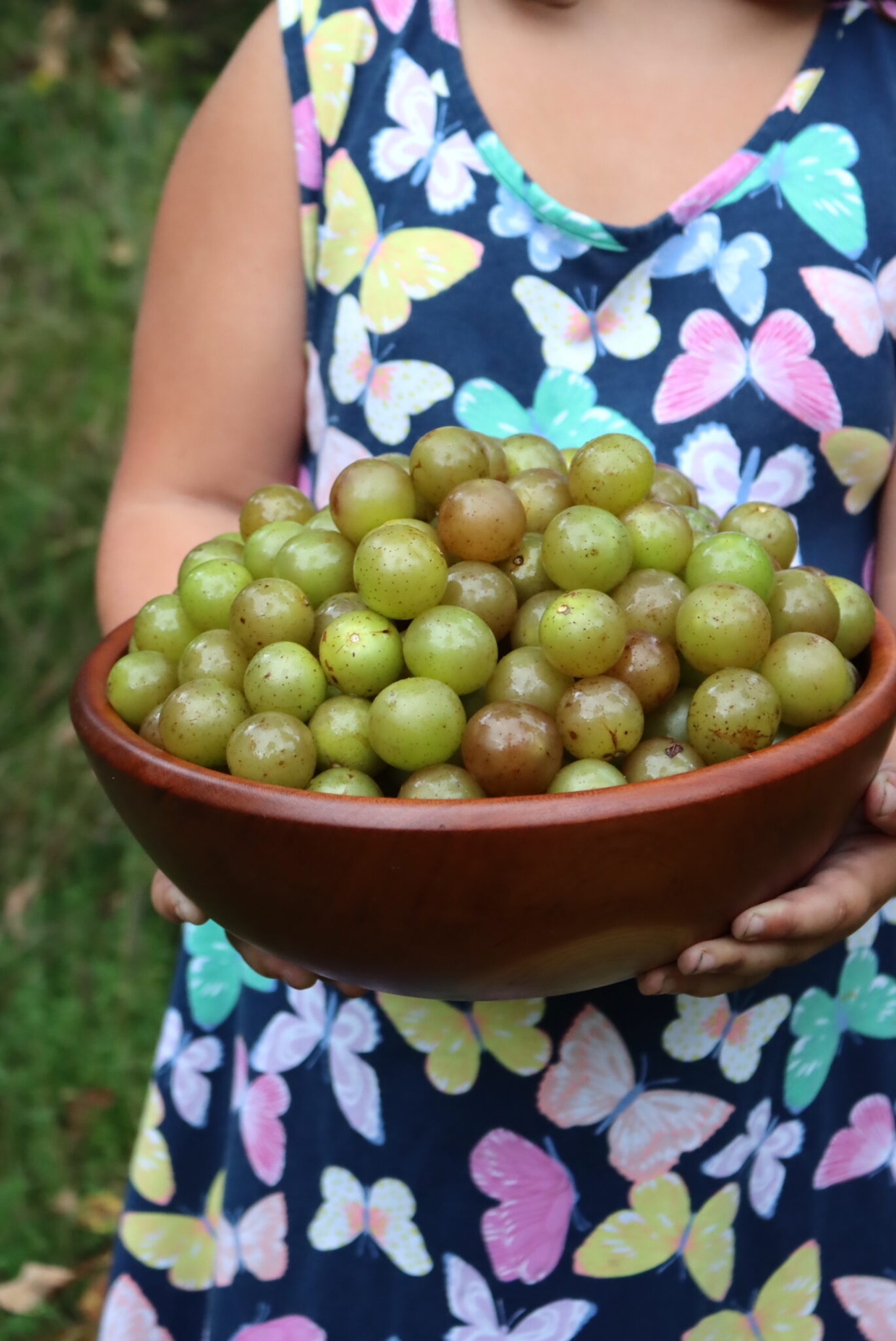
- 4 to 4½ lbs muscadines, destemmed ~ Provides the primary flavor, color, and tannin. Muscadines have thick, tough skins (more like a shell than a typical grape skin). Either fresh or frozen fruit works equally well, and freezing actually helps break down the cell walls so more juice and color extract during primary fermentation. Scuppernongs (a green-gold variety of muscadine) work in the same recipe and produce a lighter colored wine.
- 2½ pounds sugar (about 5 cups) ~ Provides the fuel that yeast convert into alcohol. The sugar is what gets fermented, so the finished wine won’t taste too sweet unless you backsweeten at the end. You cannot use indigestible sugar substitutes like monk fruit, stevia, or Splenda, because the yeast need to actually digest the sugar, not just taste sweetness. For mead, substitute 3 lbs of honey instead.
- Water, to fill ~ Creates the wine base and dilutes the fruit. Use filtered or spring water if your tap water has a strong chlorine taste, since chlorine can inhibit yeast.
- 1 packet wine yeast ~ The yeast strain you choose has a major effect on the finished flavor and alcohol level. See the yeast section below for specific recommendations for muscadine wine.
- 1 tsp yeast nutrient ~ Wine grapes have all the nutrients yeast need, but country wine fruits are often deficient. Yeast can’t live on sugar alone, and a yeast nutrient gives them the nitrogen and trace minerals they need to ferment cleanly. A handful of raisins works as a substitute, but powdered nutrient is more reliable.
- ½ tsp acid blend ~ Muscadines have moderate natural acid, so this recipe uses just half the typical amount. Acid serves two purposes: it creates the proper pH environment for yeast to work, and it balances residual sweetness in the finished wine. Powdered acid blend gives consistent results, or you can substitute lemon juice (1 tablespoon juice equals 1 teaspoon acid blend).
- ½ tsp pectic enzyme ~ Optional but recommended. Breaks down the natural pectin in fruit that would otherwise cloud the wine, resulting in much better clarity in the finished product.
- No tannin needed ~ Most country wines benefit from a small addition of wine tannin to balance body and mouthfeel, but muscadines have plenty of natural tannin in their thick skins. Skip the tannin powder for this recipe.
Yeast for Muscadine Wine
The yeast strain you choose has a profound impact on the finished flavor and character. Yeast contribute flavor esters as they ferment, and alcohol tolerance determines both final alcohol percentage and residual sweetness. Good options for muscadine wine:
- Red Star Premier Blanc ~ A neutral yeast that lets the muscadine flavor come through clearly. Alcohol tolerance to 15%, temperature range 59°F to 86°F. This is the strain most commonly recommended for muscadine wine.
- Lalvin K1-V1116 ~ Adds nice fruity-floral esters and is especially recommended for scuppernong grapes. High alcohol tolerance up to 18%, very wide temperature range from 50°F to 95°F, which makes it forgiving in less-than-ideal fermentation spaces.
- Lalvin EC-1118 ~ A neutral champagne yeast with a higher alcohol tolerance of 15% to 18%. Tends to produce a drier finished wine, which can be balanced with backsweetening at the end of secondary.
One packet treats up to 5 gallons, so you only need about 1 teaspoon for a one-gallon batch. Never use bread yeast for winemaking. It will make your wine taste like bread, and it only tolerates about 5% alcohol before stalling out.
Equipment for Muscadine Wine
In addition to ingredients, you’ll need some basic winemaking equipment:
- Wide-mouth gallon fermenter for the primary ferment with whole fruit
- One-gallon glass carboy with airlock for secondary fermentation
- Auto-siphon or racking cane for transferring wine without disturbing sediment
- Wine bottles, corks, and a bottle corker (or flip-top Grolsch bottles if you want to skip the corker)
- No-rinse brewing sanitizer for cleaning all your equipment
A wide-mouth fermenter is especially helpful for muscadine wine because the whole grapes ferment in primary, and a narrow-neck carboy makes it tough to fish out the fruit later. A potato masher or your clean hands work fine for crushing the grapes.
How to Make Muscadine Wine
The process follows the same basic method as any small-batch fruit wine. If this is your first batch, work through my beginner’s guide to making homemade wine first. For the mead variation, see my guide on how to make mead.
Preparing the Muscadines
Destem the muscadines and rinse them in cold water to wash off any field debris. If you’re working with frozen fruit, you can crush them straight from the freezer, since freeze-thaw breaks down the cell walls and helps with juice extraction.
Crush the grapes gently by hand or with a potato masher. The goal is to break the skins and release the juice without crushing the seeds. Don’t blend the fruit or use a food processor, because crushed seeds release bitter, astringent compounds that will carry through into the finished wine. If you’d rather not deal with loose grape skins in your primary fermenter, place the crushed fruit in a brewing mesh bag before transferring.
Mixing the Must
Move the crushed muscadines into your wide-mouth primary fermenter. Bring a few quarts of water to a boil on the stovetop and stir in just 1 cup of the sugar (about ½ pound) until completely dissolved. The remaining sugar gets added later, since dumping all of it in at once can stall out the yeast.
Pour the warm sugar water over the muscadines in the fermenter. Let the mixture cool to room temperature before adding the acid blend, pectic enzyme, and yeast nutrient. Top with enough cool water to leave about 2 inches of headspace at the top of the vessel.
Pitching the Yeast
Once the must is at room temperature (below 90°F), rehydrate the wine yeast in a small amount of room-temperature water for about 10 minutes before adding it to the fermenter. Stir gently to incorporate, then seal the vessel with an airlock.
Primary Fermentation
Primary fermentation is where the most active bubbling happens. Within 24 to 48 hours, you should see vigorous activity through the airlock, with bubbles rising every few seconds. Stir the must once or twice a day to keep the fruit submerged and prevent any cap from drying out on top.
Let the wine ferment in primary for 7 to 10 days. By the end of the week, the bubbling should slow noticeably and the fruit should look paler as it gives up its color and flavor to the wine.
Racking to Secondary
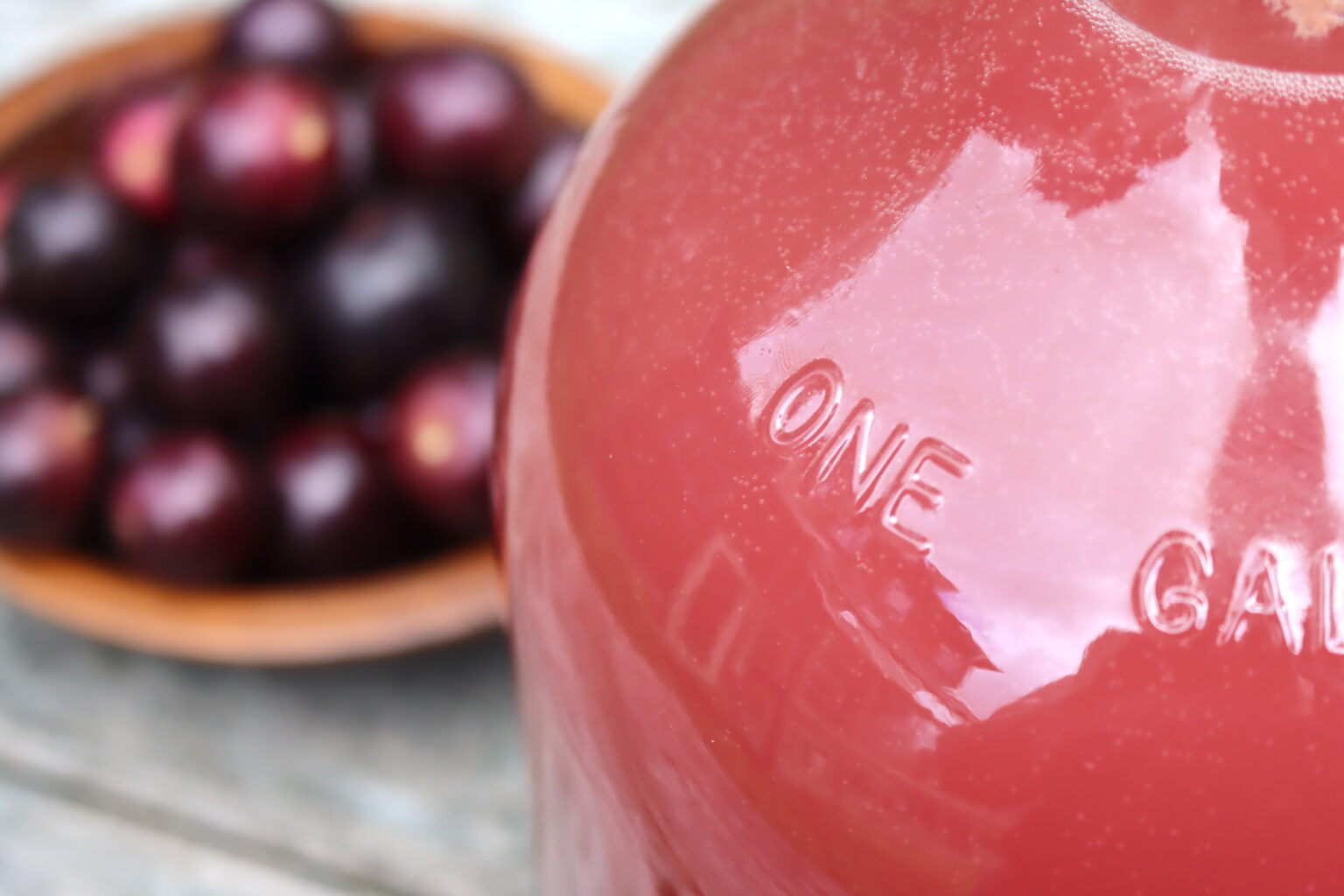
Siphon the wine off the fruit and into a clean one-gallon carboy, leaving the spent fruit and any sediment behind. Stirring up the sediment causes off-flavors in the finished wine, so move slowly and keep the siphon hose above the layer of fines at the bottom.
Once the wine is in the secondary vessel, dissolve the remaining 2 pounds of sugar (about 4 cups) in enough warm water to make a simple syrup. Cool it completely, then add it to the carboy. Top up with additional cool water to bring the level to the neck of the carboy and seal with an airlock.
Move the wine to a cool, dark spot and let it ferment in secondary for at least 4 to 6 weeks. For muscadine mead, plan on a longer secondary of 2 to 6 months, since honey is harder for the yeast to fully digest than table sugar.
Bottling and Aging
Taste the wine at the end of secondary. It should taste balanced, although still a little harsh from being unfinished. If it tastes too dry for your liking, this is the point where you’d backsweeten by stabilizing first with a Campden tablet and ½ teaspoon potassium sorbate, waiting 24 to 48 hours, then stirring in a simple syrup of equal parts sugar and water to taste. Let the stabilized wine rest for another week before bottling to make sure fermentation doesn’t restart.
Siphon the finished wine into clean bottles, cork or cap, and store upright for 24 hours before laying them on their sides. Muscadine wine is drinkable after a month in the bottle, but it improves dramatically with longer aging. Six months is a good minimum, and a full year is better.
Tips for Muscadine Wine
- Don’t crush the seeds. Over-processing the fruit will crack the seeds and release bitter, astringent compounds into your wine. Hand-crushing or a gentle pass with a potato masher is all you need.
- Frozen fruit works fine. If muscadines aren’t local to you, frozen fruit ferments just as well as fresh. The freeze-thaw cycle helps break down the thick skins and improves color and flavor extraction in primary.
- Adjust acid for scuppernongs. Scuppernong varieties run a bit more tart than dark-skinned muscadines, so you may want to taste the must before adding the full ½ teaspoon of acid blend. Start with ¼ teaspoon and adjust from there.
- Age longer than you think you need to. Muscadine wine can taste a little harsh and brash for the first few months. Six months in the bottle softens it considerably, and a full year produces a noticeably smoother and more complex wine. If you can be patient, the difference is worth it.
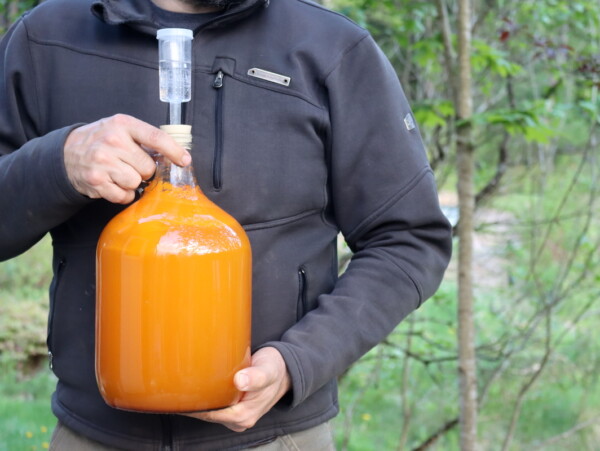
- Try the mead version. Substituting 3 pounds of honey for the sugar produces muscadine mead, sometimes called grape pyment. The honey adds floral complexity and rounds out the fruit’s tartness. Like other honey-based ferments, expect a longer secondary and longer overall aging time.
- Pair with similar foraged wines. If you enjoy muscadine wine, you’ll probably like other wild-fruit wines too. Wild grape wine, elderberry wine, and aronia wine all share that deep color and bold fruit character.
Frequently Asked Questions
Muscadine wine is technically drinkable after about a month in the bottle, but it improves dramatically with longer aging. Plan on at least six months for a noticeably smoother wine, and a full year for fully balanced flavor. The harsh tannic edge that fresh muscadine wine often has mellows considerably over time.
Yes. Scuppernongs are a green-gold variety of muscadine and follow the same recipe and method. The finished wine will be lighter in color and a bit more tart than wine made with dark-skinned muscadines. Lalvin K1-V1116 yeast is especially well suited to scuppernong wine because it brings out fruity-floral aromatics.
Frozen muscadines work as well as fresh, and many home winemakers actually prefer them. The freeze-thaw cycle helps break down the thick skins, which improves color and flavor extraction during primary fermentation. There’s no need to fully thaw the fruit before crushing.
The fermentable sugar source is the difference. Muscadine wine uses table sugar, while muscadine mead (also called pyment or grape melomel) uses honey instead. The mead version takes longer in secondary because honey is harder for yeast to fully digest, and it usually benefits from longer aging too. Plan on 2 to 6 months in secondary and at least a year in the bottle for muscadine mead.
The most common cause is over-crushed seeds. Muscadine seeds release bitter compounds when broken, so the fruit should be crushed by hand or with a gentle pass of a potato masher rather than a food processor or blender. A bitter young wine often softens with extended aging, so don’t pour the batch out. Give it six to twelve months in the bottle and taste again.
Winemaking Recipes
If you tried this Muscadine Wine recipe, or any other recipe on Practical Self Reliance, leave a ⭐ star rating and let me know what you think in the 📝 comments below!
And make sure you stay in touch with me by following on social media!
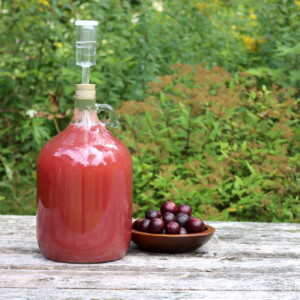
Muscadine Wine (& Mead)
Equipment
- Air Lock & Stopper
Ingredients
- 4 ½ lbs muscadines, destemmed
- 2 ½ pounds Sugar, about 5 cups
- 1 tsp yeast nutrient
- ½ tsp acid blend
- ½ tsp Pectic Enzyme
- 1 packet wine yeast, see note
- Water, to fill
- Optional ~ Campden Tablet and Potassium Sorbate for Stabilizing, I do not use these
Instructions
- Begin by crushing the destemmed muscadines by hand.
- Move crushed muscadines to a wide-mouth carboy.
- Heat a few quarts of water and add 1 cup of sugar. Stir until dissolved.
- Once cool, add to carboy.
- Add the acid blend, pectic enzyme and yeast nutrient next. The wine yeast should be added last.
- Rehydrate yeast in some room temperature water for 10 minutes before adding.
- Add yeast and top with water to leave 2 inches of headspace.
- Seal with a water lock and ferment in primary for 7 to 10 days.
- Siphon to a clean carboy, straining out the grapes and leaving the sediment behind. Add the remaining 2 cups of sugar at this point (do so by dissolving sugar in water before adding).
- Add enough water to bring the level up to the neck of the carboy and seal with a water lock.
- Ferment in secondary for at least 6 weeks. (Time spent in secondary will be longer for mead.)
- At the end of secondary, sample wine and adjust if needed. (See notes for info on backsweetening.)
- Bottle the wine and seal it with wine corks
- Allow to age at least 1 month before drinking and 6 months for best results.
Notes
Nutrition
Nutrition information is automatically calculated, so should only be used as an approximation.
Grape Recipes
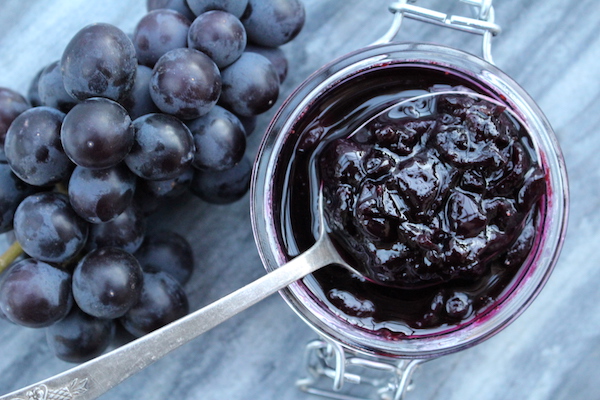
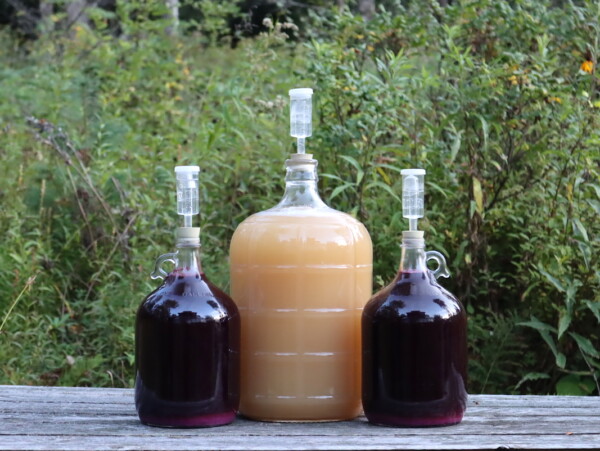
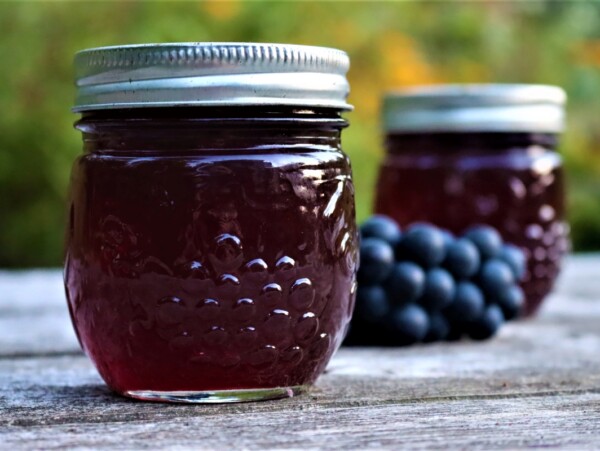
Once you’ve finished a batch, you’ll need a new project to fill your carboy. There are 50+ winemaking recipes and 50+ mead recipes on the site to choose from. If you’ve still got fruit on hand and want to skip the wait, old fashioned grape jam and homemade grape jelly both turn muscadines into shelf-stable preserves in an afternoon.
Find the perfect recipe
Searching for something else? Enter keywords to find the perfect recipe!









This one came out so good! Not too musky, but just enough character to keep things interesting.