Affiliate disclosure: This post may contain affiliate links. Please see our Privacy Policy.
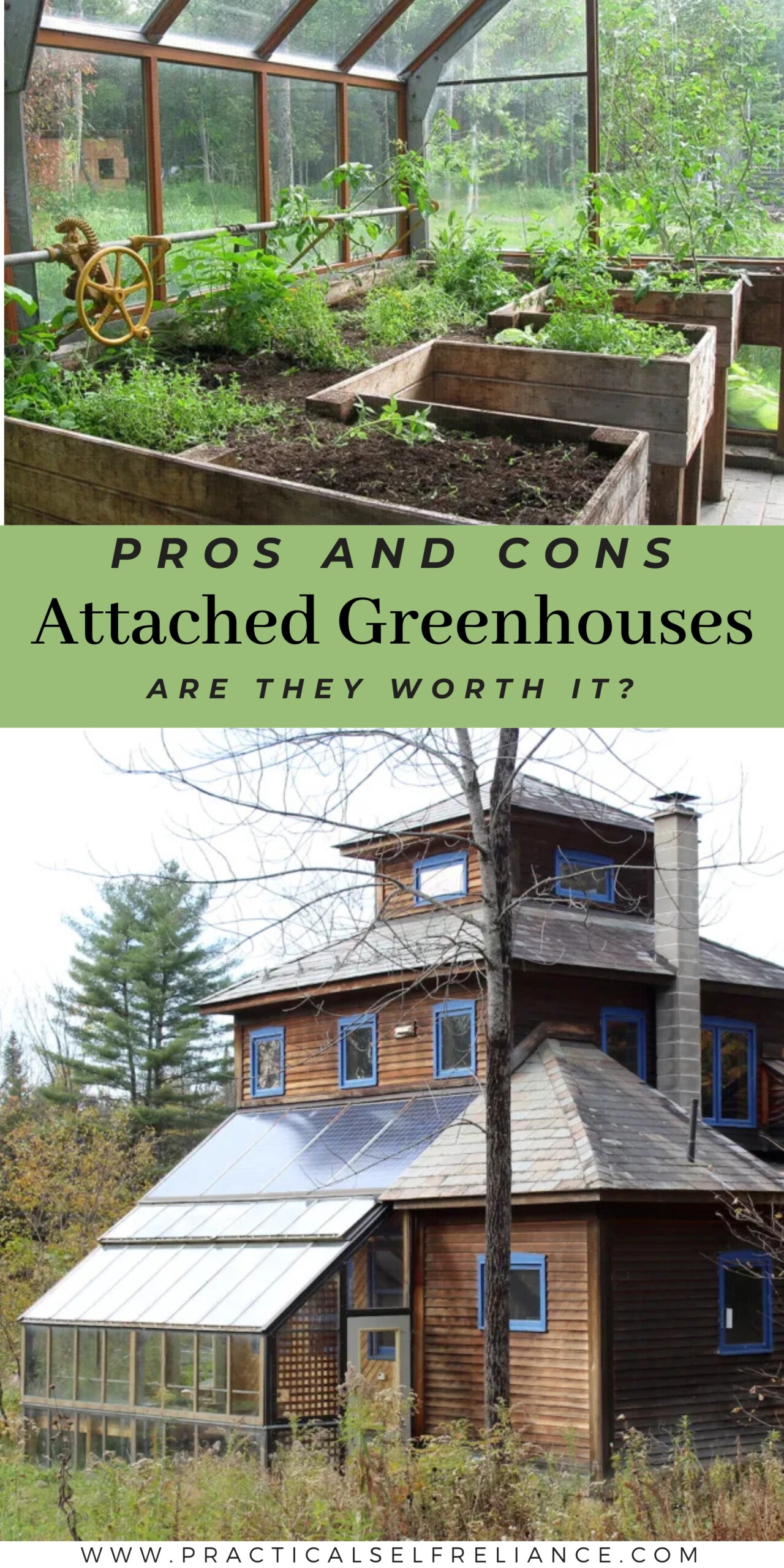
Attached greenhouses are more than just a place to grow plants—they can double as passive solar heaters, extra living space, and year-round garden extensions. On our off-grid homestead, the attached greenhouse was a major selling point, and it’s become one of the most valuable parts of our daily life. From cozy winter mornings in a sun-warmed space to housing lemon trees and seedlings, it’s been both practical and unexpectedly transformative.
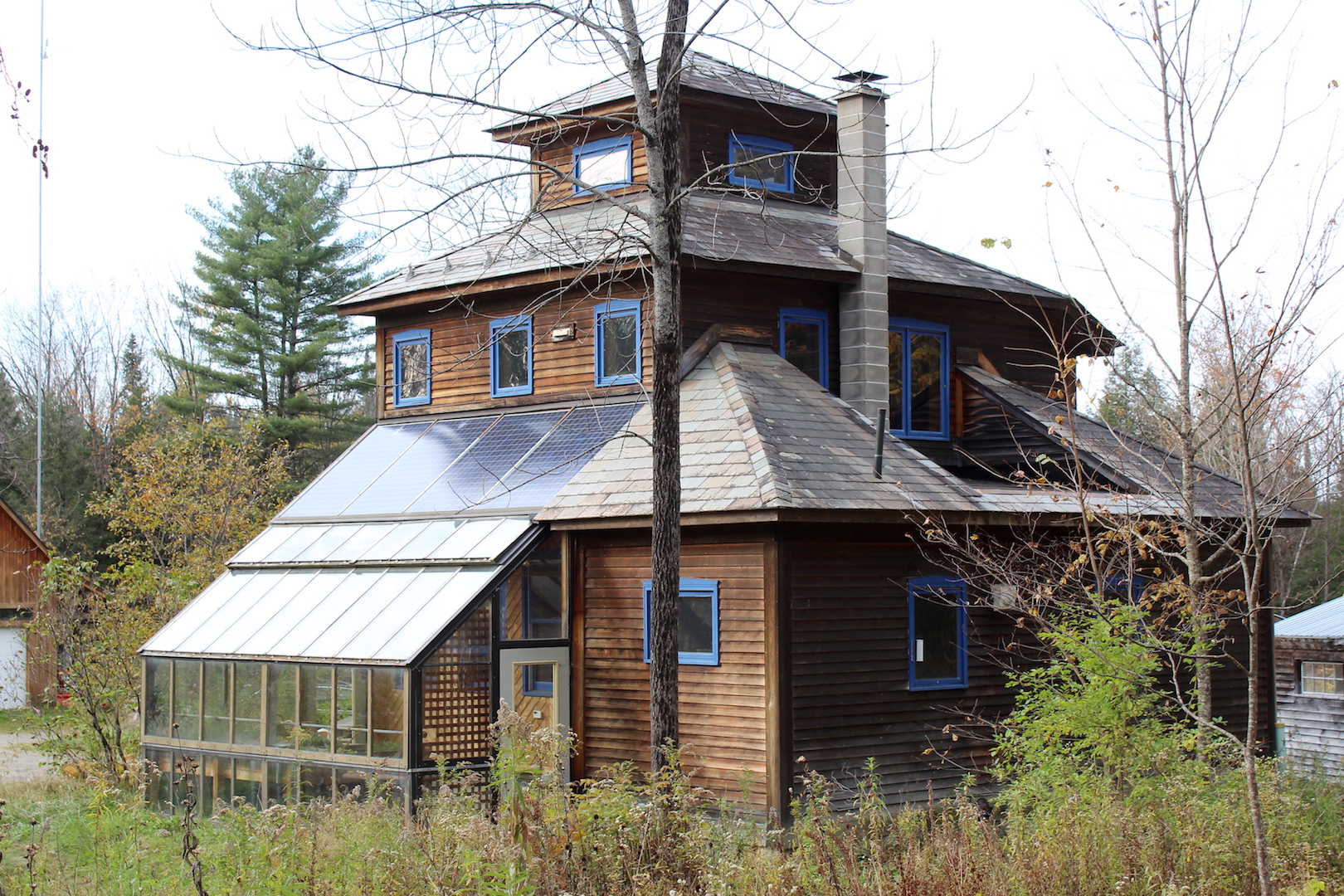
Table of Contents
I’m completely in love with our attached greenhouse. When we found our off-grid homestead, I’ll admit—the greenhouse was one of the main selling points. I was dreaming of a cozy space to start all our seedlings and jump-start the garden season. What I didn’t expect was how essential it would become to our day-to-day life and the overall function of our homestead.
If you’re considering building an attached greenhouse, here are the real-life pros and cons we’ve experienced firsthand after several years of daily use.
Benefits of an Attached Greenhouse
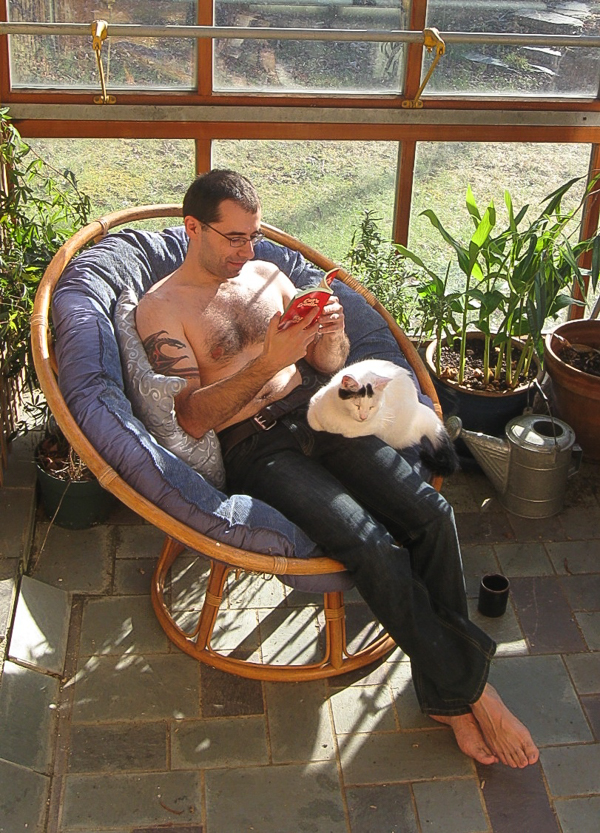
The biggest benefit of our attached greenhouse actually has nothing to do with gardening. It’s about warmth. Even on the coldest Vermont days, when the sun is shining, the greenhouse heats up like a sauna. We have a connecting door between the greenhouse and our kitchen, plus three full-height windows that can be opened to let that heat pour into the house.
There have been winters where we’ve gone weeks without running any supplemental heat—yes, even in January in Vermont, with no furnace. When it’s -20°F outside, stepping into a 90-degree greenhouse to sip tea in a tank top feels like a luxury resort… except it’s your own home.
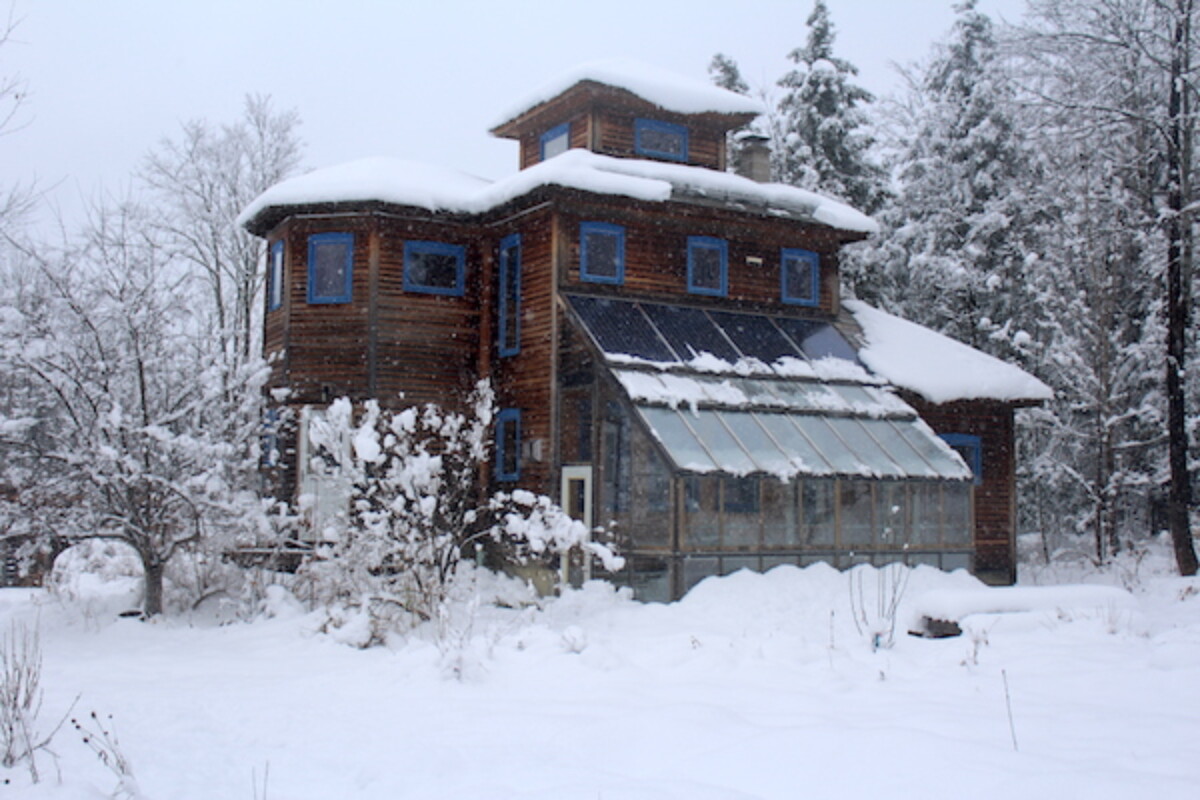
A big part of maintaining our off grid systems in winter is keeping those solar panels clear, but also keeping the glass clear so we get passive solar heating.
Our greenhouse is more than just a plant space—it functions as an extra room, giving us year-round passive solar heat and bonus living area in our one-room cabin-style home.
Starting Seeds in an Attached Greenhouse
At first, I thought this space would be perfect for seed starting—but it’s not quite that simple. Many seeds need to be started early, some as early as February to get a proper head start in our short northern growing season. That’s still deep winter, and while the greenhouse warms during the day, it can’t maintain the consistent temperatures required for good germination overnight.
Plus, when the sun does come out, temperatures inside can spike to over 100°F—even if it’s below zero outside. Those temperature swings are hard on seedlings, and if we’re not careful with venting, they can easily get cooked.
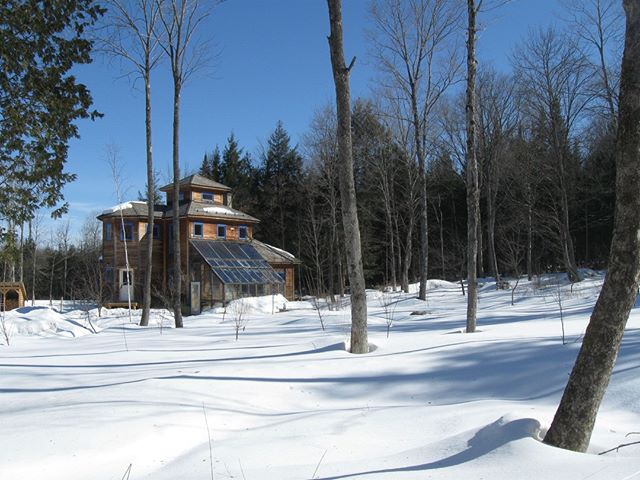
There’s also the challenge of limited light in winter. Even without snow cover, days are short, and heavy snowfalls often cover the glass and block sunlight altogether.
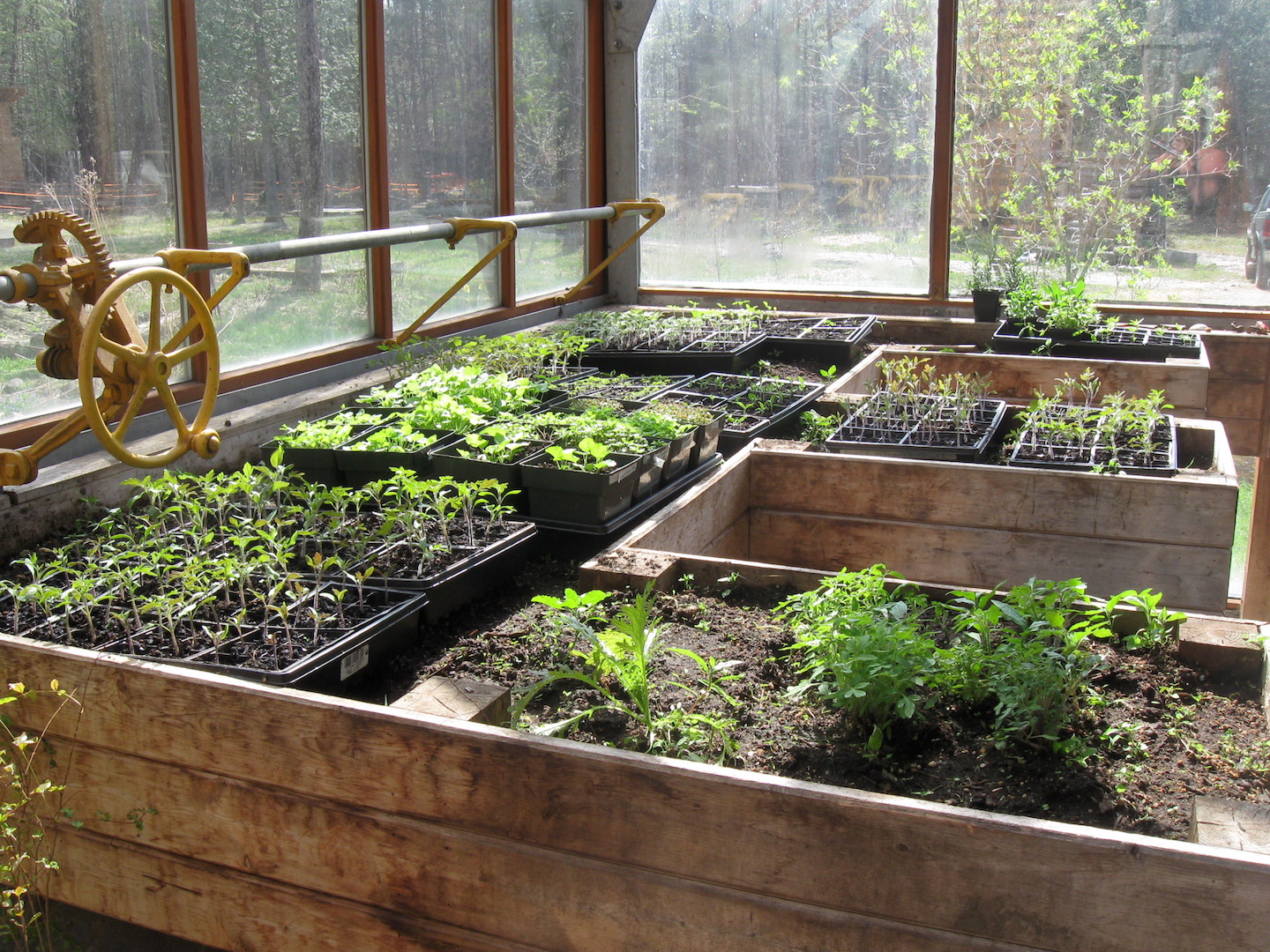
Then there are the pests. Mild winter temps inside the greenhouse mean aphids and other insects wake up early and target fragile young seedlings. After several frustrating seasons, we shifted our strategy. We now start seeds indoors under lights with our homemade seed starting rack and treat the greenhouse more like a giant cold frame for hardening off and growing out seedlings once the sun is stronger.
Greenhouse Flooring: Paved vs. Dirt
While the idea of planting directly into soil inside the greenhouse sounds appealing, I’m glad we opted for a paved floor. With our basement directly behind the greenhouse wall, we didn’t want to risk excessive moisture disrupting the freeze-thaw cycle or causing water damage.
Having a solid floor makes the greenhouse feel like part of the living space, rather than just an outdoor structure.
Drainage and Moisture Management
Drainage is key in any greenhouse, whether it has a dirt or paved floor. Ours has a built-in drain that runs from one corner of the greenhouse, sending water about 100 feet away into a runoff ditch.
Even though it’s an enclosed space, treat the side of your house inside the greenhouse as if it were exterior siding. Moisture and humidity build quickly, so proper flashing, vapor barriers, and weatherproof finishes are essential. We used a rubberized flashing system that slips under the cedar siding and diverts water down and away from the house to prevent infiltration at the attachment point.
Snow Load and Roof Angles
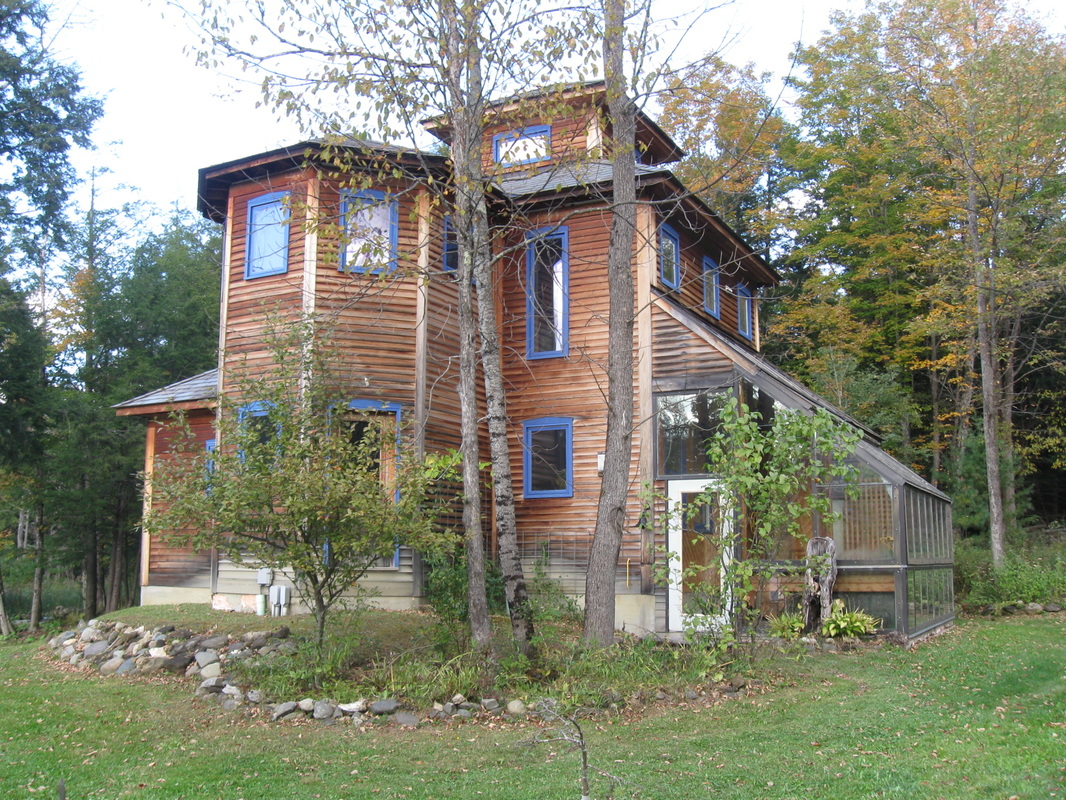
With a steeply sloped roof, snow load hasn’t been a major issue for us. After a snowstorm, we simply sweep the glass with a push broom to expose it to sunlight, which melts the rest. This also keeps our attached solar panels clear and functioning quickly after a storm.
We did install an icebreaker bar on the roof above the greenhouse to prevent falling ice from damaging the structure. So far, we haven’t had any broken panels, but when ice crashes down, it’s loud—and a little nerve-wracking.
Solar Panels and Seasonal Shade
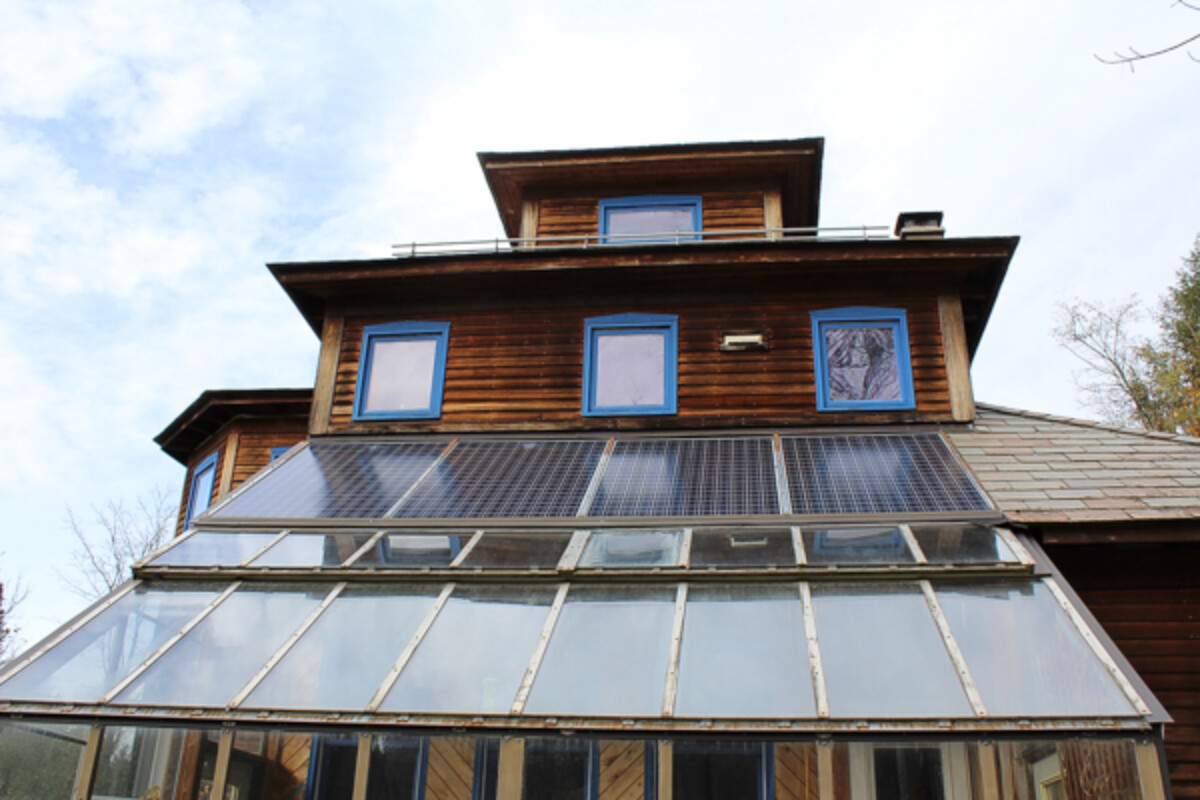
Mounting solar panels on top of our greenhouse has been a huge win. In winter, the sun’s low angle lets sunlight hit the greenhouse directly, maximizing passive heat gain. In summer, when the sun is higher in the sky, the solar panels provide shade—reducing overheating and keeping the house cooler.
The greenhouse environment also helps the panels melt out quickly after snowstorms, unlike our roof-mounted panels that often remain snow-covered and inactive for weeks.
(Here’s a tour of our off grid system if you’re curious).
Managing Summer Heat in an Attached Greenhouse
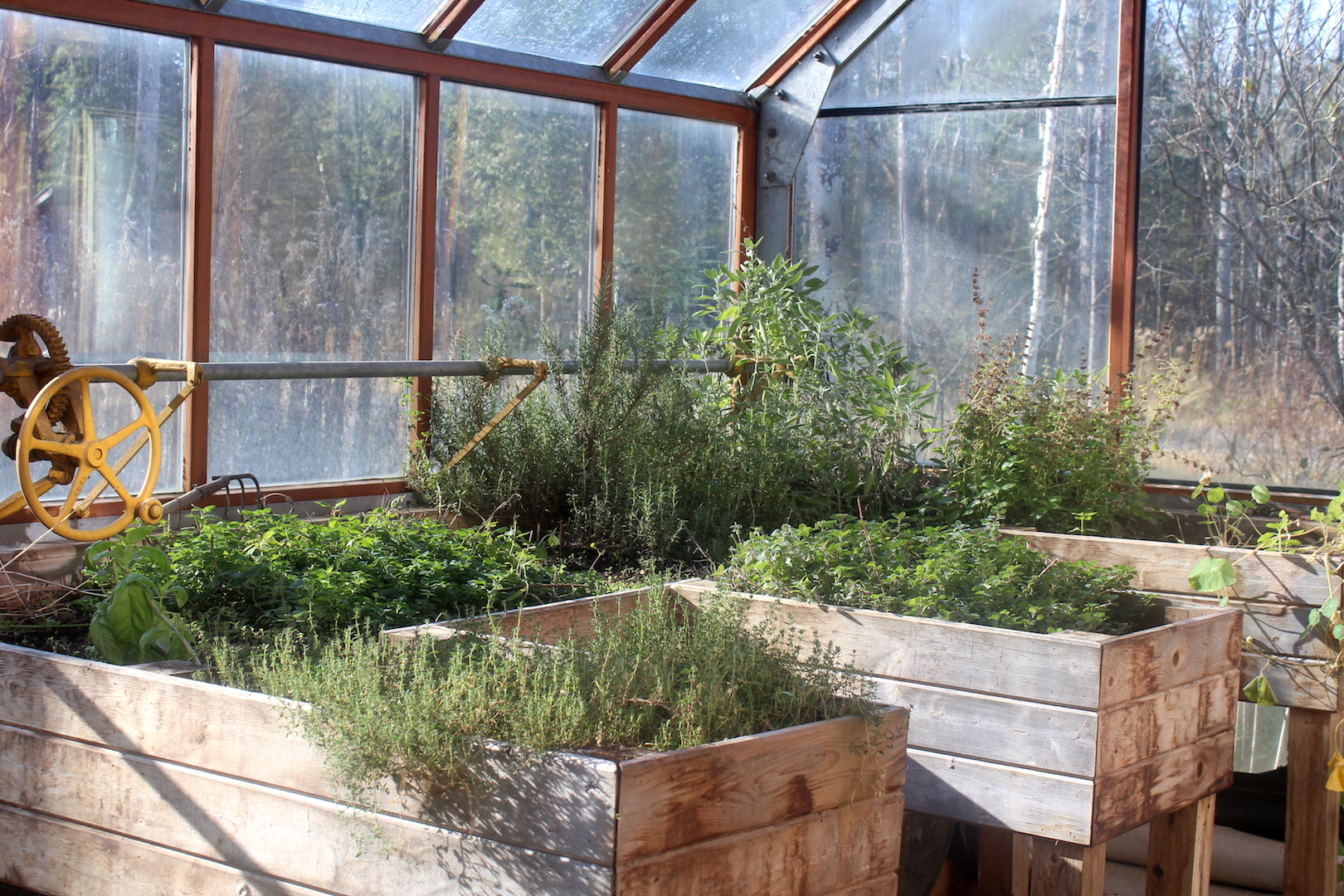
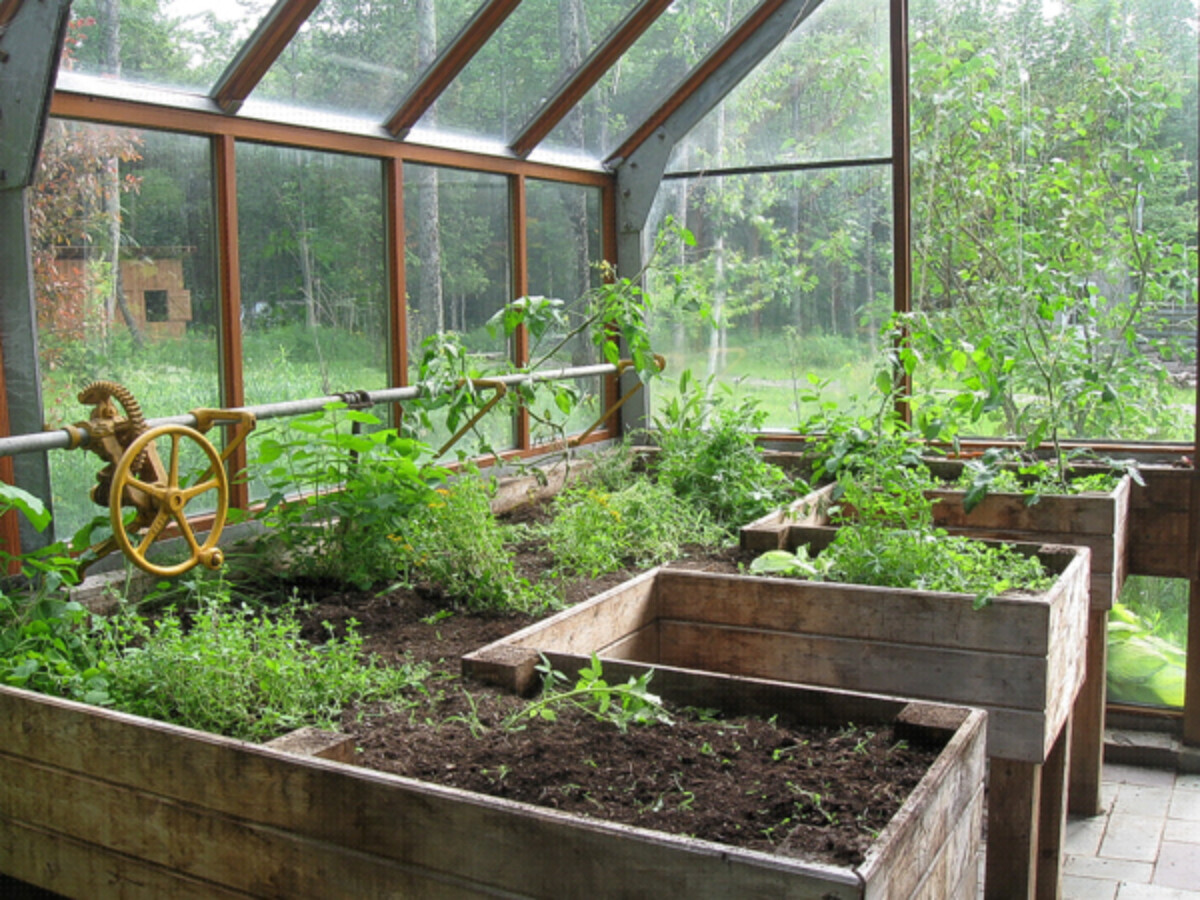
Greenhouses are designed to trap heat, which is a blessing in winter but a potential problem in summer. Our setup includes manual ventilation, with full-length vents on both the roof and lower wall operated by antique crank systems. We also leave the doors open all summer to ensure airflow.
Manual venting is a good off-grid solution since it doesn’t rely on electricity, but it does mean you need to plan ahead. If the sun comes out and you’re not home to vent it, temperatures inside can spike fast. If we ever upgrade, an automated venting system with a temperature sensor would be our first addition—though we’d still keep the manual cranks as a backup.
Greenhouse Pest Pressure
One downside of consistent warmth is consistent pest pressure. In our early years, we grew hardy winter greens like arugula and claytonia all winter long. It worked beautifully—until spring. As soon as temps started to rise, aphids exploded and devastated the greens, despite our best efforts with organic controls.
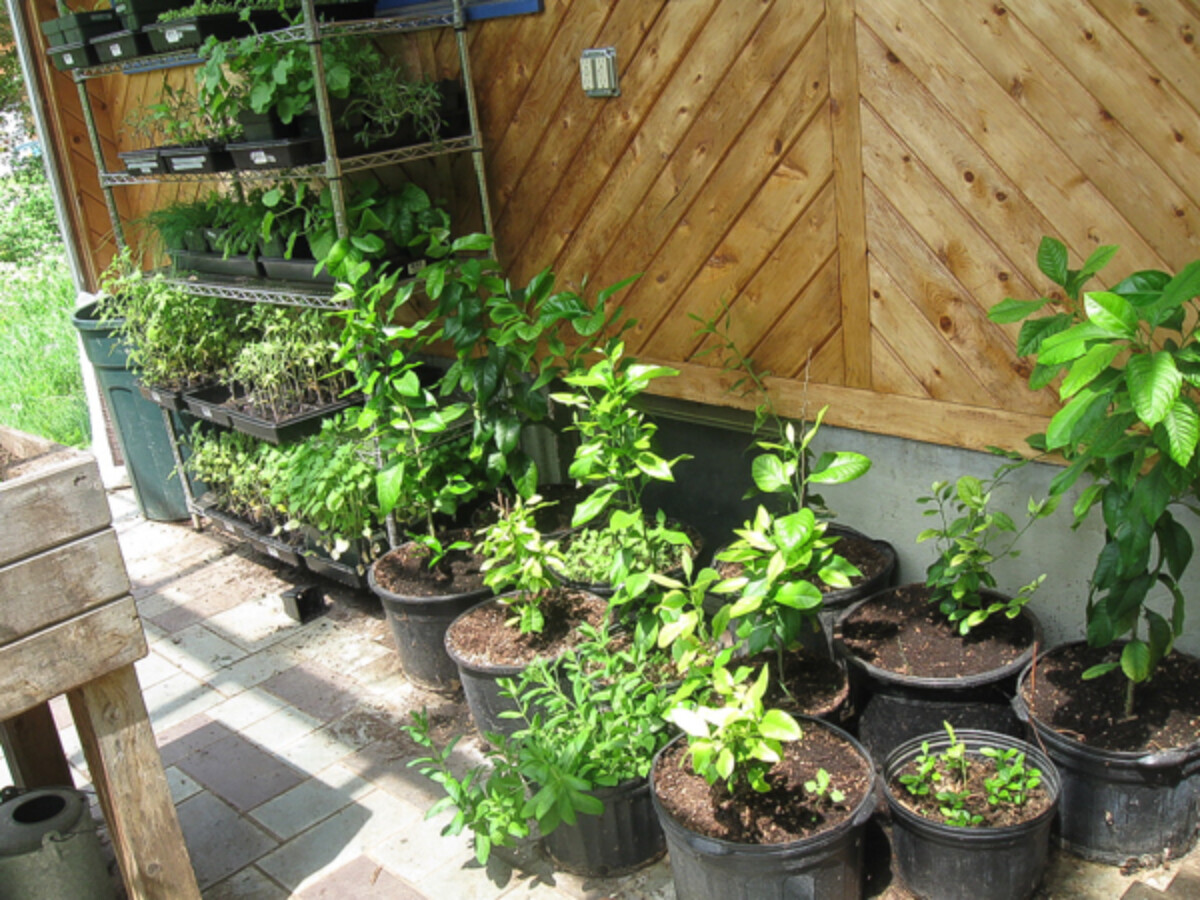
These days, we only grow herbs year-round inside the greenhouse. Rosemary, oregano, tulsi, and thyme thrive and resist pests naturally.
In addition to plant pests, we also struggle with wasps. The warm, dry eaves are ideal for nest building, and they’re relentless. We hang non-toxic sight lure wasp traps and change them monthly during warm weather—they’re absolutely full of wasps by the end of the month.
We’ve learned the hard way to keep the windows between the greenhouse and house tightly screened. Without good screens, you’re inviting pests directly into your home, and greenhouse pest pressure can be even higher than in the open outdoors.
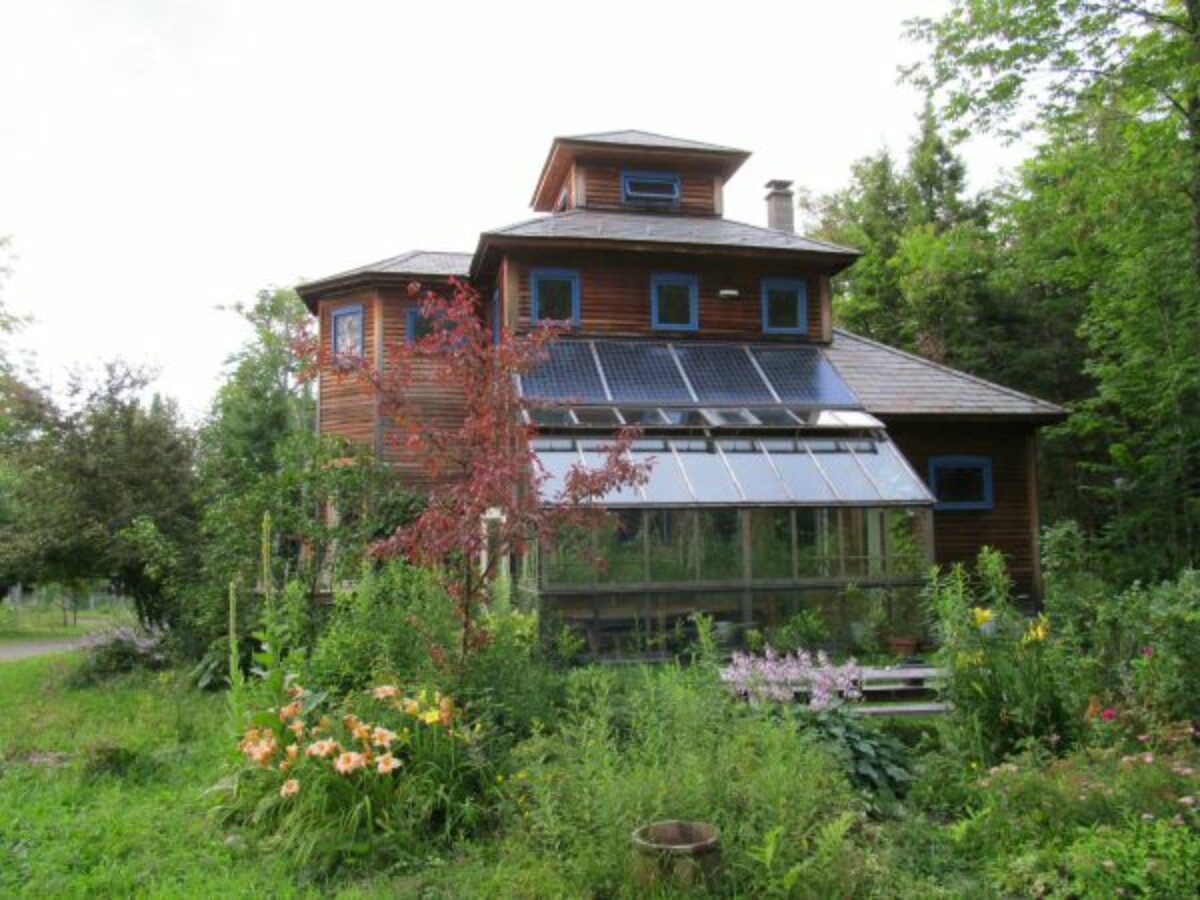
Our attached greenhouse has become one of the most-used and most-loved parts of our off-grid homestead. It helps heat the house, extends our growing season, and gives us a cozy place to enjoy the sun—even when it’s bitterly cold outside.
That said, it’s not without its quirks. It’s not ideal for seed starting in February, and pest pressure is a real challenge. But with thoughtful design and realistic expectations, an attached greenhouse can offer huge benefits for both your home and your garden.