
Affiliate disclosure: This post may contain affiliate links. Please see our Privacy Policy.
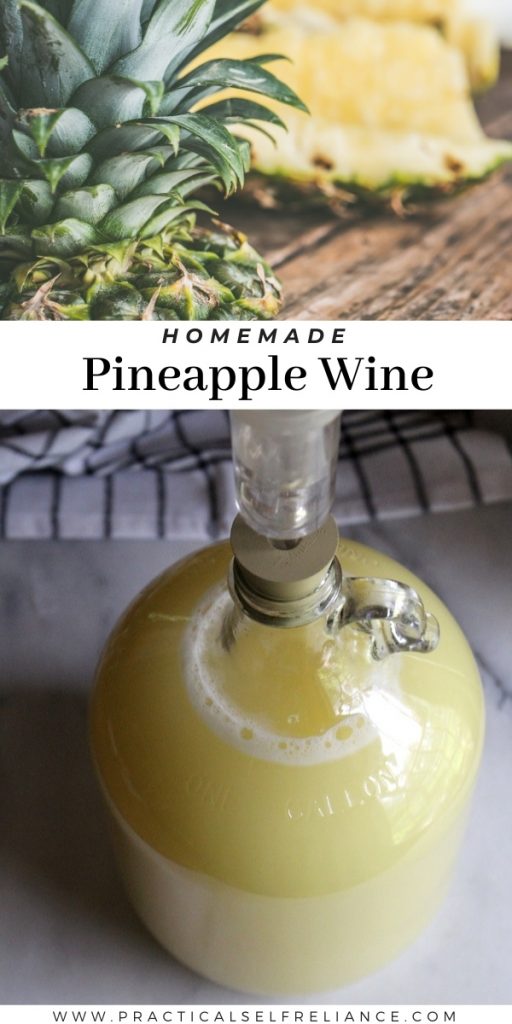
Pineapple wine is a sweet, golden tropical wine that captures the bright, sunny flavor of fresh pineapple in every glass.
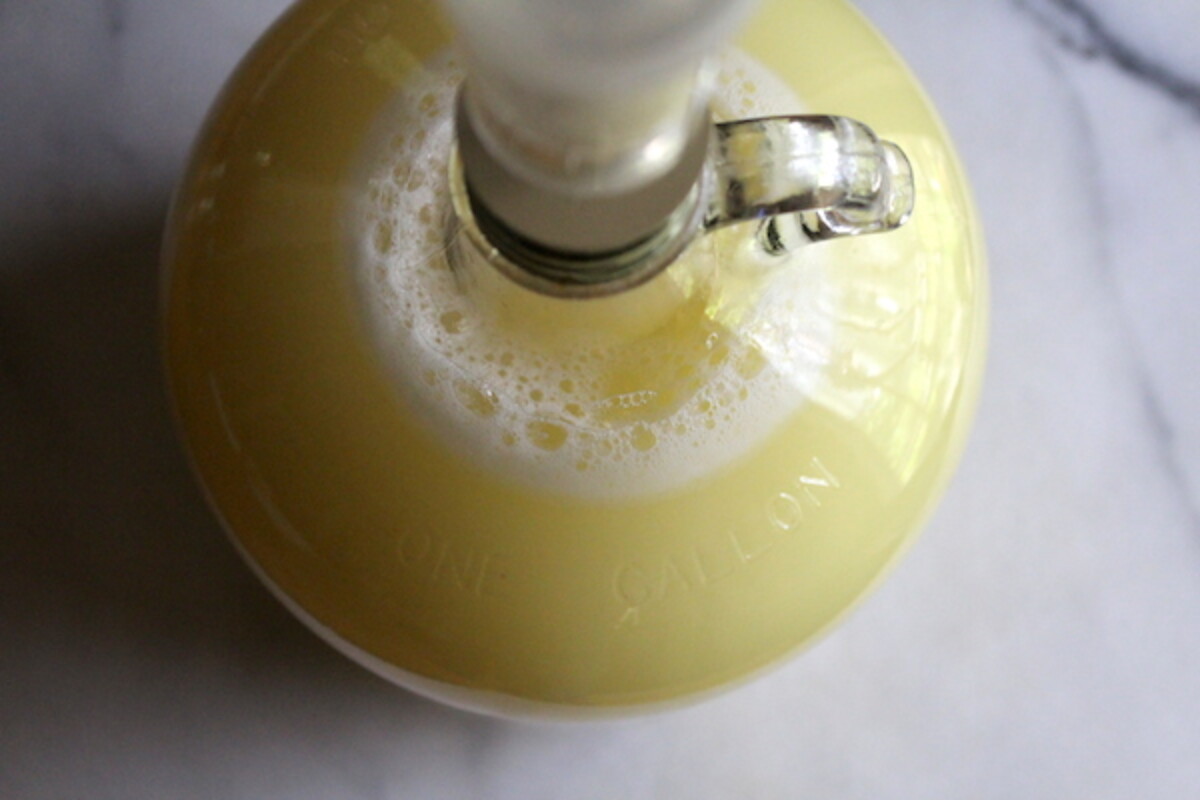
Homemade pineapple wine ferments into a beautiful pale gold wine with unmistakable tropical character. The flavor is bright and fruity, with the natural tartness of pineapple balanced by residual sweetness from fermentation.
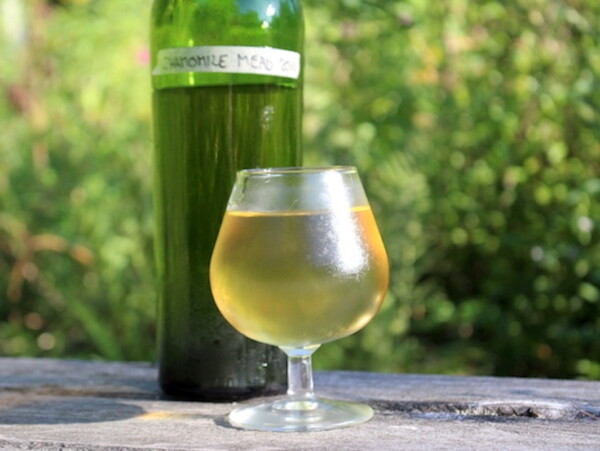
Unlike tepache and other quick pineapple ferments that are essentially fruity sodas, this wine ages gracefully and actually improves over months of bottle conditioning. You can also make a pineapple mead by substituting honey for the sugar, which adds gorgeous amber color and a more complex sweetness to the finished wine. For an introduction to the general process, read my beginner’s guide to making homemade wine or my tutorial on how to make mead for honey wine variations.
Pineapples are naturally high in acid and have a good amount of sugar, which gives them a head start in winemaking. They also contain an enzyme called bromelain that can cause cloudiness, so pectic enzyme is especially helpful for this wine. The acidity means you need less acid blend than other fruit wines, and the natural sugars contribute to a wine that finishes with lovely tropical sweetness. Fresh pineapple makes the best wine by far, as canned pineapple and juice have a “tinned” taste that carries through to the finished wine.
(Beyond wine, pineapple preserves beautifully in other ways too, including pineapple jam, home canned pineapple chunks, and dried pineapple for snacking. They’re inexpensive in season, and we often buy them by the case for preserving.)
Notes from my Kitchen

I love all things pineapple, and when they go on sale in season, I buy them by the case. Most of the pineapple gets put up as home canned chunks that my kids devour straight from the jar, and we make batches of pineapple jam that tastes like concentrated sunshine. Since I already make so many different winemaking recipes, homemade pineapple wine was the obvious next step.
The first batch was a revelation. Where tepache is refreshing but fleeting, pineapple wine is something you can save and savor. I love cracking open a bottle in the middle of a Vermont winter and being transported straight to the tropics. The wine mellows beautifully with age, and by six months the sharp edges smooth out into pure pineapple bliss.
Ingredients for Pineapple Wine
All country winemaking recipes aim to create a balanced fruit wine with enough residual sweetness to be enjoyable, enough acidity to add bright flavor, and enough tannin for good body and mouthfeel. Pineapples are unusual among winemaking fruits because they are already quite acidic and sweet, so the recipe adjusts accordingly. Here is what goes into a gallon batch of pineapple wine, along with explanations of why each winemaking ingredient matters:
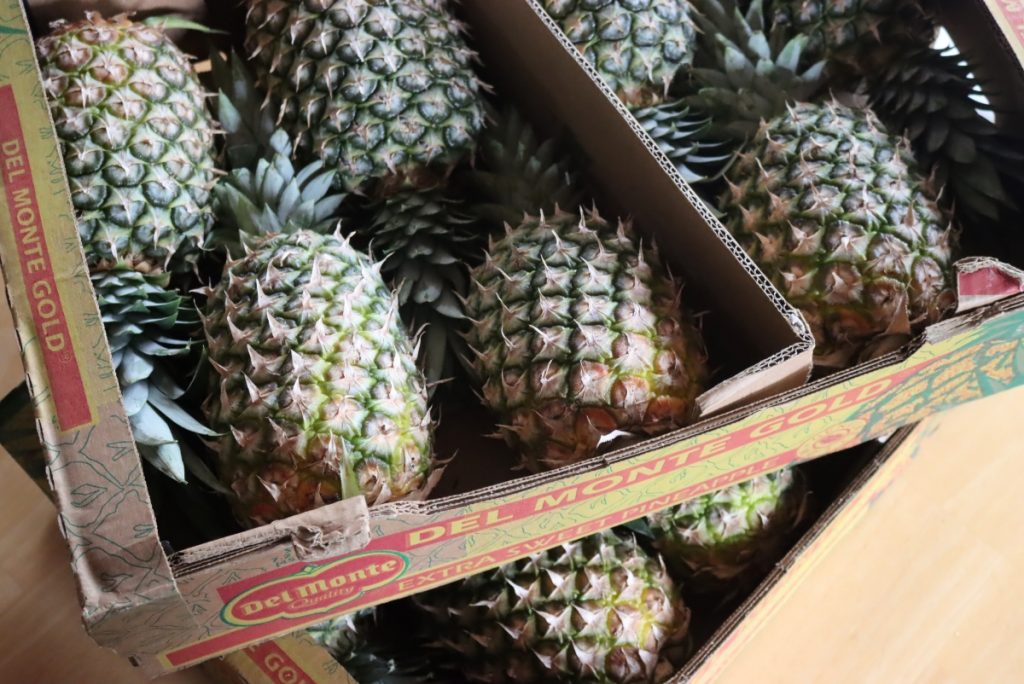
- Fresh pineapple (3-4 pounds chopped, or 2-3 whole pineapples) – Fresh pineapple makes dramatically better wine than canned. The tinned flavor from canned pineapple or juice carries through to the finished wine and is quite noticeable. Use ripe pineapples that smell sweet and fragrant at the base. Include the cores, which are tough and fibrous but full of flavor and will be strained out anyway. If you must use juice, choose pineapple juice bottled in glass or plastic rather than cans, and make sure it contains no preservatives.
- Sugar (about 2 pounds per gallon) – Even though pineapples are sweet, they are not nearly as sweet as wine grapes, and without enough sugar the yeast will consume it all too quickly and stall out. The sugar is what gets converted into alcohol, so the finished wine will not be cloyingly sweet. For pineapple mead, substitute 2-3 pounds of honey, which adds its own tropical notes and gorgeous amber color.
- Water – Creates the wine base and dilutes the fruit. Use filtered or spring water if your tap water has a strong chlorine taste, as chlorine can inhibit yeast activity and prevent fermentation.
- Wine yeast – Different strains produce different flavors and alcohol levels. Yeast contribute flavor esters during fermentation that can enhance or complement the tropical fruit character. See the yeast section below for strain recommendations specific to pineapple wine. Never use bread yeast, which produces off-flavors and dies out at low alcohol levels.
- Yeast nutrient – Yeast cannot live on sugar alone and need nitrogen and other nutrients to thrive. Pineapple provides some nutrients but not enough for optimal fermentation. You can substitute a quarter cup of golden raisins (sultanas), but powdered yeast nutrient gives more consistent results.
- Acid blend – Pineapples are already quite acidic, so you need much less acid blend than most fruit wines. Just half a teaspoon per gallon is enough to create the proper pH environment for yeast and balance the sweetness. You can substitute 1 tablespoon of fresh lemon juice if needed.
- Pectic enzyme – Especially important for pineapple wine because pineapples contain bromelain, an enzyme that can cause persistent cloudiness. Pectic enzyme breaks down pectin and helps the wine clear properly. Without it, you may need to rack many extra times to achieve clarity.
- Tannin – Pineapples have almost no natural tannin, so without adding some the wine can taste thin and lack body. A small amount of tannin powder adds structure and mouthfeel. You can substitute one cup of strongly brewed black tea if you prefer.
- Campden tablet (optional) – Used to sterilize the must before pitching yeast, beating back any wild yeasts or bacteria that may be present on the fruit. Not strictly necessary if your sanitation is excellent, but provides extra insurance. If using, crush the tablet and add it 24 hours before adding yeast.
Yeast for Pineapple Wine
The yeast strain you choose has a significant impact on the finished flavor and character of your pineapple wine. Yeast contribute flavor esters as they ferment, and alcohol tolerance determines both final alcohol percentage and residual sweetness. Good options for pineapple wine:
- Lalvin QA23 – My top recommendation for pineapple wine. This yeast produces clean, fruity wines that let the tropical character shine through. Excellent clarity and alcohol tolerance around 16%.
- Red Star Premier Blanc – A reliable all-purpose wine yeast that works well with tropical fruits. Good for pineapple mead as well. Alcohol tolerance around 15%.
- Lalvin K1-V1116 – A vigorous fermenter that handles the acidic environment of pineapple juice well. Reliable and forgiving for beginners. Alcohol tolerance up to 18%.
- Lalvin EC-1118 – Champagne yeast for a dryer, higher alcohol pineapple wine. Very strong fermenter that powers through difficult conditions. Alcohol tolerance up to 18%.
One packet treats 5 gallons of wine. For smaller batches, use about 1 teaspoon per gallon. Never use bread yeast, as it will make your wine taste like bread and dies out when the alcohol level reaches only 2-3%.
Equipment for Pineapple Wine
In addition to ingredients, you will need some basic winemaking equipment. Pineapple wine ferments vigorously, so a larger primary fermenter is helpful:
- Primary fermentation bucket (at least 2 gallons) or wide-mouth gallon jar
- Nylon straining bag or brewing bag for the fruit
- Narrow-neck glass carboy with airlock (for secondary fermentation)
- Auto-siphon or racking cane with tubing
- Wine bottles and corks
- Double lever hand corker (or use flip-top Grolsch bottles instead)
- Brewing sanitizer
Because pineapple wine tends to be cloudy, plan on racking several times during secondary fermentation. Having a second carboy makes this process much easier since you can siphon back and forth between them.
How to Make Pineapple Wine
The process follows the same basic method as any small-batch fruit wine. Pineapple wine is a vigorous fermenter, so be prepared for an active primary stage. If you are new to winemaking, read through my beginner’s guide to making homemade wine first.
Preparing the Pineapple
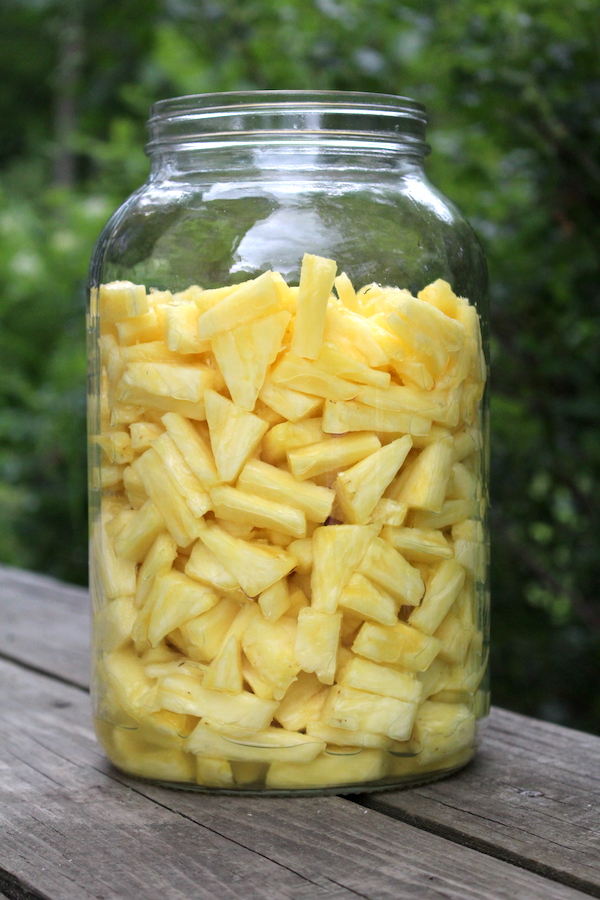
Cut the top and bottom off each pineapple, then slice away the skin. Chop the flesh into small pieces, about 1 inch or so. Include the cores, which are tough but full of flavor and will be strained out later. Do your best to reserve any juice that flows out during chopping.
Place the chopped pineapple in a nylon straining bag inside your primary fermenter.
Making the Sugar Water
Bring about 3 quarts of water to a boil on the stove. Add the sugar and stir until completely dissolved, then remove from heat. Allow the sugar water to cool to room temperature before proceeding. Pouring boiling water directly over the fruit and yeast will kill the yeast, so patience here is important.
Mixing the Must
Pour the cooled sugar water over the chopped pineapple in the fermenter. Add the acid blend, tannin, yeast nutrient, pectic enzyme, and crushed Campden tablet if using. Stir everything together to combine. If using a Campden tablet, cover with a towel and let the mixture sit for 24 hours before adding yeast. This gives the sulfites time to sterilize the must and then dissipate.
Pitching the Yeast
Once the must has cooled completely (and 24 hours have passed if using Campden), it is time to add the yeast. Rehydrate dry yeast by dissolving it in a quarter cup of warm water and letting it sit for 5-10 minutes. Pour the activated yeast into your must and stir gently. Cover with a towel or loosely with a lid but do not use an airlock yet, as the fermentation will be too vigorous and may clog or blow off the airlock.
Primary Fermentation
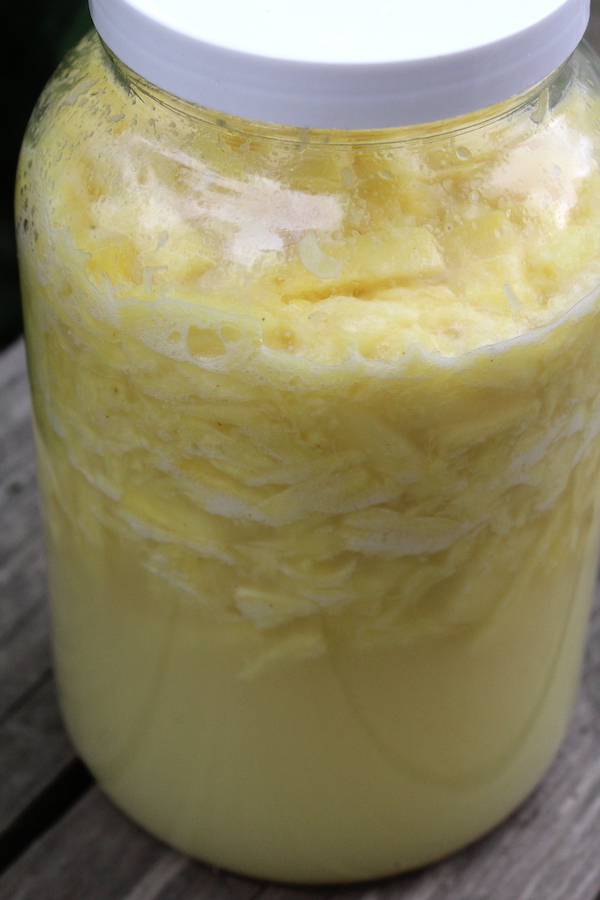
Within 24 to 48 hours, fermentation should be going strong. Pineapple wine ferments vigorously, and you will see lots of bubbling and activity. Stir daily and push down the fruit that floats to the top. Primary fermentation lasts about 7 to 10 days, until the most vigorous bubbling slows down.
Racking to Secondary
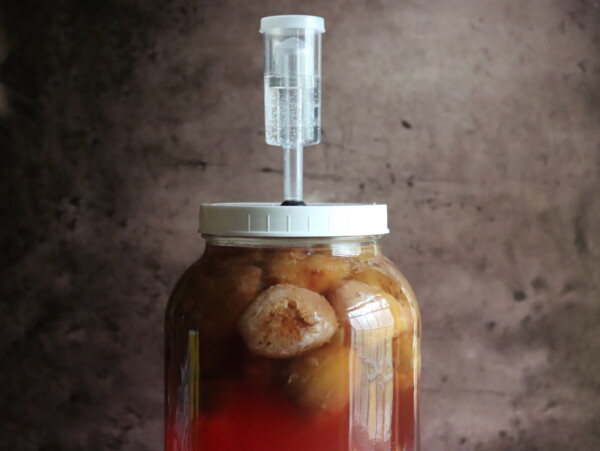
After primary fermentation calms down, remove the nylon bag of fruit or strain the wine through a fine mesh strainer. Siphon the liquid into a narrow-neck carboy, leaving the sediment behind. Fill to within a few inches of the top with clean unchlorinated water and cap with an airlock. Store in a cool, dark place for secondary fermentation.
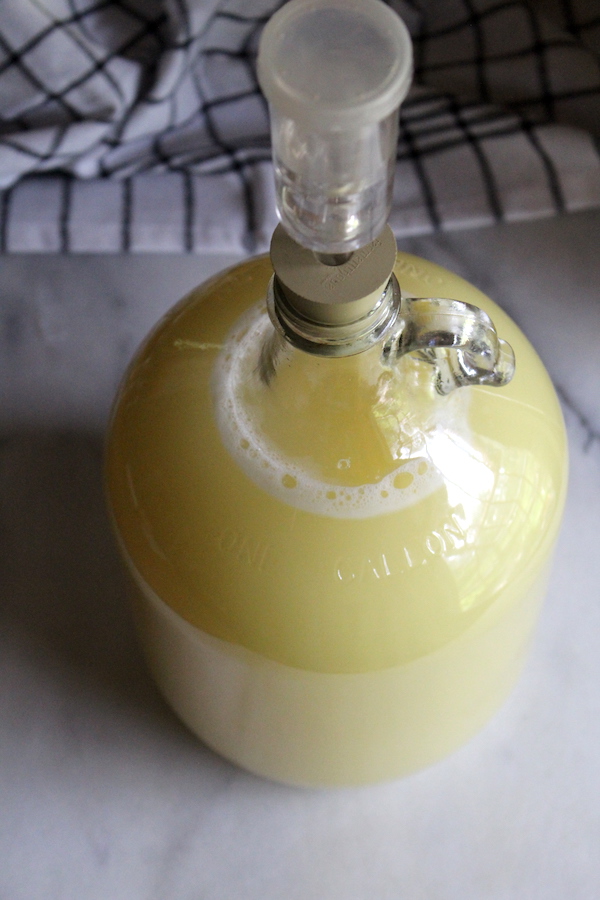
Pineapple wine tends to be cloudy and benefits from multiple rackings. Plan to rack after 2 months, again at 4 months, and once more at 6 months. Each time, you will leave behind more sediment and the wine will become clearer.
Bottling and Aging
At bottling time, taste your wine. If it is sweet enough for your liking, simply bottle as is. If you prefer a sweeter wine, you can stabilize with Campden tablets and potassium sorbate, then backsweeten with 2 to 4 ounces of sugar dissolved in water. Siphon into bottles, leaving behind any remaining sediment, and cork. Allow pineapple wine to bottle condition for at least 2 months, preferably 6 months or longer, before drinking. The wine mellows and improves significantly with age.
Tips for the Best Pineapple Wine
- Always use fresh pineapple. Canned pineapple and juice have a tinned taste that carries through to the finished wine. If you cannot find fresh, look for pineapple juice bottled in glass or plastic with no preservatives.
- Use the cores. Pineapple cores are tough and fibrous but full of flavor. Since they get strained out, texture is not an issue, and you get more juice and flavor from each fruit.
- Expect cloudiness. Pineapple wine is notoriously cloudy due to the bromelain enzyme. Pectic enzyme helps, but plan on racking several times. Be patient and let time do the work of clarifying.
- Use a large primary fermenter. Pineapple wine ferments vigorously. A fermenter that is too small will overflow or make a mess. Use at least a 2-gallon bucket for a 1-gallon batch.
- Try a pineapple mead. Substitute 2-3 pounds of honey for the sugar to make a gorgeous tropical mead. The honey adds complexity and beautiful amber color that complements the pineapple beautifully.
- Blend with other tropical fruits. Pineapple wine blends wonderfully with mango wine or banana wine for a tropical fruit medley.
Frequently Asked Questions
You can, but fresh pineapple makes noticeably better wine. Canned pineapple has a tinned taste that carries through to the finished wine. If you must use juice, choose pineapple juice bottled in glass or plastic rather than cans, and make sure it contains no preservatives like sodium benzoate or potassium sorbate, which will prevent fermentation. Substitute 2 quarts of juice for the fresh pineapple and fill the rest with water.
Pineapples contain bromelain, an enzyme that causes persistent cloudiness in wine. Adding pectic enzyme at the start of fermentation helps, but pineapple wine typically needs to be racked several times to achieve clarity. Plan to rack at 2 months, 4 months, and 6 months during secondary fermentation. Each racking leaves more sediment behind and improves clarity. Cold crashing near freezing for a week can also help particles settle.
Primary fermentation takes about 7-10 days, followed by secondary fermentation of 6-8 weeks minimum. For best results, rack the wine several times over 6 months before bottling. After bottling, allow at least 2 months of conditioning, though 6 months or longer produces a much smoother wine. Total time from start to drinking is typically 8-12 months for optimal results.
Yes! Pineapple cores are tough and fibrous, but they are full of flavor and juice. Since the fruit gets strained out during racking, the texture does not matter. Including the cores gives you more juice and flavor from each pineapple.
If your finished wine is too dry, you can backsweeten before bottling. First, stabilize the wine with 1 crushed Campden tablet and 1/2 teaspoon potassium sorbate per gallon, then wait 24 hours. Add simple syrup (equal parts sugar and water, heated until dissolved and cooled) to taste. Without stabilizing first, the yeast will ferment the added sugar and potentially cause bottles to explode.
Winemaking Recipes
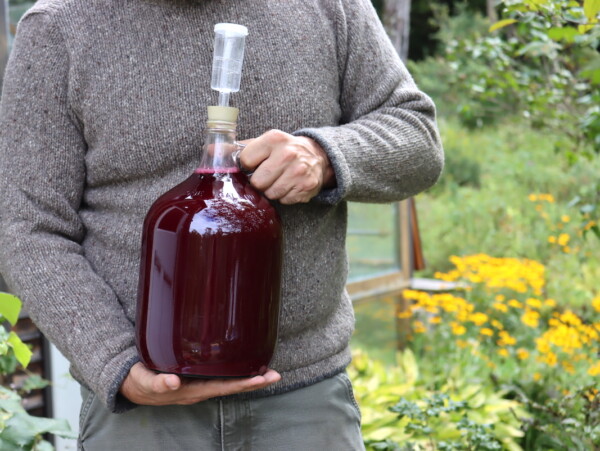
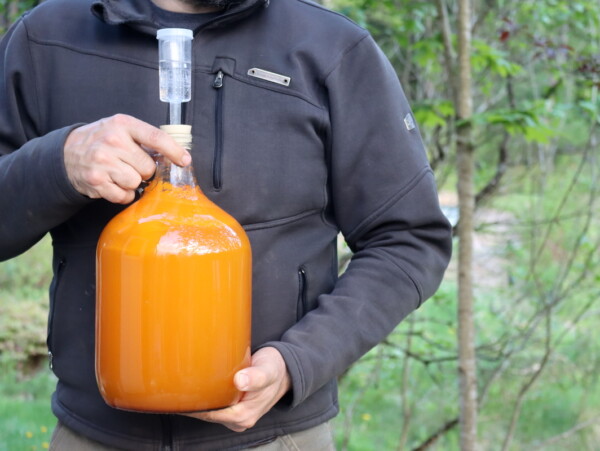
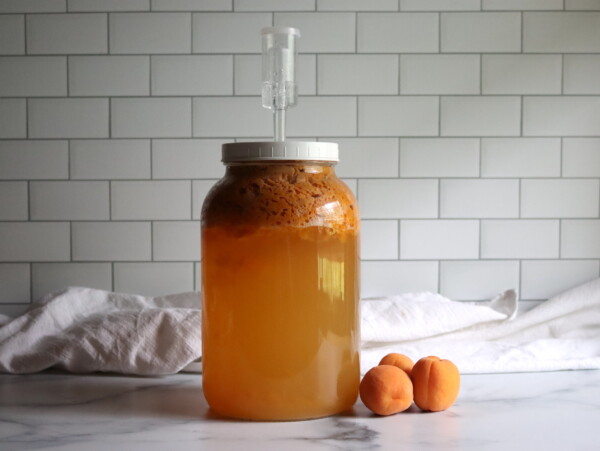
I have at least a dozen winemaking books and I consulted them all to come up with this recipe for pineapple wine. It’s closest to the Hawaiian Pineapple Wine Recipe from The Joy of Home Winemaking by Terry Garey.
If you tried this Pineapple Wine recipe, or any other recipe on Practical Self Reliance, leave a ⭐ star rating and let me know what you think in the 📝 comments below!
And make sure you stay in touch with me by following on social media!
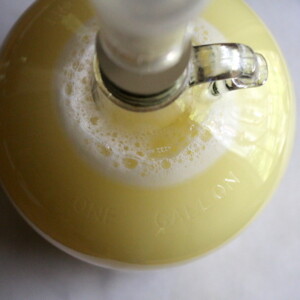
Pineapple Wine
Ingredients
- 3 to 4 lbs pineapple, 7 to 10 cups, chopped *See Note if using juice
- 2 lbs sugar, or 2 lbs honey for pineapple mead
- 1/2 tsp. Acid Blend
- 1/4 tsp. tannin powder
- 1 tsp. Yeast Nutrient
- 1/2 tsp. Pectic Enzyme, optional, but recommended
- 1 Campden tablet, crushed (optional)
- 1 packet wine yeast, see notes
Instructions
- Peel and chop pineapple and place it in a nylon fermentation bag inside a bucket fermenter (at least 2 gallons in size).
- Bring 3 quarts water and sugar to a boil on the stove, stir to dissolve, and then remove from heat.
- Allow the sugar water to cool to room temperature, then pour it over the pineapple in the fermenter.
- Add the remaining ingredients (except yeast), including tannin, acid, yeast nutrient, and crushed Camden tablet (if using). Stir to incorporate.
- Allow the mixture to sit covered with a towel for 24 hours to allow the Camden tablet to work (skip this waiting period if not using Camden tablet).
- After 24 hours, add the yeast and recover with a towel or cover loosely with a lid. The mixture will be vigorously fermenting, so it’s not necessary (or recommended) to use a water lock during this stage.
- Allow the mixture to ferment in primary for 7 to 10 days, until the vigorous fermentation slows. Remove the pineapple and siphon into a secondary fermenter, filling to within a few inches of the top with unchlorinated water. (A one-gallon narrow neck glass carboy is recommended.) Cap with a water lock and allow the mixture to ferment for 6 to 8 weeks.
- At this point, the wine could be bottled, but it’s highly recommended to rack several more times to help mature and clarify the wine. I’d suggest racking every 2 months for a total of 6 months (after the primary) before bottling.
- At bottling time, you can choose to bottle the wine as it is (as I did), or stabilize the wine and back sweeten with 2 to 6 ounces of sugar dissolved in water. Taste the wine before you bottle and make the decision based on your palate (adding sugar for a sweeter wine).
- Allow the wine to bottle condition for at least 2 months before drinking (preferably longer).
Notes
- 1/2 tsp Acid Blend = 1 1/2 teaspoons lemon juice
- 1/4 tsp Tannin Powder = 1 cup strongly brewed black tea
- 1 tsp Yeast Nutrient = 1/4 cup golden raisins (sultanas)
- Pectic Enzyme = highly recommended for pineapple due to bromelain; no good substitute
Nutrition
Nutrition information is automatically calculated, so should only be used as an approximation.
Pineapple Recipes
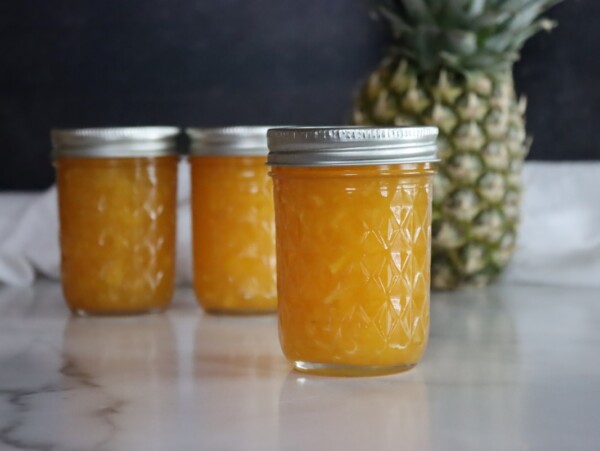
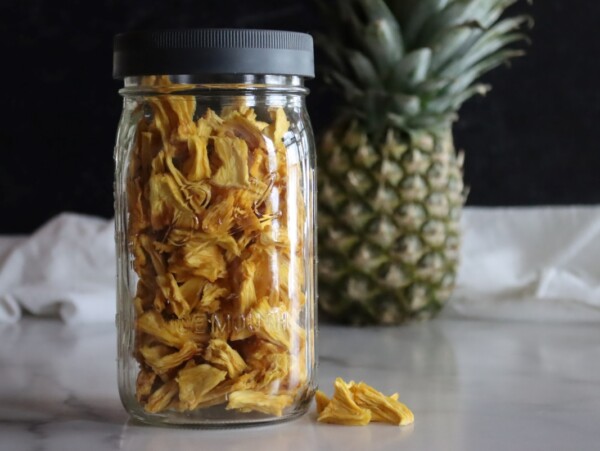
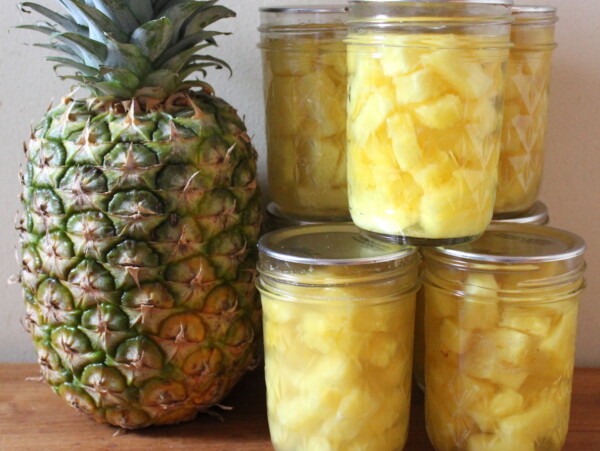
Pineapple wine is just one of many tropical and fruit wines you can make at home. For more winemaking inspiration, browse my collection of 50+ winemaking recipes or explore 50+ mead recipes for honey wine variations. Other fruit wines to try include mango wine, peach wine, cherry wine, and apple wine.
Find the perfect recipe
Searching for something else? Enter keywords to find the perfect recipe!









Hi, I am currently racking my lemon wine that I got from you and im very excited to get to a finishing point. In the meantime time, I was looking this recipe and wondering if you would have recommendations on how to mix ypjr pineapple recipe with your cranberry recipe? I love those flavors together and think it would be amazing but im.sos new to this im afraid to try to customize a recipe. I’d be interested in your thoughts. Thanks for these amazing recipes!
That sounds amazing. If I were going to do it, I’d just make a half batch of each recipe together in the same container. Let me know how it goes for you!
It would be handy to know how much wine and how much water went into the car boy at 2nd fermentation. I’m in Australia and don’t use gallons so I am constantly converting. We don’t have gallons so can’t just fill to near the top. Any idea, even the percentages of wine to water so I can estimate.
You don’t actually have to add any water to it. The more water you add, the more diluted the flavor will be. The additional water is only added to eliminate too much extra oxygen inside the fermentation vessel. I would just look for a fermentation vessel that will hold your liquid without much room left at the top. You can add a little water if needed but you want to only add enough so that your container is nearly full.
I love wine, and pineapple wine is one of my favorites! It’s sweet and fruity, and perfect for a summer evening.
Why not include the rind of the pineapple? Does it affect the finished taste or do it contain unwanted natural yeast? I grow them and I’ve getting ready to harvest a few and was curious?
I would imagine that the flavor wouldn’t be as good with the rind included.
HI there! I am just starting out with wine making. So far a lot of research and I finally started buying the supplies I will need for wine making. I am most intrigued by your pineapple wine and cranberry wine recipe. I was wondering but have found little information on this. What are your thoughts about making a cranberry/pineapple wine? Is there anything you think could prevent this from working or any tips you have that might help me in my venture?
That sounds delicious, and I think it’d work out wonderfully! I’d honestly just combine the recipes using half of the ingredients required for each and I think it’d be great. Best of luck!
This sounds wonderful!
Transferred my batch to my carboy but have not noticed much activity going on. Should I continue with the fermentation or toss it out and start over.
How long had it been fermenting when you transferred it?
Hello. It was fermenting for ten days.
And how long has it been in the secondary now and what does the activity look like?
It has been in a carboy with airlock for about a week. There is no visible activity.
Did you use non-chlorinated water? And was it very active when you transferred it over?
Yes I used non chlorinated water but it was not active when I transferred it over.
At this point, I don’t think it would hurt to go ahead and let it do it’s thing and see what happens. Just keep an eye on it and let me know if there are any changes.
Hello again. Well I racked my wine today for the first time. It is very cloudy. Also had a taste. Definitely has an acidic bite to it. Should I dump it and start over?
It’s actually not unusual for pineapple wine to be cloudy and you will actually want to rack it several times to help it clarify. You want to rack it after 2 months into the secondary, then again at 4 months and at 6 months either rack it again or bottle. When you get ready to bottle it you can stabilize it and back sweeten if it isn’t sweet enough for you. Then you want to let it condition for at least 2 months but preferably longer after bottling before drinking.
You are the best ever ❤
I want to make 5 gallons, how may pounds of hole pinapple would you recomend?
Doin this in a 6.5 gallon big mouth bubbler.
Also would you do a 24 hour freeze after you chop the pinapple to break down the cell walls and maximize the pinapple chunks
If you want to make 5 gallons, you can simply multiply the recipe by 5. Many people suggest freezing fruit prior to making wine. If you try it out, let us know how it works for you.
I made this. It turned out pretty good but I with it had more pineapple flavor.
I used 10 pineapples and made 3 gallons of wine.
Can’t wait this sounds very unique tasting. I love pineapples!