
Affiliate disclosure: This post may contain affiliate links. Please see our Privacy Policy.
Growing lemongrass indoors turns out to be one of the easier projects on a cold-climate homestead, even though most people think of it as a strictly tropical plant. With a sunny window or a small grow light, the right pot, and a bit of warmth, you can keep a productive lemongrass plant alive year-round in any climate, including up here in Vermont. The plant is forgiving, fast-growing, beautiful, and naturally repels mosquitoes when it’s outside in summer.
Table of Contents
- Notes from My Homestead
- Can You Grow Lemongrass Indoors?
- Benefits of Growing Lemongrass Indoors
- How to Grow Lemongrass from Cuttings (Easiest Method)
- How to Grow Lemongrass from Seed
- Lemongrass Indoor Care
- Overwintering Lemongrass Indoors
- How to Harvest Lemongrass
- How to Preserve Lemongrass
- How to Use Lemongrass
- Lemongrass FAQs
- How to Grow Lemongrass Indoors Recipe
- More Indoor Growing Guides
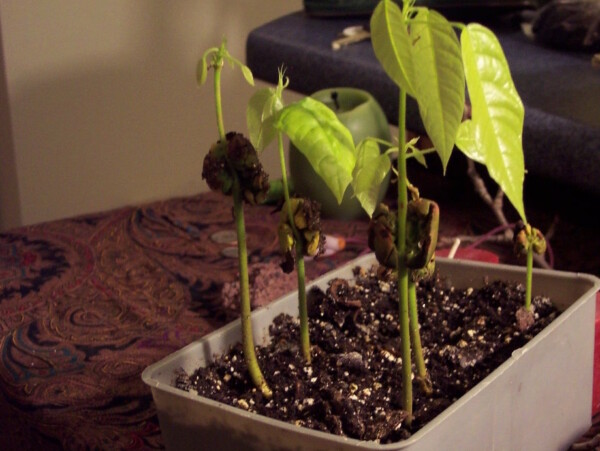
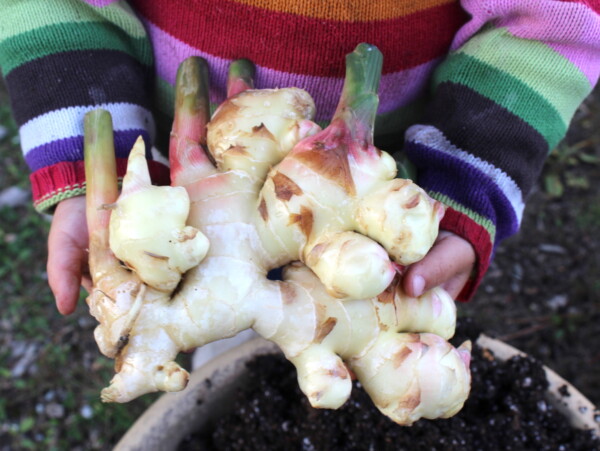
Fresh lemongrass isn’t something you see every day in most American grocery stores. It tends to live in Asian markets and the more adventurous food coops, which is exactly where I first discovered Vermont-grown lemongrass at our local coop. There was a bundle in the produce case with a bright tag reading “Locally Grown in Vermont,” and I stood there reading it three times before believing it. If a Vermont grower could pull this off, I figured we could too on our homestead, right alongside our homegrown Hawaiian ginger, our indoor turmeric, and the tiny cacao trees we keep on the south-facing windowsill in winter.
That’s the thing about tropical and subtropical edibles in cold climates: a lot of them grow beautifully as houseplants. Lemongrass is one of the easiest of the bunch once you understand a few quirks of its care, and it’s the perfect companion to our other indoor exotics. Bring it outside in summer, drag it back in before frost, and you’ll have a steady supply of fresh stalks for Thai soups, curries, and herbal tea, plus a fragrant houseplant that smells like sunshine when you brush against it.
Notes from My Homestead

I started my first lemongrass plant from a sad-looking grocery store stalk, which I dropped into a jar of water and basically forgot about for a month. When I finally remembered to check on it, there were thick white roots reaching down toward the bottom of the jar and a few tiny green shoots starting to push up from the base. From there, it was a quick move into a pot of potting soil, and that single grocery store stalk is now a clump of plants that has divided itself into half a dozen pots over the years.
Our lemongrass spends summers on the back patio next to the basil and the potted citrus, and winters in a sunny west-facing window in the kitchen. It’s never the prettiest plant in the house in February, since the leaves get a little ragged from the dry indoor air, but it’s always alive and ready to push fresh growth as soon as the days start lengthening in March. For a tropical plant living in zone 4, that’s nothing short of remarkable, and it makes me a little bolder every year about what we’ll try to grow inside.
This article answered so many questions for me! I live in Atlanta, and I dug out the trash ground under my fire escape and turned it into a 3×4′ raised bed. I used two lemongrass seedlings as part of the plot, and it has grown amazingly well! So well it is dominating the space. Thank you for this extremely well written article showing me how to preserve and share this plant!
Can You Grow Lemongrass Indoors?
Yes, you can absolutely grow lemongrass indoors, and in any climate colder than USDA zone 9, growing it indoors at least part of the year is the only way to keep the plant alive long-term. Lemongrass (Cymbopogon citratus) is a tender perennial native to tropical Asia, which means it can’t tolerate frost and will die back at temperatures below about 40°F. The good news is that it adapts beautifully to container life, and a single well-tended pot can produce more lemongrass than most home cooks will use in a year.
The keys to success indoors are sunny exposure, consistent warmth, regular watering, and a deep enough pot to support the plant’s vigorous root system. Six hours of direct sunlight per day is the minimum, and a south-facing window is ideal in the northern hemisphere. If you don’t have great natural light, supplemental DIY grow lights work very well for lemongrass, since it’s a high-light plant that responds quickly to better illumination.
Benefits of Growing Lemongrass Indoors
Beyond the obvious payoff of having fresh lemongrass anytime you want to make Thai or Vietnamese cooking, growing lemongrass indoors has some nice bonuses I didn’t appreciate until our first plant settled into the kitchen window:
- Fresh stalks year-round. Grocery store lemongrass is sold in tiny plastic clamshells with two or three stalks for $4-$5, and a single mature pot will produce a harvest of that size every couple of weeks during active growth.
- Natural mosquito repellent in summer. The same citronellal compounds in commercial repellent products are produced by lemongrass leaves, and a few pots scattered around your patio do real (if modest) work keeping mosquitoes at bay.
- Beautiful year-round. Lemongrass grows in elegant fountain-shaped clumps with arching grass-like leaves that look great in any sunny indoor spot. Mine looks just as good in February as my houseplants do.
- Fragrant when brushed. The leaves release a clean, lemony scent when you touch them or brush past, which is a small daily pleasure I never get tired of.
- Pet-safe and kid-friendly. Lemongrass is non-toxic to humans and is generally listed as non-toxic for cats and dogs, though pets that chew large amounts may have stomach upset. Always confirm with your vet for any specific concerns.
If you’ve already had success with our other indoor exotic guides like growing ginger indoors or growing lemon trees from seed, lemongrass will feel like an easy extension of that same setup. The same sunny window and the same general care routine work for all of them.
How to Grow Lemongrass from Cuttings (Easiest Method)
The fastest and most reliable way to start lemongrass at home is from a fresh stalk, which roots in water in about a month. Most home gardeners (myself included) start their first plant this way because it skips the finicky germination phase entirely and gets you a real plant in just a few weeks.
The catch is finding the right kind of stalk. Lemongrass sold in those small plastic herb boxes at the supermarket is usually trimmed too short to root, since the rooting base is at the very bottom of the stalk. Look at the cut end of the stalk before you buy. If you can see distinct concentric rings (like the cross-section of a leek or scallion), the stalk has been cut too high and won’t root. What you want is a stalk where the leaves wrap together at the bottom into a solid bundle, with the very base intact. That bundle is where new roots and shoots will emerge.
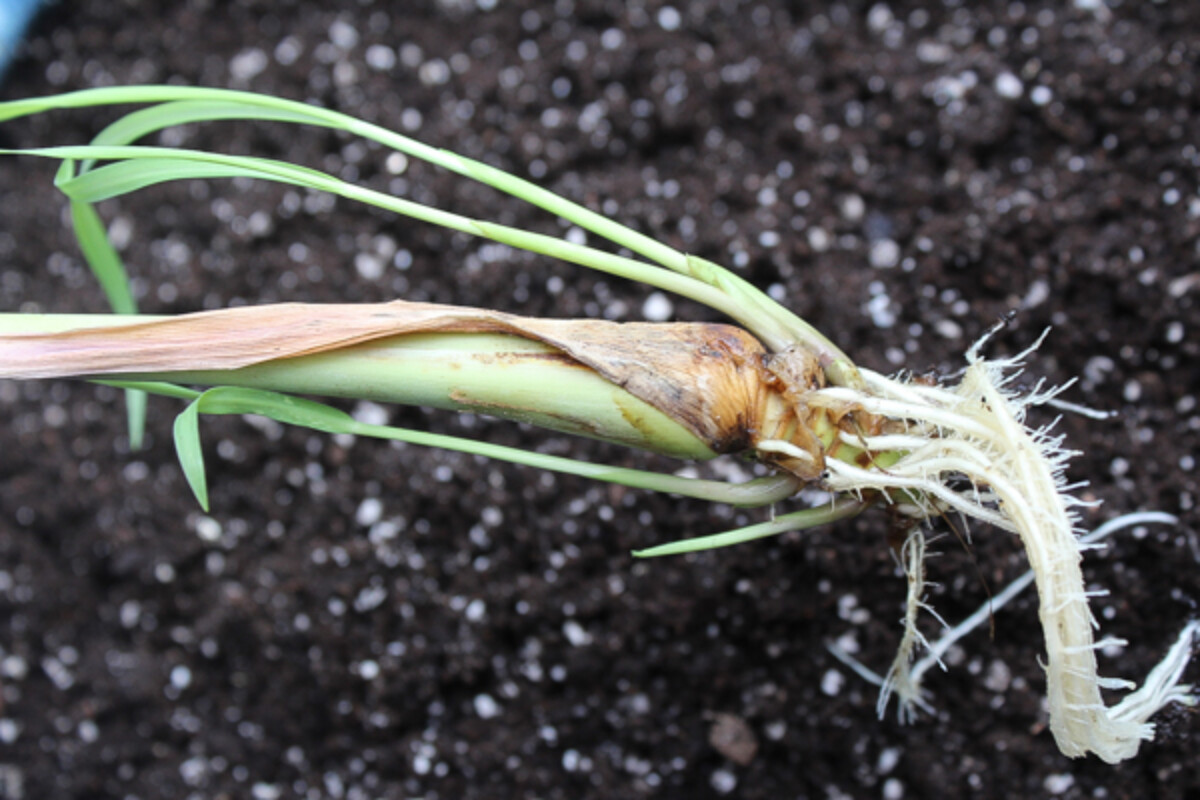
Asian and international grocery stores are the best places to find suitable stalks, since they sell lemongrass with the rooting base intact. Some upscale food coops carry it too. Once you’ve got a stalk that looks promising, peel off any obviously dried-out outer layers, trim the leafy top to about 6 to 8 inches, and stand the stalk in a jar with about an inch of water at the bottom. Keep the jar somewhere warm and bright, change the water every few days, and within two to four weeks you should see white roots developing along with new green shoots emerging from the center of the stalk.
When the roots are an inch or two long, transplant into a pot filled with well-draining potting soil. Bury the stalk just deep enough to cover the roots, water in well, and put the new plant in your sunniest window. If you can’t find a fresh stalk locally, pre-rooted lemongrass plants are available online and arrive ready to pot up immediately.
How to Grow Lemongrass from Seed
Growing lemongrass from seed is doable but trickier than starting from cuttings, and germination rates can be unpredictable even for experienced seed starters. The seeds need consistently warm soil (right around 70°F), reliable humidity, and patience, since they often take two to four weeks to sprout, with fresh seeds germinating noticeably better than older seed.
Start lemongrass seeds indoors at least eight to ten weeks before your last frost date if you plan to move the plants outside for summer. My guide to when to start seeds indoors covers timing for various plants, and the general principle of providing bottom heat with a seedling heat mat applies just as much to lemongrass as to peppers and tomatoes. Use a sterile seed-starting mix, sow the seeds just under the surface of the soil, mist gently with water, and cover with a humidity dome to hold moisture in.
The combination of warmth, moisture, and humidity that lemongrass seeds need is also a recipe for fungal damping-off if you’re not careful, so good airflow once seedlings emerge is essential. My post on common seed starting mistakes goes into more detail on damping-off and how to prevent it, and the beginner’s guide to seed starting walks through the basic setup if you’re just getting started. Lemongrass seeds are available online if your local nurseries don’t carry them.
Lemongrass Indoor Care
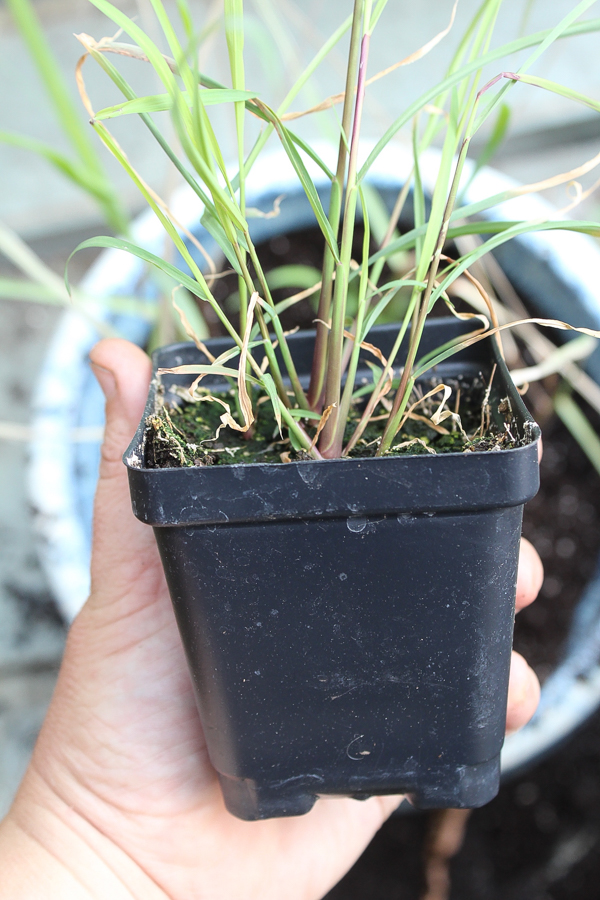
Once your lemongrass is established in a pot, indoor care is genuinely simple. The plant is forgiving and self-propagating, and it’ll signal clearly when something is off. Here’s what to know about each piece of the care routine.
Light Requirements
Lemongrass needs at least six hours of direct sunlight per day to thrive. South-facing windows are ideal in the northern hemisphere, with east and west exposures as backup options. If your indoor light is weak (especially during short winter days), supplemental grow lights make an enormous difference. A small full-spectrum LED panel running 12 to 14 hours a day will keep an indoor lemongrass plant productive even through a Vermont winter.
Signs your lemongrass needs more light: pale yellow-green leaves, leggy stretching toward the window, and slow or stopped growth. A healthy plant has saturated medium-green color and produces new shoots regularly.
Temperature
Indoor temperatures between 65 and 80°F are ideal for active growth. Lemongrass slows down considerably below 60°F and will go dormant or die back if temperatures drop into the 40s and below. Keep pots away from cold drafty windows in winter, and don’t put them outside in spring until nighttime lows are reliably above 50°F.
Watering
Lemongrass prefers consistently moist soil but not soggy soil. The simplest approach is to water deeply when the top inch of soil feels dry, letting water drain freely from the bottom of the pot. In summer when growth is active, that often means watering every 2 to 3 days. In winter when the plant is semi-dormant, watering once a week or even every 10 days is usually plenty.
Yellowing lower leaves usually mean the plant is either overwatered (sitting in water in the saucer) or underwatered (soil pulled away from the sides of the pot). Both are easy to fix once you spot the signal.
Humidity
Indoor air in winter (especially with forced-air heat) is often very dry, and lemongrass can develop crispy brown leaf tips in those conditions. The plant won’t die from low humidity, but it’ll look ratty. A simple humidity tray (a saucer of pebbles with water) under the pot helps, and grouping lemongrass with other indoor plants creates a small humid microclimate. A whole-room humidifier in the brightest room is the most effective fix if dryness is a chronic problem.
Fertilizing
Lemongrass is a heavy nitrogen feeder, and indoor pots will exhaust their nutrients quickly without regular feeding. From early spring through early fall, top-dress with a thin layer of compost every few weeks, or feed with a diluted liquid fertilizer like fish emulsion every two weeks. Worm castings and alfalfa meal are both excellent organic options that release slowly and won’t burn the roots.
Reduce or stop fertilizing in winter, when the plant isn’t actively growing. Feeding a dormant plant doesn’t help it and can lead to soft, weak growth or even fertilizer burn.
Repotting and Dividing
Lemongrass clumps grow vigorously and will outgrow their pots within a year or two. When you see roots circling at the surface or escaping the drainage holes, it’s time to either move up to a larger pot or divide the clump. Spring is the best time for either operation, just as the plant is starting active growth.
To divide a clump, slide the plant out of its pot, lay it on its side, and use a sharp knife or hori hori to cut it into two or three sections, making sure each section has both roots and at least a few green stalks. Repot each division into fresh soil and water in well. Spring-divided lemongrass usually doesn’t even pause its growth and you’ll have multiple plants from a single mature clump, which makes it easy to share with friends or expand your own setup.
Overwintering Lemongrass Indoors
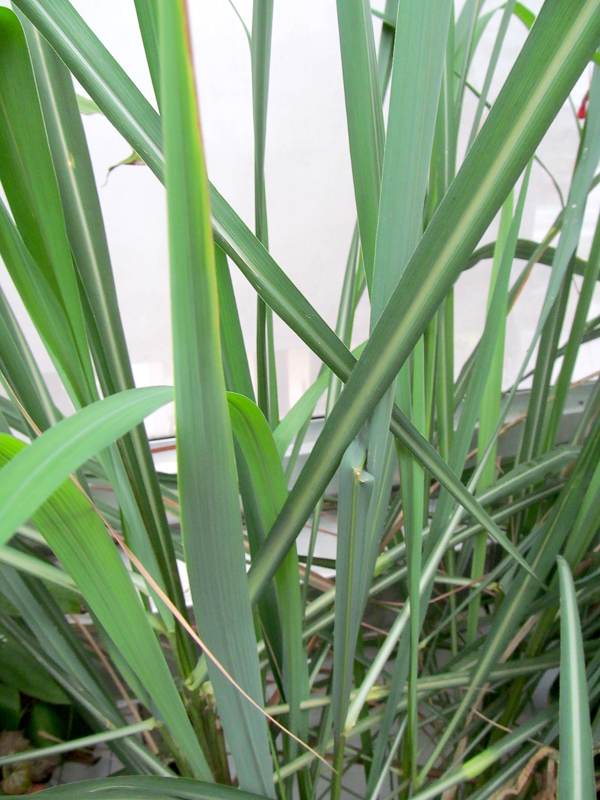
For anyone in zone 8 or colder, the move from outside to inside is the single most important moment in the lemongrass year. Bring the pots in well before the first frost, ideally when nighttime lows start dropping toward 50°F. In Vermont, that usually means the lemongrass comes inside in mid-September, even though our first frost typically isn’t until October.
Before bringing the plants in, give each clump a haircut, cutting the stalks back to about 6 to 8 inches tall. This serves two purposes: it reduces the plant’s water demand at a time when indoor light is weaker, and it gives you a generous fall harvest of stalks to preserve. Inspect each pot for hitchhiking pests (aphids, spider mites, the occasional slug), wipe down the pot exterior with a soapy cloth, and consider repotting in fresh sterile soil if the plant has been outside all summer.
Once indoors, place the trimmed plants in your brightest window. Reduce watering substantially compared to summer, and stop fertilizing entirely until spring. Some leaf yellowing or browning is normal during the transition and isn’t a sign that the plant is dying. As long as the central core of the clump is firm and green, your plant is alive and waiting for the days to lengthen. By February or March, you’ll start seeing fresh new shoots, which is the signal to gradually resume more regular watering and a light feeding schedule.
How to Harvest Lemongrass
Harvesting lemongrass is one of those small homestead pleasures that still surprises me, since you essentially get a usable kitchen ingredient out of a houseplant. Wait until your stalks are at least half an inch in diameter at the base before harvesting your first one, which usually takes about four to six months for cutting-grown plants and longer for plants started from seed.
To harvest, gently brush the soil away from the base of an outer stalk to expose where it narrows and turns to roots. Cut the stalk just below the soil line with a sharp knife or scissors, removing the entire stalk including the bulbous base, which is the part you actually want for cooking. Don’t twist or pull, since that can damage the rest of the clump. Trim away the dry outer leaves and the leafy top, and you’ll be left with a clean ivory-and-pale-green stalk a few inches long, which is what most Asian recipes call for.
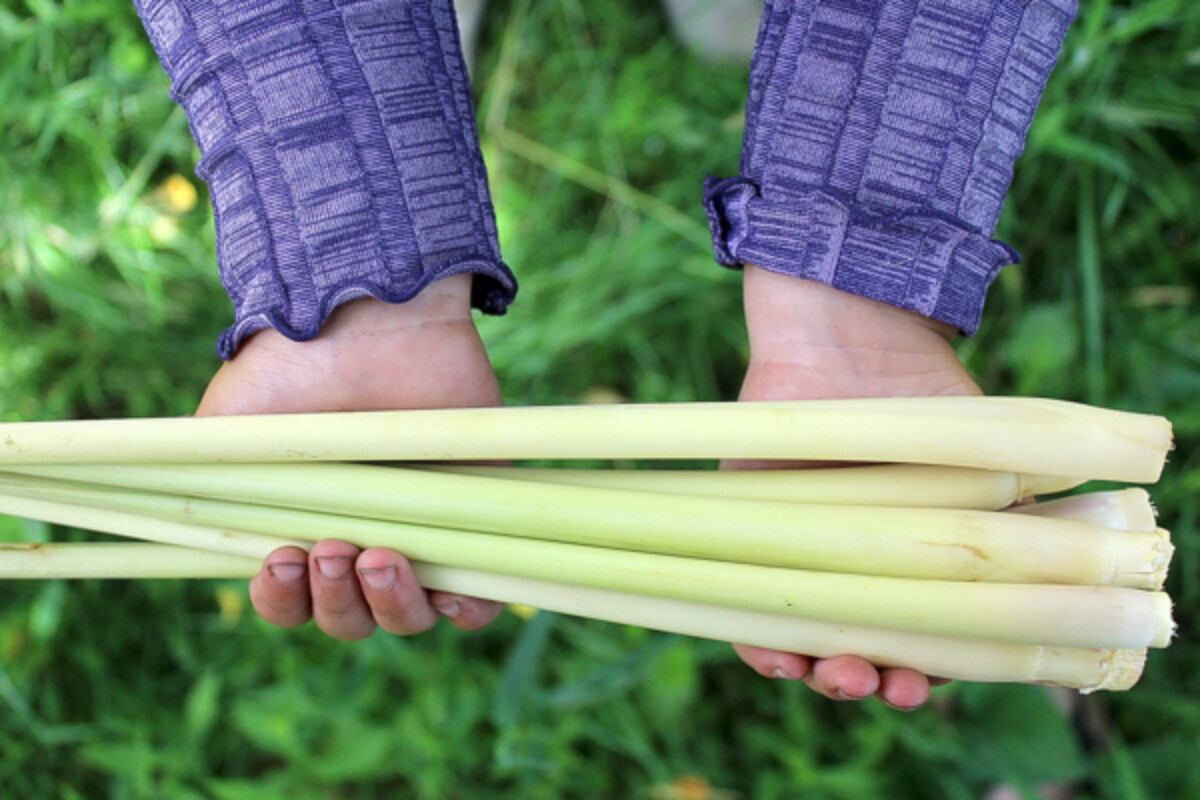
Harvest from the outside of the clump first, leaving the inner younger stalks to keep growing. A healthy mature plant can produce a small harvest every two to three weeks during active growth, and dividing a vigorous clump in spring will dramatically increase your total annual harvest. The leafy tops, which most recipes don’t use, are great for drying as a lemony herbal tea, since they have a clean citrus flavor that pairs beautifully with the dried lemon balm and other lemony herbs in our tea blends.
How to Preserve Lemongrass
Most years I have more lemongrass than I can use fresh, especially after the fall harvest when I cut everything back for the indoor move. Preserving a few stalks makes sure none of it goes to waste, and a few different methods work depending on how you plan to use it later.
Freezing is the simplest method and what I do with the bulk of my fall harvest. Wrap whole stalks tightly in plastic or seal them in a freezer bag, removing as much air as possible. Frozen stalks can be pulled out one at a time and used directly from the freezer in soups, curries, and braises. The texture gets a touch woodier than fresh, but the flavor stays bright for at least a year.
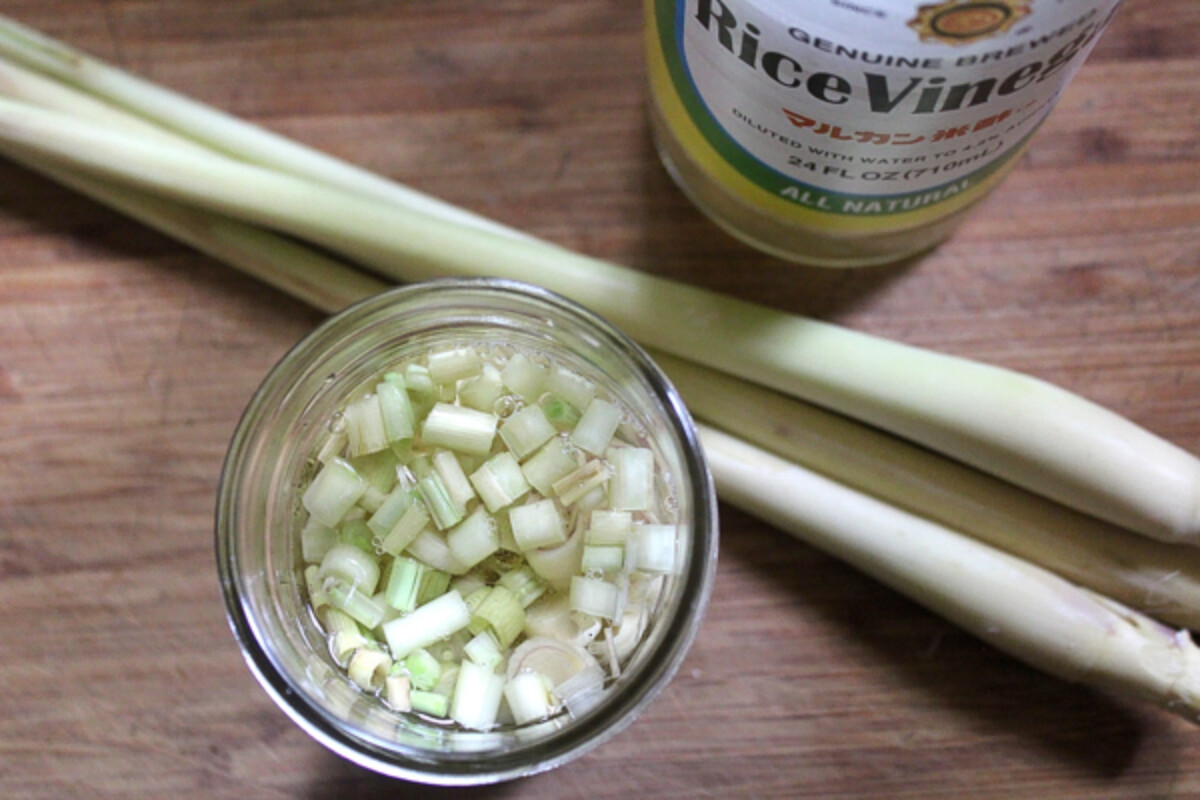
Pickling in rice vinegar is my favorite long-term preservation method, since the lemongrass infuses the vinegar at the same time. Slice clean lemongrass stalks into thin coins and pack them into a jar, cover with seasoned rice vinegar, and refrigerate. Both the lemongrass and the infused vinegar are usable in any Asian recipe that calls for either ingredient. The same general approach works for making any herbal vinegar, which I lean on heavily in winter for salad dressings and stir-fries.
Drying the leafy tops for tea is the simplest leaf-use method. Cut clean leaves into 2-inch sections, spread them in a single layer on a screen or dehydrator tray, and dry at low heat (95-105°F) until they crumble between your fingers. Stored in a sealed jar away from light, dried lemongrass tea keeps its flavor for at least a year and makes a refreshing iced tea in summer. Pairs well with mint, ginger, or any of our other herbal tea blends.
Lemongrass-infused vodka is the fun option if you make cocktails. Pack a clean jar with sliced stalks, cover with vodka, and let it infuse for a week or two before straining. The infused vodka adds a bright Southeast-Asian note to gimlets, mules, and citrus cocktails.
How to Use Lemongrass
Once you’ve got a productive lemongrass plant going, the next question is what to do with all of it. Lemongrass is the backbone of Thai and Vietnamese cuisines and shows up in everything from soups and curries to grilled meats and cocktails. Here are some of my favorite recipes to try with home-harvested lemongrass.
Curries and Soups Using Lemongrass
- Thai Green Curry with Chicken
- Easy Vegan Pho (Vietnamese Noodle Soup)
- Lemongrass Curry Soup with Cashew Cream
- Vegan Thai Lemongrass Coconut Curry Soup
Main Courses Using Lemongrass
- Lemongrass Tofu Banh Mi Sandwiches
- Lemongrass Grilled Pork Tenderloin
- Vietnamese Lemongrass Pork
- Lemongrass Chicken
- Chicken Satay with Peanut Sauce
- Vietnamese Spring Rolls with Lemongrass Beef
- Vietnamese Noodle Salad with Lemongrass Chicken
Drinks Using Lemongrass
Lemongrass FAQs
Yes. Lemongrass adapts well to container life and grows happily as a houseplant in any climate, provided it gets at least six hours of direct sunlight per day, indoor temperatures above 60°F, and consistent watering. In zone 8 and colder, indoor growing for at least part of the year is the only way to keep lemongrass alive long-term, since the plant cannot tolerate frost.
A grocery store stalk with the rooting base intact will develop visible white roots in about two to four weeks when stood in a jar with an inch of water at the bottom. Once roots are an inch or two long, the cutting can be transplanted into a pot of well-draining potting soil. The plant will grow noticeably over the following months, with the first stalks ready to harvest about four to six months after planting.
Lemongrass needs the rooting base intact to develop new roots and shoots. If you can see distinct concentric rings at the cut end of the stalk (like the cross-section of a leek or scallion), the stalk has been trimmed too short above the rooting zone and will not root. Look for stalks where the leaves wrap together at the bottom into a solid bundle, with no visible rings.
Yes. Removing dry, brown, or damaged leaves keeps the plant looking tidy and allows more sunlight to reach the healthy green leaves. Use clean scissors or pruners and trim back to where the leaf is still green. This is also a good time to inspect the clump for any pests hiding in the older foliage.
Lemongrass is generally considered non-toxic to humans and is listed as non-toxic for cats and dogs by most pet poison resources. However, large quantities can cause stomach upset in pets that chew on the leaves, and the long fibrous leaves can occasionally cause intestinal blockage in cats. Most cats nibble small amounts without issue, but consult your vet for any specific concerns about your pet.
Lemongrass leaves contain citronellal and related compounds that are also found in commercial citronella products. The plant does provide modest mosquito-repelling effects when grown in pots near outdoor seating areas, especially when the leaves are gently bruised to release more of the volatile oils. It is not a substitute for stronger repellents in heavy-mosquito conditions, but it can help reduce mosquito activity in a small patio area.
If you tried growing lemongrass indoors, leave a ⭐ star rating on the how-to card and let me know how it went in the 📝 comments below!
And make sure you stay in touch with me by following on social media!
How to Grow Lemongrass Indoors
Equipment
- Garden Trowel
Ingredients
- Fresh lemongrass stalk with intact rooting base
- water
- well-draining potting soil
- organic fertilizer, worm castings or alfalfa meal
Instructions
- Select a fresh lemongrass stalk from an Asian grocery or food coop. Check that the cut end has leaves wrapping together at the base, with no visible concentric rings.
- Peel off any dried-out outer layers and trim the leafy top to about 6-8 inches.
- Stand the stalk in a glass jar with about 1 inch of water at the bottom. Place in a warm, bright spot.
- Change the water every 2-3 days. After 2-4 weeks, white roots will develop and new green shoots will emerge from the center of the stalk.
- When roots are 1-2 inches long, transplant into a 6-8 inch pot of well-draining potting soil. Water thoroughly.
- Place in your sunniest window (south-facing ideal) for at least 6 hours of direct sun per day, or use a grow light. Keep indoor temperatures above 60°F.
- Water when the top inch of soil feels dry. Feed with diluted liquid fertilizer every 2 weeks during the growing season.
- First stalks ready to harvest at base diameter of 1/2 inch or larger, usually 4-6 months after planting. Cut just below the soil line.
If you’ve enjoyed adding lemongrass to your homestead, you might want to expand your indoor exotic collection. Growing ginger indoors uses essentially the same setup, and growing turmeric is its close cousin. For a real adventure, the cacao tree guide walks through how we keep an actual chocolate tree alive on the homestead in zone 4.
More Indoor Growing Guides
Find the perfect guide
Searching for something else? Enter keywords to find the perfect guide!
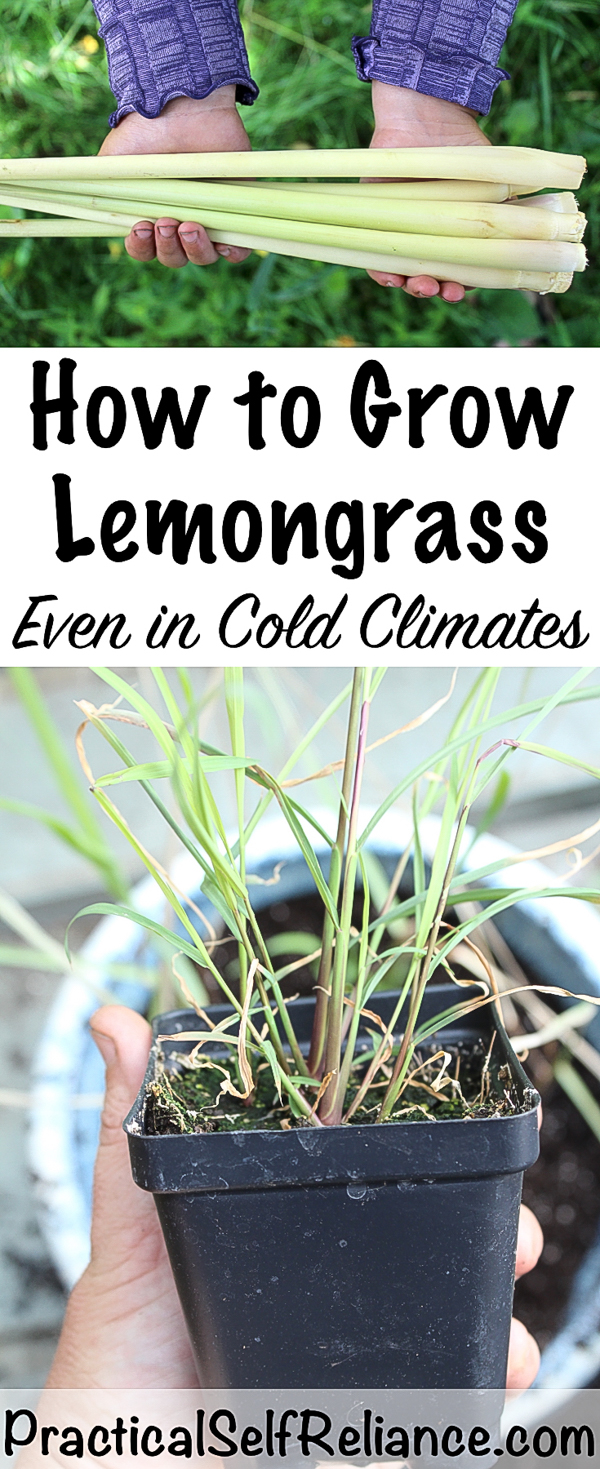











Lemongrass is so easy to grow and so rewarding to use fresh!
I have 4 pots at 18″ that I being in for the winter. my cats love to chew on it so do not cut it back. It makes a nice jungle for them to play in, along with my ginger, turmeric
This article answered so many questions for me! I live in Atlanta, & I dug out the trash ground under my fire escape and turned it into a 3×4′ raised bed. I used two lemongrass seedlings as part of the plot, and it has grown amazingly well! So well it is dominating the space- thank you for this extremely well written article showing me how to preserve and share this plant!
I am after one place to export my lemongrass. How many thousand of grass I planted on my farm but I am looking for the buyer.
Good luck, I can’t help you with that one.
Should you trim off the dry leaves from the plant, is it beneficial for better growth?
Yes, that will allow more sunlight to get to the living leaves and help keep the plant healthy.
What an excellent article, thankyou!
Question on growing Lemon Grass. I get it from some local ethnic grocery stores like a Korean store. The product looks like your picture holding the harvested plant. My question is can I take the ends of those and put them in water & will they root?
It should. When you look at the end, it should have all the leaves folded around the end, coming together. If you see rings, like the cross-section of a leek, then it’s been cut off too short for planting.