Affiliate disclosure: This post may contain affiliate links. Please see our Privacy Policy.
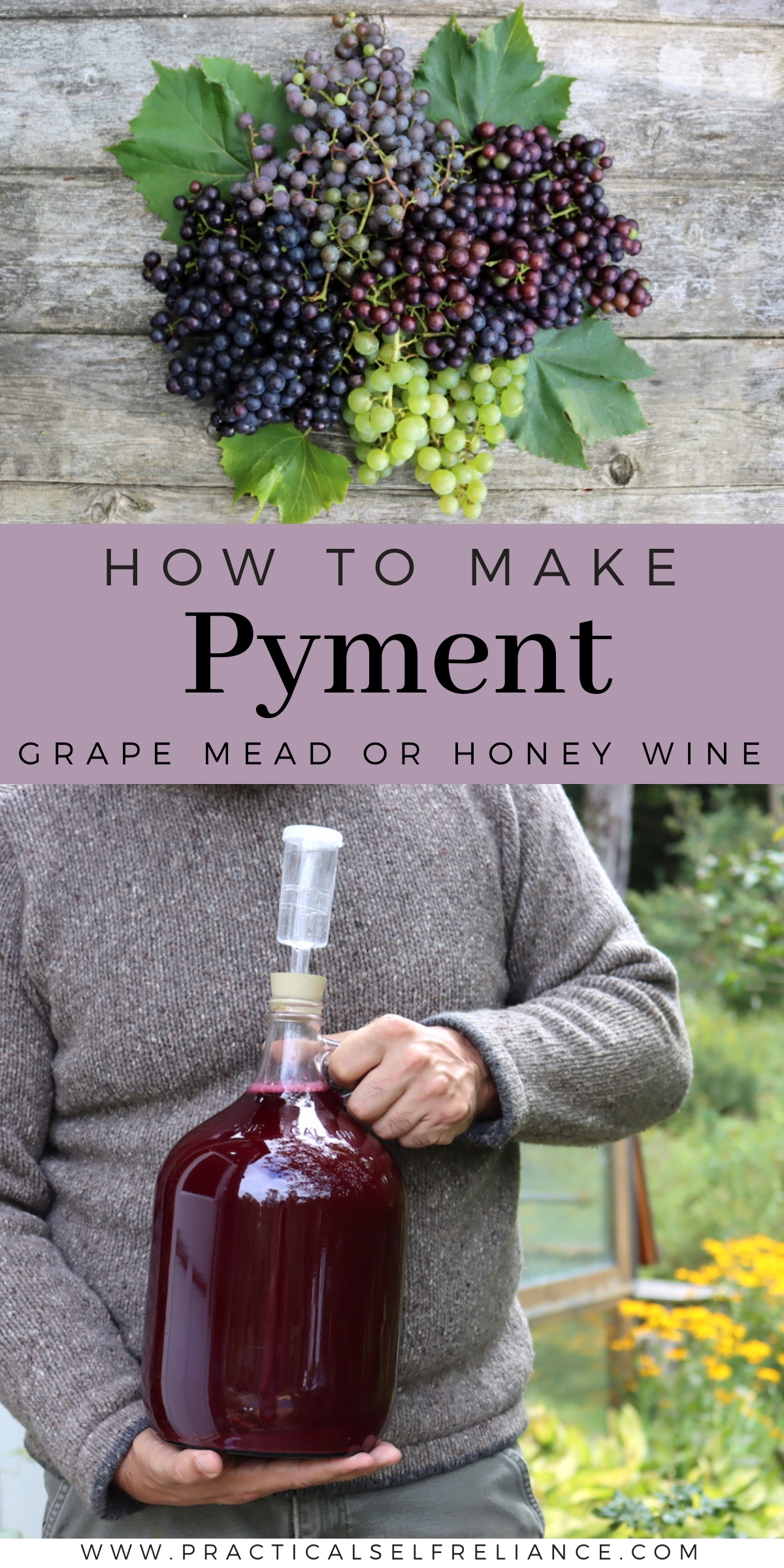
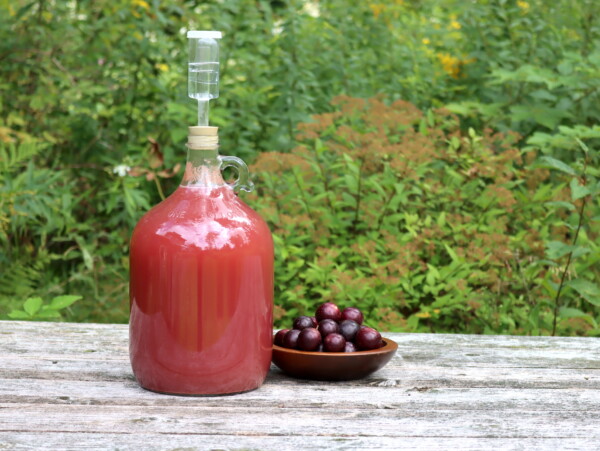
Pyment is a honey wine made with grapes, combining the best qualities of both honey mead and grape wine into something truly special. The honey adds body and residual sweetness, while the grapes contribute tannins, color, and fruity depth that makes for a complex and satisfying drink that improves beautifully with age.
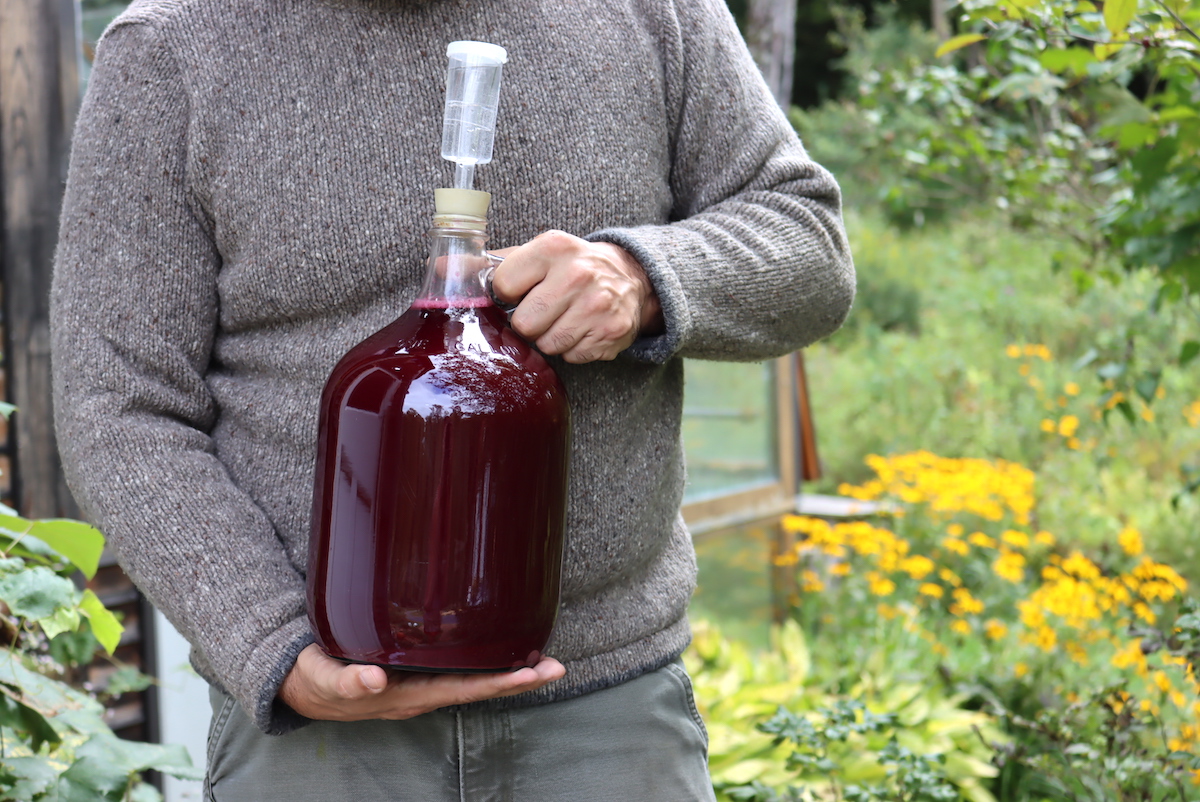
This ancient beverage dates back to medieval Europe, where it was considered a drink fit for royalty, and the combination of honey and grapes creates something that tastes neither quite like traditional mead nor quite like grape wine, but rather a rich blend of both.
The grapes provide natural nutrients that help the yeast ferment more efficiently than honey alone, which means pyment is actually one of the easier types of mead to make successfully. You can create a red, white, or rosé pyment depending on the grapes you use, and the flavor profile will shift dramatically based on grape variety, honey type, and how long you age it.
Pyment works particularly well for backyard grapes that might not be sweet enough to make a traditional wine without a lot of added sugar. Many cold-hardy grape varieties grown in northern climates produce juice that is more acidic and less sweet than commercial wine grapes, and adding honey solves both problems at once.
The honey brings sweetness and body while balancing the extra acidity, and you end up with a finished drink that showcases your homegrown grapes in a full-bodied homemade bottle, perfect for sharing.
Notes from my Kitchen

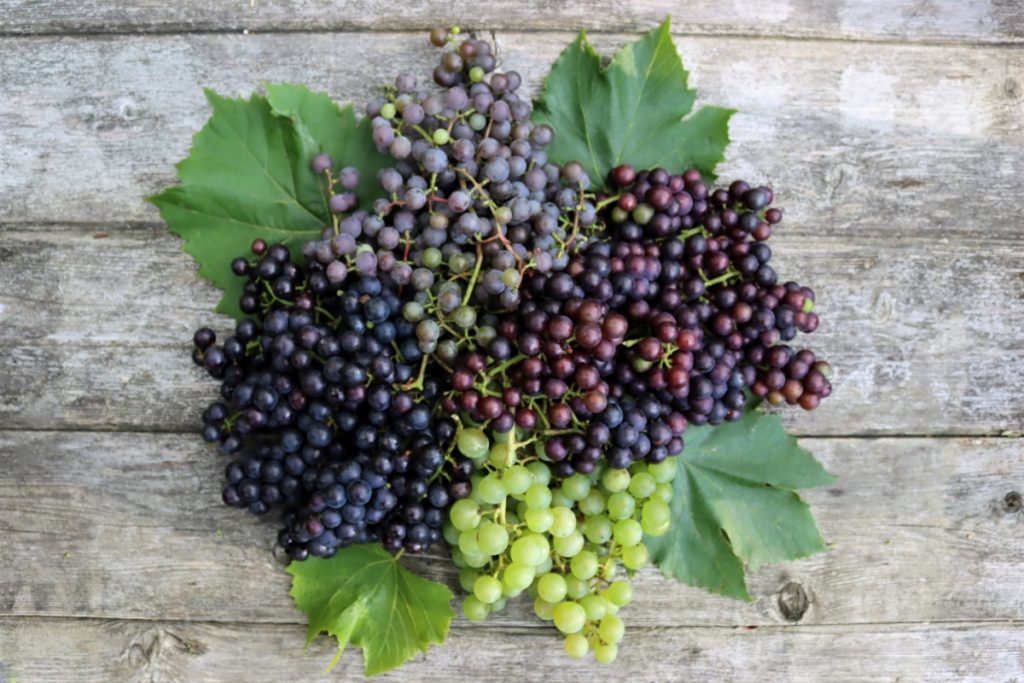
We grow about a dozen varieties of cold-hardy grapes here on our Vermont homestead, but almost all of them are wine grapes rather than table varieties. Our short Vermont summers mean the grapes never quite get sweet enough to make a traditional wine without adding a significant amount of sugar, so mead became the obvious solution. The first time I made pyment, I was honestly surprised at how much better it turned out than my attempts at straight grape wine from the same fruit.
I have found that pyment made with all grape juice can taste a little too intense and acidic with the varieties we grow, so I prefer diluting the juice with water and using more honey. This creates a better balance and lets the honey character come through alongside the grape flavor rather than being overwhelmed by it. If you have white wine grapes or juice that is not particularly acidic, you can absolutely go heavier on the grape juice, but for our northern wine grapes, a 50/50 mix of juice and water works perfectly.
Ingredients for Pyment (Grape Mead)
Like any country homemade wine or mead, pyment relies on balancing sweetness, acidity, tannin, and alcohol to create a well-rounded finished drink. The grapes bring some of these elements naturally, and the honey and other winemaking ingredients fill in what the fruit lacks.
- Grape juice – Provides the primary fruit flavor, color, and some natural tannins. You can use fresh pressed juice from your own grapes, store-bought 100% grape juice with no preservatives, or grape juice concentrate. Fresh homegrown juice is ideal, and freezing your grapes before pressing helps break down the cell walls and release more juice and flavor. Red grapes will give you a deep purple mead, while white grapes produce a golden or straw-colored mead.
- Honey – The defining ingredient that makes this a mead rather than a wine. Honey adds fermentable sugars, body, and its own subtle flavor notes. The amount you use depends on whether you are working with homegrown or commercial juice. For homegrown grapes that are less sweet and more acidic, use 2 pounds of honey per gallon with half a gallon of juice and water to fill. For sweeter commercial grape juice, use 1.75 pounds of honey per gallon. Any honey variety works, though wildflower and clover are classic choices that let the grape flavor shine.
- Water – Creates the mead base and dilutes the grape juice to a more balanced concentration. Use filtered or spring water if your tap water has a noticeable chlorine taste, since chlorine can inhibit yeast activity. For pyment, you will be adding water to bring the total volume up to your target batch size after adding the juice and honey.
- Wine yeast – Different yeast strains produce dramatically different flavors and alcohol levels. Wine yeast contributes flavor esters during fermentation that can enhance the fruity grape character or add other interesting notes. See the yeast section below for specific recommendations for pyment.
- Yeast nutrient – While grapes provide more nutrients than honey alone, pyment still benefits from added nutrients. Use 1 teaspoon of yeast nutrient per gallon. Honey is difficult for yeast to metabolize efficiently, and proper nutrition prevents stuck fermentations and off flavors. You can substitute a small handful of raisins if you prefer, but powdered yeast nutrient gives more consistent results.
- Pectic enzyme – Highly recommended for pyment. Use 1/2 teaspoon per gallon. Grapes are naturally high in pectin, which can cause permanent cloudiness in the finished mead. Pectic enzyme breaks down this pectin and results in much better clarity. Add it before pitching the yeast for best results.
- Tannin – Most wine grapes already contain tannins in their skins and seeds, so you may not need additional tannin powder. If your grapes are not particularly tannic (white grapes or thin-skinned varieties), add 1/8 teaspoon of wine tannin per gallon. You can also substitute a strong cup of plain black tea. Tannin adds body and structure to the finished pyment.
I have found that pyment generally does not need an added acid blend because the grapes provide enough natural acidity on their own. Taste your juice before starting, and if it already has a nice tart bite to it, skip the acid entirely.
Yeast for Pyment
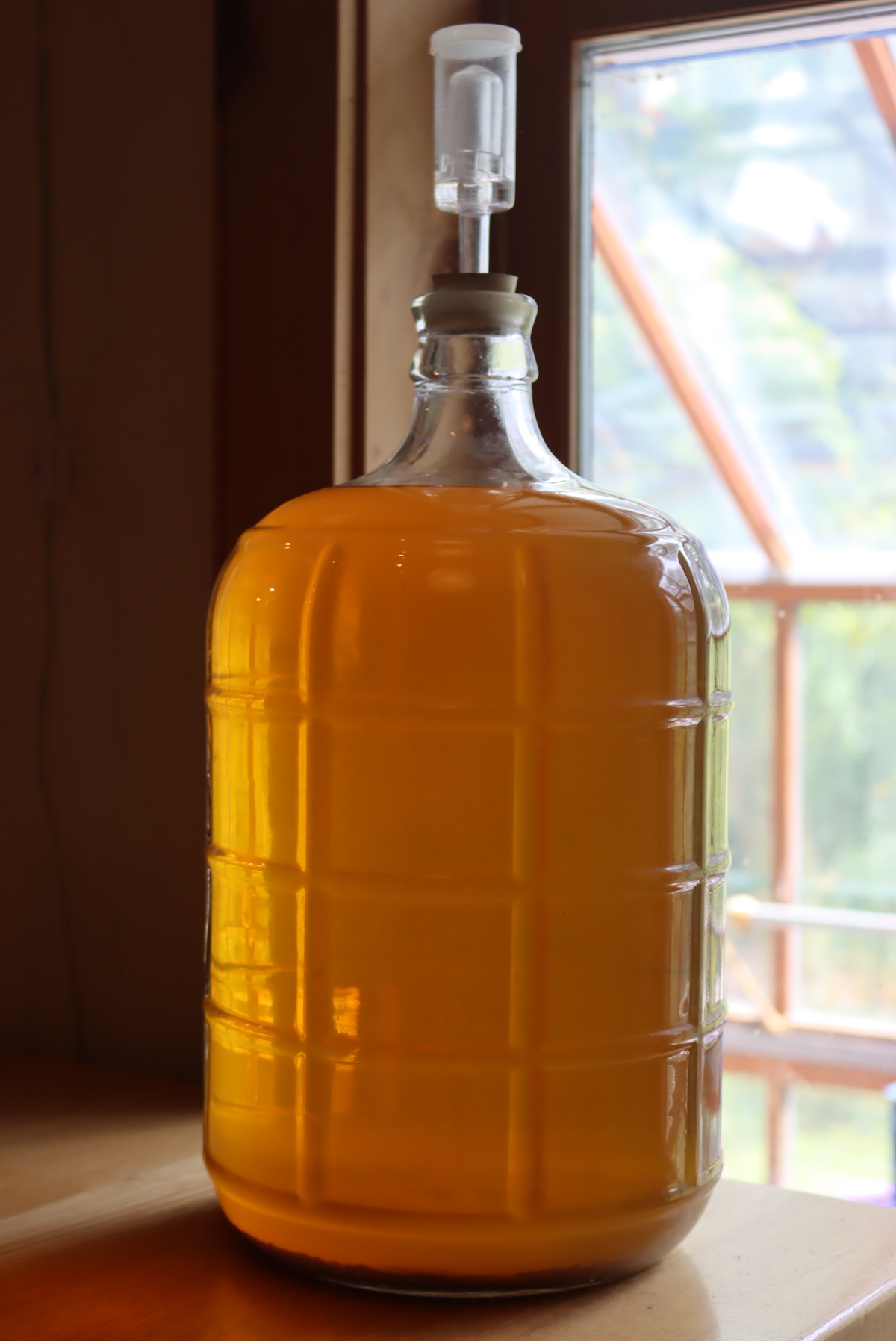
The yeast strain you choose has a significant impact on the finished flavor and character of your pyment. Different strains work better with red versus white grapes, and some are better at handling the combination of honey and grape sugars. Here are my top recommendations:
- Lalvin 71B-1122 – My favorite choice for pyment, especially when working with acidic homegrown grapes. This strain metabolizes malic acid during fermentation, which softens sharp fruit acidity and rounds out the finish. It produces fruity esters that complement grape flavors beautifully and tolerates up to 14% alcohol.
- Lalvin D47 – An excellent all around choice that works well for both mead and white wine. It enhances honey character and produces subtle spice notes. Alcohol tolerance of about 15% and ferments best at cooler temperatures between 59 and 68 degrees. Works especially well for white grape pyment.
- Lalvin K1-V1116 – A versatile and vigorous fermenter with 18% alcohol tolerance that handles difficult fermentation conditions well. It is a good choice if you want a drier pyment or are working with juice that has a lot of natural sugar. Also good for restarting stuck fermentations.
- Red Star Premier Rouge (formerly Pasteur Red) – A classic choice for red grape pyment, especially if you want to emphasize the grape character. It ferments clean and allows fruit flavors to come through without adding much yeast character of its own.
One packet of wine yeast will treat a 5 gallon batch, or use about 1 teaspoon per gallon for smaller batches. If your fermentation ever stalls partway through, a vigorous champagne yeast like Lalvin EC-1118 is the most reliable choice for restarting it. Never use bread yeast for pyment because it will produce off flavors and only tolerates about 5% alcohol before dying off.
Equipment for Pyment
In addition to ingredients, you will need some basic winemaking equipment to make pyment successfully:
- Wide-mouth glass carboy or fermentation crock for primary fermentation, especially if you are fermenting with grape skins
- Narrow-neck glass carboy for secondary fermentation
- Airlock and rubber stopper to seal the carboy
- Auto-siphon or racking cane for transferring mead between vessels
- Wine bottles, corks, and bottle corker for the finished pyment
- Brewing sanitizer for cleaning all equipment
- Fine mesh straining bag if fermenting with whole grapes or skins
If you are using fresh grapes rather than juice, you will also need a way to crush and press them. A potato masher works fine for small batches, or you can freeze the grapes first and let them thaw before pressing, which helps release more juice.
How to Make Pyment (Grape Mead)
The process for making pyment follows the same basic steps as any small-batch wine or mead. If you are new to mead making, read through my complete guide to making mead first for a more detailed breakdown of each step. You can also make a micro-batch mead in a quart mason jar to practice the technique before committing to a full gallon.
Preparing the Juice
If you are using fresh grapes, wash them well and remove any stems, leaves, or damaged fruit. Crush the grapes by hand or with a potato masher to break the skins and release the juice. For a more grape-forward pyment, you can ferment with the skins in primary for several days before straining, which extracts more color and tannin. If you prefer a lighter style, press the juice right away and discard the skins. Freezing grapes for a week before crushing helps break down cell walls and improves juice extraction significantly.
For store-bought juice, just make sure it contains no preservatives like potassium sorbate or sodium benzoate, which will prevent fermentation. Pasteurized juice is fine, and added ascorbic acid (vitamin C) will not cause problems.
Mixing the Must
Combine your grape juice, honey, and water in the fermentation vessel. For a one-gallon batch using homegrown grapes, use about half a gallon of juice, 2 pounds of honey, and enough water to bring the total volume to one gallon with a few inches of headspace. Stir vigorously until the honey is completely dissolved.
Add the yeast nutrient, pectic enzyme, and tannin if using. Give everything a good stir and let it sit at room temperature for a few hours or overnight to allow the pectic enzyme to work before adding yeast.
Pitching the Yeast
Once your must is at room temperature (below 80 degrees), add your chosen wine yeast. For best results, rehydrate the yeast first by dissolving it in a quarter cup of warm water around 100 degrees and letting it sit for 10 to 15 minutes until it starts to foam. Pour the activated yeast into your must and stir gently to distribute it throughout the liquid.
Primary Fermentation
Seal the fermentation vessel with an airlock and place it somewhere at a stable room temperature, ideally between 60 and 70 degrees. You should see bubbles in the airlock within 24 to 48 hours, indicating that fermentation has begun. The first week or two will be very active, with steady bubbling and possible foam at the surface.
If you are fermenting with grape skins, stir or punch down the cap once or twice daily to keep the skins submerged and prevent mold growth.
Racking to Secondary
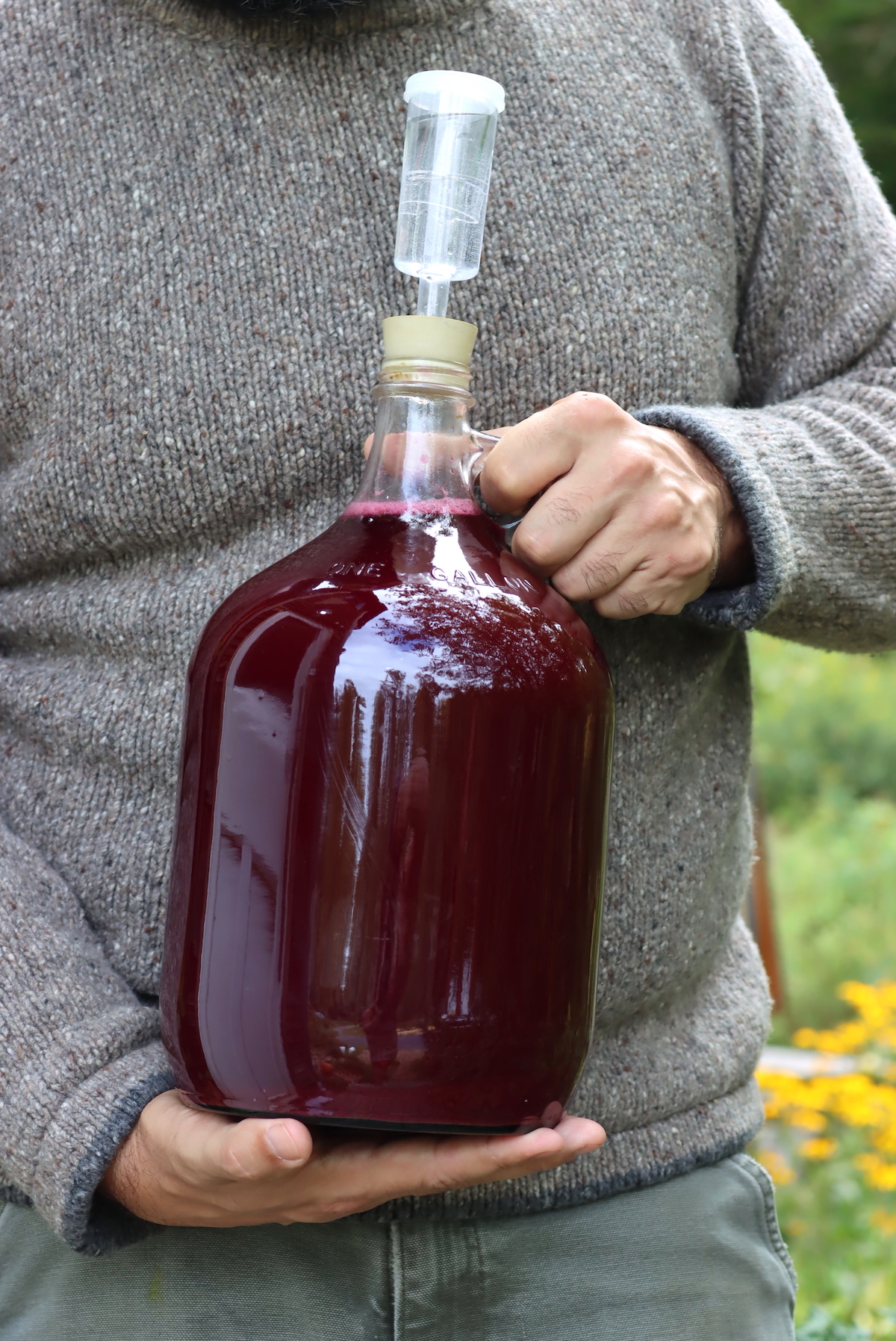
After 2 to 3 weeks, when fermentation slows and sediment has settled to the bottom, use your auto-siphon to transfer the pyment to a clean narrow-neck carboy. Be careful not to disturb the sediment layer at the bottom, and stop siphoning before you pick up any of the lees. If you fermented with grape skins, strain them out now.
Seal the secondary carboy with a fresh airlock and move it to a cool dark location like a basement or closet.
Pyment benefits from longer aging than most fruit wines because the honey takes more time to fully integrate with the grape flavors. Plan to leave it in secondary for at least 2 to 3 months, and 6 months is even better. Rack again if you see a lot of new sediment accumulating.
Bottling and Aging
Before bottling, taste your pyment to check the sweetness level. If it has fermented completely dry and you prefer a sweeter finished drink, you can backsweeten by adding more honey. First stabilize the mead with Campden tablets and potassium sorbate to prevent renewed fermentation, then add honey to taste. If the sweetness level is where you want it, simply siphon the clear pyment into clean wine bottles, leaving any remaining sediment behind. Cork the bottles and store them on their sides in a cool dark place.
Pyment improves dramatically with bottle aging. It is drinkable after a month or two, but a year of aging will produce a noticeably smoother and more complex drink. Some of the best pyments I have made were not at their peak until two or three years after bottling.
Tips for the Best Pyment
- Match honey to grape color. Light honeys like clover or acacia work best with white grape pyment, while darker honeys like wildflower or buckwheat can stand up to robust red grapes.
- Dilute acidic juice. If your homegrown grapes produce very acidic juice, using a 50/50 ratio of juice to water creates better balance and lets the honey shine through.
- Be patient with aging. Pyment really does taste better with time. The honey and grape flavors need months to marry into a harmonious whole, and young pyment can taste disjointed.
- Try a melomel variation. You can add other fruits to your pyment for additional complexity. A small amount of elderberries or blackberries added to red grape pyment creates something truly special.
- Oak aging is optional. For a more wine-like character, you can add oak chips or spirals during secondary fermentation. Medium toast oak works well with red grape pyment.
Frequently Asked Questions
Pyment is made by fermenting grape juice with honey as the primary sugar source, while grape wine uses only the natural sugars in the grapes (or added cane sugar). The honey in pyment contributes body, residual sweetness, and its own subtle flavor notes that you do not get in traditional wine. Pyment also tends to have a thicker mouthfeel and ages differently than straight grape wine.
Yes, Welch’s 100% grape juice works well for pyment as long as you choose a variety with no added preservatives. The Concord grape juice will produce a very fruit-forward purple pyment with bold grape flavor. Just check the ingredient list to make sure it only contains grape juice and possibly added vitamin C, both of which are fine for fermentation.
Primary fermentation typically takes 2 to 3 weeks, followed by at least 2 to 3 months in secondary fermentation. Mead ferments more slowly than wine made with regular sugar because honey is more difficult for yeast to digest. For the best results, plan to leave your pyment in secondary for 6 months before bottling, and then age it in bottles for at least another 6 months to a year.
Stuck fermentation in pyment is usually caused by lack of nutrients, temperature problems, or yeast reaching their alcohol tolerance. Make sure you are using proper yeast nutrient and keeping the fermentation vessel between 60 and 70 degrees. If fermentation stalls, try stirring to resuspend the yeast, warming the vessel slightly, or adding more yeast nutrient. You can also pitch a more alcohol tolerant yeast like EC-1118 to restart a stuck fermentation.
Most grape juice already contains enough natural acidity that you do not need to add acid blend. Taste your juice before starting and if it has a pleasant tartness, skip the acid entirely. If you are using very sweet commercial grape juice that tastes flat or lacking in brightness, you can add a small amount of acid blend or a splash of lemon juice to balance the sweetness.
Winemaking Recipes
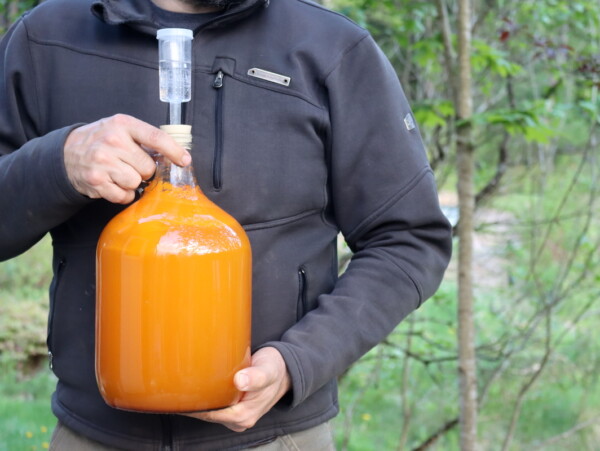
If you tried this Pyment (Grape Mead) recipe, or any other recipe on Practical Self Reliance, leave a ⭐ star rating and let me know what you think in the 📝 comments below!
And make sure you stay in touch with me by following on social media!
Pyment (Grape Mead)
Equipment
- Cheesecloth, Fine Mesh (90 grade) Or Fine mesh straining bag (if using whole grapes)
Ingredients
- 1/2 gallon grape juice, fresh pressed or store bought with no preservatives
- 2 lbs honey, use 2 lbs per gallon for homegrown grapes, or 1.75 lbs per gallon for sweeter commercial juice
- water, to fill to 1 gallon total volume
- 1 packet wine yeast, Lalvin 71B-1122 or D47 recommended
- 1 tsp yeast nutrient
- 1/2 tsp pectic enzyme
- 1/8 tsp wine tannin, optional, if grapes lack tannin
Instructions
- Sanitize all equipment using one-step brewing sanitizer.
- If using fresh grapes, wash, destem, and crush to extract juice. Freezing grapes for a week before crushing improves juice extraction significantly.
- Combine grape juice, honey, and enough water to fill your fermentation vessel to the neck, leaving a few inches of headspace. Stir vigorously until honey is completely dissolved.
- Add yeast nutrient, pectic enzyme, and tannin if using. Stir well and let sit at room temperature for a few hours or overnight to allow the pectic enzyme to work.
- Rehydrate wine yeast in a small amount of warm water (about 100°F) for 10-15 minutes until it begins to foam, then add to the must and stir gently.
- Seal the fermentation vessel with an airlock. You should see bubbling within 24-48 hours indicating active fermentation.
- Allow primary fermentation for 2-3 weeks at 60-70°F until fermentation slows and sediment settles to the bottom.
- Rack to a clean carboy for secondary fermentation using an auto-siphon, leaving all sediment behind in the primary vessel.
- Age in secondary for 2-6 months in a cool, dark location. Rack again if significant sediment accumulates.
- Taste before bottling and adjust sweetness if desired. To backsweeten, first stabilize with 1 Campden tablet and 1/2 tsp potassium sorbate per gallon, wait 24 hours, then add honey to taste.
- Siphon into clean wine bottles and cork with fresh corks.
- Age in bottles for at least 6 months to 1 year for best flavor. Pyment improves dramatically with extended aging.
Notes
Mead Recipes
For more ways to use your grapes, try making homemade grape jam or grape jelly. If you want to explore more mead varieties, browse my collection of 50+ mead recipes or try a cyser (apple mead) which uses the same basic technique with apple juice instead of grape. For wine lovers, my 50+ winemaking recipes collection includes options for almost any fruit you can grow or forage.
Find the perfect recipe
Searching for something else? Enter keywords to find the perfect recipe!