
Affiliate disclosure: This post may contain affiliate links. Please see our Privacy Policy.
Wild Grapes (Vitis sp.) are one of the most widespread and easily-identified wild edibles in North America, growing as woody climbing vines that scramble up trees, fences, and walls anywhere a bird drops a seed. Several native species dominate the continent, including the Riverbank Grape (V. riparia), Fox Grape (V. labrusca), Summer Grape (V. aestivalis), and the southern Muscadine (V. rotundifolia).
All are edible, all make excellent juice, jelly, and wine, and all share the same basic identification features: woody climbing vines with shaggy peeling bark, palm-sized lobed leaves, curling tendrils opposite the leaves, and clusters of small dark grapes in late summer.
Learn how to identify wild grapes, distinguish them from the toxic Moonseed and other look-alikes, and process the harvest into juice, jelly, wine, and even homemade cream of tartar.
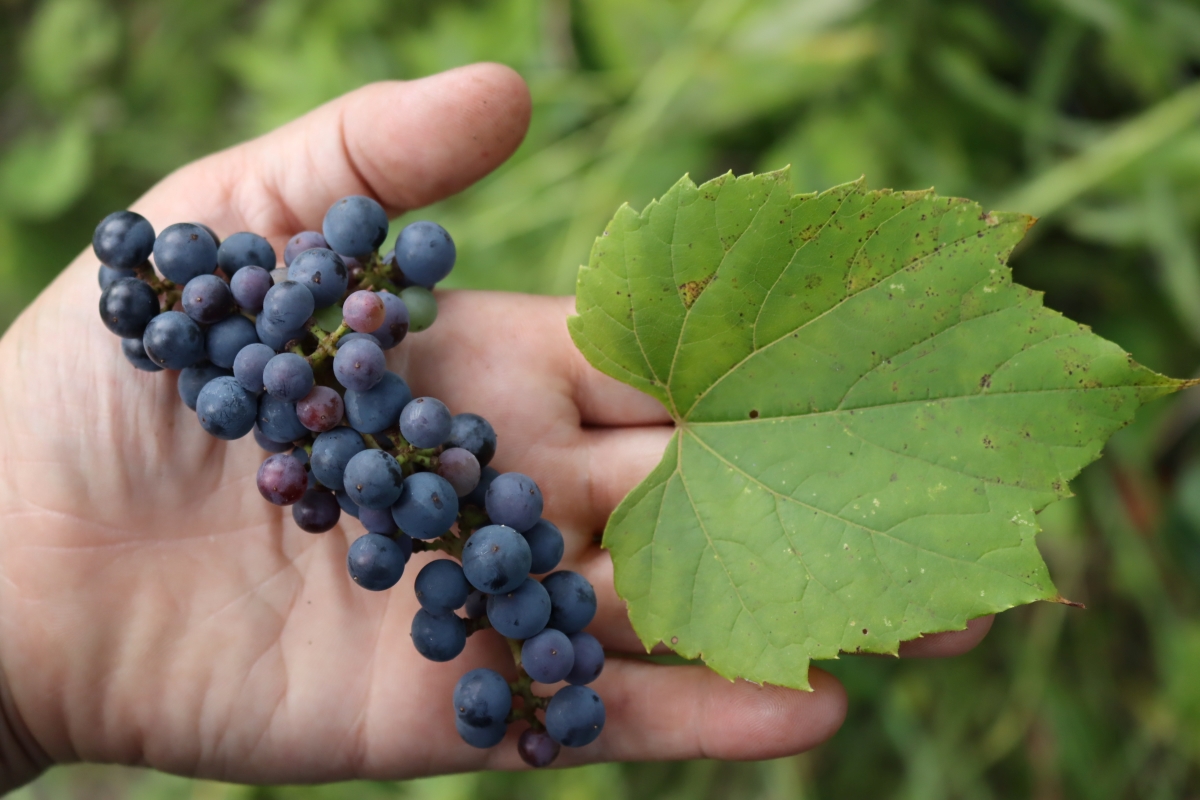
Table of Contents
- Notes from My Homestead
- What Are Wild Grapes?
- Types of Wild Grapes in North America
- Are Wild Grapes Edible?
- Wild Grapes vs. Cultivated Grapes: What’s the Difference?
- Wild Grape Medicinal Benefits
- Where to Find Wild Grapes
- When to Find Wild Grapes
- How to Identify Wild Grapes
- Wild Grape Look-Alikes
- How to Harvest Wild Grapes
- Processing Wild Grapes
- Ways to Use Wild Grapes
- Wild Grape FAQs
- Wild Fruit Foraging Guides
Wild grapes are an easy-to-identify wild edible fruit that grows just about everywhere in the US. They’re fun to pick, and before you know it, you can harvest them by the bucketload in rich areas.
They make wonderful juice, jelly, and wine, and the best part is, they’re absolutely free.
Notes from My Homestead

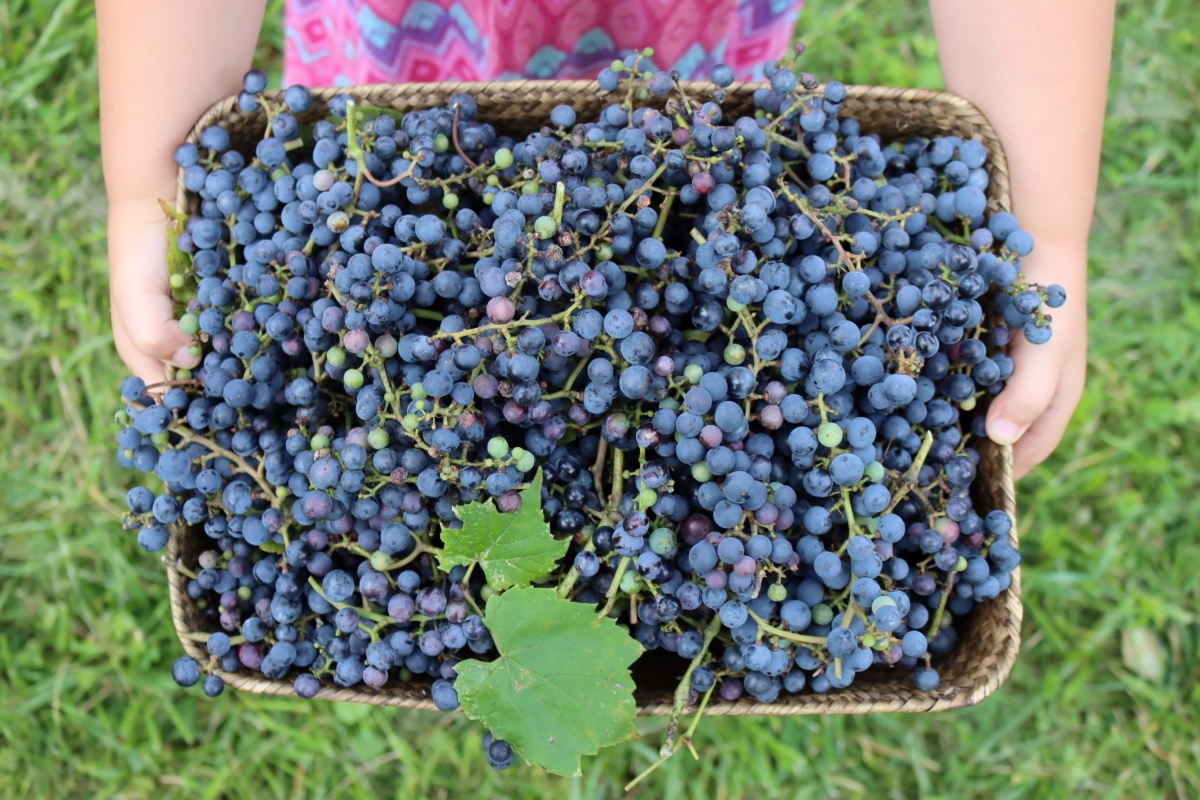
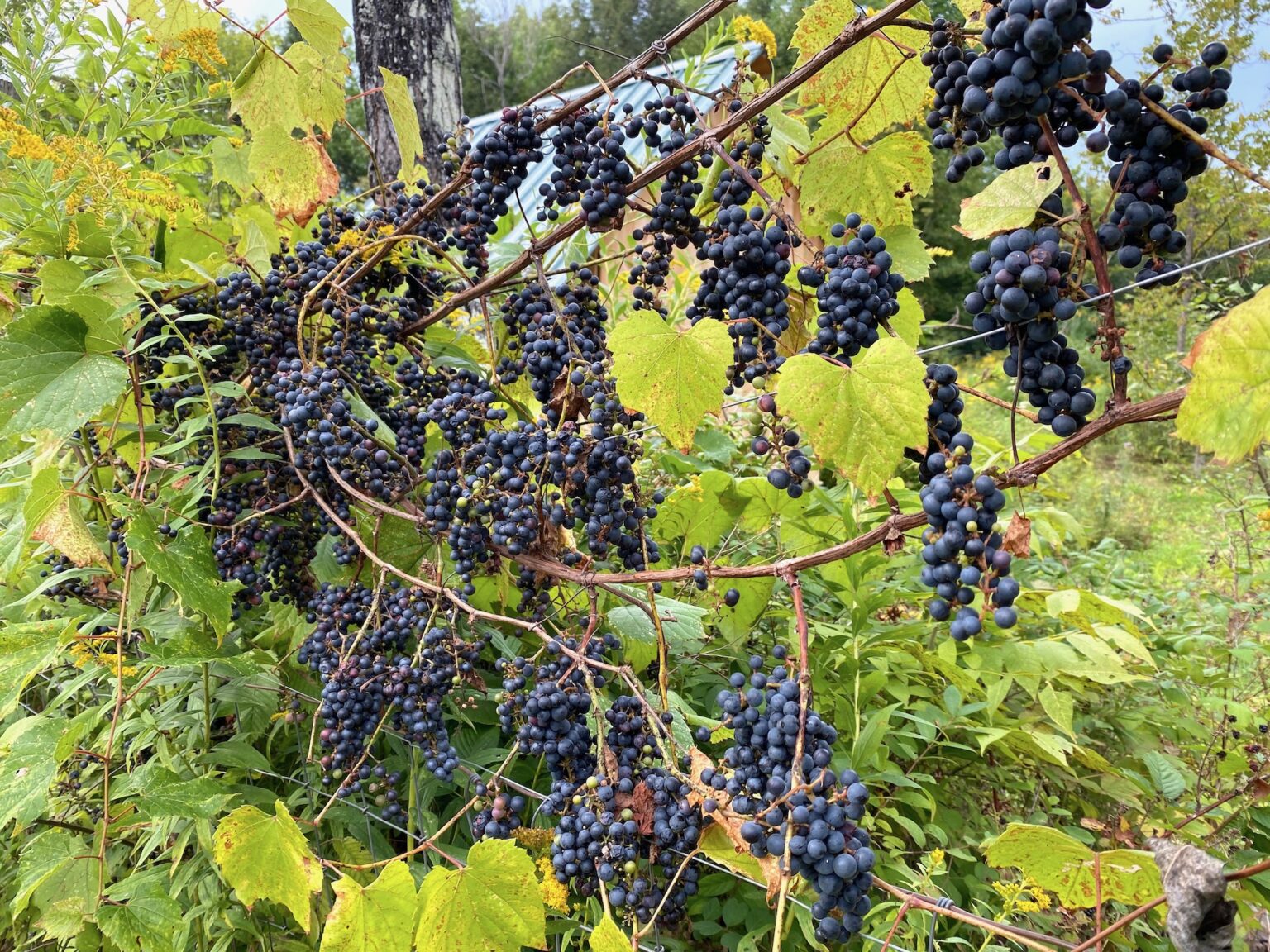
We have wild grapes climbing the back fence of our property here in Vermont, and they’re so vigorous that I have to prune them back hard every spring just to keep them from collapsing the fence under their own weight. The vines have been here longer than we have, and the local birds clearly love them; we’re constantly finding new seedlings popping up all along the wood line. Most of our wild grapes are Riverbank Grape (Vitis riparia), which is the most common northern species and also one of the most reliable producers.
Most of our wild grape harvest goes into wild grape jelly and wild grape wine each fall. The juice is intensely tart and pucker-strong straight off the vine, but it transforms into something remarkable after a night in the fridge to drop the tartaric acid crystals (more on that below in the processing section). My favorite preparation is honestly just the juice itself, sweetened lightly with honey and served cold over ice; it tastes nothing like Concord grape juice from the store and everything like the wild fruit it came from. We also make a few jars of wild grape jelly each year, which lasts in the pantry for about three weeks before the kids polish it off on toast and peanut butter sandwiches.
What Are Wild Grapes?
Wild Grapes (Vitis sp.) are perennial woody vining plants in the Vitaceae or grape family. There are roughly 79 wild grape species worldwide, most of which are native to the temperate regions of North America and eastern Asia. A few exceptions exist, like the Common Grape (Vitis vinifera), the ancestor of most cultivated wine grapes, which is native to southern Europe and southwestern Asia.
Some wild grape species have become invasive outside of their native range, and even in areas where they’re native, they can be aggressive growers. In areas where wild grapes are abundant, the vines may outcompete trees for sunlight or cause tree limbs to crack during winter storms under the extra weight. Here in the Northeast, wild grapes are likely to climb any fence they land near, covering it with fruit each autumn. The vines are exceptionally long-lived (50 to 100 years for established plants is not unusual) and can grow 50 feet or more in length, with mature stems reaching 6 inches in diameter.
Types of Wild Grapes in North America
Several wild grape species are common in North America. All are edible and useful for the same culinary purposes (juice, jelly, wine, and grape leaves), but they vary in habitat, fruit size, sweetness, and flavor profile. The major species worth knowing:
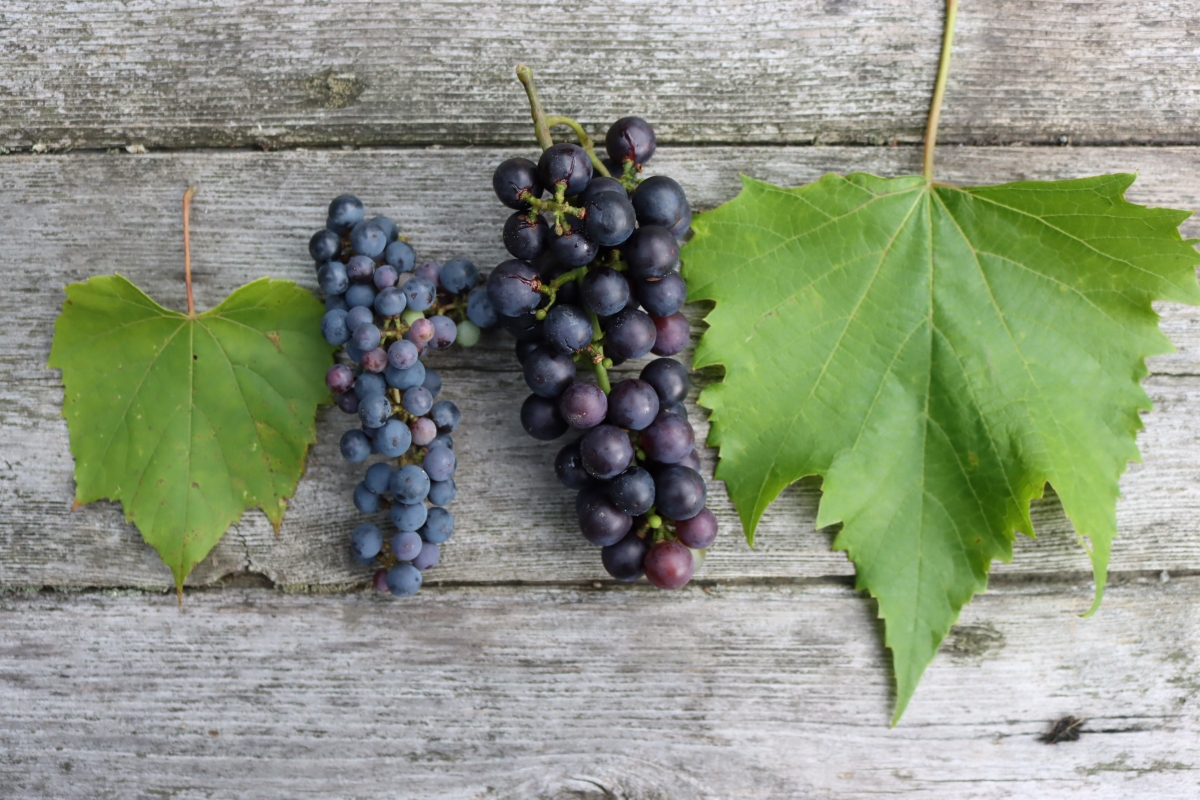
- Riverbank Grape (Vitis riparia): The most widespread wild grape in North America, growing from Quebec and the Maritime provinces south through the eastern and central United States. Also called Frost Grape because the fruit improves dramatically after the first frost. The dominant species in northern climates and the one most foragers in the Midwest and Northeast will encounter.
- Fox Grape (Vitis labrusca): Native to the eastern US, primarily New England south through the Carolinas. Larger fruit than Riverbank Grape, with a distinctive musky-sweet flavor. Concord, Niagara, and Catawba grapes are all cultivated descendants of Fox Grape, and they share that same characteristic “foxy” flavor that defines Welch’s grape juice.
- Summer Grape (Vitis aestivalis): Native to the eastern and southern United States, often growing in upland forests rather than the riverside habitats favored by Riverbank Grape. Smaller fruit than Fox Grape with a more astringent flavor when raw, but excellent for cooked preparations and wine.
- Muscadine (Vitis rotundifolia): The dominant wild grape of the southeastern United States, from Delaware south to Florida and west to Texas. Larger and rounder than other native grapes (often more than ½ inch in diameter), with a thick skin and intensely musky flavor. Muscadines have been cultivated for centuries and are commercially grown across the South.
- Winter Grape (Vitis vulpina): Native to the central and southern United States, also called Frost Grape (sharing the common name with V. riparia). Small dark fruit that ripens late and is most palatable after frost.
- California Wild Grape (Vitis californica): Native to California, southern Oregon, and parts of Nevada. Small dark fruit with a flavor often praised by western foragers as the sweetest of the wild grapes. The species is also widely planted as an ornamental for its brilliant fall foliage.
For practical foraging purposes, the species name matters less than confirming you’ve actually got a true grape vine. All true Vitis species are edible and processed identically, so if you’ve ruled out look-alikes (especially toxic Moonseed) and confirmed grape vine features, you can use the harvest the same way regardless of which species you’ve found.
Are Wild Grapes Edible?
Yes, wild grapes are edible. Foragers often collect the grapes, which, though not as sweet, mild, and large as many cultivated grapes, are still tasty and useful. You can use them in various recipes, raw, cooked, or fermented. They’re particularly excellent for juice, jelly, and wine because the high acid content gives those preparations a much more interesting flavor than cultivated table grapes.
The leaves of all true wild grapes are also edible, but not all are choice. Young leaves and those of certain species are more tender and better tasting than others. You can eat them raw or cooked, and they’re traditionally used in stuffed grape leaves (dolmas), pickled, fermented, or as a pickling leaf for cucumbers and other vegetable ferments.
Wild grapes also possess a myriad of pharmacological qualities, and herbalists frequently use the leaves and seeds for internal and external preparations.
Important note for pet owners: Like domesticated grapes, wild grapes are toxic to dogs and other companion animals. Even small quantities can cause kidney failure in dogs, with effects ranging from vomiting and lethargy to acute kidney damage. The mechanism isn’t fully understood but the toxicity has been documented across many breeds. Never share grapes (wild or cultivated), grape juice, or grape leaves with your dog, and keep wild grape harvests out of reach of pets.
Wild Grapes vs. Cultivated Grapes: What’s the Difference?
Wild grapes and cultivated grapes are closely related (often the same genus, sometimes the same species), and both are edible with similar growth habits. The differences are mostly the result of generations of selective breeding for flavor, size, sweetness, and shipping durability. The main distinctions:
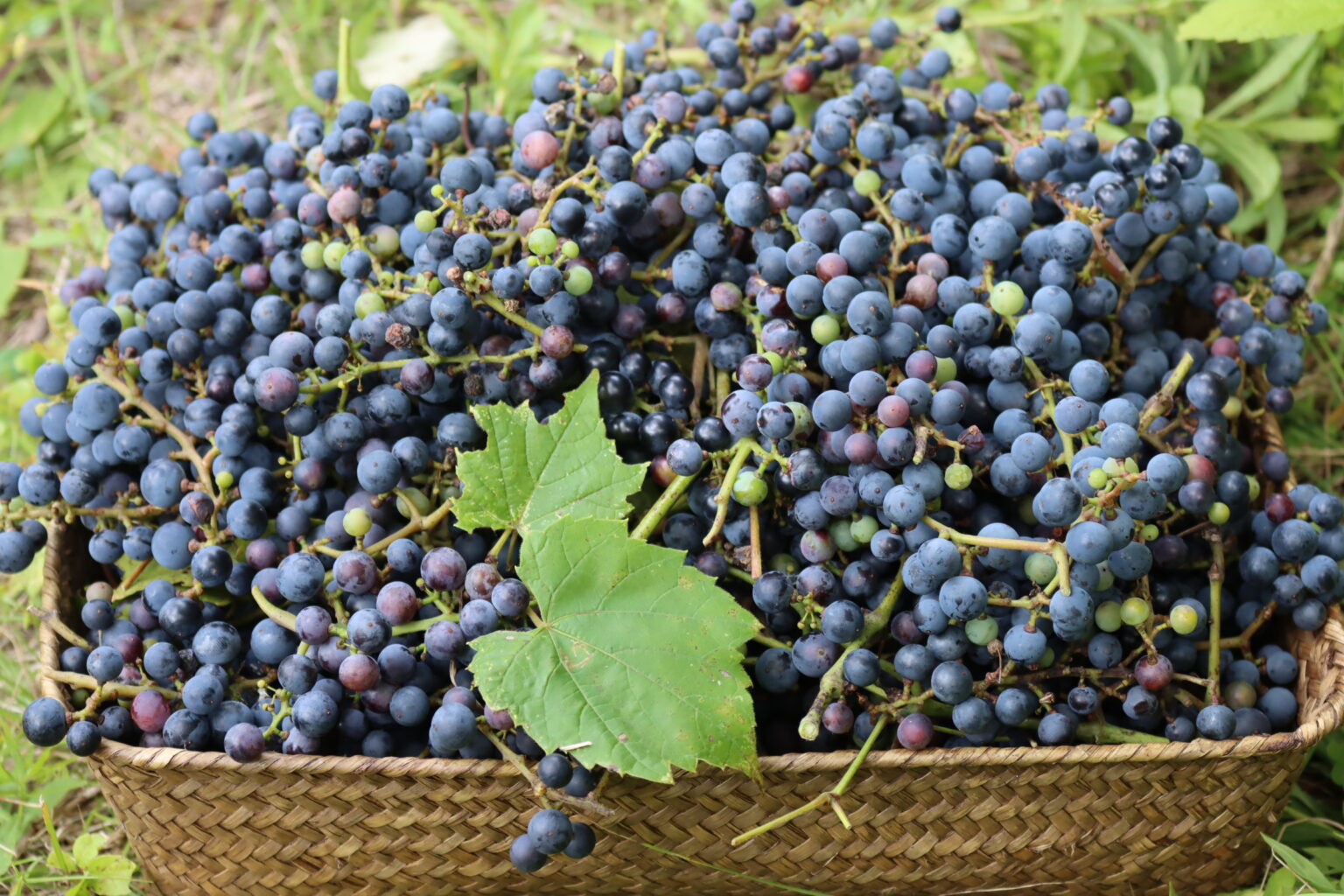
- Size: Wild grapes are typically smaller (⅛ to 1 inch in diameter) than cultivated grapes (½ to 1¼ inches in diameter). Some Muscadines and large Fox Grapes can rival cultivated grape size, but most wild grapes are noticeably smaller.
- Sweetness: Cultivated grapes have been bred for sweetness over many generations and contain higher sugar content. Wild grapes are tarter and more acidic, with sweetness varying significantly between species and individual plants.
- Acid content: Wild grapes typically have higher tartaric acid levels than cultivated grapes, which gives them their characteristic puckering tartness and contributes to their excellent juice and wine-making qualities.
- Skin and seed ratio: Wild grapes have proportionally thicker skins and larger seeds relative to their flesh. This is part of why wild grape juice has a more intense flavor (more skin and seed contact during processing) but also why they’re more time-consuming to use as fresh-eating fruit.
- Productivity: Surprisingly, wild grape vines are often more productive per vine than cultivated grapes, even without pruning, fertilizer, or any care at all. A single mature wild grape vine on a south-facing fenceline can produce 20 to 50 pounds of fruit in a good year.
- Cold hardiness: Native North American wild grapes (especially V. riparia) are dramatically more cold-hardy than European wine grapes (V. vinifera). This is part of why V. riparia rootstock is used as a graft base for cultivated wine grapes in cold climates and was instrumental in saving the European wine industry from phylloxera in the 1800s.
Wild Grape Medicinal Benefits
Wild grapes are nutritional powerhouses, full of essential vitamins, minerals, and antioxidants. Grapes are high in magnesium, potassium, and vitamins B1, B6, and C. Though often overlooked, the leaves contain significant amounts of iron, magnesium, and vitamins A, C, and E.
Wild grapes also contain a chemical called resveratrol, which displays antioxidant, anti-inflammatory, immunomodulatory, glucose and lipid regulatory, neuroprotective, and cardiovascular protective effects. These qualities indicate to researchers that resveratrol and the foods containing it may help protect against chronic diseases such as Parkinson’s, Alzheimer’s, obesity, diabetes, cancer, liver diseases, and cardiovascular diseases.
Herbalists may also use the leaves internally and externally for treating various ailments. Internally, the leaves are made into tea for treating thrush, diarrhea, stomach issues, and hepatitis. Externally, the leaves are made into a poultice for treating headaches, sore chests, fevers, and rheumatism.
A modern look at the leaves suggests they possess significant antihyperglycaemic and antioxidant activity, which may help treat diabetes symptoms.
In the past, people also used wild grape wine for culinary, medicinal, and ritual purposes. Historically, many herbalists would muddle herbs in grape wine, similar to a tincture. These drinks were used as health tonics and to treat various illnesses, including heart problems, which may be due to grape’s resveratrol content.
Modern studies often focus on grape seeds and their extracts. Compounds within the seeds have been found to have significant anti-inflammatory effects. Several studies have also indicated that grape seed extract treats chronic venous insufficiency that causes blood pooling in the legs. The extract may help ease symptoms, including varicose veins, fatigue, pain, and swelling.
There is also some evidence that grape seed extract may help to treat edema, high cholesterol, and high blood pressure. Additionally, in laboratory studies, grape seed extract helped slow the growth of breast, stomach, colon, prostate, and lung cancer cells.
Where to Find Wild Grapes
Most wild grape species were originally native to North America, eastern Asia, and central Europe. Today, they’re invasive in some regions and have spread outside their native range to other temperate areas across the globe. The most productive places to look:
- Disturbed areas, abandoned fields, and old homestead sites
- Forest edges and recently cleared areas where new vines establish quickly
- Stream banks, riverbanks, and the margins of small lakes (especially for V. riparia)
- Roadsides, railway right-of-ways, and old fence lines
- Old logging clearings and recently disturbed forest interior
- Hedgerows along the edges of working farms (where the vines often outproduce nearby cultivated grapes)
Wild grape vines will grow within shaded forest interior but only fruit well when they get full sun, which usually means climbing high enough into the tree canopy to reach light. This is part of why locating wild grapes can be tricky; the vines are easy to spot at ground level, but the fruit is often 20 to 50 feet up in the tree canopy and only reachable by harvesting the lower clusters or pulling down accessible vines.
Some species thrive only in rich, moist soils, while others grow well in dry sandy soils. Wild grapes will tolerate various soil pH levels. Really, they’ll grow just about anywhere a bird drops a seed and they can find something that holds still long enough to climb.
When to Find Wild Grapes
Wild grapes are perennial deciduous plants, so you can find them year-round on your woodland wanderings. The mature shaggy long vines hanging from the limbs of trees and shrubs can be spotted in winter, but you’ll only spot the leaves in summer.
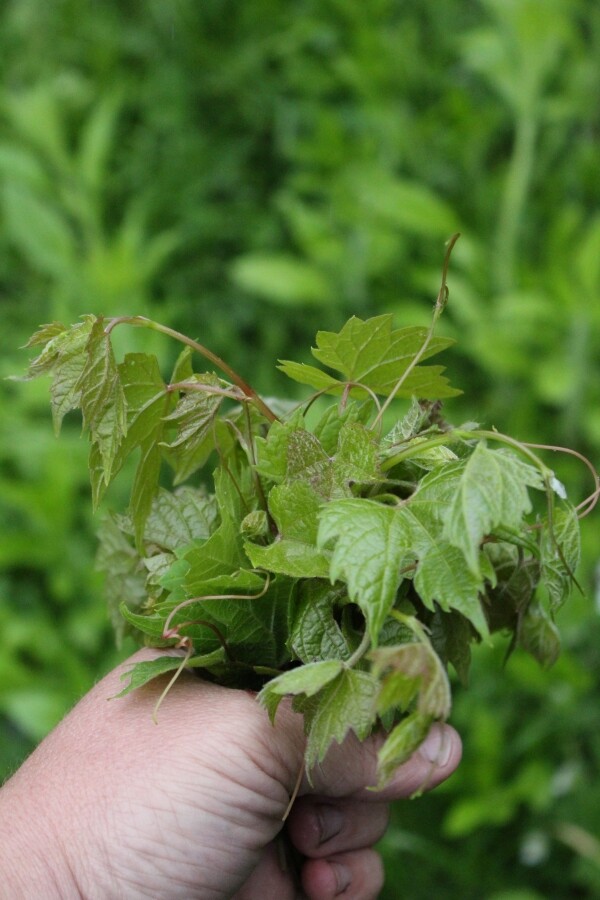
The leaves emerge in spring and fall in autumn around the same time as maples, oaks, and other deciduous forest species. The leaves are best when picked in late spring or early summer for culinary use (stuffed grape leaves, etc.), since they become tougher and more astringent as the season progresses.
Wild grape shoots are commonly eaten in some areas as an early spring green. The young tendrils and tips of grape vines are nice and tart and add a great taste to salads.
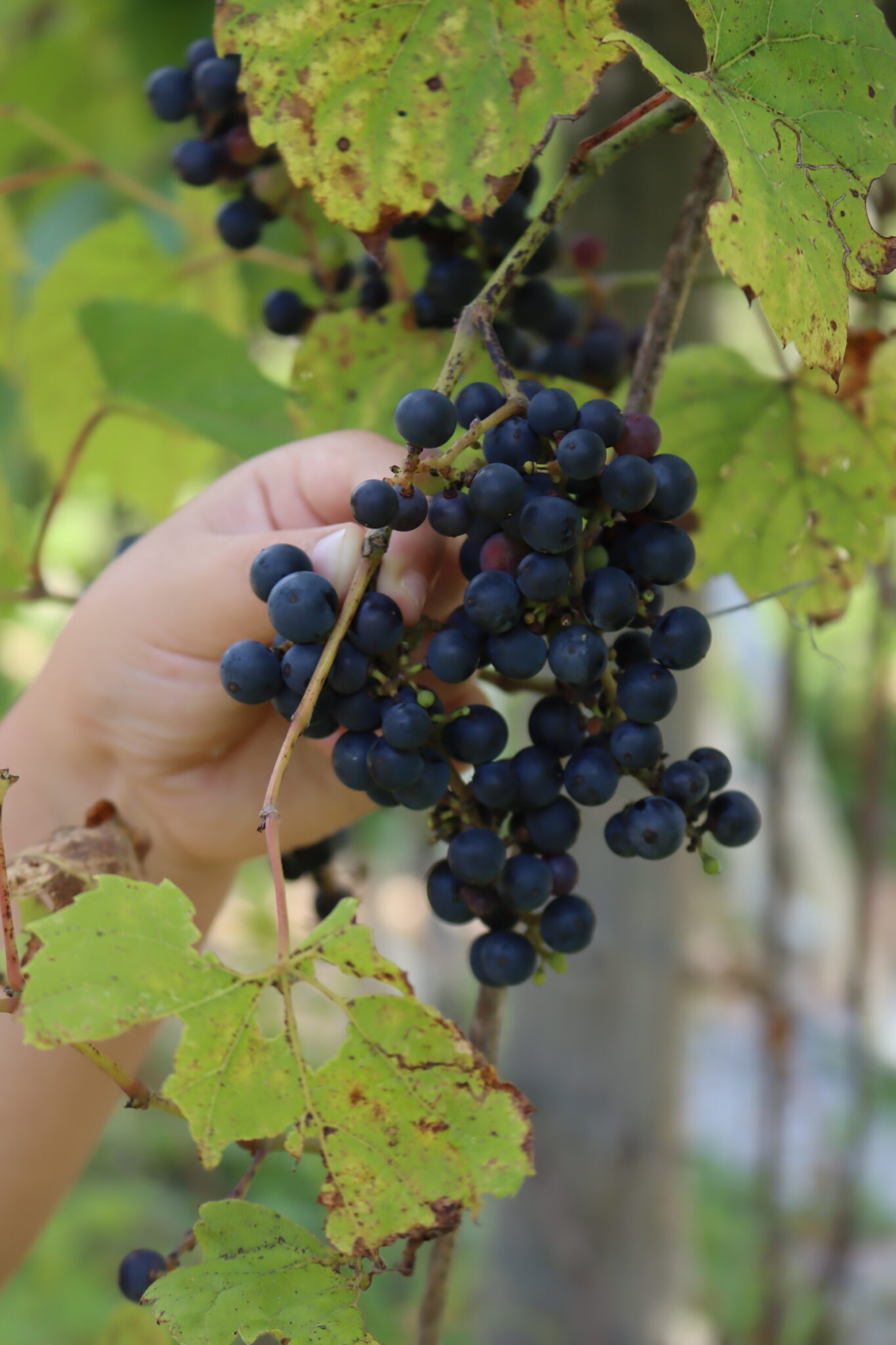
In early summer, if you look closely, you may spot inconspicuous clusters of tiny greenish flowers. These flower clusters give way to small, hard, green grapes, which slowly ripen and are ready for harvest in late summer or early fall.
The actual ripening time for wild grapes varies by region and plant. Some won’t ripen fully until around the first frost, while others are ready in August. Many types will hang on the plant all winter long, slowly freeze-drying in the cold weather, and ambitious foragers can harvest them mid-winter. The frost-ripened fruit is sweeter than fall-ripened fruit, but the texture is leathery and the skins are tougher.
How to Identify Wild Grapes
The large vining plants are typically easy to spot once you know what you’re looking for. They usually grow on other trees and shrubs, sometimes outcompeting them for sunlight. Their large veined leaves are green except in fall when they turn color with other foliage.
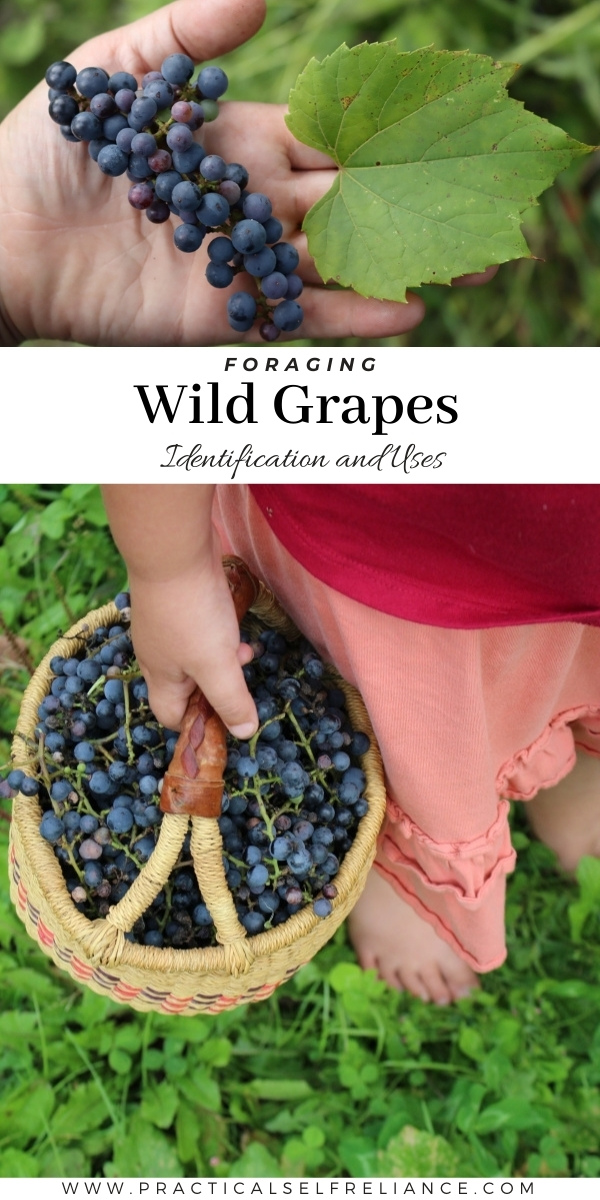
Wild grape vines grow thick and long. In dense mature forests, the lower portions of the vines may be all you see, with the leaves and grapes forming in the forest canopy’s sunlight. Wild grape flowers tend to be hard to spot; they’re clusters of tiny greenish flowers. When the grapes are ripe, they’re easy to recognize. They’re generally smaller but don’t look that different from grapes you’d find in the grocery store. However, they sometimes grow too high in the trees to be seen.
The four reliable identification features for wild grapes are:
- Woody climbing vine (not a tree, shrub, or shrubby vine)
- Shaggy peeling bark on mature vines
- Curling tendrils opposite the leaves (used for climbing)
- Palmately lobed leaves with toothed margins (3 to 5 lobes typically)
If a vine has all four features and produces small dark grape clusters in fall, you’ve got a true wild grape. The combination of features is important; missing any one of them suggests a look-alike rather than a true grape.
Wild Grape Leaves
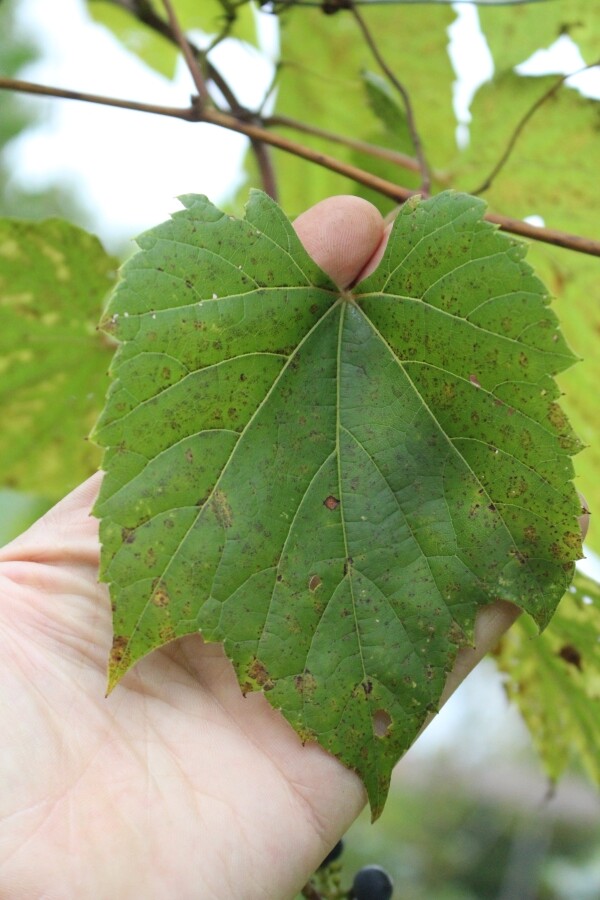
Wild grapes have simple, palmate, alternate leaves with toothed margins. They’re typically green above and often paler and hairy below with prominent veins. Wild grape leaves are usually 2 to 9 inches long, about 4 inches wide, and variable in shape, even on a single plant.
The leaves may be unlobed or feature 3 to 5 deep lobes. Wild grape leaves may change to yellow, red, orange, or purplish in autumn before falling. The leaf shape is the single most reliable identification feature for distinguishing wild grapes from Virginia Creeper and similar climbing vines.
Wild Grape Stems and Bark
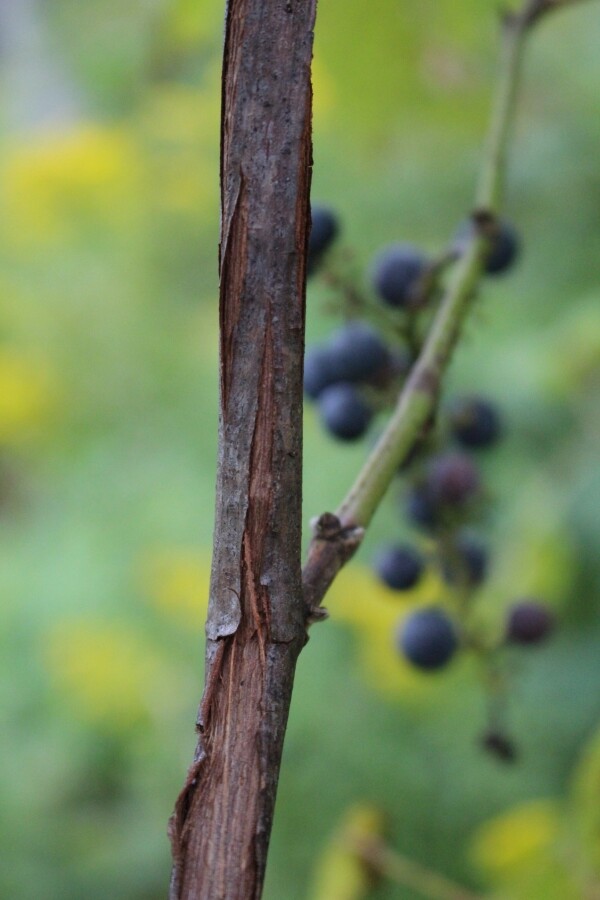
Wild grape vines often reach 50 feet long and can grow to 100 feet or more. Older mature vines may grow to about 6 inches in diameter. The vines use other trees, shrubs, and structures to reach up into the canopy. Large stems have brown shaggy shedding bark, which is one of the easiest features to spot in winter when the leaves are gone.
Younger stems are darker in color and can be hairy in some species. The stems also have small spiraling tendrils opposite of the leaves, which help the vines climb and hold on to things. The tendril position (opposite leaves, not at every leaf base) is a useful diagnostic feature.
Wild Grape Flowers
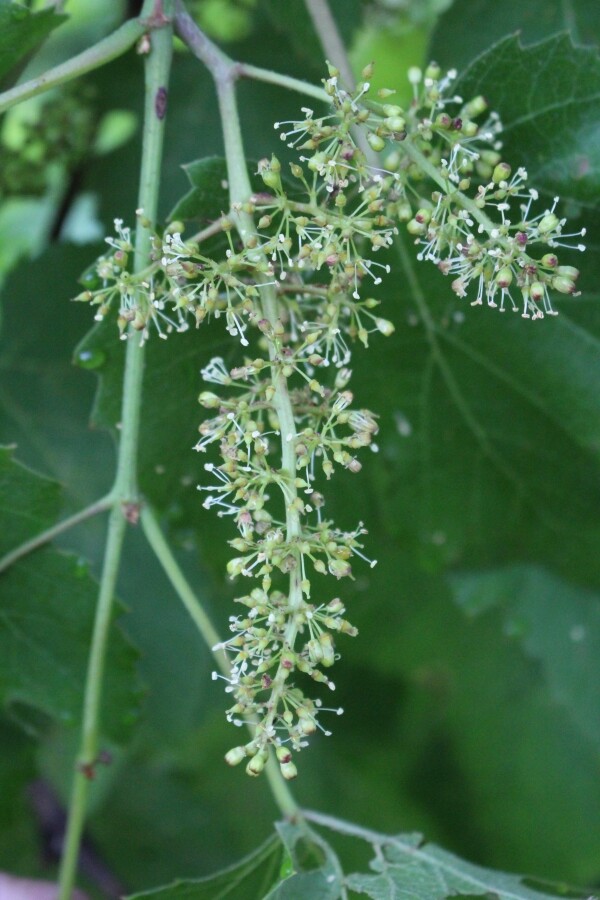
Wild grapes produce 2 to 6-inch panicles or branching clusters of small inconspicuous greenish flowers. Typically, the plants bloom between May and July, depending on the species and location.
Unlike cultivated grapes, most wild grape species are dioecious, meaning they have separate male and female plants. This is part of why some wild grape vines never seem to produce fruit; they’re male plants that only flower. If you’ve found a vigorous wild grape vine that flowers but never fruits, look for a female plant nearby that does fruit, since the flowering male is likely contributing pollen to the female plants in the area.
Wild Grape Fruit
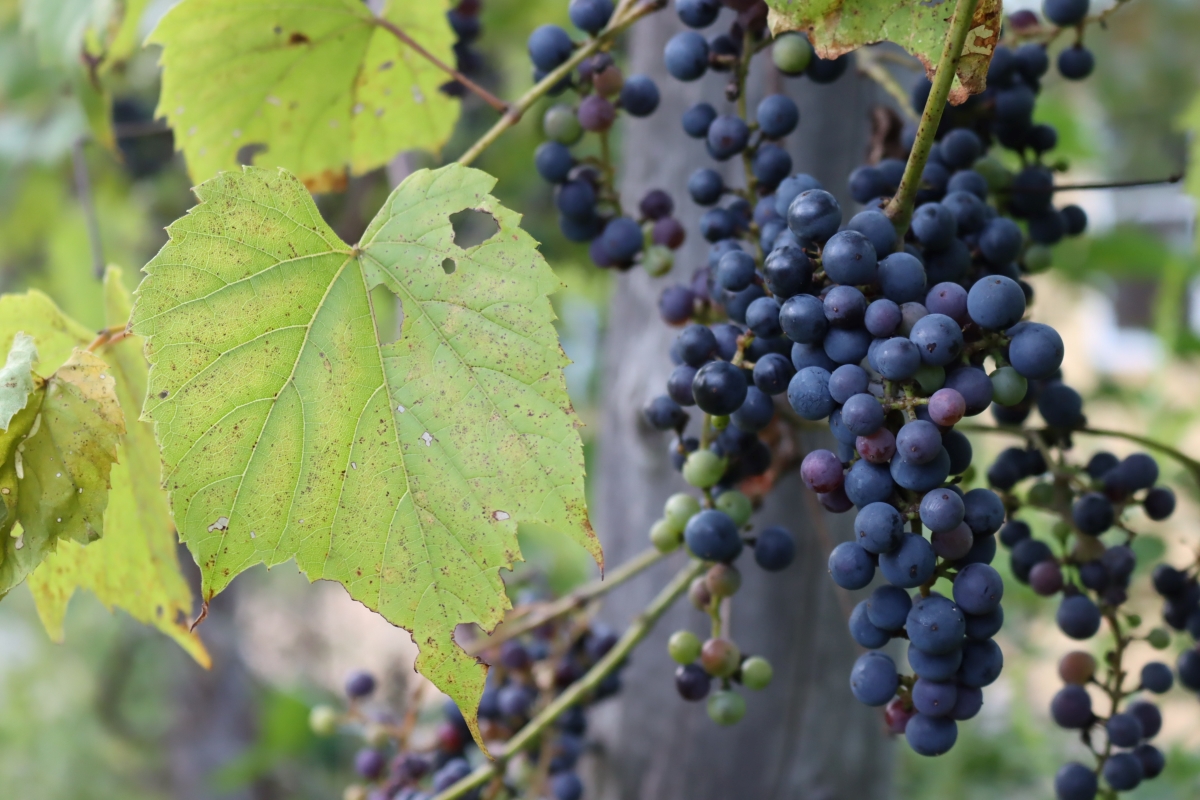
The flower clusters give way to tiny green hard grapes. These grapes slowly grow and ripen. Most species ripen to purplish, dark blue, or blackish. When ripe, the grapes are generally smaller and more spherical than many cultivated varieties. They typically range from ⅛ to 1 inch in diameter. Their flavor varies but is generally a bit tart and citrusy.
The fruit clusters typically contain 10 to 30 grapes per cluster, depending on the species and growing conditions. The grapes themselves contain 1 to 4 seeds each, which is part of why processing wild grapes for jelly or juice is more time-consuming than working with cultivated table grapes.
Wild Grape Look-Alikes
Wild grapes have several look-alikes, and unlike most foraging plants, one of them (Moonseed) is genuinely toxic and worth knowing well. Always confirm wild grape identification using multiple features before harvesting, especially when you’re new to the plant.
Moonseed (Toxic)
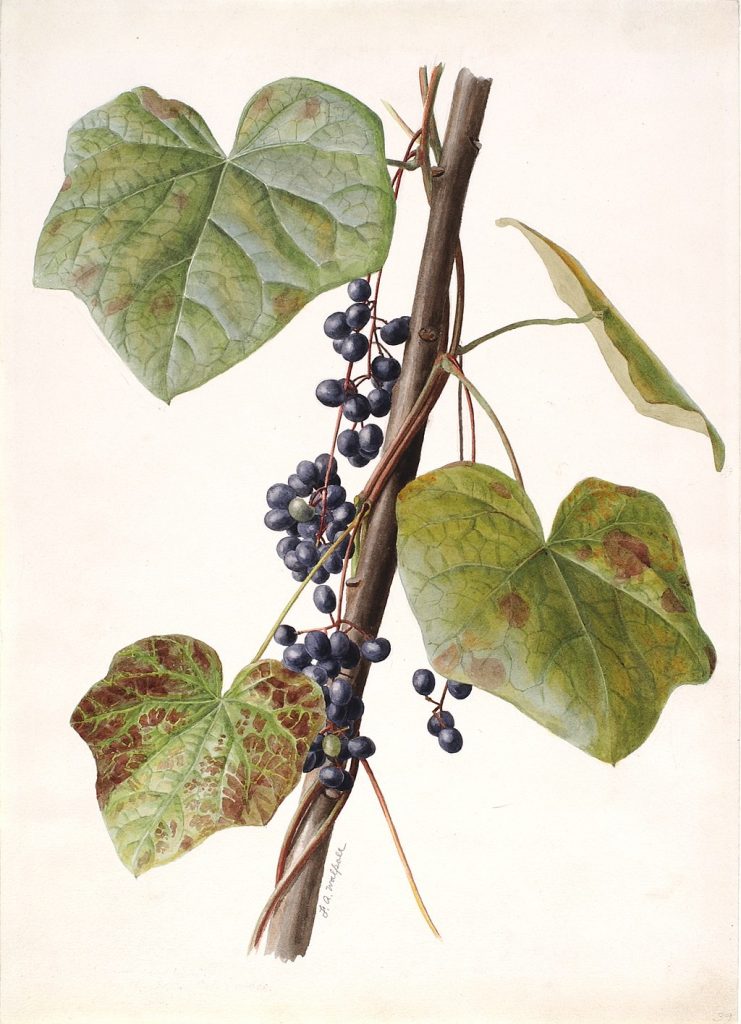
Wild grapes are most dangerously confused with toxic Moonseed (Menispermum canadense), a native vine that grows in similar habitat and produces dark blue-black fruit superficially resembling small grape clusters. Moonseed contains alkaloids that can cause severe nausea, vomiting, paralysis, and death in extreme cases. The differences:
- Moonseed leaves are lobed but have smooth (non-toothed) margins; wild grape leaves always have toothed margins.
- Moonseed vines tend to be smaller, only reaching about 20 feet in length, and lack the curling tendrils present on grape vines. The lack of tendrils is the single most reliable distinction.
- Moonseed seeds are shaped like a partial disc or crescent moon (the source of the common name), with a bowl or depression in the center. Wild grape seeds are pear-shaped or egg-shaped.
- Moonseed bark stays smooth and doesn’t shred or peel; wild grape bark becomes shaggy and shredding with age.
- Moonseed fruit clusters are smaller and looser than wild grape clusters, with fewer fruits per cluster.
The single most reliable distinguishing feature is the tendril/seed combination. If a vine has curling tendrils opposite the leaves and pear-shaped seeds inside the fruit, it’s a wild grape. If a vine lacks tendrils and has crescent-shaped seeds, it’s Moonseed (regardless of how grape-like the fruit looks). Always cut open at least one fruit and check the seeds before harvesting an unfamiliar vine.
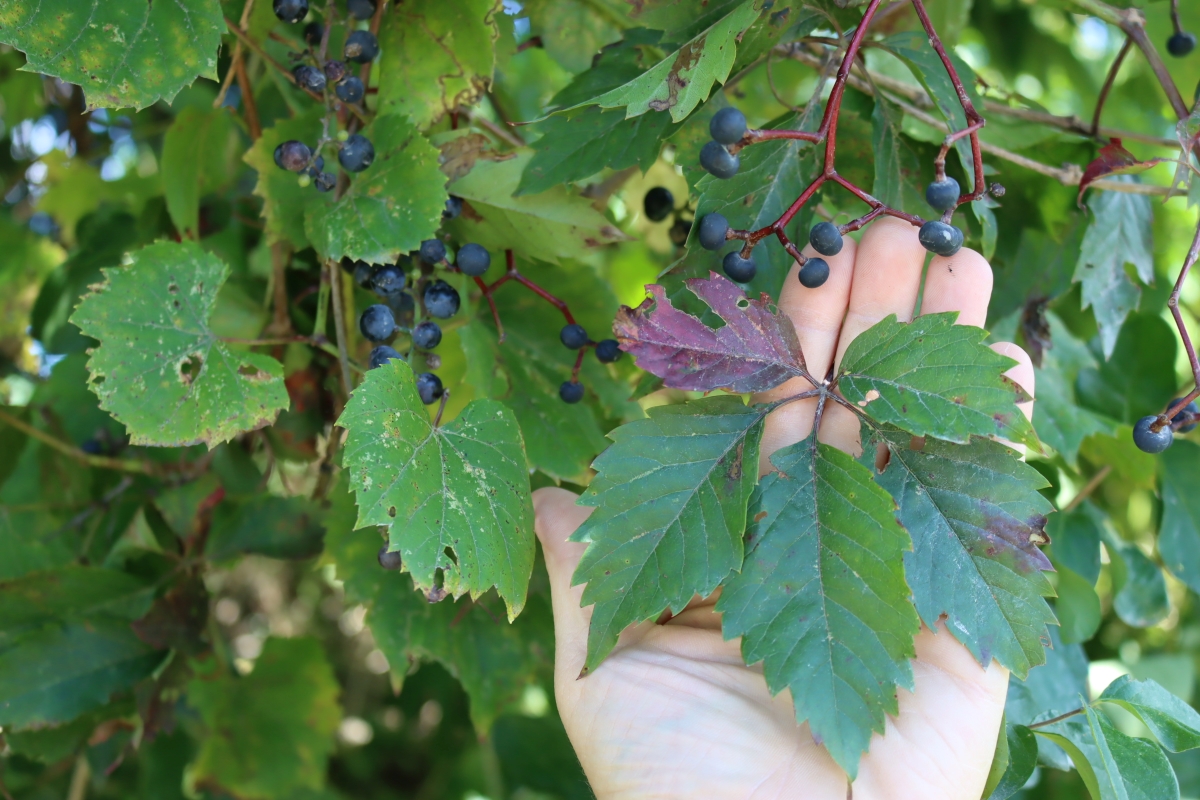
Virginia Creeper
Another look-alike is Virginia Creeper (Parthenocissus quinquefolia), a climbing vine that often grows alongside or even intermingled with wild grape. Virginia Creeper berries contain oxalic acid and oxalate crystals that can cause irritation and upset stomach if eaten in quantity. The differences:
- Virginia Creeper leaves are palmately compound and composed of three to (usually) five separate leaflets radiating from a single point; wild grape leaves are simple (a single leaf, even when lobed).
- Virginia Creeper berries are hard even when ripe, purple to black, and small (only about ³⁄₁₆ to ¼ inch in diameter); wild grapes are softer, more variable in size, and grow in tight clusters.
- The tendrils on Virginia Creeper vines have adhesive pads at the ends, which help the plant adhere to bark, buildings, and other surfaces; wild grape tendrils are simple curling structures without adhesive pads.
- Virginia Creeper has bright red fall foliage that’s particularly striking against tree bark.
Pokeberry (Toxic)
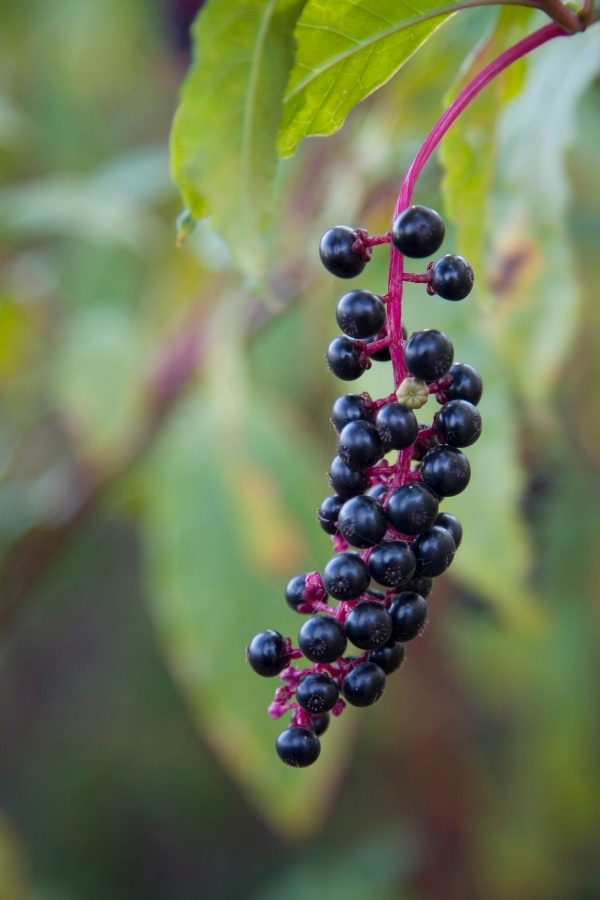
Wild grapes can sometimes be mistaken for toxic Pokeberry or American Pokeweed (Phytolacca americana), especially by young children who may focus on the clusters of dark berries. Pokeberry contains saponins and other toxic compounds and is dangerous if eaten. The differences:
- Pokeberry is a shrubby herbaceous plant that grows up to 10 feet tall; wild grapes are climbing woody vines.
- Pokeberry has simple leaves with smooth margins, lanceolate in shape and tapered at both ends; wild grape leaves are lobed with toothed margins.
- Pokeberry’s dark purple berries ripen on bright pink racemes (long thin stalks); wild grape clusters hang on green or brown stems with no pink coloration.
- Pokeberry stems are reddish-purple and herbaceous (soft); wild grape stems are woody and shaggy.
Buckthorn
Sarah from Root’s School mentioned to me that in one of her foraging classes, a student freely harvested toxic Buckthorn (Rhamnus davurica) along with wild grape into the same basket. Buckthorn is common and invasive, and wild grapes often grow up these shrub-like trees. The differences:
- Buckthorn fruit grows on a tree (or large shrub); wild grape grows on a vine. The growth habit alone is enough to tell them apart.
- Buckthorn fruit is roughly the same size and shape as small wild grapes (about ¼ inch in diameter), but they don’t come in clusters. Each buckthorn fruit hangs individually or in pairs from the tree branch.
- Buckthorn leaves are oval with smooth margins and prominent parallel veins; wild grape leaves are lobed and toothed.
- Buckthorn fruit causes severe diarrhea and gastrointestinal distress; even one or two berries can cause significant illness.
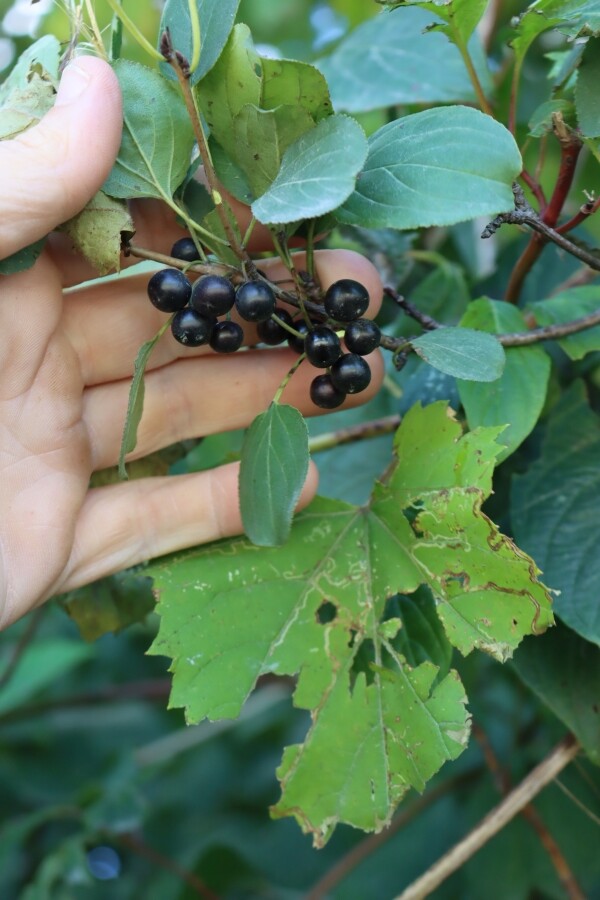
Just be careful if you’re harvesting wild grapes growing in buckthorn, and double-check that every cluster you take is on the vine, not on the tree.
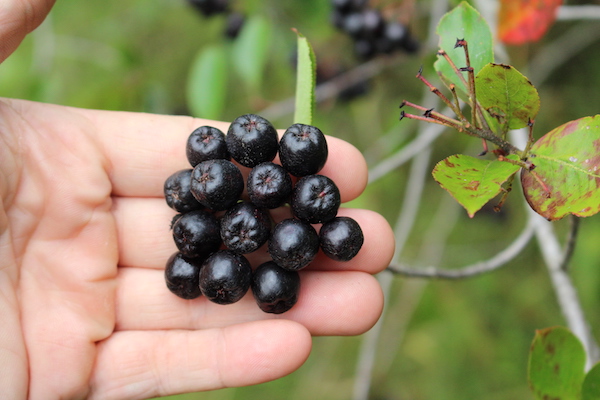
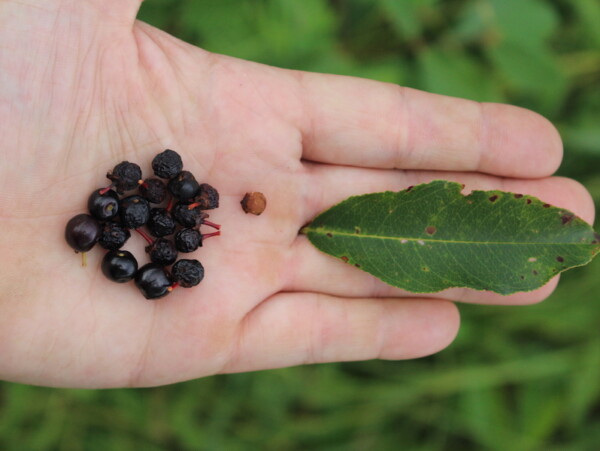
I’ve also occasionally seen people in online groups misidentify wild grapes with all manner of other dark-colored fruits. Everything from aronia to nannyberry, and other fruits that grow on bushes or trees. The fruits don’t really look anything alike, and neither do the plants. Just be sure you have a grapevine.
How to Harvest Wild Grapes
Wild grape harvest is satisfying because productive vines yield in volume. A single mature vine on a south-facing fence can produce 20 to 50 pounds of fruit in a good year. The challenge is reach (the best clusters are often high in the canopy) and processing (which is where the real work happens). Practical harvest tips:
- Harvest entire clusters by clipping them at the cluster stem with garden shears. Picking individual grapes is unnecessarily slow.
- Wear old clothes. Wild grape juice stains intensely, and the dark purple is essentially permanent on cotton.
- Bring a deep bucket or basket. Wild grape clusters are heavy when full, and a 5-gallon bucket fills surprisingly quickly when you find a productive vine.
- For high vines, use a pole pruner or long-handled loppers to cut accessible vines down rather than climbing the tree.
- Don’t be too picky about fully ripe vs. partially ripe clusters. Most wild grape preparations (juice, jelly, wine) work fine with a mix of ripeness levels, and the slightly underripe grapes contribute pectin that helps jelly set.
- Harvest after the first frost for sweeter flavor (especially Frost Grape and Riverbank Grape), but before frosts have shriveled the fruit too dramatically.
- Process the harvest within 24 to 48 hours. Wild grapes don’t keep well at room temperature and the volume is too large to refrigerate effectively.
- For grape leaves (separately from the fruit), harvest in late spring or early summer when the leaves are tender. Take leaves from many vines rather than stripping any single vine.
Avoid harvesting from busy roadsides (vehicle exhaust contamination), commercial orchards or vineyards (likely sprayed with herbicide or fungicide), or from vines growing along railroad right-of-ways (often sprayed for vegetation control).
Processing Wild Grapes
The main thing to note about using wild grapes is they tend to have substantially more tartaric acid than regular grapes. Some varieties of cultivated grapes also have high levels, so it’s not universal, but the wild ones are reliably high.
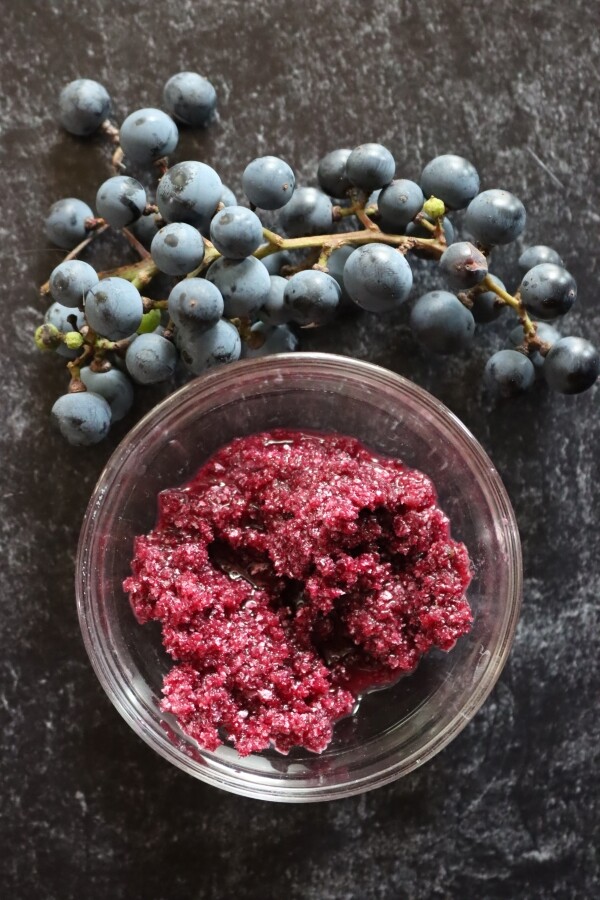
Tartaric acid forms crystals that can be irritating to your mouth and throat, so it may not be a great idea to eat wild grapes fresh in the field. The crystals form during cooler weather and can be felt as gritty texture in the juice.
The best way to remove tartaric acid is to juice the grapes (either by pressing or simmering and straining) and then refrigerate the juice overnight. The tartaric acid crystals will precipitate out of the juice when refrigerated, and you can easily pour off the cleaned juice through a layer of cheesecloth, leaving the crystals behind.
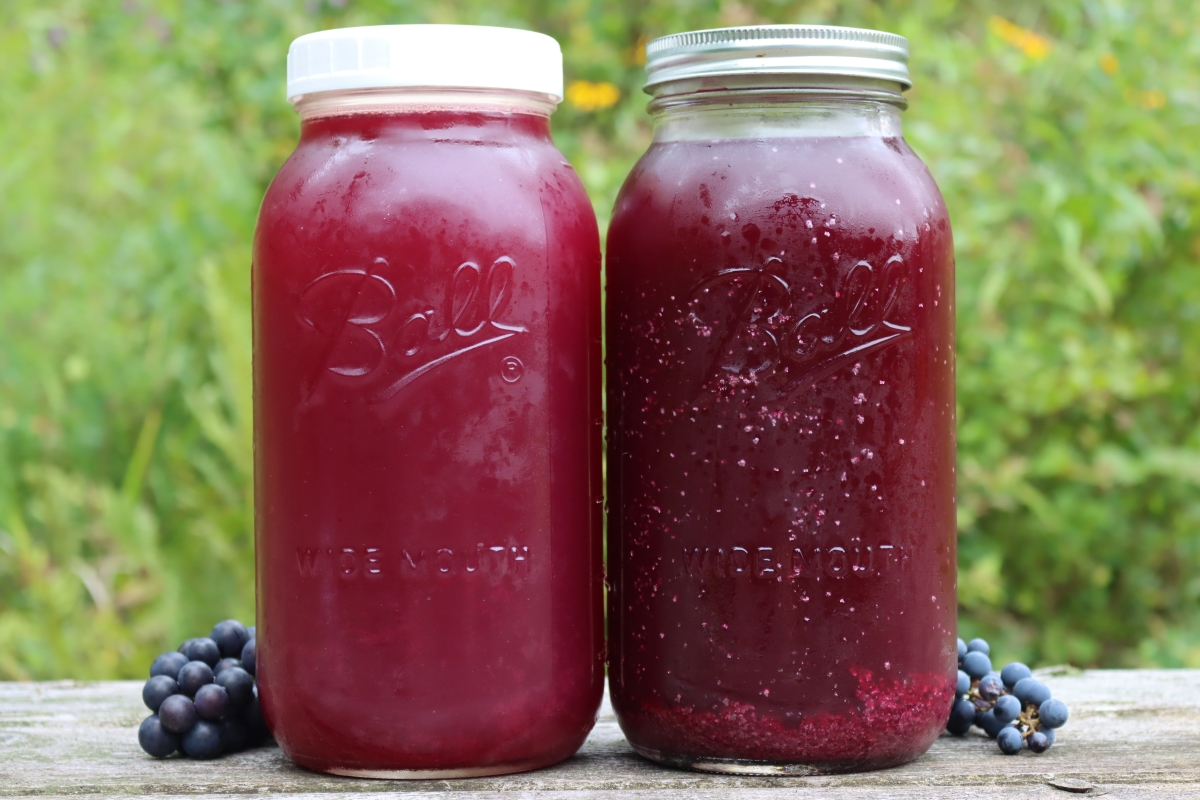
Every single wild grape plant will be a bit different in both flavor and tartaric acid content. The ones we have around our homestead tend to have quite a bit of tartaric acid, and I’ll pull about ¼ to ½ cup of crystals from a half-gallon jar.
Believe it or not, this same tartaric acid can be processed into cream of tartar if you’re ambitious. It’s a baking ingredient that’s made by washing and then powdering tartaric acid from grapes. It’s used as an acid source to react with baking soda in recipes, but it’s also used to keep egg whites nice and fluffy in meringues, among other things. Most home foragers don’t process their tartaric acid further, but if you’ve got a glut of wild grapes and an experimental streak, it’s a fun project.
Ways to Use Wild Grapes
Wild grapes are often overlooked in favor of their cultivated grocery-store counterparts, but these easy-to-recognize wild edibles are tasty, healthy, and free. You can use them to make jam, preserves, desserts, and juice.
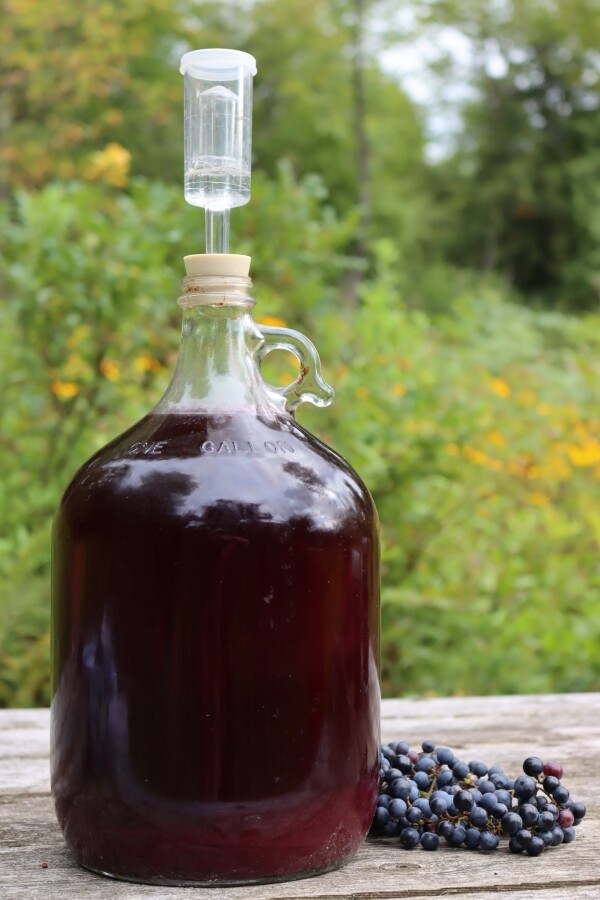
If you’re up for a project, try fermenting your own wild grape wine or mead. The process isn’t all that different from making wine from cultivated grapes, but you will need to add some sugar since the fruit is not nearly as sweet as wine grapes. About 2 pounds of sugar per gallon of grape juice is a good starting point.
The leaves are also nutritious and tasty. Grab some in early summer for sauteed greens, stuffed grape leaves (dolmas), salads, pilaf, or pesto. Grape leaves also make a great inner cover for traditional cucumber pickles and other vegetable ferments; the tannins in the leaves help keep the pickles crisp.
If you’re an herbalist, you can use grape leaves and seeds in your herbal medicine practice. For internal use, try making grape leaf tea for stomach problems. Externally, you can use the leaves as a poultice for headaches, sore chests, and other body pain. To use the seeds, strain or mill them out of the grapes (you can use the leftover skins and juice to make jelly) and then tincture them. Grape seed tincture may help improve circulation and treat inflammation, high cholesterol, and high blood pressure.
In the summer, wild grape vines are also full of water that’s safe to drink in a survival situation. Cut a vine and let it drip into a container; a single mature vine can yield several cups of clean drinkable water in a few hours.
Wild Grape Recipes
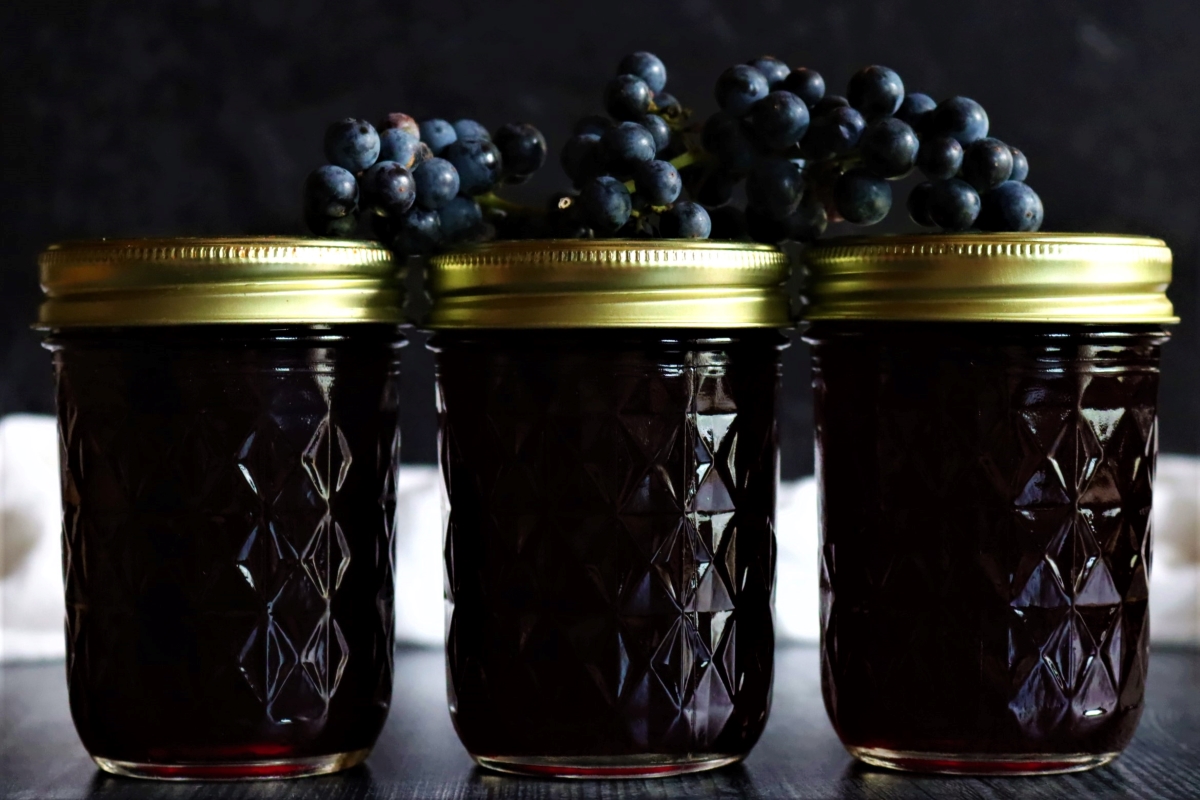
- Preserve your wild grapes with my easy Wild Grape Jelly recipe from Creative Canning.
- Try the classic Old-Fashioned Grape Jam recipe (works beautifully with wild grapes).
- Or try Homemade Grape Jelly made the traditional way.
- Put a new twist on grapes with this Spicy Wild Grape Barbecue Sauce recipe from the Forager Chef.
- Create a sweet foraged treat with this Wild Grape Chiffon Cake from Edible Wild Food.
- Make the best of summer with Wild Grape Sorbet from Food52.
- Got grape leaves? Make these classic Greek Dolmades (stuffed grape leaves) from Hunt Gather Cook.
- Get the flavor of stuffed grape leaves in just 30 minutes with this Greek Grape Leaf Pilaf from Dimitras Dishes.
- Preserve extra grape leaves with this Pickled Grape Leaves recipe from the Forager Chef.
Wild Grape FAQs
Yes, all true wild grapes (Vitis species) are edible and safe for humans to eat. The fruit, leaves, and young shoots can all be consumed. Wild grapes are typically tarter and more acidic than cultivated grapes but make excellent juice, jelly, wine, and pies. The single critical safety concern is making sure you’ve correctly identified a true grape vine and not the toxic Moonseed (Menispermum canadense) look-alike, which has crescent-shaped seeds and lacks the curling tendrils of true grapes. Wild grapes are highly toxic to dogs, however, so keep your harvest away from pets.
Wild grapes are typically smaller (⅛ to 1 inch in diameter), tarter, more acidic, and have proportionally thicker skins and larger seeds than cultivated grapes (which are usually ½ to 1¼ inches across, sweeter, and bred for fresh eating). Both are in the Vitis genus and used the same way, but wild grapes excel at juice, jelly, and wine production where the higher acid content adds complexity to the final product. Wild grapes are also typically much more cold-hardy than European wine grapes, which is why native American Vitis riparia rootstock saved the European wine industry from phylloxera in the 1800s.
The most dangerous look-alike is Moonseed (Menispermum canadense), which is toxic and has crescent-shaped seeds (instead of pear-shaped grape seeds) and lacks the curling tendrils that all true grapes have. Other common look-alikes include Virginia Creeper (which has compound 5-leaflet leaves rather than simple lobed leaves), Pokeberry (a herbaceous plant with bright pink stems, not a vine), and Buckthorn (a tree, not a vine). The single most reliable identification feature is the curling tendril opposite the leaves; if a vine has these tendrils, you can confirm it’s a true grape. If not, it’s a look-alike.
Wild grapes ripen from August through October in most of North America, depending on the species and location. Riverbank Grape (Vitis riparia) and other northern species often improve dramatically after the first frost, with the cold concentrating sugars and softening astringency. Some species can persist on the vine through winter as freeze-dried fruit, allowing for late-season foraging. Look for fully colored fruit (deep purple, blue-black, or in some species amber-yellow) that’s slightly soft to the touch.
Yes, wild grapes are toxic to dogs and other companion animals, just like cultivated grapes. Even small quantities can cause kidney failure in dogs, with effects ranging from vomiting and lethargy to acute kidney damage. The exact mechanism isn’t fully understood and the toxic dose varies between dogs (some seem more sensitive than others), but veterinary consensus is to never feed any grapes (wild or cultivated), grape juice, raisins, or grape leaves to dogs. If your dog accidentally eats wild grapes, contact your vet immediately. Cats are also affected but typically aren’t interested in eating grapes.
Did you find this Wild Grape foraging guide helpful? Tell me in the 📝 comments below how you use wild grapes on your homestead!
And make sure you stay in touch with me by following on social media!
Wild Fruit Foraging Guides
Find the perfect foraging guide
Searching for something else? Enter keywords to find the perfect foraging guide!










I just want to say thank you so much. Your articles are very informative. I am just learning here and your articles are about the best that I have found. I had found Muscadine grapes growing on the property here, but have not looked to see what else may be here. Ready to explore. I did find Poke weed at the far end of the property a few years ago and last year it had managed to pop up in my front yard. I am trying to get rid of it!!! Not easy. 🙂 Once again, thank you very much!
Poke weed is pretty rare around here, but there are a lot of southern recipes for eating the shoots in the early spring. While the fruit is toxic, the shoots are edible (if you process them right)…and people used to harvest and can the greens and shoots for export. That’s one way to get rid of them!
Thank you very much. I will look into processing the shoots for next year. I have cut down all of the current plants to try to keep the fruit from spreading more. seeds around They seem to be basically invasive here. We had NONE at the house for 6 years, but they were at the other end of a forty acre stretch and all of a sudden showed up at the house. My guess is that the birds dropped the seeds here.
I’ve made wild grape pie twice! It’s a lot of work separating the seeds, but it’s a fun activity to do with kids or friends. https://m.sevendaysvt.com/BiteClub/archives/2014/10/14/farmers-market-kitchen-wild-grape-pie.
Just made a 1/2 gallon of grape juice with fruit from a single, vigorous vine–it is, like you said, such a free gift. Thanks for the helpful information–you’re one of the few foragers online I actually trust, since you actually do what you talk about. Happy fall to you!
Thank you so much Wren, and I’m so happy about your find!