
Affiliate disclosure: This post may contain affiliate links. Please see our Privacy Policy.
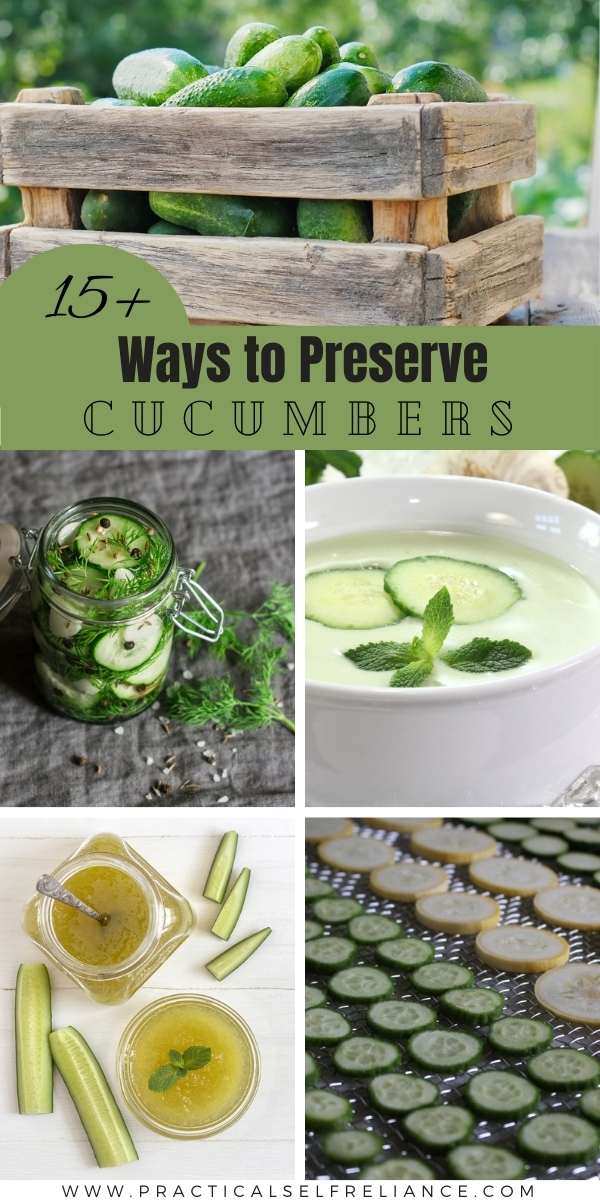
Preserving cucumbers takes more planning than most garden vegetables, because they are almost entirely water and they soften fast once they leave the vine. I have put together every method I use to get a cucumber harvest into the pantry, the freezer and the crock, along with the pickling recipes I come back to season after season.
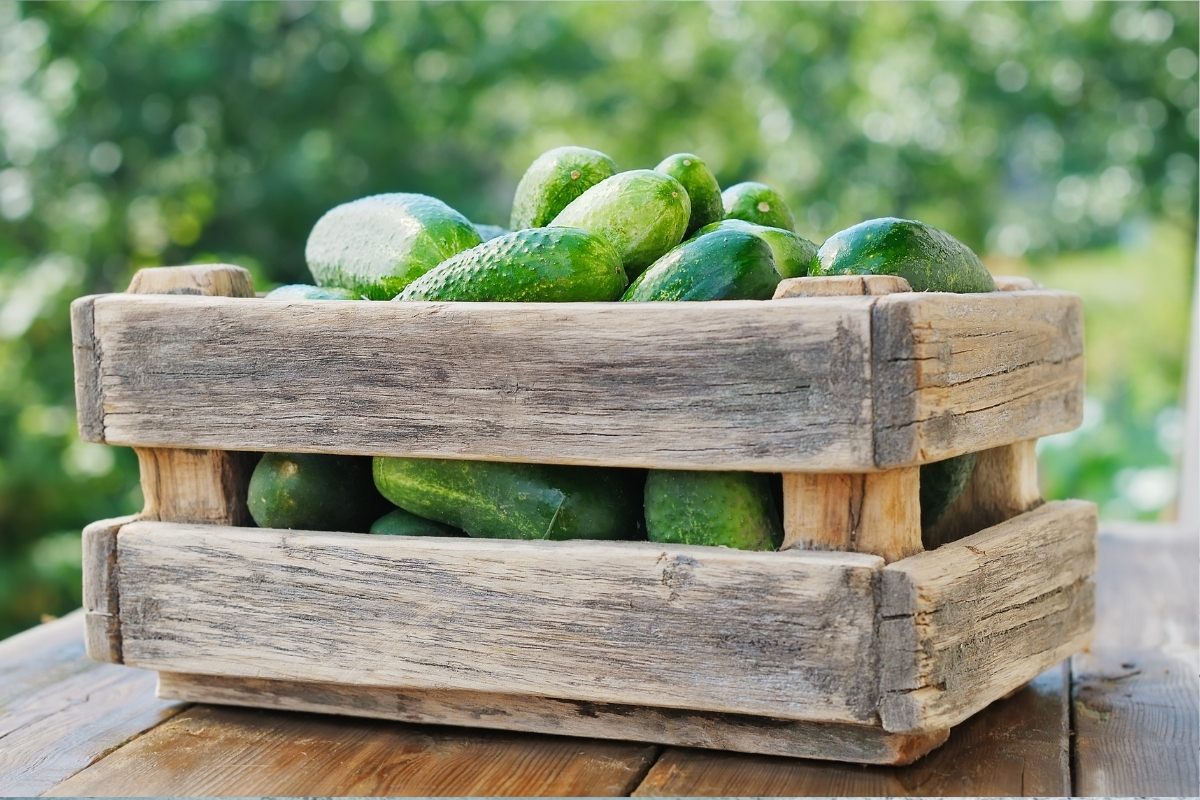
Table of Contents
- Notes from My Kitchen
- How to Preserve Cucumbers
- How to Store Fresh Cucumbers
- Freezing Cucumbers
- Dehydrating Cucumbers
- Freeze Drying Cucumbers
- Fermenting Cucumbers
- Refrigerator Pickles
- Canning Cucumbers as Pickles
- Cucumber Infused Vinegar
- Sweet Cucumber Preserves
- Cucumber Drinks
- Other Ways to Use Up Cucumbers
- More Ways to Preserve the Harvest
- Cucumber Preserving FAQs
- Preserve the Harvest
Everyone warns new gardeners about zucchini and tomatoes, and somehow nobody mentions that a handful of cucumber vines will bury you just as thoroughly. Ours climb a cattle panel trellis along the south side of the garden, and by the third week of July I am walking out there twice a day and still finding one the size of my forearm hiding behind a leaf.
Cucumbers are roughly 95 percent water, which is exactly why they are trickier to put up than apples or beans. Freeze them whole and you get a bag of mush. Dry them without slicing them super thin and they take forever to crisp. The water content is the whole problem, and every method here works around it in a different way, either by pulling the water out, locking it in with acid or salt, or accepting the texture change and using the cucumber somewhere the texture does not matter.
That last category is where a lot of people give up too early. Frozen cucumber is definitely bad on a sandwich and genuinely good in cold soup, in a smoothie, or floating in a glass of water in February. Once you stop asking preserved cucumbers to taste like fresh ones, the options open up considerably.
Notes from My Kitchen

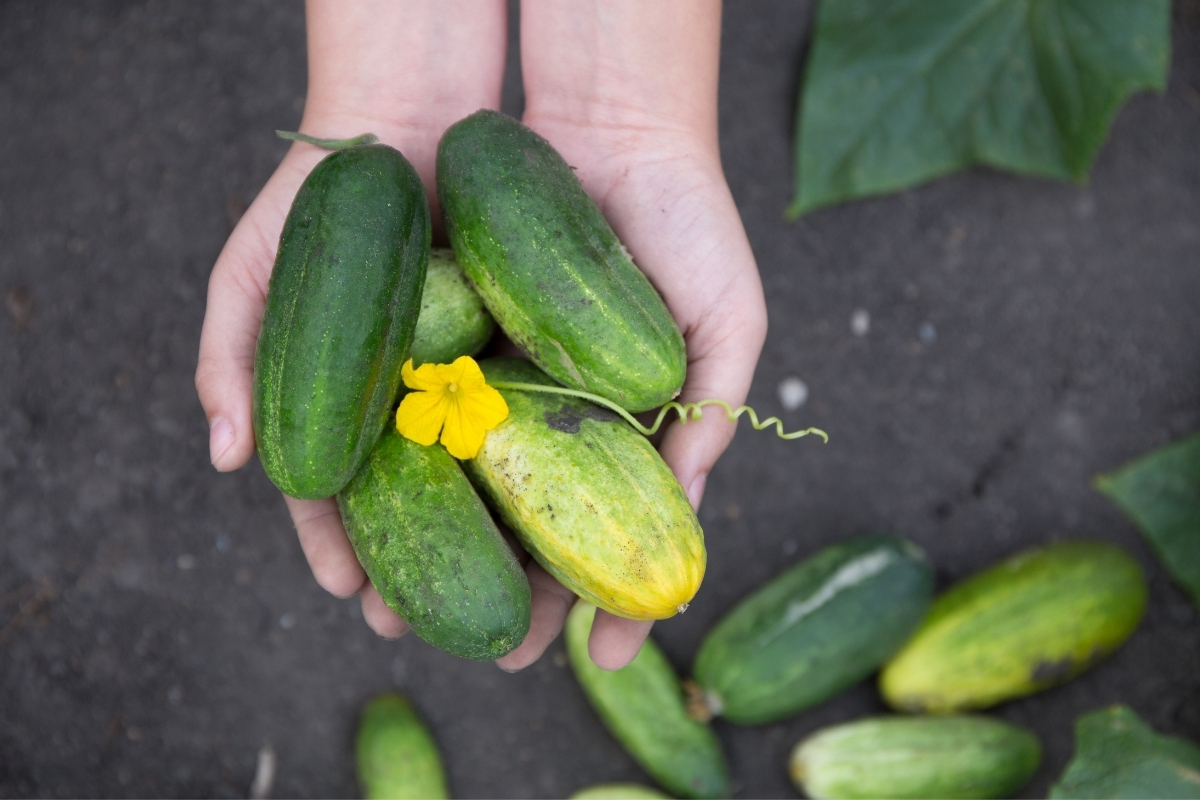
We put up at least 50 jars of pickles a year, and a good share of those are tiny baby gherkin pickles made from cucumbers picked at about an inch long. Harvesting them that small means going out every single morning during the peak, because a gherkin left two extra days is just a regular cucumber. It is tedious work, and then I open a jar at Thanksgiving and remember exactly why I do it.
The method that surprised me most was dehydrating. The first time I made cucumber chips I fully expected to throw the batch out, and instead my kids went through them like potato chips. Salt and vinegar is the flavor that disappears fastest around here. Now a tray of cucumber slices goes into the dehydrator almost every time I run it in August, usually tucked in alongside squash and zucchini.
Love this post, it has some really fresh and unique ideas that I didn’t think about, like freezing and dehydrating the cucumbers. We have several gallon size bags full of cucumbers in the fridge and even the thought of them going to waste gives me incredible anxiety. Just canned some sweet relish this week and that made a dent, but of course the harvest continues haha! Thanks for the ideas.
How to Preserve Cucumbers
Preserving cucumbers comes down to a few core methods, and each one branches into its own set of recipes. That is how a short list of techniques turns into dozens of ways to put up a harvest. Pickling and fermenting are the two that keep the crunch. Everything else trades texture for shelf life, which is a fair trade once you know where the result is headed.
- Water bath canning as pickles, which covers dills, bread and butters, sweet pickles, cornichons and a whole family of heritage recipes, all shelf stable for 12 to 18 months
- Canning as relish, including dill relish, sweet pickle relish and chow chow, where size and shape of the cucumber stop mattering
- Fermenting in a salt brine, for full sours, half sours and garlic dills with live cultures
- Refrigerator pickling in a vinegar brine, ready in days and good for a month or two
- Freezing as slices, purees, ice cubes or sorbet, for cold soups, smoothies and drinks
- Dehydrating into seasoned chips or cucumber powder, which shrinks a whole harvest into a pint jar
- Freeze drying, the one method that keeps something close to the original texture
- Infusing and steeping into vinegar, vodka, kombucha, wine, jam or jelly, where flavor is the thing being preserved rather than the vegetable
Match the method to the cucumber you actually have, because that decision does most of the work. Small firm pickling cucumbers deserve the crunch-preserving methods. Big yellow overgrown ones that hid under a leaf are relish and heritage-pickle material. Slicing cucumbers from the grocery store are for freezing, drying and infusing.
How to Store Fresh Cucumbers
Fresh cucumbers hold their quality about a week in the refrigerator, and they can stretch closer to two if you handle them right. They are one of the few vegetables that suffer from a standard fridge, because temperatures below roughly 45 to 50°F cause chilling injury, which shows up as watery pits and soft spots.
Wash and dry them thoroughly, then wrap each one loosely in a paper towel or a piece of foil to keep condensation off the skin, and put them in an open bag. Store them in the middle of the refrigerator toward the front, which is the warmest zone, rather than the crisper drawer at the bottom where it runs coldest.
Once you cut into a cucumber the clock speeds up considerably. Keep leftover sections whole rather than slicing them ahead, cover the cut end, and use them within a couple of days.
If your garden is producing faster than your refrigerator can hold, a cool basement corner works as short-term overflow, and my guide to root cellaring without a root cellar covers how to find those spots in an ordinary house.
Freezing Cucumbers
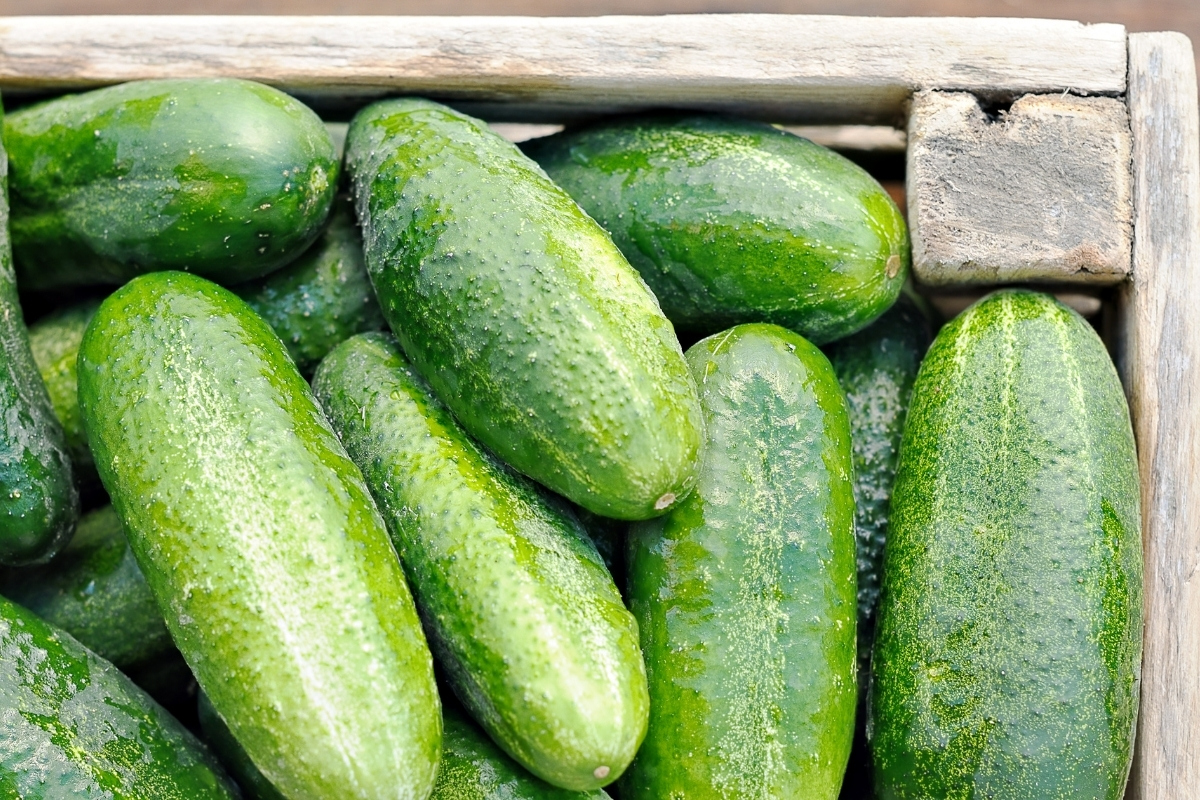
Freezing cucumbers works, provided you know going in that they thaw soft. There is no blanching step and no way around the texture change, so plan the end use before the cucumbers ever go in the freezer. Anywhere a cucumber gets blended, chilled or steeped, frozen works fine.
My broader guide to freezing vegetables walks through which crops need blanching and which do not.
Freezing Cucumber Slices
Peel first if you want them peeled, because peeling a thawed cucumber is genuinely unpleasant. Slice, spread the pieces on a parchment-lined baking sheet, and freeze them solid before bagging, so they do not weld into a block. Frozen slices go straight into cold soups, relish batches and smoothies without thawing.
Cucumber Ice Cubes
This is the method I use most. Puree cucumber in a food processor, strain out the pulp, and pour the juice into ice cube trays. You can also just drop slices into the trays and top them with water if you want something prettier. Once frozen, pop the cubes into a bag.
Two cubes in a glass of plain water in the middle of January tastes like the garden, and they are just as good in a gin and tonic. Several readers mentioned they keep cucumber water going year round this way, which is a use I had not thought of until they said so.
Freezing Whole Cucumbers
You can freeze cucumbers whole, and I mostly do not recommend it. A frozen whole cucumber has to be thawed before you can do anything with it, at which point it is soft and hard to peel, and you have wasted freezer space storing water. Slicing or pureeing before freezing takes ten extra minutes and saves you the trouble later.
Dehydrating Cucumbers
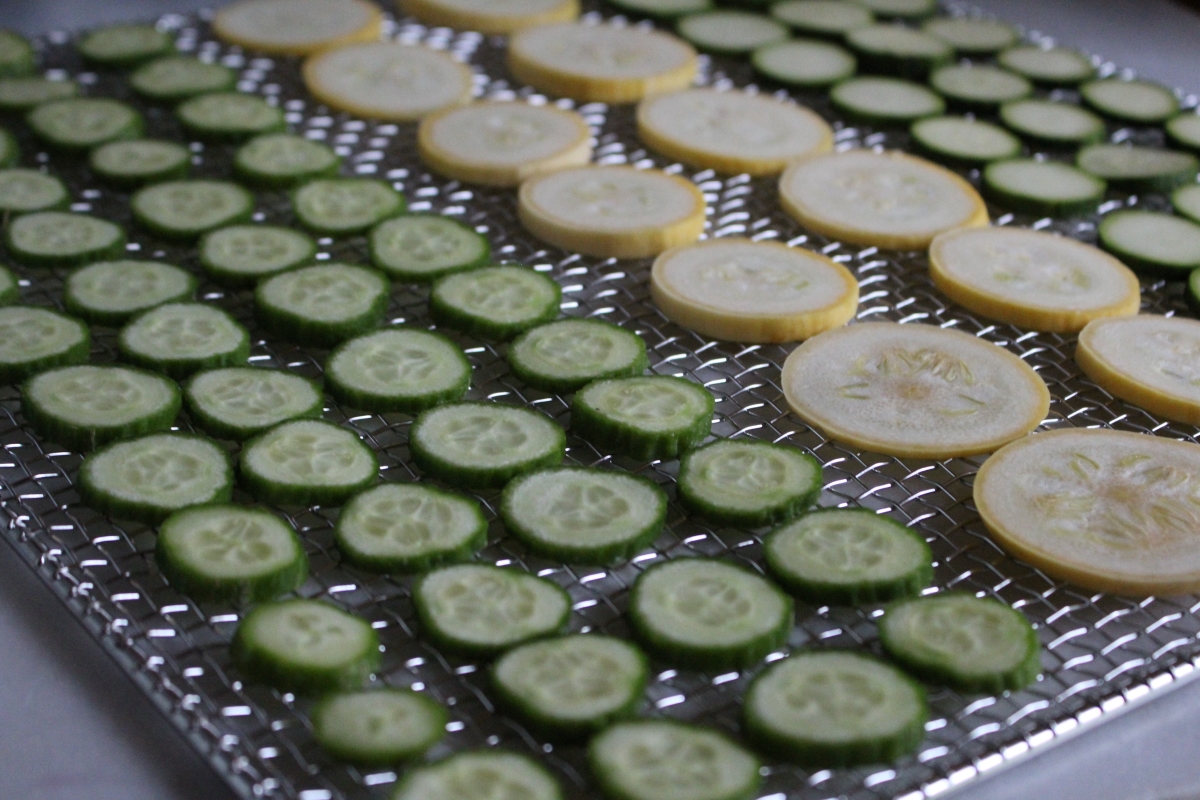
Dehydrating is the method that turns a mountain of cucumbers into something that fits in a pint jar, and it is the one that converted my kids. The trick is thin, uniform slices, because thick pieces stay leathery in the middle while the edges are already brittle. A mandoline slicer makes short work of it and gives you slices that all finish at the same time.
Cucumber Chips
Toss the slices with a couple of teaspoons of oil or vinegar, then season them however you like. We rotate between salt and vinegar, ranch and barbecue, and the salt and vinegar batch is the one that never makes it to the jar. Lay them on the trays close together but not touching, since air has to move around every slice.
Run the dehydrator at 135°F for 4 to 6 hours, checking toward the end. They should snap, not bend. If you do not have a dehydrator, an oven on its lowest setting works, but watch it closely because cucumber chips go from done to scorched quickly. My beginner’s guide to dehydrating food covers temperatures and doneness tests across produce.
Store finished chips in an airtight container. They hold for months, and they hold considerably longer with an oxygen absorber or a run through a vacuum sealer. If any batch feels the least bit soft after a week in the jar, it needed more time in the dehydrator.
Cucumber Powder
Cucumber powder is two extra minutes past cucumber chips. Drop the dried slices into a coffee grinder or blender and pulse until there are no flecks left. Flavored chips make flavored powder, which is worth knowing before you grind up the whole barbecue batch.
I stir it into yogurt dips, whisk it into dressings, and use it to thicken and flavor cold sauces. Store it in the smallest jar that will hold it, because headspace full of air is what turns powders stale. The general technique is the same for any dried vegetable, and there is a good walkthrough of making and using vegetable powder if you want to powder your whole dehydrator run. For more ideas on what else to run through the machine, browse my collection of dehydrator recipes.
Freeze Drying Cucumbers
Freeze drying is the one method that gets you a preserved cucumber slice that still looks and snaps like a cucumber. The high water content that makes cucumbers difficult everywhere else actually works in your favor here, since the ice sublimates out and leaves the cell structure standing.
Slice about a quarter inch thick, lay the pieces in a single layer, and expect a long cycle because of all that water. Freeze dried cucumber slices are good straight out of the jar as a snack, and they rehydrate reasonably well into cold soups. Properly sealed with an oxygen absorber, they store for years rather than months.
If you are weighing the equipment against a dehydrator, my comparison of freeze drying versus dehydrating lays out where each one earns its keep, and my beginner’s guide to home freeze drying covers running the machine.
Fermenting Cucumbers
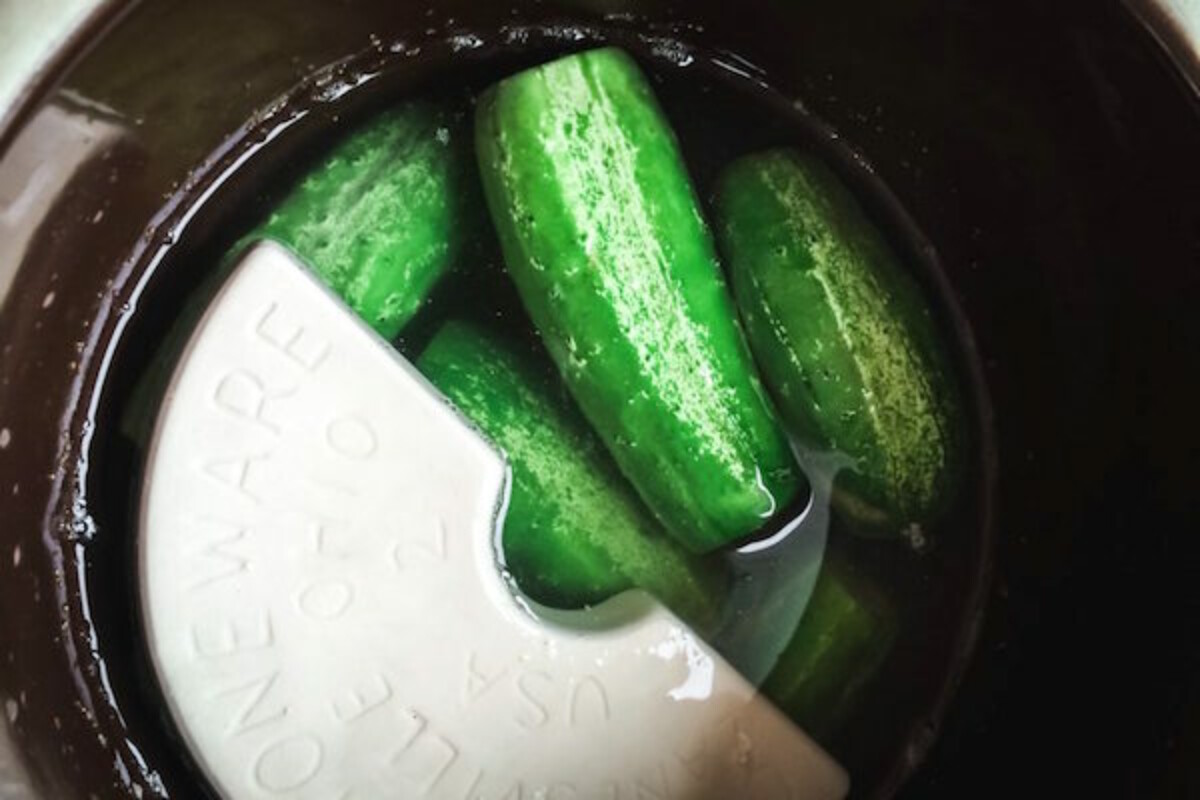
Fermenting is the oldest way to preserve a cucumber and, to my mind, the least intimidating once you have done it once. There is no canner, no processing time and no headspace to measure. You pack cucumbers into a jar with salt brine, keep them under the liquid, and let lactic acid bacteria do the preserving.
Use small, thin-skinned cucumbers and use them the day they are picked. Trim a sixteenth of an inch off the blossom end of every cucumber, because the blossom carries an enzyme that softens pickles from the inside out. That single step is the difference between a crock of crisp pickles and a crock of disappointment.
Since you are not canning, jar size is up to you. I ferment in half gallon jars when I have the cucumbers for it, and in a half gallon fermentation crock when I am doing a bigger batch. Glass fermentation weights keep everything below the brine line, which is where mold problems start. Use canning and pickling salt rather than table salt, since anti-caking additives cloud the brine.
My step by step lacto-fermented pickle recipe uses fennel, mustard, coriander, allspice, dill and celery seed with peppercorns, and unlike a canning recipe you can move those spices around freely. If you have never fermented anything, start with lacto-fermentation for beginners, which explains what is actually happening in the jar.
Refrigerator Pickles
Some evenings I have cucumbers coming out my ears and absolutely no interest in heating up the kitchen with a canner. That is refrigerator pickle weather. There is no processing, no headspace to fuss over, and no commitment, which also means the jars live in the refrigerator and get eaten within a month or two.
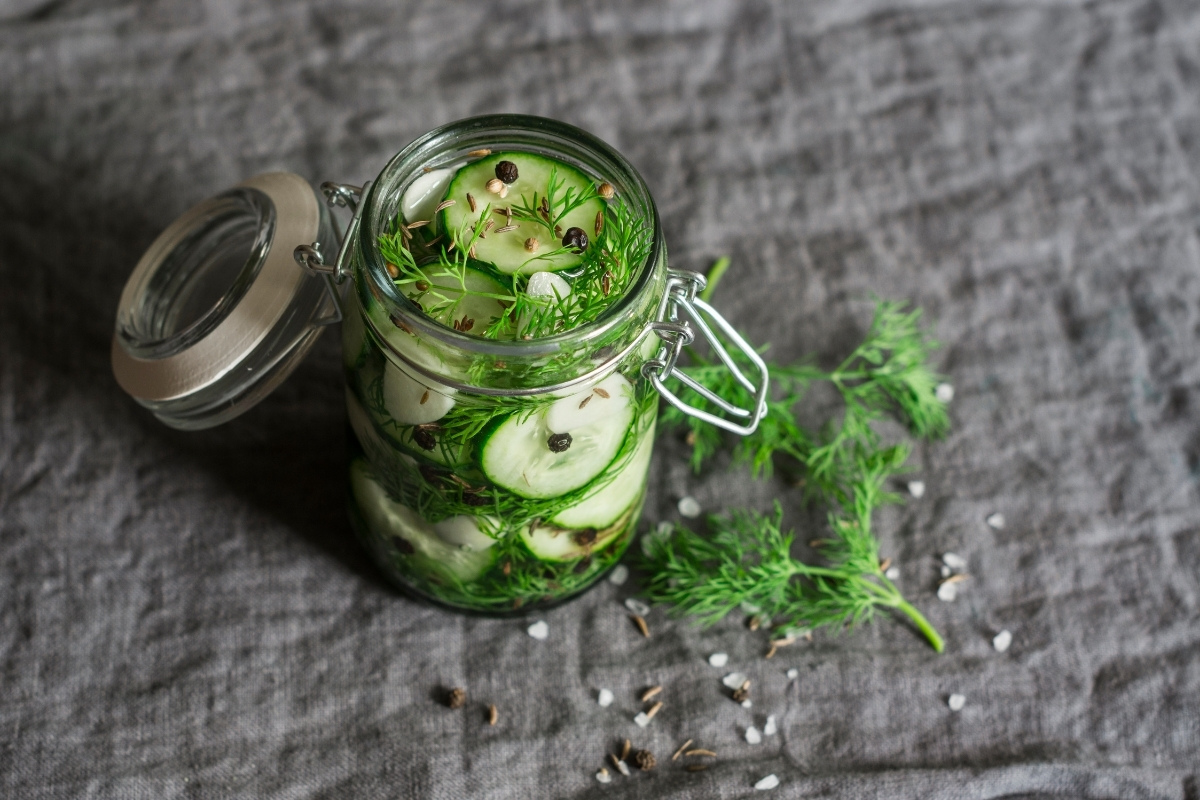
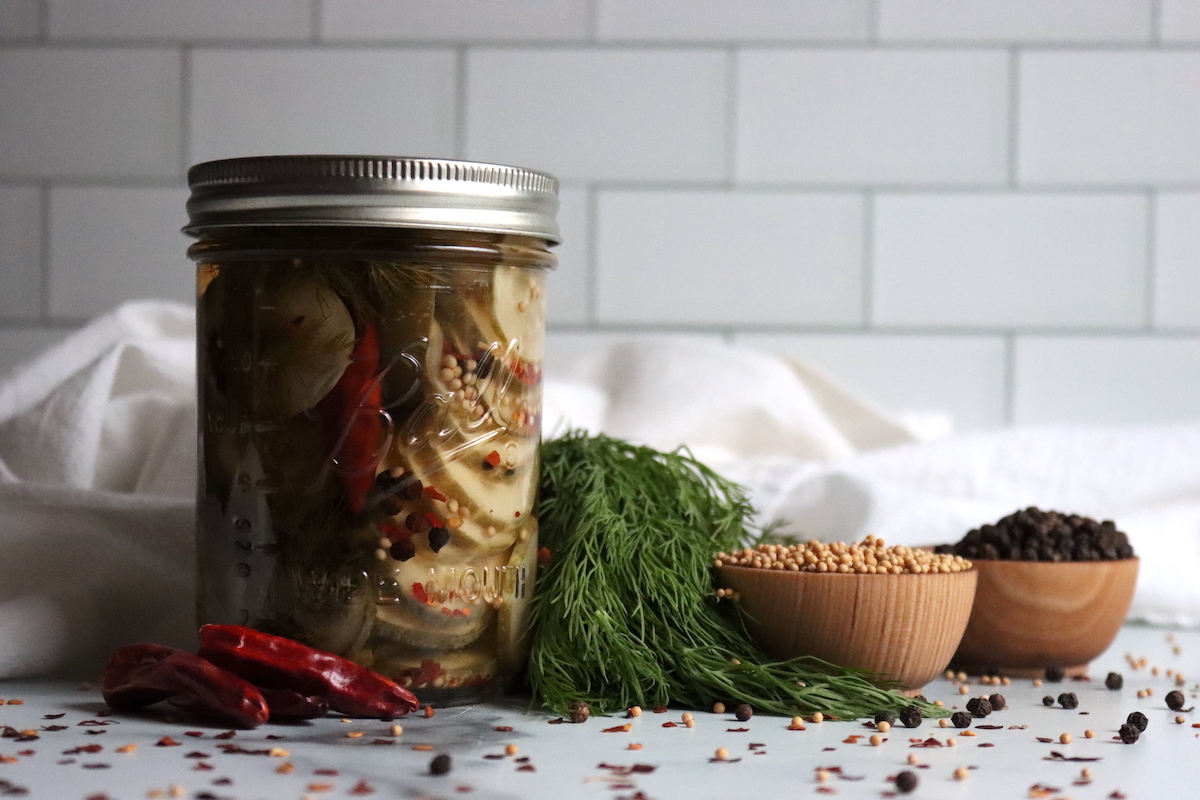
Slice cucumbers about a quarter inch thick and pack them into clean jars. Add your spices straight to the jar, which is where refrigerator pickles get fun, because every jar can be different. I use peppercorns, mustard seed, dill seed and coriander with fresh dill on top, and I have made rosemary, thyme and tarragon versions when the herb bed was getting away from me.
Mix a brine of half water and half apple cider vinegar, pour it over, and give them several days in the refrigerator before you judge them. If a jar tastes flat after a week, open it, adjust the salt or spice, cap it and give it more time. That flexibility is the whole appeal.
Canning Cucumbers as Pickles
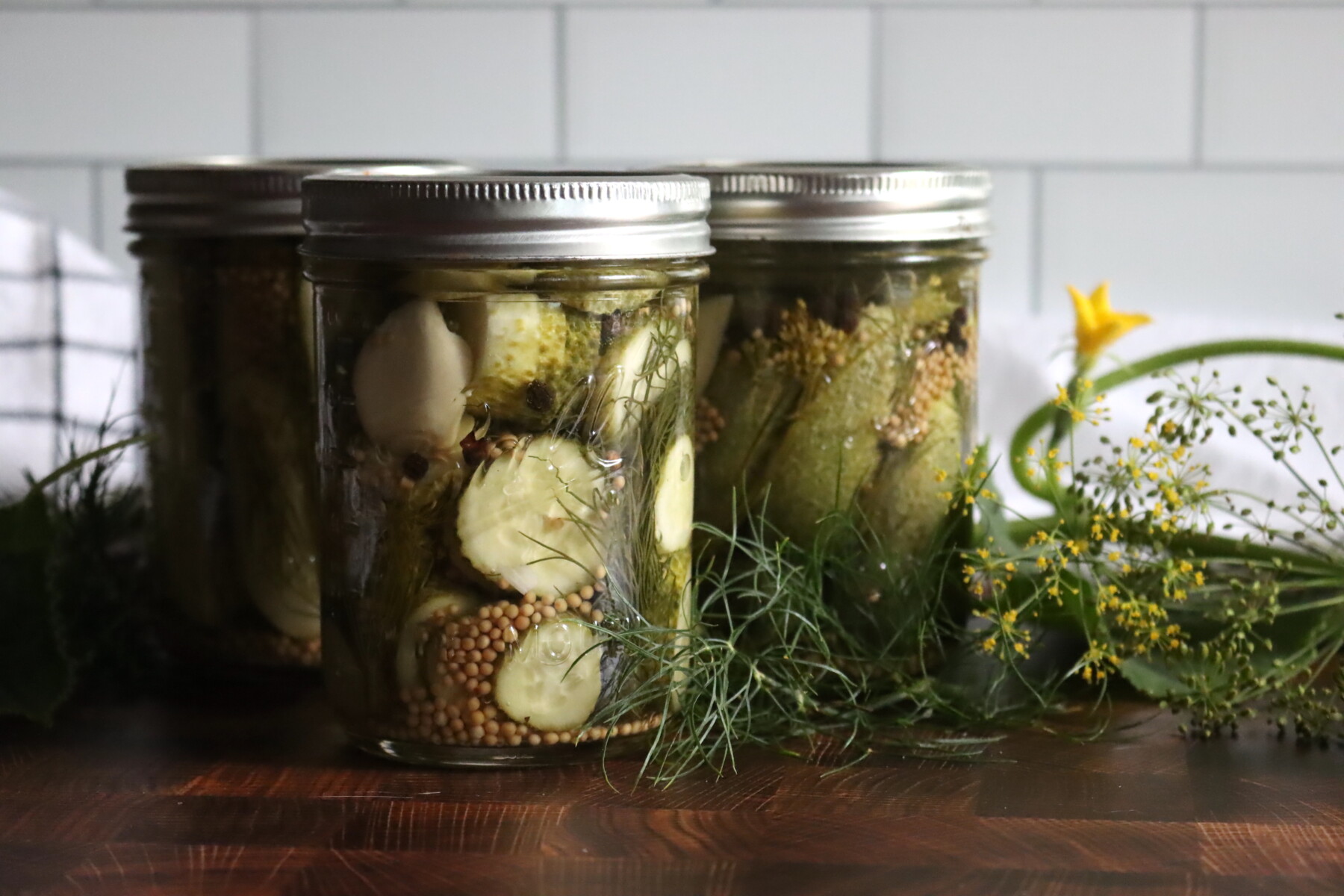
Water bath canning is how the bulk of our cucumber harvest gets preserved, and it is the only way to get shelf-stable jars that keep 12 to 18 months in the pantry. Cucumbers are a low-acid vegetable, so every one of these recipes works by adding enough vinegar to bring the finished jar into safe territory.
A Note on Pickle Safety
Acidity in a pickled product is a safety matter, not just a flavor one. The National Center for Home Food Preservation is clear on this point in its general information on pickling: use tested recipes, use vinegar of known 5 percent acidity, and do not change the proportions of vinegar, water and cucumber. Adding extra cucumber to a jar or cutting the vinegar with water raises the pH of the whole batch.
Spices, herbs, garlic and dill can be adjusted to taste. The vinegar-to-water-to-cucumber ratio cannot. If you are new to the canner, start with my beginner’s guide to water bath canning.
You will need a water bath canner, jars and lids. For crisp results, trim the blossom end off every cucumber, salt and drain larger cucumbers before packing, and consider Ball Pickle Crisp, which is calcium chloride and nothing more alarming than that.
Dill Pickles
A homemade dill pickle on a burger in February is one of the small compensations of a Vermont winter. Dill pickles are the jar we go through fastest, and they are forgiving enough to be a reasonable first canning project. Larger cucumbers are better turned into relish or bread and butter pickles, so save the small firm ones for whole dills and spears.
Whether you pack whole cucumbers, spears or slices changes nothing about safety and everything about how you use them. Spears go in lunchboxes, slices go on sandwiches, and whole pickles are for standing at the counter eating one over the sink.
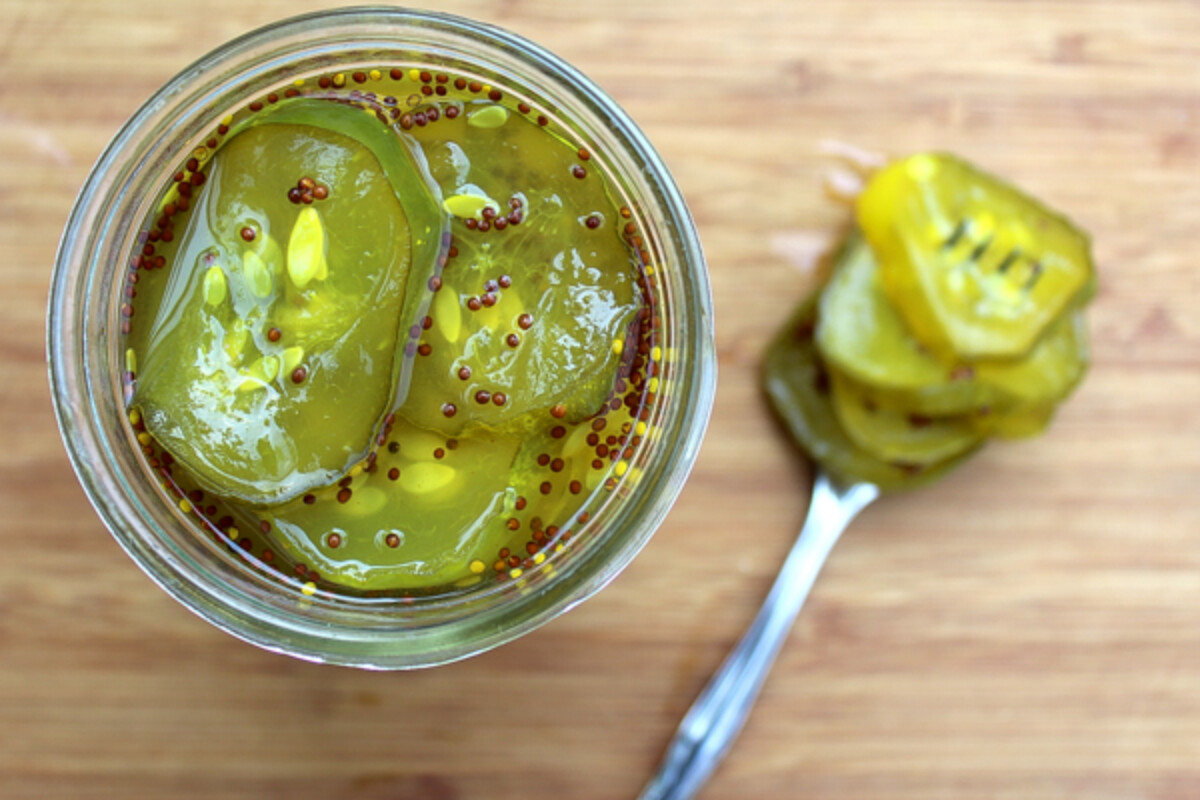
Sweet and Bread and Butter Pickles
I came to bread and butter pickles late and only because I had a counter full of cucumbers going soft. I assumed I would not care for them and it turns out I was wrong, and now I put up a batch every year alongside the dills.
They also solve the oversized cucumber problem. Salting draws out water and takes the bitterness with it, which is exactly what those big ones need. My recipe leans savory with mustard seed, celery seed and turmeric, and readers who want more warmth add ginger or a little horseradish. Give the jars two weeks before you open one, because the flavors need that time to settle.
- Bread and Butter Pickles Canning Recipe
- Classic Bread and Butter Pickles
- Sweet Cucumber Pickles
- Virginia Chunk Sweet Pickles
Spicy Pickles
My husband likes heat on his burgers and asked me to make pickles with a kick, so a few jars of spicy dills go up every year. He suggested ghost peppers. I did not take him up on it. Crushed red pepper or a couple of jalapeno slices per jar gets you plenty far, and a few jars last all year unless someone in your house is a serious pickle enthusiast.
Tiny Pickles and Cornichons
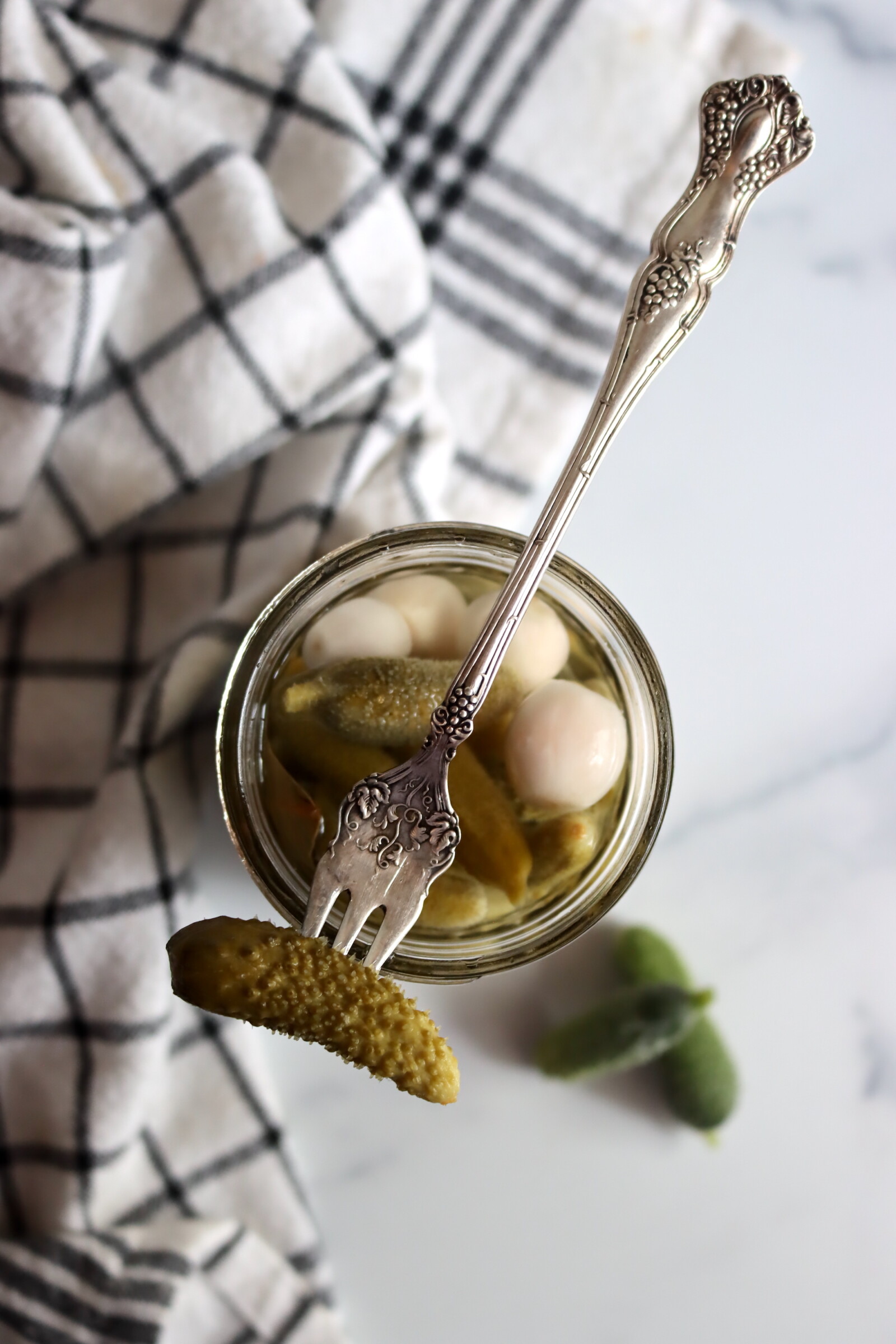
Cucumbers picked at one to three inches make a different creature entirely. Cornichons are the French version, brined sharp with tarragon and served with pate and hard cheese, and sweet gherkins are the spiced, sugared cousin. Both take patience at harvest time, because the window between gherkin and cucumber is about two days in July.
Cucamelons are worth a mention on their own. They are tiny grape-sized fruits in the cucumber family that look like miniature watermelons and taste like cucumber with a squeeze of lime, and they pickle beautifully. There are plenty of other things to do with them in this collection of cucamelon recipes.
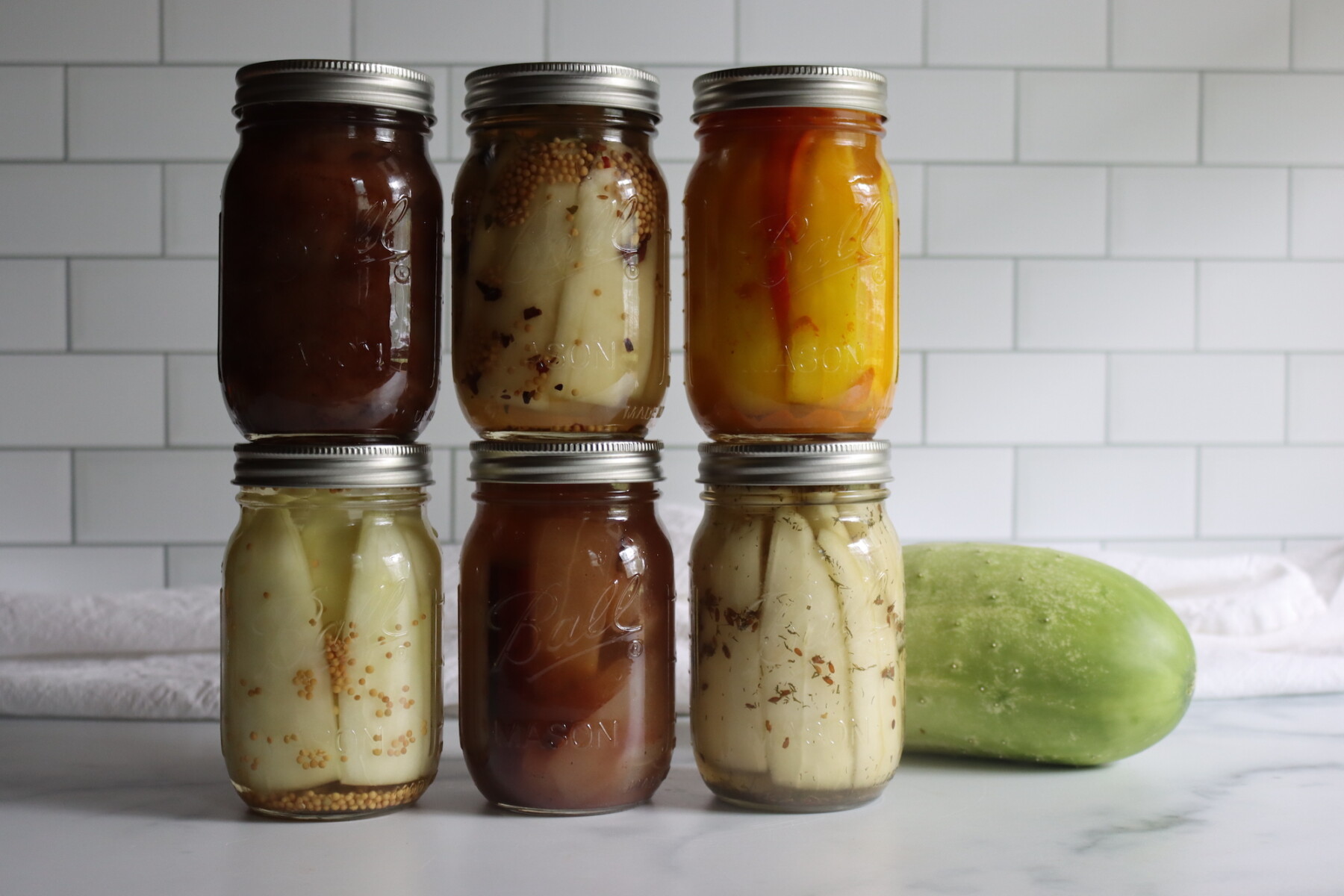
Old Fashioned and Heritage Pickles
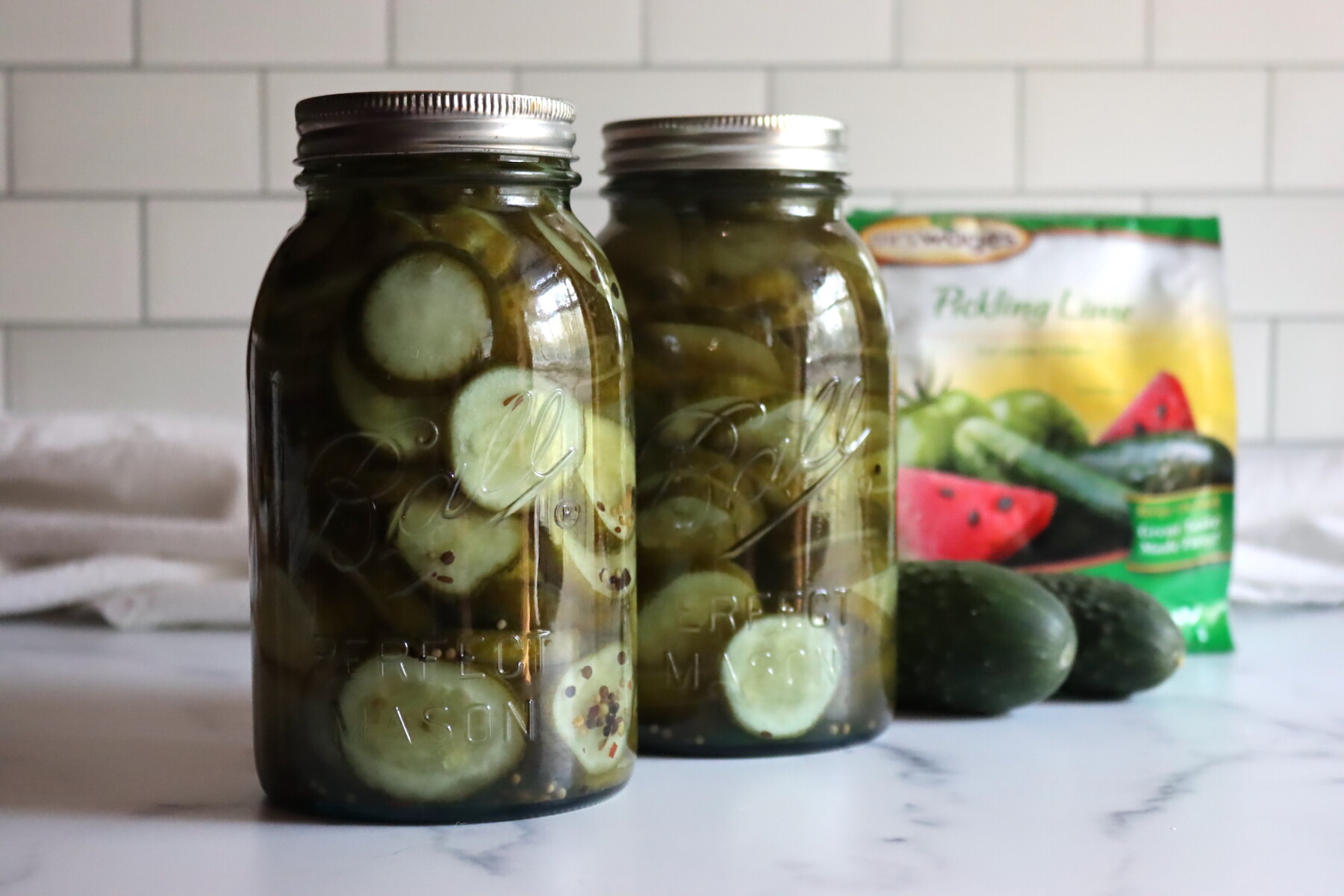
These are the recipes that take days or weeks, with rounds of brining, draining and rinsing before the jars ever see a canner. They are not efficient and they are not quick, and they produce a crunch that quick-process pickles cannot match. If you remember a grandmother’s pickles being crisper than anything you can buy, this is probably why.
Some of the old recipes use pickling lime to firm the cucumbers before pickling. Lime works by raising pH, so thorough rinsing between soaks is not optional, it is the safety step. Follow the recipe soaks and rinses exactly as written.
Pickles for Overripe Cucumbers
Every gardener knows the feeling of parting the leaves in late August and finding a cucumber the size of a zucchini, yellow and seedy and clearly there for a week. Those are not compost.
Peeled, seeded and cut into planks, they become a whole category of European and old New England pickles that were designed for exactly this problem.
The Vermont version is called a tongue pickle, which is a terrible name for a very good pickle. They are cut into long flat pieces, spiced heavily with cinnamon and clove, and sweetened with maple syrup, so they end up tasting closer to apple pie than to anything in a pickle jar.
- Vermont Maple Tongue Pickles
- Senfgurken (German Mustard Pickles)
- Danish Asier Pickles
- Russian Bear Claw Pickles
Cucumber Relish
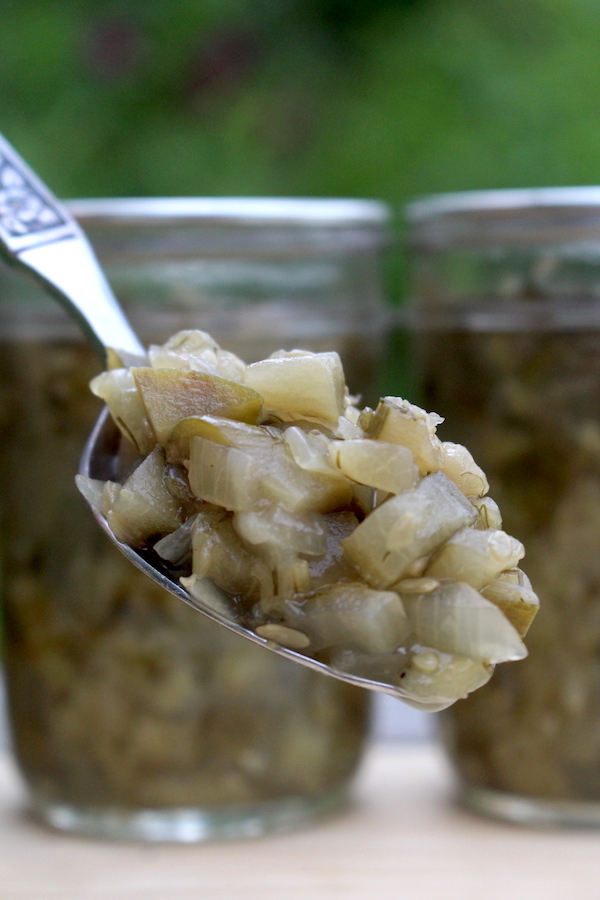
Relish is where the awkward cucumbers go, and it is the jar we reach for on burgers, hot dogs and homemade chicken salad. Since everything gets chopped, size and shape stop mattering entirely, which makes relish the natural landing spot for the end of the season.
My own version uses considerably less sugar than most canned relish recipes. Some of the recipes I read while working mine out were sweet enough to be jam, and relish should be savory with a little sweetness rather than the reverse.
- Sweet Dill Pickle Relish for Canning
- Cucumber Relish
- Classic Pickle Relish
- Sweet Pickle Relish
- Dill Relish
- Amish Chow Chow
- 24+ Relish Recipes for Canning
There are considerably more cucumber pickling recipes than I can reasonably fit here, sorted by style and by the kind of cucumber they suit. If you want to go deeper, work through the full collection of 30+ cucumber pickle recipes, or branch out into other vegetables with 50+ pickle recipes from asparagus to zucchini. For everything else that goes in a jar, my index of 100+ canning recipes is a good starting point.
Cucumber Infused Vinegar
Flavored vinegars cost a startling amount at the store for what amounts to produce sitting in a bottle. Cucumber infused vinegar takes ten minutes of work and then six weeks of patience, and it is worth the wait on summer salads and in dipping sauces.
Stack sliced cucumbers in a jar with peppercorns and garlic, fill the jar with vinegar, and add a layer of thickly sliced onion on top. Give it at least six weeks in a cool dark spot before straining. The technique carries over to anything else growing in the garden, and my guide to making herbal vinegar covers the ratios.
Sweet Cucumber Preserves
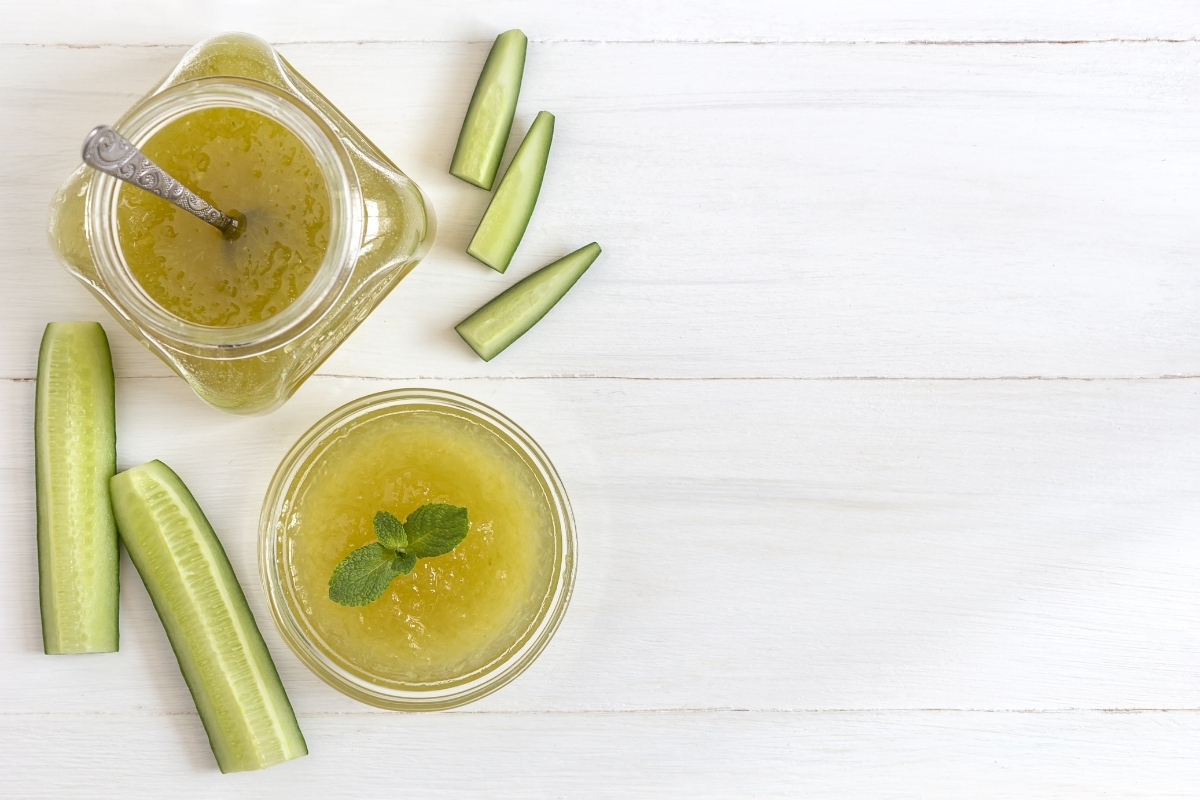
Cucumber and mint sounds strange written down and tastes considerably better than it sounds. Cucumber mint jam is not something I need a dozen jars of, but one batch a year gets eaten and a few jars go out as gifts. It is a cheese-board jam rather than a toast jam, and it surprises people.
The method runs like most pectin preserves. Peel the cucumbers, halve them, scoop the seeds, then dice. The cucumber goes into the pot with lemon juice, vinegar and pectin and comes to a full boil, then the sugar goes in and it returns to a boil. Skim the foam off heat and stir the mint in at the very end, since mint cooked hard turns dull.
Cucumber jelly is the strained version, made from cucumber juice rather than diced flesh. Run cucumbers through a juicer or puree and strain them well, then set the juice with sugar and pectin. Straight cucumber and sugar is bland, so it needs something with it. Vanilla bean rounds it out, and dill or diced jalapeno pushes it savory.
Before You Can a Sweet Cucumber Preserve
Cucumber jams and jellies sit outside the tested canning literature. Cucumber is a low-acid vegetable, and the acid in these recipes comes from added lemon juice or vinegar in proportions that have not been laboratory tested for a shelf-stable pack. Treat them as refrigerator preserves, keep them cold, and use them within a few weeks.
Cucumber Sorbet
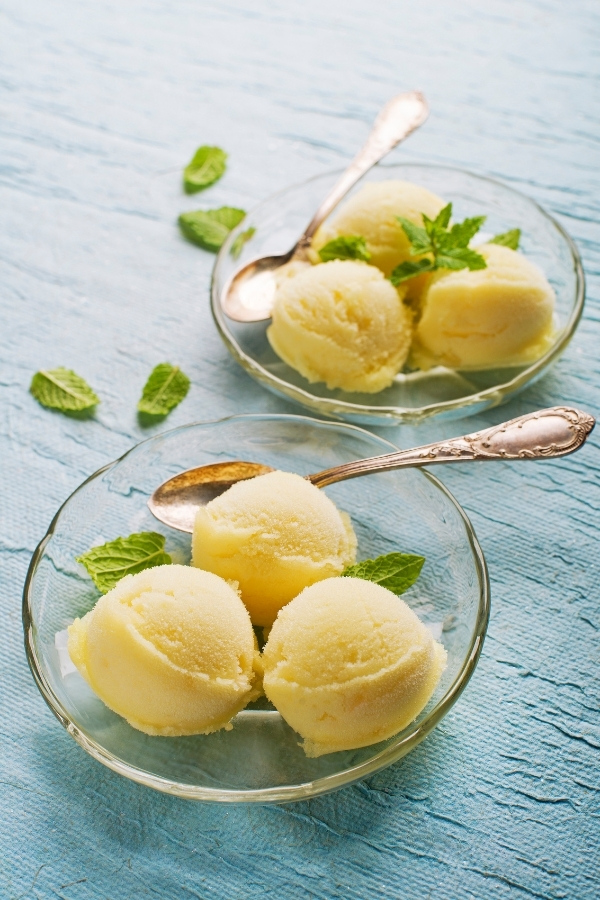
Cucumber sorbet is a freezer preservation method dressed up as dessert, and it needs only cucumbers, lemon juice and sugar. The sugar quantity looks alarming at first glance and it is doing structural work, not just sweetening. Cut it back and you get an ice block instead of a sorbet, because sugar is what keeps the texture scoopable.
Peel and seed the cucumbers, process them smooth with the sugar and lemon juice, chill the base thoroughly, then run it through an ice cream maker. It is a good use for slicing cucumbers, which are too watery for pickling anyway.
Cucumber Drinks
Fermenting and infusing cucumber into a drink is preservation by another name, since what you are keeping is the flavor rather than the vegetable. These are also the methods with the lowest barrier to entry, because none of them require equipment you do not already own.
Cucumber Infused Vodka
Peel the cucumbers, put them in a jar, cover with vodka, and leave it in the refrigerator for a week. Strain and you have the base for a martini that tastes like July. A reader mentioned using it in a Bloody Caesar, which strikes me as an improvement on the celery stick.
Cucumber Kombucha
Cucumber goes into the second ferment, not the first. Add chopped cucumber and a little sugar to a bottle of finished plain kombucha, leave headspace, cap it tight, and give it two to three days at room temperature before refrigerating. Cucumber has very little sugar of its own, so the added sugar is what feeds the carbonation. Mint and lime both work well alongside it, and watermelon is a good partner since it brings sugar to the bottle.
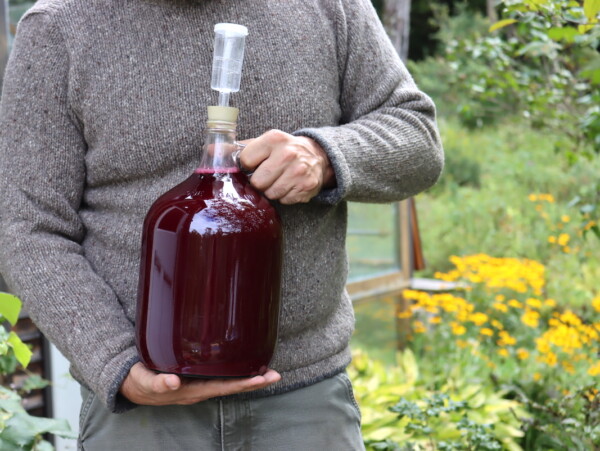
Cucumber Wine
Cucumber wine is real, and it does not taste the way you are bracing for. Built with oranges, lemons, cucumbers and sugar, it finishes smooth and fruity rather than vegetal. Peel and remove the pith from the citrus, because pith turns a batch bitter and there is no fixing it afterward.
This one is not a first project. If you have never fermented a batch, start with my guide to small batch wine, which uses one gallon jugs and a lot less commitment, then come back to this when the process feels familiar.

Other Ways to Use Up Cucumbers
Not everything on the counter has to go into a jar. Some of the harvest gets eaten within the week, and a few things are worth making even though they are not preservation in the strict sense.
Cucumber salsa is the one my family goes through fastest in August, chunky with tomatoes, jalapeno, red onion and herbs. It is a fresh salsa meant for the refrigerator and it is not a canning recipe, so resist the urge to improvise vinegar into it and put it in jars. Cucumber also makes a lovely soap, which is a good landing spot for the ones that got away from you, and my beginner’s guide to soap making covers the basics if you have never made a batch.
More Ways to Preserve the Harvest
Cucumbers are rarely the only thing coming in at once. If the rest of the garden is piling up too, these guides work the same way, one crop at a time.
- Zucchini Canning Recipes
- 30+ Ways to Preserve Apples
- 20+ Ways to Preserve Pumpkin and Winter Squash
- 20+ Ways to Preserve Strawberries
- 20+ Ways to Preserve Lemons
- 30+ Ways to Preserve Eggs
Cucumber Preserving FAQs
Freezing, dehydrating and freeze drying all preserve cucumbers without any vinegar. Freeze cucumber slices or puree for cold soups, smoothies and cucumber ice cubes. Dehydrate thin slices into seasoned cucumber chips, or grind those chips into cucumber powder for dips and dressings. Freeze drying keeps the texture closest to fresh. Cucumbers can also be infused into vinegar, vodka, kombucha or wine, where the flavor is what gets preserved rather than the vegetable itself.
Yes, though they thaw soft because cucumbers are roughly 95 percent water and the ice crystals rupture the cell walls. Frozen cucumber works well anywhere the texture does not matter, including cold soups, smoothies, relish batches and cucumber ice cubes for drinks. Peel before freezing if you want them peeled, since peeling a thawed cucumber is difficult. Slice or puree before freezing rather than freezing whole.
Fresh cucumbers hold good quality for about a week in the refrigerator and can stretch closer to two weeks with careful storage. Temperatures below roughly 45 to 50°F cause chilling injury, so store them in the middle of the fridge toward the front rather than in the crisper drawer. Wrap each one loosely to keep condensation off the skin, or store them submerged in ice water and change the water every few days.
Start with small, firm cucumbers processed the same day they are picked, and trim a sixteenth of an inch off the blossom end of every one, since the blossom carries an enzyme that softens pickles. Salt and drain larger cucumbers before packing. Calcium chloride, sold as pickle crisp, firms pickles when added to the jar, and many old recipes use a grape leaf or bay leaf for the same purpose. Do not overprocess, since extra minutes in the canner soften pickles further.
No. Cucumbers are a low-acid vegetable, and there is no tested home canning process for plain cucumbers in water or brine, in either a water bath or a pressure canner. Safe home canning of cucumbers depends on adding vinegar in tested proportions, which is what every pickle and relish recipe does. Use a tested pickle or relish recipe, and freeze, dehydrate or freeze dry the rest.
Big yellow overgrown cucumbers should be peeled, seeded and cut into planks or chopped. They work well in relish, where size and shape stop mattering, and in bread and butter pickles, where salting draws out water and bitterness. An entire family of European and New England heritage pickles was designed for oversized cucumbers, including German mustard pickles, Danish asier pickles and Vermont maple tongue pickles.
If you tried any of these ways to preserve cucumbers, or any other recipe on Practical Self Reliance, let me know how it went in the 📝 comments below!
And make sure you stay in touch with me by following on social media!
Preserve the Harvest
Find the perfect recipe
Searching for something else? Enter keywords to find the perfect recipe!











Hi Ashley… just a heads up. Several paragraphs down, there is a confusing statement, as follows:
FREEZING CUCUMBERS
Believe it or not, freezing cucumbers is possible. Most people assume that it’s not, but as long as you understand the texture will be different ranch-flavored the cucumbers.
I think it was some weird cut-and-paste mistake or something, the “ranch flavored” part. Anyway, good post, and thanks as always!
Oops! Thank you so much for catching that, I always appreciate corrections! Going into fix now.
Save your brine from those bread and butter pickles. Add some beets and refrigerate for a week.
My fave fresh pickle is fresh cukes and onions sliced into lightly sweetened white vinegar seasoned with fresh thyme and cilantro. Refrigerate 24 hous and serve.
Bread and butter beets sounds amazing!
Hi! Good content here. I personally store cucumbers in a container with ice water in the fridge and change the water every few days. That keeps them extremely crispy. The second trick then for pickles is to add a bay leaf or wild grape leaf to each jar for crispy ness. That’s even more natural than adding calcium chloride and may be cheaper, too. I’ll have to try some fermented cucumbers this year. Happy gardening!
GREAT ideas. It never occurred to me to freeze cucumbers. I will now. I love infused water with our fresh cucumbers. Now I will freeze the cukes and we can have infused water with our cuke’s all winter as well. You should REALLY write a book. Or many books.
Wonderful, so glad it’s helpful to you!
Your newsletters are always so timely and informative! Love this post, it has some really fresh and unique ideas that I didn’t think about – like freezing and dehydrating the cucumbers. We have several gallon size bags full of cucumbers in the fridge and even the thought of them going to waste gives me incredible anxiety. Just canned some sweet relish this week and that made a dent, but of course the harvest continues haha! Thanks for the ideas.
You’re quite welcome!
I like to use the cucumber vodka in Bloody Ceasar/Mary!
Holy smokes! This was a lot of content. Your bread and butter pickles look awesome. Thanks!
What a wonderful list of ideas for cucumbers! I’m definitely going to be trying the spicy garlic pickles and dehydrating some. That’s where I will start anyway. 🙂 So many tasty treats. Also, I’ve always been a huge fan of mint and cucumber. such a delightful combination! Thanks so much for including my infused vinegar!
You’re so welcome. So glad you enjoyed the post.