
Affiliate disclosure: This post may contain affiliate links. Please see our Privacy Policy.
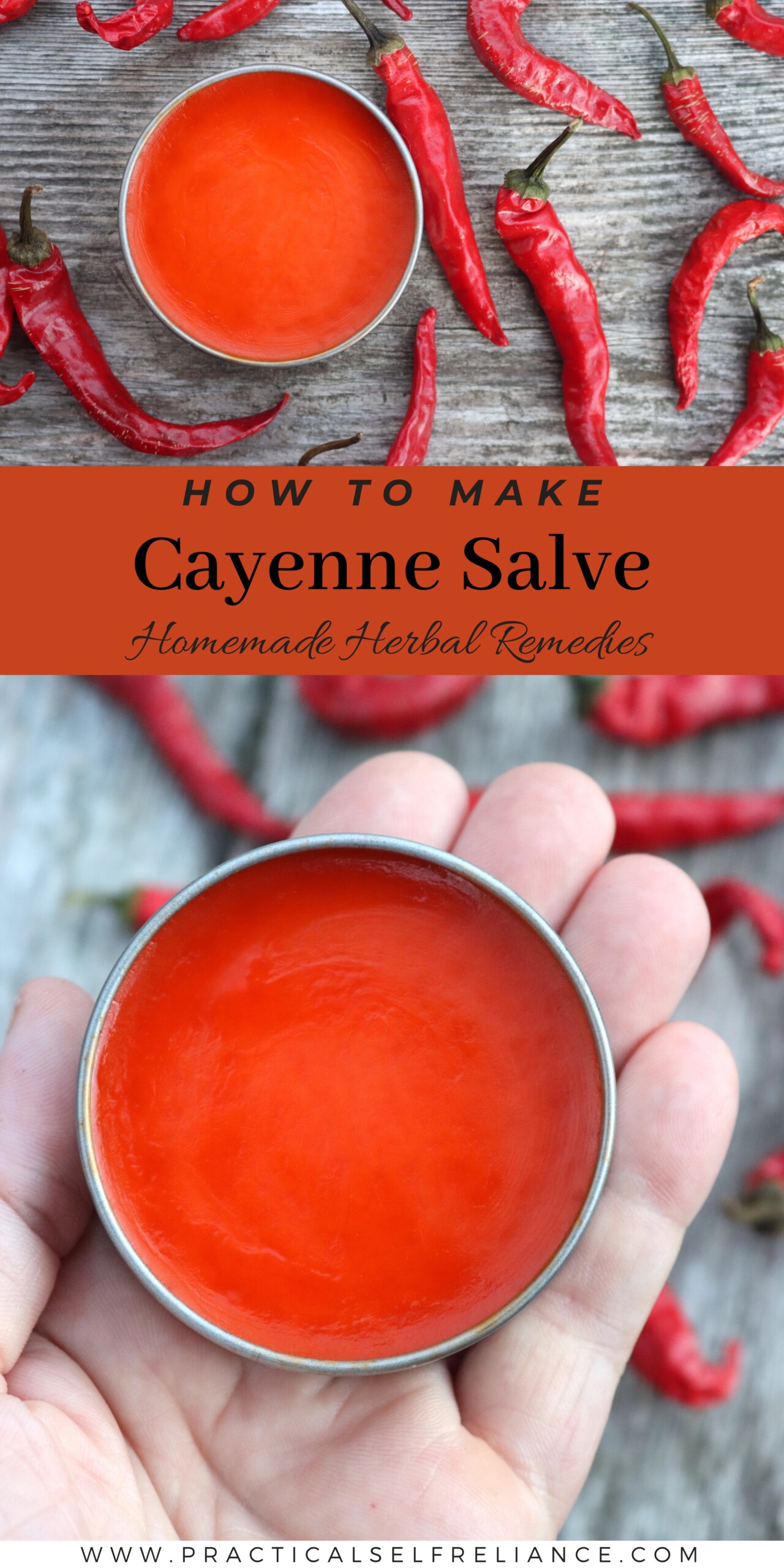
Cayenne salve warms sore muscles and stiff joints using capsaicin, the same compound that gives hot peppers their heat. It’s an infused oil thickened with beeswax, and it comes together with cayenne powder you very likely already have in the spice cabinet.
If you’ve never made a salve before, this is a reasonable place to start. Nothing here has to be ordered from an herbal supplier, and the method follows the same three steps as any other herbal healing salve.
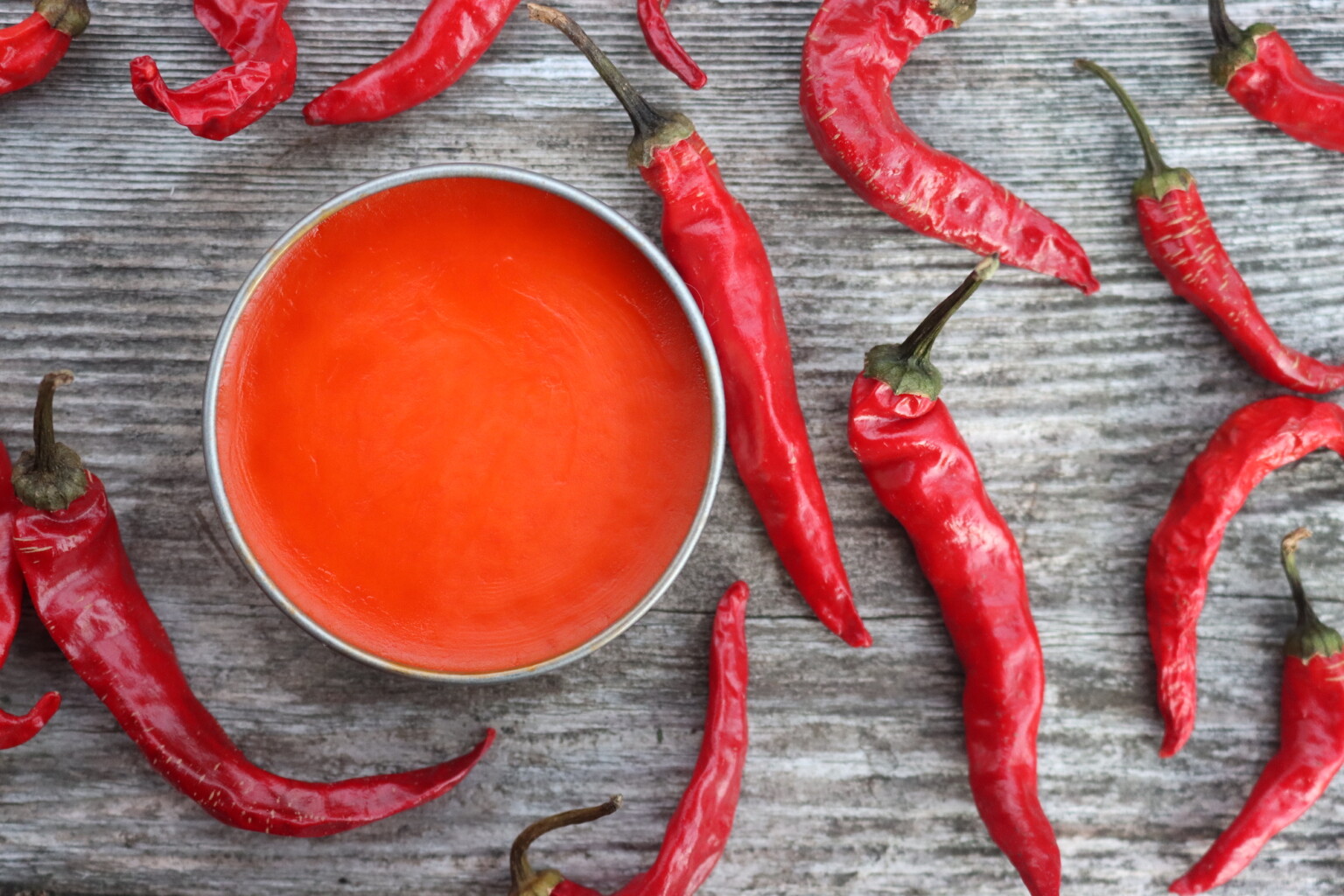
Table of Contents
- Notes from My Homestead
- What Cayenne Salve is Used For
- Ingredients for Cayenne Salve
- Equipment for Cayenne Salve
- How to Make Cayenne Salve
- Salve Consistency Notes
- Storage and Shelf Life
- Recipe Tips & Variations
- Ways to Use Cayenne
- Cayenne Salve FAQs
- Cayenne & Hot Pepper Recipes
- Cayenne Salve Recipe
- Herbal Salve Recipes
Cayenne (Capsicum annuum) contains high levels of capsaicin, which creates the heat or burning sensation you get from hot peppers. I grow cayenne peppers every year to turn into my own fermented hot sauce, which brings out more flavor complexity than a quick-cooked sauce does, and I dry the rest to use as a spice through the winter. But cayenne is more than just a spice.
It may seem counterintuitive, but medicinally, capsaicin acts as an analgesic or pain reliever. It may also have anti-inflammatory properties. Topically, it creates a warming sensation, similar to other muscle rubs, because capsaicin first stimulates and then quiets the nerve endings that carry pain signals. I use it on sore knees, feet, and shoulders after hiking or working in the garden.
If you want some cayenne salve but aren’t into DIY projects, you can purchase some. Cayenne salve isn’t commonly available at most stores, but small herbalists on Etsy often carry it. On the other hand, if you want to take this further, you can grow and dry your own cayenne peppers. One of the Vermont seed companies I order from, High Mowing Seeds, carries a couple of cayenne varieties, as does Seed Savers Exchange.
Notes from My Homestead

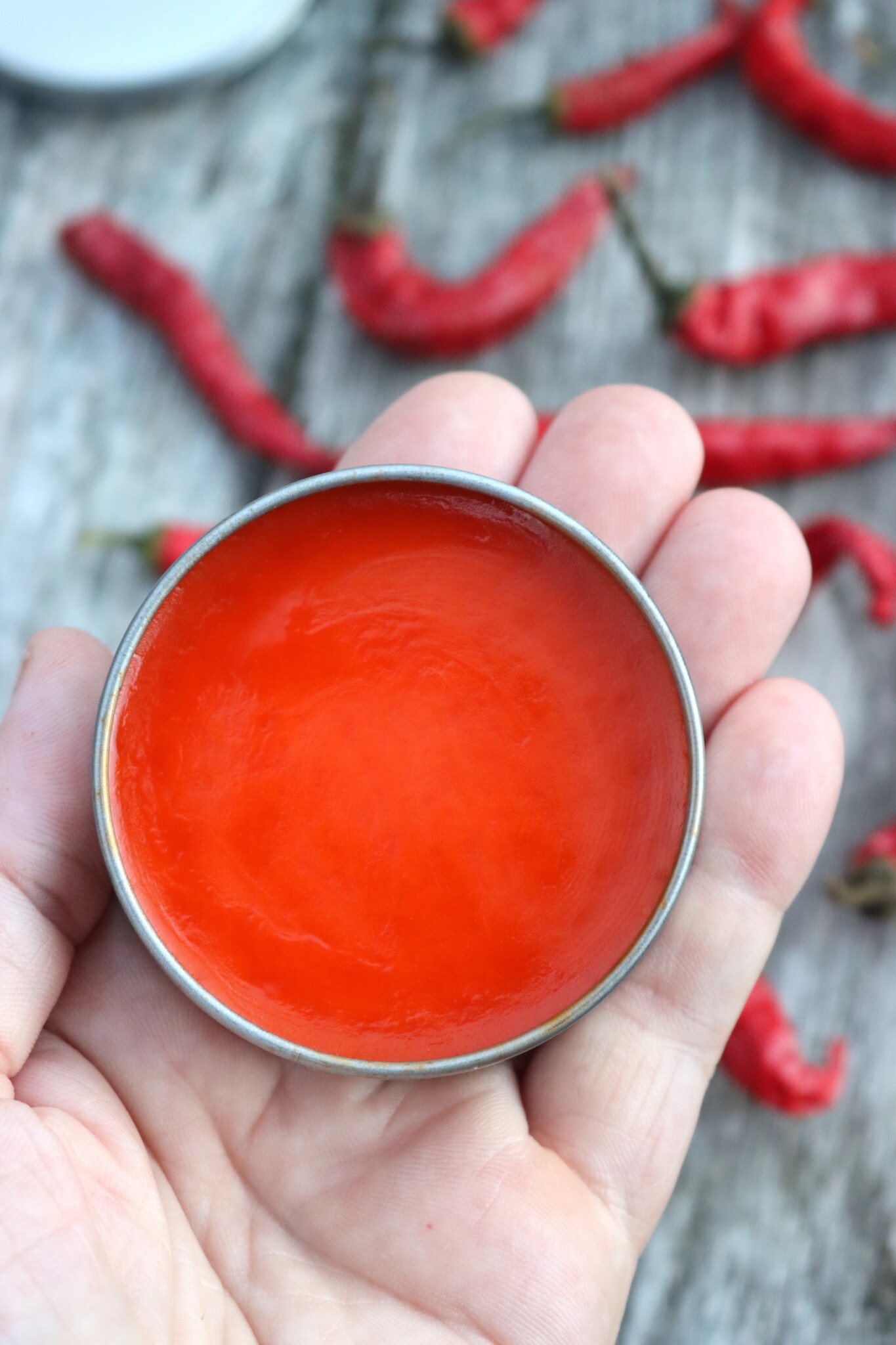
Most of the salves on my shelf require me to plan a whole season around them, waiting for the right week to catch a plant in bloom and then racing the clock to get it into oil before it wilts. Cayenne salve is the one I can make in February when the garden is under three feet of snow and my shoulders are complaining about the woodpile, because the ingredient I need is a jar of cayenne powder sitting in the spice cupboard between the cumin and the cinnamon.
That accessibility is really the whole appeal. It’s a lot simpler than the salves that ask you to source ingredients from an herbal supplier, and once the oil is infusing it takes care of itself for a month while I forget about it. I haven’t used it for the chronic conditions people often reach for capsaicin creams to treat, but for the everyday joint and muscle soreness that comes with all the hiking and gardening I get into each summer, a tin of this lives on the shelf by the back door.
I had an herbalist friend many years ago who would make this for me as I had trouble with my hands and numbness and tingling after sleeping. I haven’t been able to find it in years. Now I can make my own!
What Cayenne Salve is Used For
Native Americans have been cultivating and using cayenne peppers for food and medicine for at least 7,000 years. Cayenne has a number of impressive internal benefits, from improving circulation to relieving abdominal cramps. When we use cayenne externally, we primarily benefit from its analgesic and anti-inflammatory properties.
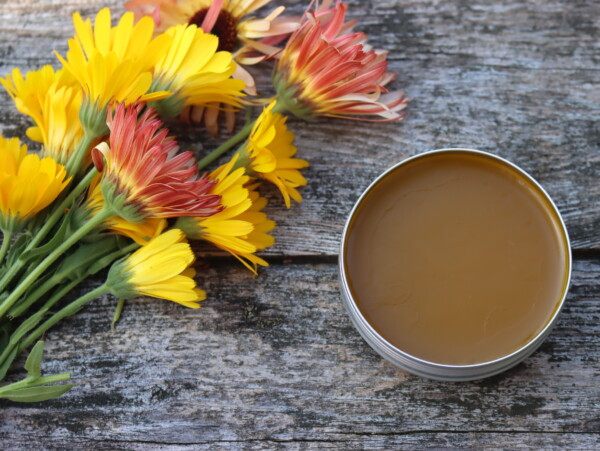
Like calendula salve and jewelweed salve, cayenne salve can help treat the pain and inflammation related to chronic skin conditions like psoriasis. However, it is even better at alleviating pain and swelling from internal conditions like rheumatoid arthritis, osteoarthritis, menstrual cramps, arthritis, and neuralgias, including diabetic neuropathy and shingles.
Modern studies have found that even 0.025% to 0.075% capsaicin in an ointment can provide short-term pain relief. One study also looked at an 8% concentration of capsaicin in patches. The study indicated that a single 60-minute application could provide patients relief from neuropathic pain for up to 12 weeks.
A crucial part of cayenne’s pain-relieving properties is capsaicin’s ability to block a neurotransmitter called Substance P. Capsaicin decreases the amount of Substance P found at peripheral nerve endings, and since Substance P plays a critical role in pain transmission, capsaicin effectively decreases the awareness of pain. That’s the same mechanism behind the drugstore capsaicin creams sold for arthritis, just at a homemade concentration.
I reach for it most for:
- Sore knees and feet after a long day of hiking
- Stiff shoulders from splitting and stacking firewood
- Aching hands and forearms after a heavy day of weeding or harvesting
- General cold-weather stiffness in old, cranky joints
It’s what I use instead of reaching for the ibuprofen bottle for ordinary aches at home. If you’re managing genuine chronic pain, a couple of other plants worth reading about are wild lettuce and willow bark, both of which work differently than capsaicin does.
A note on what this salve isn’t for: Don’t put cayenne salve on broken or irritated skin, deep cuts, punctures, burns, or infected skin, and keep it well away from your eyes, nose, and other mucous membranes. Wash your hands thoroughly after applying, or wear gloves. It isn’t appropriate for young children or pets, since the active compounds are strong and accidental eye contact is easy, so store it somewhere out of reach. Patch test a small area first if you’re at all sensitive to capsaicin.
Ingredients for Cayenne Salve
Three ingredients, and one of them is optional. Exact amounts are in the recipe card at the bottom of the post.
- Dried cayenne powder: Store-bought cayenne from the spice aisle works, and so does powder you’ve ground from your own dried peppers. What you want is the deep red, pungent stuff, not a jar that’s been open in a cabinet for five years and faded to brick orange. Potency fades with age, and a tired jar of cayenne makes a tired salve.
- Olive oil (or another neutral carrier oil): Olive is what I keep on hand for cooking, so it’s what I use. Coconut, grapeseed, sweet almond, and jojoba all work too. There’s more on choosing between them in my guide to making a herbal infused oil.
- Beeswax (pellets or grated from a block): Thickens the oil so it holds together as a salve instead of running off your hands. I don’t keep bees, so I order beeswax pellets because they’re easy to measure. Wax from your own hive or a large block grated on a box grater works just as well. If you’re avoiding beeswax, substitute the cayenne infused oil into my vegan herbal salve recipe, since everything else here is already vegan.
Equipment for Cayenne Salve
You don’t need much, and most of it is probably already in your kitchen.
- Double boiler, or a DIY version made from a small pot and a heat-proof jar, for melting in the beeswax
- Pint mason jar to hold the cayenne and oil while it infuses
- Fine mesh strainer plus a square of cheesecloth for straining out the powder
- Kitchen gloves, which matter more here than in any other salve recipe I make
- Small kitchen scale for weighing beeswax, or use pre-measured 1 oz beeswax bars instead
- 2 oz salve tins, or quarter pint mason jars, for the finished salve. Stick to glass or metal, since the salve is hot when it goes in.
How to Make Cayenne Salve
Cayenne salve takes about 30 minutes of hands-on work, and then several weeks of doing nothing at all while the oil infuses on a shelf. The process is three steps: prepare the cayenne, infuse it into oil, then strain and combine that oil with beeswax.
Preparing the Cayenne
If you bought cayenne powder at the store, you’re already done with this step. If you’re growing your own, wait until the peppers are fully ripe and red before you harvest them. You can string them up to dry, or slice them and run them through a dehydrator for faster results. My guide to drying herbs at home covers both approaches. Once they’re completely brittle and dry, blend or crush them into a powder.
Even if you like hot food, getting cayenne on sensitive spots like your eyes is genuinely miserable. Wear gloves and glasses while slicing fresh cayennes, keep the dehydrator somewhere well ventilated, and don’t touch anything with your peppery gloves.
Infusing the Oil
Most of my salves start with fresh plant material, which forces a warm, rapid infusion to keep the water in the plants from spoiling the oil. Cayenne is different. It dries so readily that I always work with dried powder, which means there’s no moisture to worry about and a slow cold infusion becomes the simplest option.
Add the cayenne powder to a clean pint mason jar, pour in your oil, and stir until there are no dry pockets left. Seal the jar, set it somewhere out of direct sunlight, and leave it alone. Depending on how warm the room is, it will take three to six weeks to infuse. Give it a shake whenever you walk past and remember.
If you don’t want to wait that long, a warm infusion gets you there in an afternoon. Set the jar in a pot of gently simmering water and hold the oil in the 110 to 140°F range for a few hours, stirring occasionally. Don’t let it climb much past 140°F, since scorched oil goes rancid faster and loses potency.
Straining and Combining with Beeswax
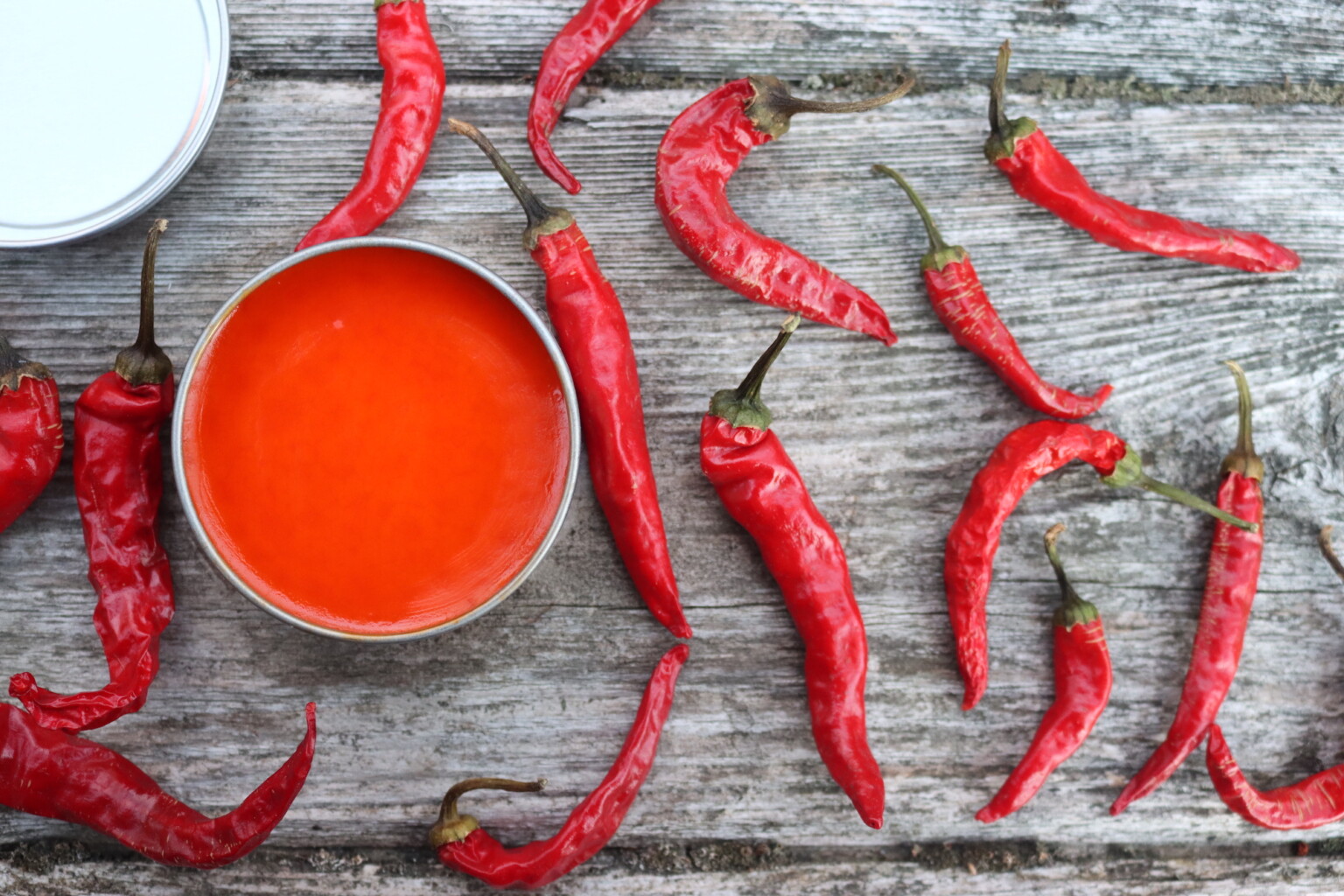
When the oil has taken on a deep orange-red color and smells distinctly of pepper, it’s ready. Put your gloves back on. Strain the oil through a cheesecloth-lined fine mesh strainer into a clean jar. Cayenne powder is fine enough that it filters slowly, so be patient, and at the end squeeze the cheesecloth with gloved hands to press out the last of the oil.
Set the strained oil up in a double boiler with about an inch of water underneath and bring the water to a simmer. Add the beeswax and stir constantly until it’s fully melted and the mixture looks smooth. If you’re working with pellets and don’t own a scale, one heaping tablespoon of beeswax pellets is roughly equivalent to one solid ounce.
Turn off the heat and pour the finished salve into your tins or jars. Let it stand undisturbed for at least 30 minutes to set up before you put lids on or use it.
Salve Consistency Notes
The ratio of beeswax to oil is what decides how firm your salve turns out. About 1 ounce of beeswax per cup of infused oil gives you a medium-firm salve. A little less than that gives a softer, more spreadable salve, which is handy for a rub that has to cover a whole shoulder or knee.
- To test before pouring: drop a spoonful onto a cold plate from the freezer. Let it set for 30 seconds, then check the texture.
- Too hard? Gently rewarm the salve and stir in a tablespoon more oil at a time until it’s where you want it.
- Too soft? Gently rewarm and add a bit more beeswax, about a teaspoon at a time.
- For a rub stick or lotion bar: increase the beeswax to about 1 1/4 oz per cup of oil.
Storage and Shelf Life
Cayenne salve is shelf-stable. Store it in a cool, dark, dry place, well out of reach of children and pets. A pantry shelf or medicine cabinet is fine. After about a year it may start to lose potency, so ideally you make a fresh batch each year, but older salve is still safe to use up. If it smells rancid, like old oil, or shows any mold, throw it out.
Olive oil has a long shelf life on its own, which helps. For a little more insurance, stir a few drops of vitamin E oil in with the beeswax. It acts as a natural antioxidant and slows the oil from going off.
Recipe Tips & Variations
- Milder batch: If the salve feels too warm on your skin, cut the cayenne powder roughly in half on the next batch. You can also gently rewarm a finished batch and stir in more plain oil to dilute it.
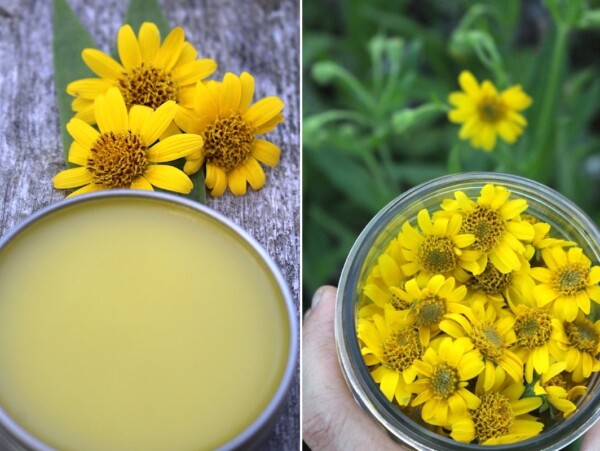
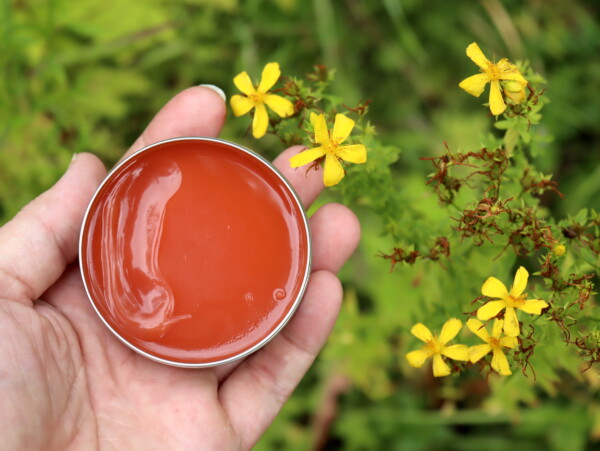
- Combination salves: Ginger and turmeric are common additions for extra warmth. For a pain rub that works on more than one front, try blending this with arnica salve for bruising, comfrey salve for deeper muscle soreness, or St. John’s wort salve for nerve pain. Infuse each herb separately, then combine the finished oils before adding beeswax.
- Alternative oils: Coconut oil sets firmer at room temperature and may need slightly less beeswax. Jojoba absorbs into skin fastest. Sweet almond and grapeseed both stay light and neutral.
- Adding essential oils: Stir in 10 to 15 drops per cup of finished salve just before pouring. Peppermint and wintergreen pair naturally with a warming rub.
- Label it clearly: Cayenne salve looks a lot like every other tin on the shelf, and confusing it with a lip balm is a mistake you only make once. Write it on the lid.
- More salves to try: There are dozens more in my roundup of herbal salve recipes.
Ways to Use Cayenne
Rub a small amount of the salve into the sore spot and massage it in until it disappears, then wash your hands thoroughly. A little goes a long way. You can apply it a few times a day as needed, and many people find it useful in the morning for stiffness or before bed to ease nighttime aches. If you notice any skin irritation, stop using it or make a milder batch with less cayenne next time.
Cayenne earns its garden space in plenty of other ways too. A big harvest goes into canning peppers for the pantry, or into pickled peppers if I want something with more bite. Freeze drying peppers holds onto more color and heat than dehydrating does, if you have the equipment. On the medicinal side, cayenne is a standard ingredient in fire cider, and if you’re curious about the other forms an herb can take, my overview of herbal preparations walks through more than twenty of them.
Cayenne Salve FAQs
It creates a warming or tingling sensation, and how strong that feels depends on how sensitive you are to capsaicin and how much cayenne went into the batch. Most people find it warm and soothing rather than painful. Test a small patch first before using it on a large area. Never apply it to broken or irritated skin, keep it away from your eyes, nose, and other mucous membranes, and wash your hands thoroughly afterward or wear gloves to apply it.
Dried is the better choice here. Fresh peppers carry water into the oil, which can cause the salve to spoil or go moldy, and that means you would need a warm rapid infusion rather than a slow cold one. Cayenne dries so readily that there is no real advantage to working with it fresh. If you grow your own, dry the peppers fully until they are brittle, then crush or blend them into powder before infusing.
About 1 ounce of beeswax per cup of infused oil gives a medium-firm salve that softens on contact with skin. Use a little less for a softer, more spreadable rub, or up to 1 1/4 ounces per cup for a firm stick. If the consistency comes out wrong, gently rewarm the salve and adjust before it sets. To check as you go, drop a spoonful onto a plate from the freezer and let it firm up for 30 seconds.
No. Cayenne salve is not recommended for young children or animals. The active compounds are strong, and accidental contact with eyes or mucous membranes is easy to cause and hard to undo. Store the finished tins somewhere safely out of reach.
Stored in a cool, dark, dry place in a clean container, cayenne salve keeps for about a year before it begins to lose potency. It stays safe to use beyond that, though it will be weaker. A carrier oil with a long shelf life, like olive oil, helps, and a few drops of vitamin E oil stirred in with the beeswax slows rancidity further. Discard any salve that smells like old oil or shows mold.
Cayenne & Hot Pepper Recipes
If you tried this Cayenne Salve recipe, or any other recipe on Practical Self Reliance, leave a ⭐ star rating and let me know what you think in the 📝 comments below!
And make sure you stay in touch with me by following on social media!
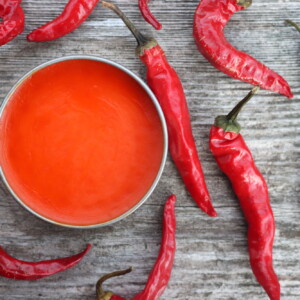
Cayenne Salve
Ingredients
Instructions
- Purchase dried cayenne powder, or dry and grind your own cayenne peppers. Add the powder to a clean pint mason jar.
- Pour olive oil, or the neutral oil of your choice, over the cayenne powder and stir until there are no dry pockets left.
- Seal the jar and set it somewhere out of direct sunlight to infuse slowly for three to six weeks. Shake it whenever you think of it. For a faster infusion, hold the jar in a pot of simmering water at 110 to 140°F for a few hours instead.
- Put on gloves. Strain the infused oil through a cheesecloth-lined fine mesh strainer into a clean jar, then squeeze the cheesecloth to press out the last of the oil.
- Return the strained oil to a double boiler with about an inch of water underneath and bring the water to a simmer.
- Add the beeswax and stir constantly until it has melted completely and the mixture looks smooth. Turn off the heat.
- Pour the finished salve into tins or small glass jars.
- Let the salve cool undisturbed for at least 30 minutes before putting lids on or using it.
Notes
A Note from Your Family Herbalist
I’m a family herbalist, trained by more than 20 years of hands-on work with medicinal plants and rounded out with coursework through the Herbal Academy of New England. That means I know my way around the plants in this post, and I’ve personally made and used the remedies I write about, often many times over. But there’s a real difference between knowing what works on my homestead and knowing what’s right for you.
Medicine is a personal affair. Every body is different, every medical history is different, and herbs interact with medications, pregnancy, nursing, and existing health conditions in ways no general blog post can anticipate. Even mild medicinal plants like chamomile cause allergic reactions in some people, so what sits comfortably on my own medicine shelf might not be the right choice for yours.
For guidance tailored to your situation, there are three directions I’d point you:
- See a local clinical herbalist. A practicing clinical herbalist can take your full health picture into account, recommend the right herb and dose for you, and adjust the protocol as you go. Ask around at your nearest food co-op, herb farm, or natural-foods store; most communities have at least one.
- Talk to your doctor before adding any new herb to your routine, especially if you take prescription medications, are pregnant or nursing, or are managing a chronic condition. A good doctor will welcome the conversation.
- Educate yourself, the way I have. The Herbal Academy of New England runs the courses I credit with sharpening my own practice. Their Introduction to Herbal Medicine course is where I’d start. I’ve also taken and recommend their Mushroom Course and their Botany and Wildcrafting Course. All three are well-paced and easy to follow at home.
Herbal Salve Recipes
Find the perfect recipe
Searching for something else? Enter keywords to find the perfect recipe!










Good recipe. Thank you. I Love capsaicin salve. I tweaked it a bit by adding habanero powder as well. I like it very hot. And while the heat is good and strong, it does help with the pain. I read some amazing studies about what it does with inflamed nerve endings, all good.
Glad to hear it’s working for you!
This is an easy one to make, and most people have cayenne powder in the pantry. It’s a lot simpler than most salves that require you to source ingredients from a herbal supplier.
Thank you so much for posting this! I had an herbalist friend many years ago who would make this for me as I had trouble with my hands and numbness and tingling after sleeping. I haven’t been able to find it in years. Now I can make my own! 🙂
love & blessings
~*~
Wonderful!