
Affiliate disclosure: This post may contain affiliate links. Please see our Privacy Policy.
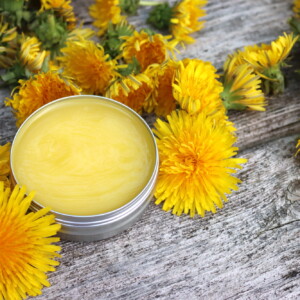
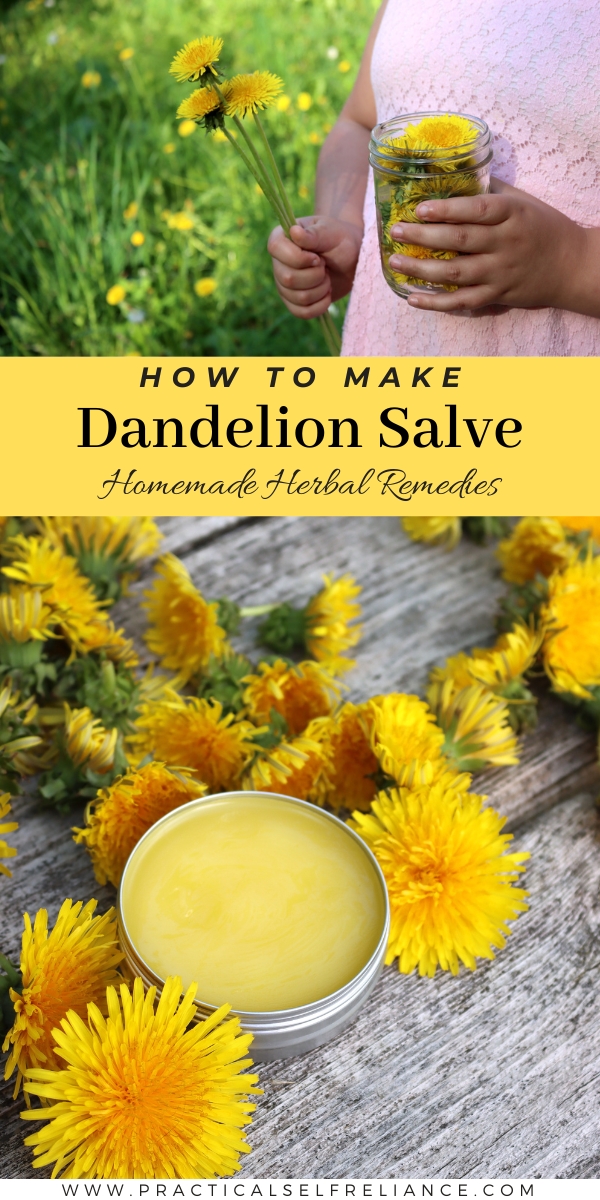
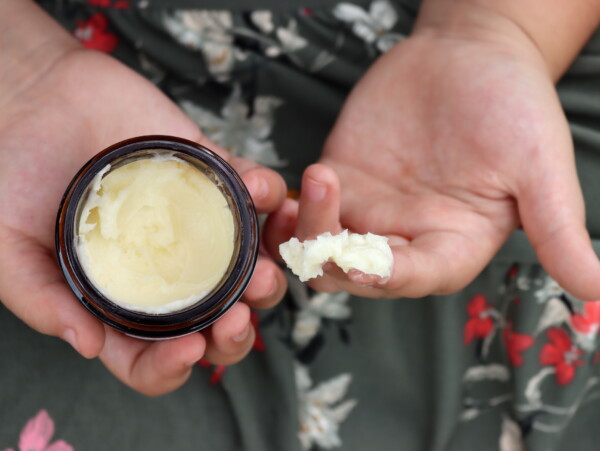
Dandelion salve turns a jar of yellow blossoms into a soothing balm for dry, weather-worn skin. It’s a simple olive oil infusion thickened with beeswax, and it’s the salve I keep within arm’s reach all winter for chapped hands and cracked knuckles.
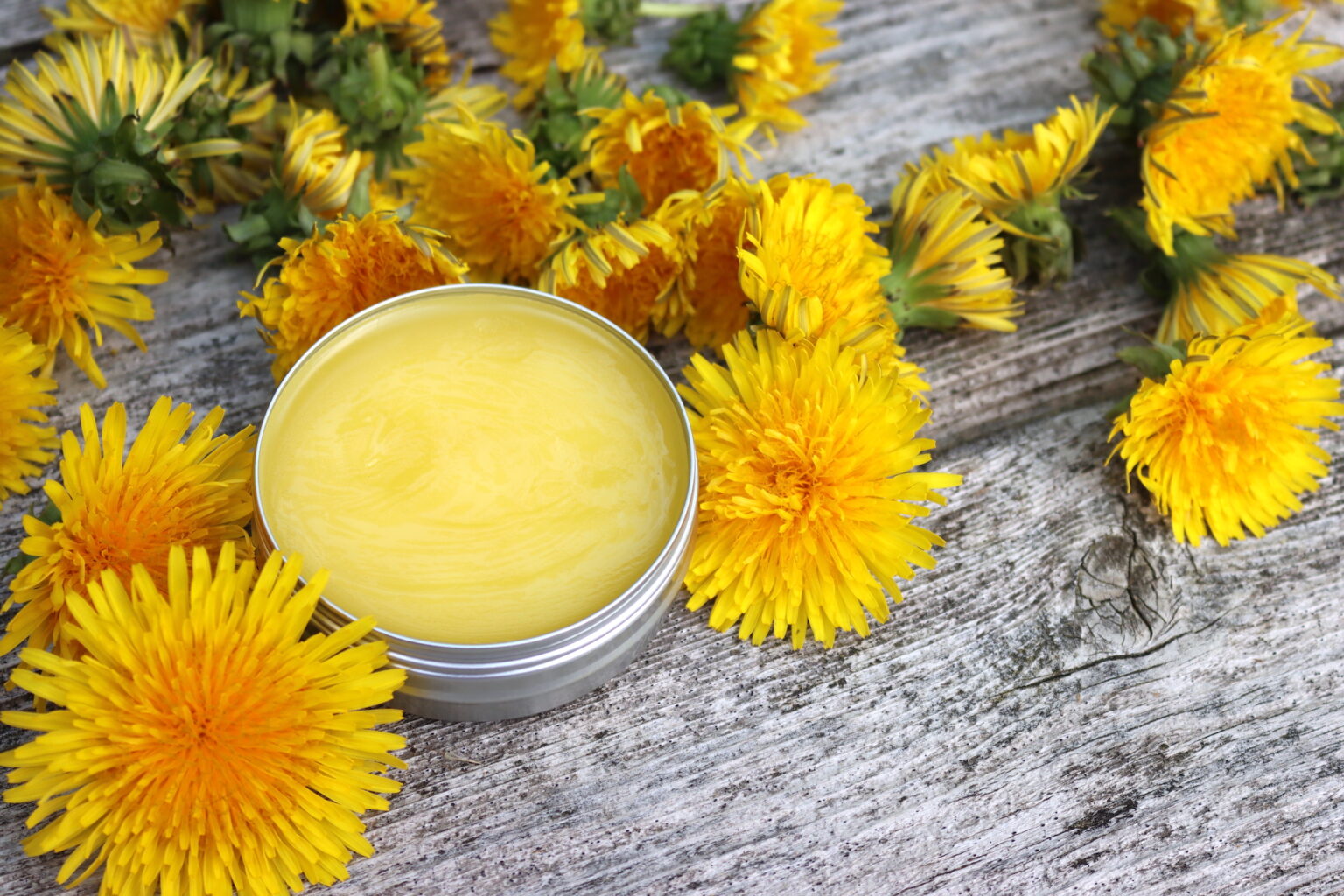
Table of Contents
- Notes from My Homestead
- What Dandelion Salve is Used For
- Ingredients for Dandelion Salve
- Equipment for Dandelion Salve
- How to Make Dandelion Salve
- Salve Consistency Notes
- Storage and Shelf Life
- Recipe Tips & Variations
- Ways to Use Dandelions
- Dandelion Salve FAQs
- Dandelion Recipes & Remedies
- Dandelion Salve Recipe
- Herbal Salve Recipes
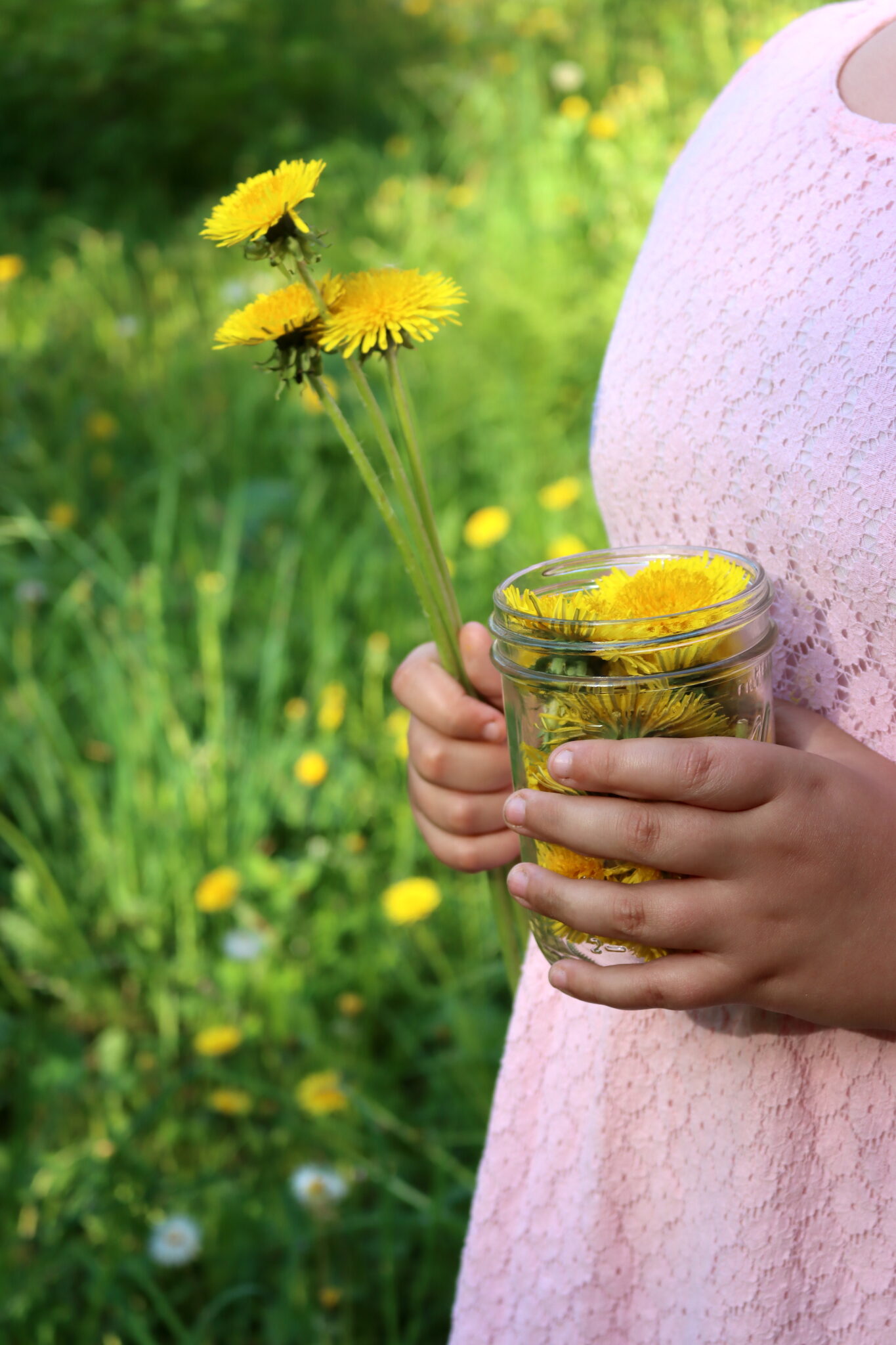
Every spring, dandelions show up like they own the place, and honestly, they kind of do. We joke that we’re basically dandelion farmers, because they take over our fields and gardens the minute the snow finally gives up. Around here, we harvest dandelion plants by the wheelbarrow full for dandelion tincture and all manner of dandelion recipes, because if you’re going to lose the war against them, you might as well put them to work.
Some years we’re making really ambitious things like dandelion wine or dandelion mead that takes months to come into its own. Other years I just want the simplest of the old-fashioned remedies, and dandelion salve is exactly that. A pint jar packed with blossoms, a bottle of olive oil, an ounce of beeswax, and a couple of days of patience. That’s the whole project.
Notes from My Homestead

Dandelion salve became my go-to balm the year I finally accepted that Vermont winters are going to do what Vermont winters do to my hands. I split wood, I haul water out to the chickens, I wash dishes in a drafty kitchen, and by February my knuckles look like a topographic map. The dandelion salve doesn’t make me invincible, but it makes the difference between sore, cracked hands and skin that mostly holds together until mud season.
What I love about it now is how nothing about it is fancy. The dandelions are free, the olive oil is whatever’s in the pantry, and a single batch fills four or five tins, which means I always have one on the windowsill, one by the bed, one in the barn coat, and a couple to pass to a friend. By the time the next spring’s blooms come around, the jar of last year’s salve is mostly gone and I’m ready to make more.
Wonderful & easy recipe. I made this summer 2025 after I harvested the dandelions from my yard and infused in olive oil. The salve was wonderful! I added a few drops of lavender essential oil and use it for dry skin, small wounds, irritations, to moisturize my cuticles and even on my face for moisturizer. Love this recipe!
What Dandelion Salve is Used For
Dandelions are medicinal, and they have a long history of use by Native American, European, and Asian herbalists. Many people consider dandelion a useful herb for skin care, protecting the skin, and easing conditions like eczema.
Research is limited, but there have been a few animal and test-tube studies that suggest herbalists and cosmetic companies are on to something. One study found that a dandelion extract increased the generation of new skin cells. Another study indicated that it can help reduce skin inflammation. These days, herbalists generally reach for dandelion salve for dry, chapped skin and sore muscles.
Dandelion salve is best thought of as a soothing, protective skin balm. The flowers are traditional in folk herbalism for calming irritated skin, and the oil infusion pairs nicely with beeswax, which forms a breathable barrier that helps slow moisture loss.
I reach for it most for:
- Dry skin and rough patches (hands, heels, knuckles, elbows)
- Post-garden muscles and skin that feel tight or overworked
- Windburn and general chapping
A note on what salve isn’t for: Don’t use this salve on deep cuts, punctures, serious burns, or infected skin. If you have ragweed allergies or very sensitive skin, patch test a small spot first.
Ingredients for Dandelion Salve
This is a three-ingredient salve. Each piece matters, but none of them are hard to source.
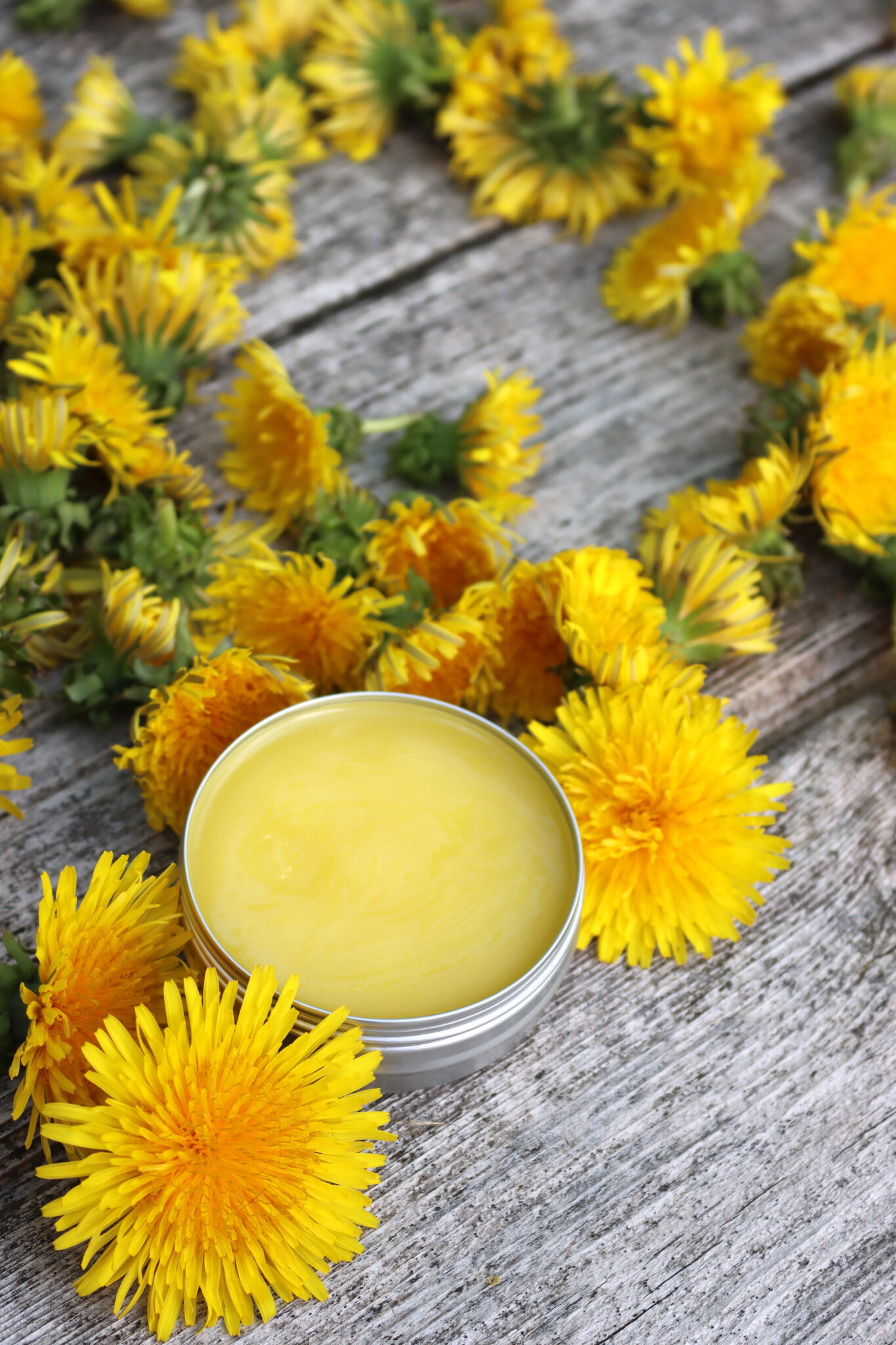
- Fresh dandelion flowers: Use just-opened blossoms picked on a dry, sunny day. Avoid older flowers that are starting to look ragged or going to seed. You’ll need enough to firmly pack a pint mason jar. The green sepals at the base of the flower can stay on for salve, even though they get peeled off for wine and jelly. They’re not bitter in an oil infusion, and they add to the medicinal value.
- Olive oil (or another neutral carrier): Olive is what I keep on hand for cooking and what I use for most of my salves. You can also use coconut, sweet almond, grapeseed, or jojoba. All of these are gentle on skin and don’t carry strong scents. See the herbal infused oil guide for more on choosing a carrier.
- Beeswax (pellets or grated from a block): Beeswax thickens the oil and gives the finished salve its solid texture. Pellets are easier to measure and melt, but a block of beeswax grated on a box grater works the same way. If you’d rather skip beeswax entirely, the vegan herbal salve recipe uses candelilla wax instead.
Equipment for Dandelion Salve
You don’t need much, and most of this is probably already in your kitchen.
- Pint mason jar to hold the flowers and oil during infusion
- A way to keep the jar warm at around 110 to 120°F for 24 to 48 hours (see the infusion section below for options like Instant Pot, dehydrator, or warm water bath)
- Fine mesh strainer plus a square of cheesecloth for straining the infused oil
- Small saucepan or double boiler for melting in the beeswax at the end
- Small kitchen scale for weighing beeswax (or use pre-measured 1 oz beeswax bars)
- 2 oz salve tins (or small upcycled glass jars or quarter-pint mason jars) for the finished salve
How to Make Dandelion Salve
Making dandelion salve takes about 30 minutes of hands-on time plus 24 to 48 hours of mostly hands-off infusion. There are three parts: prepare the flowers, infuse them into oil, then strain and combine with beeswax. For the foundational method behind any herbal salve, my guide to herbal healing salves covers it in more depth.
The technique I use here is the warm rapid infusion method. It’s the right choice for fresh plant material, because the warmth pulls the medicinal compounds into the oil quickly enough that the flowers don’t have time to spoil or go rancid. A traditional cold infusion takes three to six weeks, which works beautifully for dried herbs but is risky for fresh ones. If you want to use the cold method instead, dry the flowers first.
Harvesting and Preparing the Dandelions
Dandelions are edible and medicinal in every part, including roots, leaves, flowers, and seeds, but this salve recipe uses just the flowers. Pick fresh-looking blossoms that have just opened, and skip anything that’s wilted or past its prime. Use scissors or your fingers to pinch the flowers off right where the stem meets the bloom.
If you suspect any little bugs are hiding in the blossoms, lay them out on a clean towel for an hour or two so the bugs can crawl away on their own. I generally skip washing the flowers, because adding water to an oil infusion is asking for spoilage. If you really need to rinse them, pat them completely dry first.
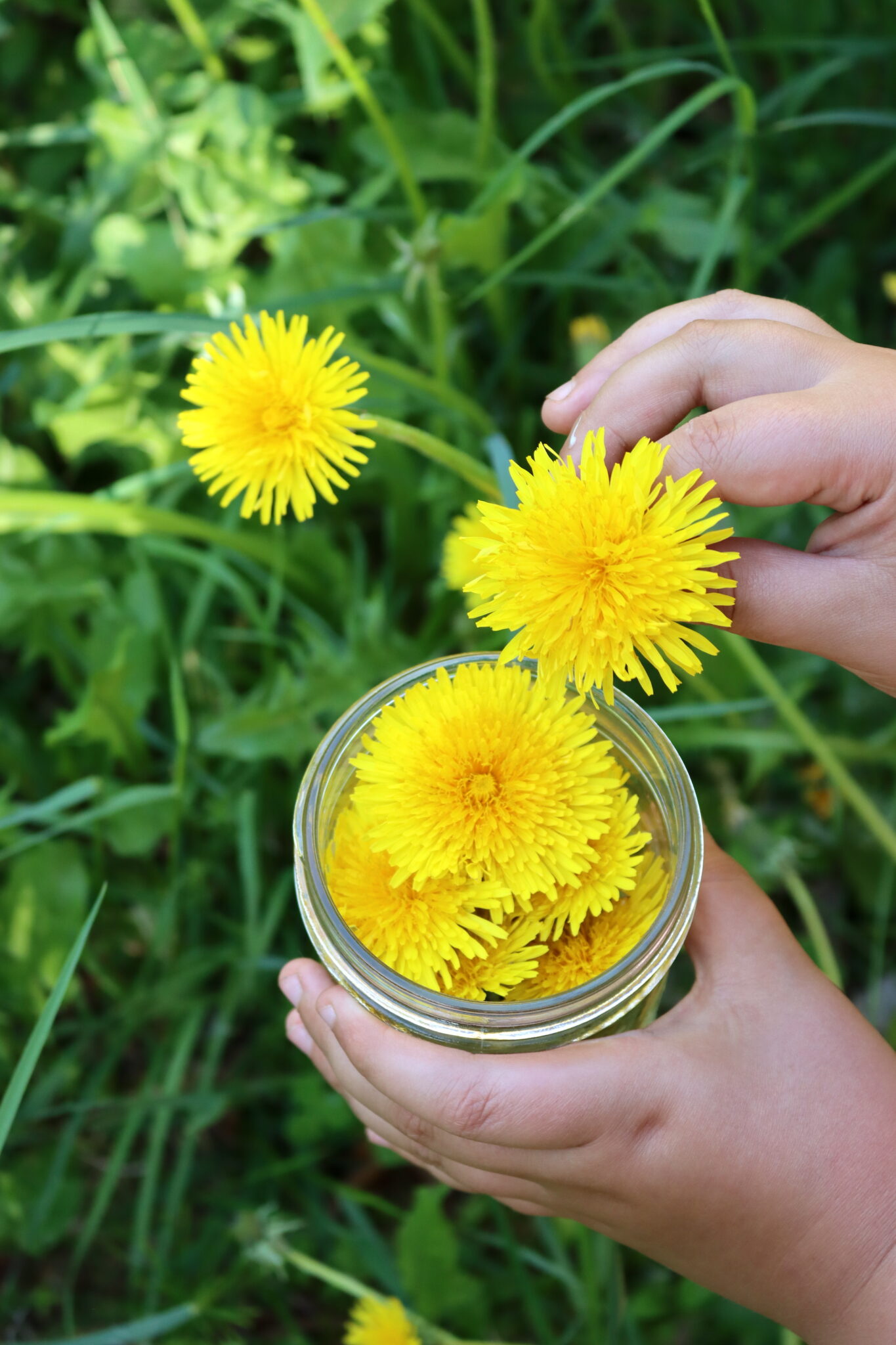
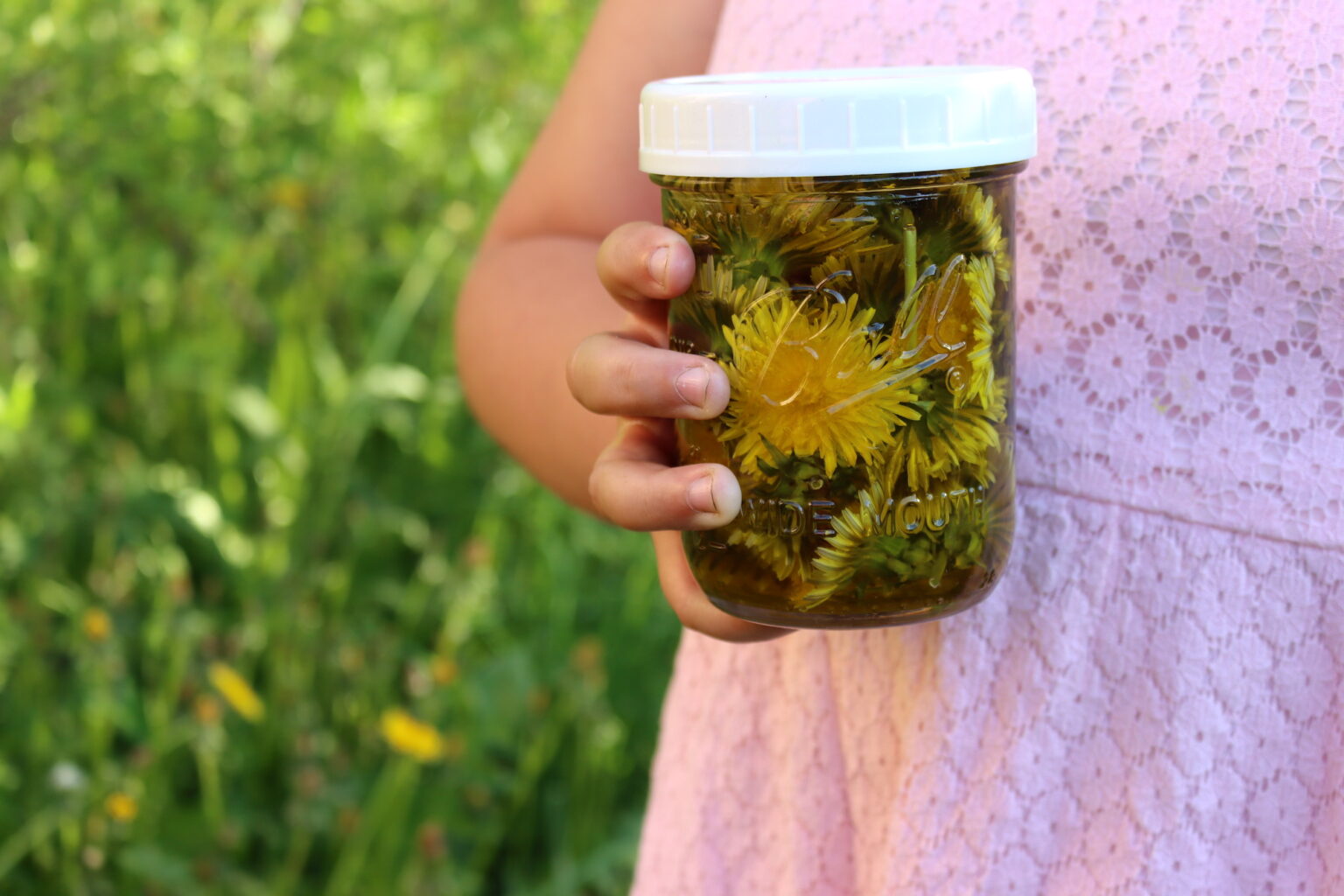
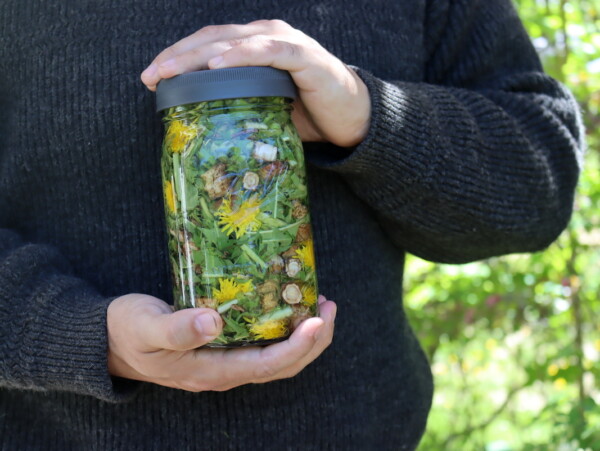
You want enough dandelions to fill a pint mason jar when packed firmly. The flowers can go in whole, or you can chop them up a bit with scissors or a knife. Chopping increases the surface area and helps the oil infuse faster, but it’s optional.
Pack the jar to within about an inch of the top, then cover the flowers with your oil of choice. Leave just a bit of headspace at the top of the jar.
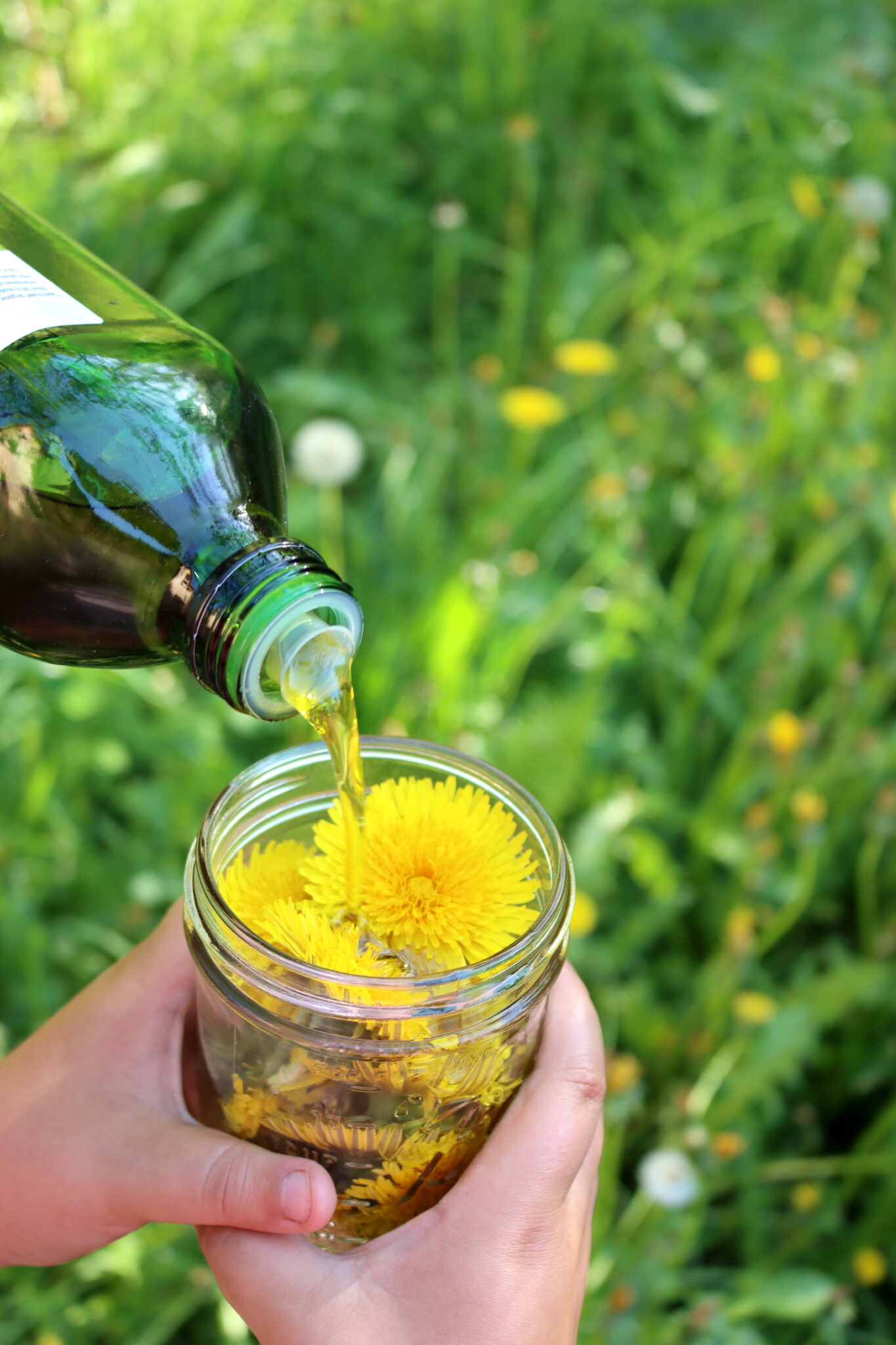
Infusing the Oil
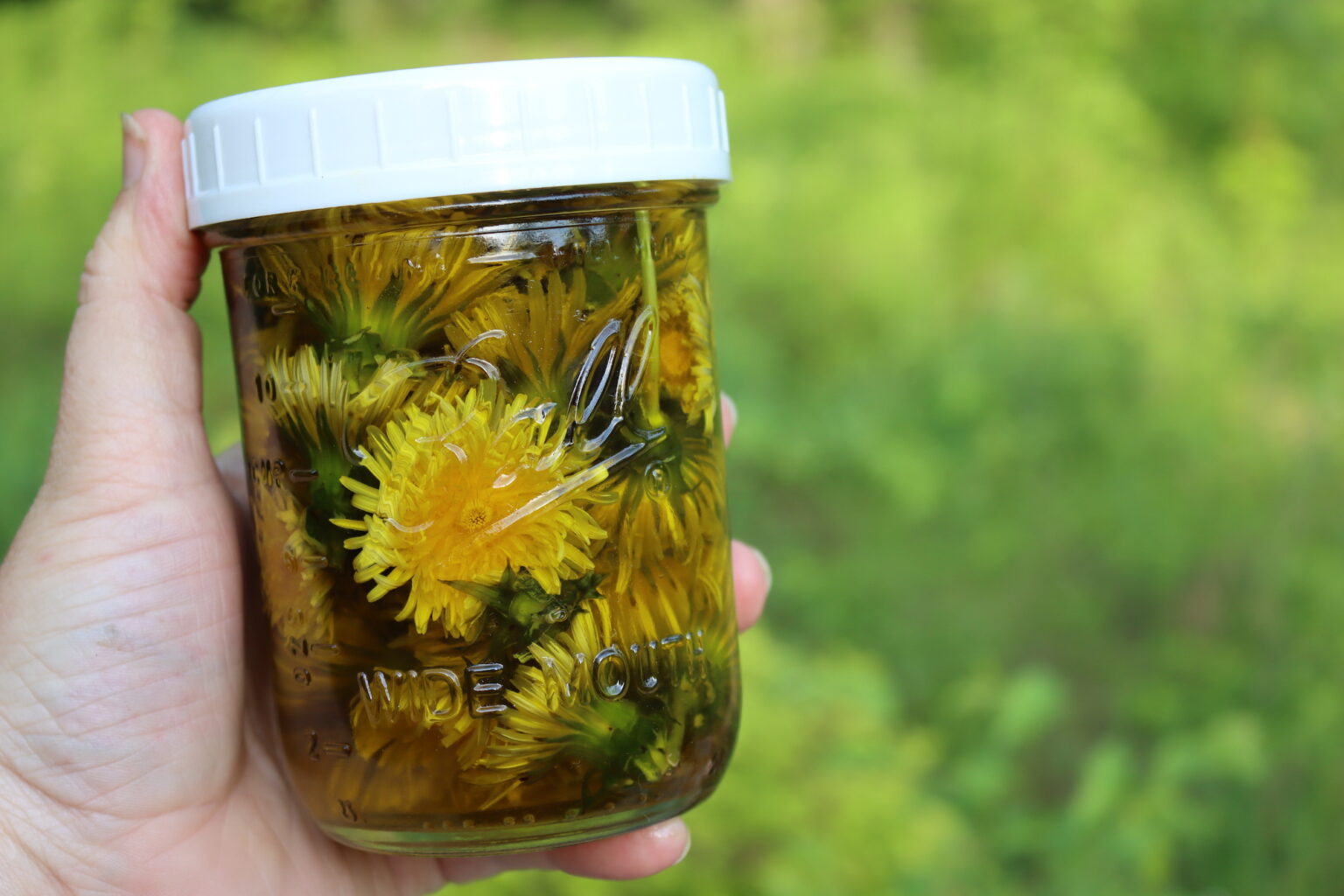
The oil needs to be kept warm at around 110 to 120°F for 24 to 48 hours, kind of like homemade yogurt. There are a few different ways to pull this off, and the right one depends on what you already have in the kitchen.
The simplest method is to set the jar in a bowl of warm (but not hot) water and check the water every few hours, refreshing it as it cools to keep things warm. An Instant Pot on “yogurt mode” works well and is mostly hands-off. A dehydrator set to 115°F is even easier, since it holds temperature automatically and gives you the steadiest warmth of any method I’ve tried.
A slow cooker on its own is too hot. Even the “keep warm” setting runs at least 170°F, which will cook the flowers and weaken the finished salve. You can use a slow cooker as an insulator by filling it with warm water around the jar, but you’ll need to refresh that water periodically to hold the temperature. It works, but it isn’t set-and-forget.
However you’re holding the heat, the goal is the same: keep the jar in that 110 to 120°F window for 24 to 48 hours so the oil slowly pulls the medicinal compounds out of the flowers without ever actually cooking them. If the temperature creeps above about 140°F, you’ll lose potency.
Straining and Combining with Beeswax
When the infusion is finished, strain out the dandelion flowers. Set a fine mesh strainer over a clean jar or measuring cup, line it with a square of cheesecloth, and pour the warm oil through.
Squeeze the cheesecloth gently to get the last of the oil out. Compost the spent flowers.
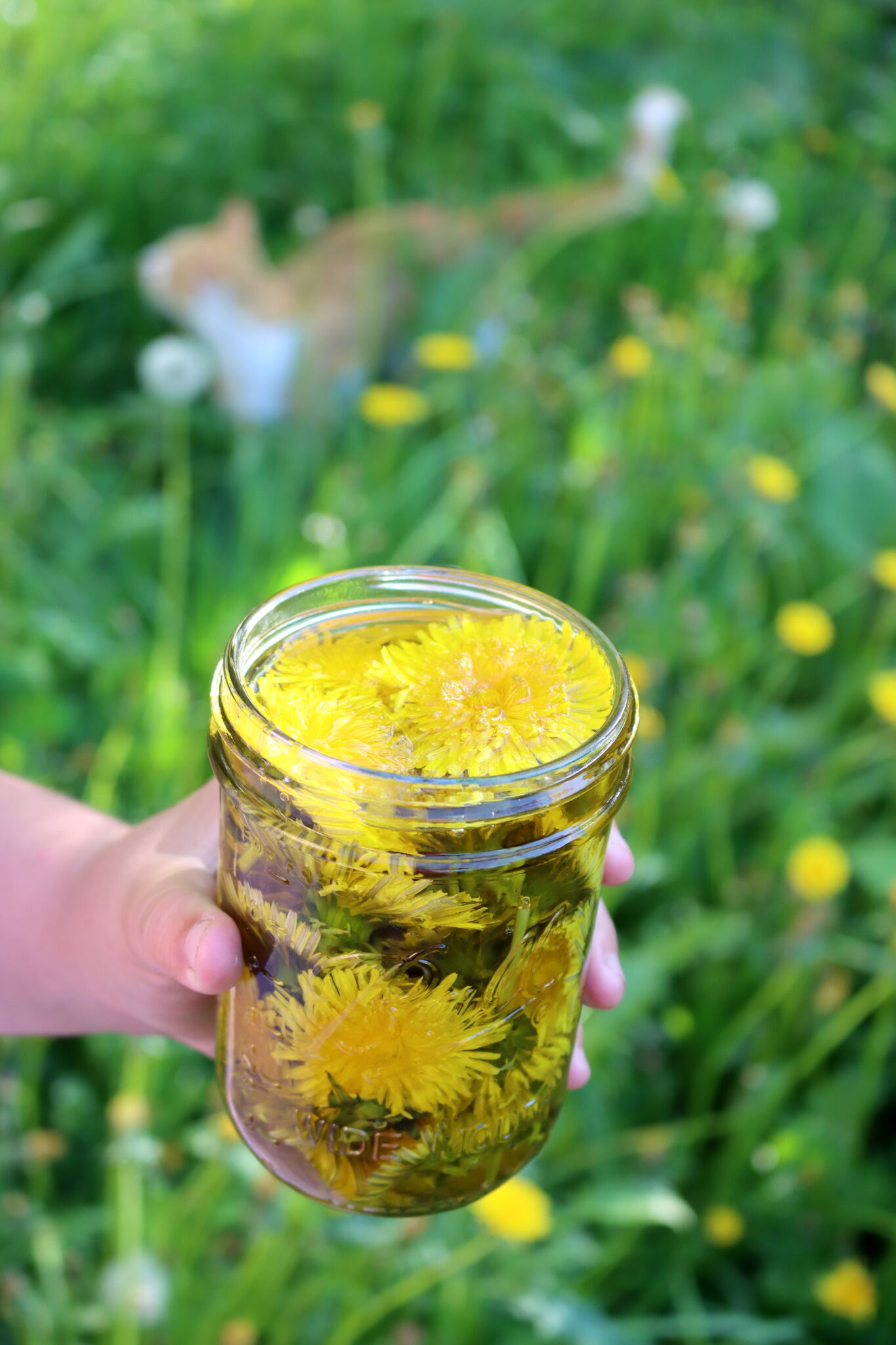
Return the strained oil to a small saucepan, the top of a double boiler, or a heat-proof mason jar set into a pot of simmering water. Add the beeswax and stir constantly over low heat until the wax has melted completely and the mixture looks smooth and uniform. If you don’t have a scale and you’re using pellets, one ounce of beeswax is roughly one heaping tablespoon.
Pour the finished salve into your tins or small jars. Let them sit undisturbed for at least 30 minutes to set up before putting lids on or using.
Salve Consistency Notes
The standard ratio is about 1 ounce of beeswax per cup of infused oil, which gives you a medium-firm salve that softens on contact with warm skin.
- To test before pouring: drop a spoonful onto a cold plate from the freezer. Let it set for 30 seconds, then check the texture.
- Too hard? Gently rewarm the salve and stir in a tablespoon of oil at a time until it’s the consistency you want.
- Too soft? Gently rewarm and stir in a pinch of beeswax at a time.
- For a stick or lotion bar: increase the beeswax to about 1 1/4 oz per cup of oil.
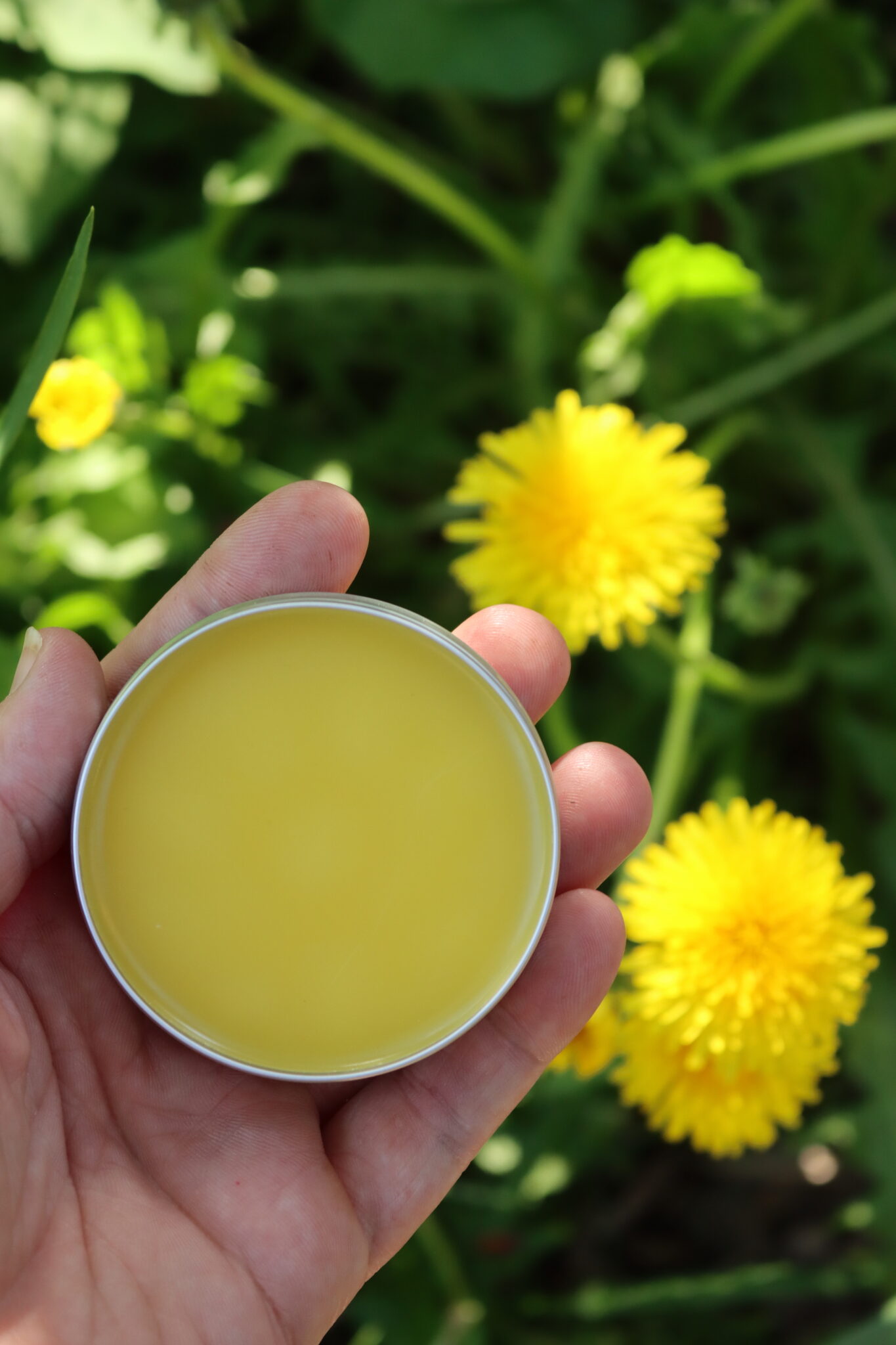
Storage and Shelf Life
Store finished dandelion salve in a cool, dark, dry place. A pantry shelf, a medicine cabinet, or a bedside drawer all work well. It keeps its potency for about a year, and stays safe to use longer than that, though you may notice it starts to feel less effective. I aim to make only what my family can use in a year and make a fresh batch every spring.
If the salve ever smells rancid or shows any sign of mold, toss it. For longer shelf life, you can add a few drops of vitamin E oil when you stir in the beeswax. It acts as a natural antioxidant. If you make more salve than you can use, the small tins make excellent gifts.
Recipe Tips & Variations
- Alternative oils. Olive oil is what I use most often, but coconut, sweet almond, jojoba, and grapeseed all work. Coconut produces a slightly firmer salve at room temperature; jojoba absorbs the fastest into skin.
- Vegan version. Substitute candelilla wax for beeswax. See the vegan herbal salve recipe for ratios.
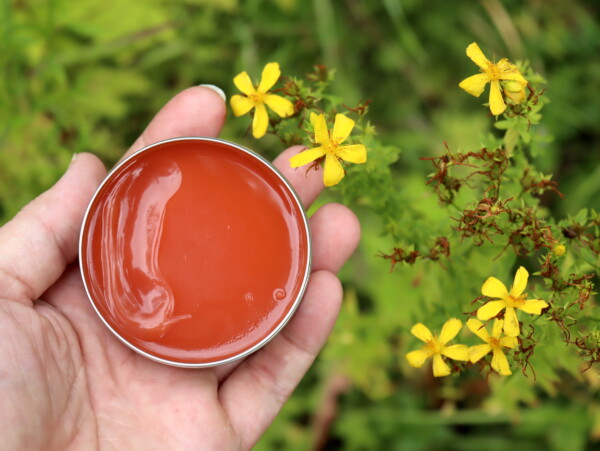
- Combination salves. Dandelion plays well with other gentle skin herbs. Half dandelion plus half comfrey or calendula makes a lovely all-purpose balm.
- Adding essential oils. Stir in 10 to 15 drops of lavender, frankincense, or another skin-friendly essential oil per cup of finished salve, just before pouring into tins. Several readers have mentioned that a touch of lavender turns this into a wonderful face moisturizer.
- Dried flowers for a cold infusion. If you’d rather skip the warm method entirely, dry your dandelion flowers first and use the traditional cold infusion: pack the dried flowers in a jar, cover with oil, cap, and let sit on a sunny windowsill for three to six weeks before straining.
Ways to Use Dandelions
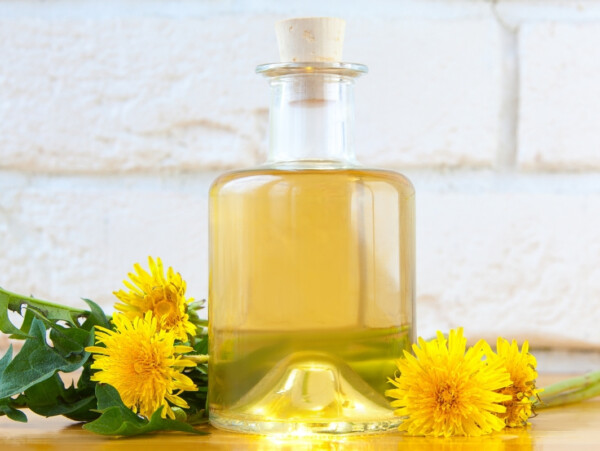
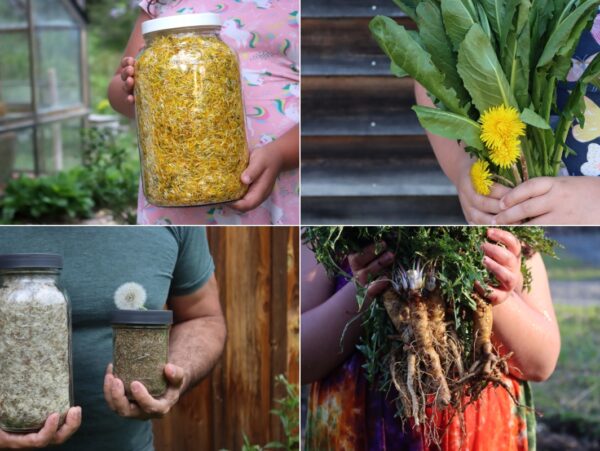
Once you’ve made one dandelion preparation, the rest tend to follow. The same pint jar of blossoms that makes a salve can also become dandelion-infused oil for cooking and skin care, or dandelion jelly that tastes like spring honey on toast. If you’d rather work with the roots, there’s a whole world of medicinal dandelion uses to explore, and the roots make a wonderful tincture.
For longer projects, I keep coming back to dandelion wine and dandelion mead, both of which capture a few jars of spring sunshine for the dark months. And for everything else, the full 60+ dandelion recipes roundup covers the dandelion plant from blossom to root.
Dandelion Salve FAQs
A slow cooker on its own runs too hot for fresh-herb salve. Even the “keep warm” setting is at least 170°F, which will cook the flowers and leave you with a weaker salve. You can use a slow cooker as an insulator by filling it with warm water around the jar, but you’ll need to refresh that water periodically to hold the temperature, so it isn’t set-and-forget. For a truly hands-off method, an Instant Pot on yogurt mode or a dehydrator set to 115°F both hold the right temperature automatically.
No. For dandelion wine and jelly the green sepals are peeled off because they make the finished product taste bitter and tannic. In a salve, that bitterness doesn’t matter because you’re not drinking it. The green sepals actually add to the medicinal value, so leave them on. It saves a lot of fiddly prep work.
This recipe uses 1 ounce of beeswax per cup of infused oil, which gives a medium-firm salve that softens on contact with skin. Use a bit less (about 3/4 oz per cup) for a softer balm, or a bit more (1 1/4 oz per cup) for a harder, stick-style salve. If the consistency comes out wrong, you can always gently rewarm the salve and adjust the ratio.
Yes. Coconut oil, sweet almond oil, jojoba, and grapeseed all work as carrier oils for dandelion salve. Olive is just what I keep on hand for cooking. Coconut produces a slightly firmer salve at room temperature; jojoba absorbs into skin the fastest. Avoid any oil with a strong scent that could compete with the dandelion.
Stored in a cool, dark, dry place, dandelion salve keeps its potency for about a year. It stays safe to use longer than that, though it may lose some strength over time. A few drops of vitamin E oil stirred in with the beeswax can extend the shelf life. Discard any salve that smells rancid or shows mold.
Dandelion Recipes & Remedies
If you tried this Dandelion Salve recipe, or any other recipe on Practical Self Reliance, leave a ⭐ star rating and let me know what you think in the 📝 comments below!
And make sure you stay in touch with me by following on social media!
Dandelion Salve
Ingredients
Instructions
- Pack a pint mason jar firmly with fresh dandelion flowers, leaving about an inch of headspace at the top.
- Pour olive oil over the flowers until they’re covered, still leaving a small gap at the top of the jar.
- Keep the jar warm at 110 to 120°F for 24 to 48 hours. A dehydrator set to 115°F or an Instant Pot on yogurt mode is the most hands-off. A warm water bath in a bowl works if you refresh the water every few hours. Avoid a slow cooker as a direct heat source — even “keep warm” runs around 170°F and will cook the flowers.
- Strain the warm oil through a cheesecloth-lined fine mesh strainer into a clean heat-proof container. Squeeze the cheesecloth gently to release the last of the oil, then compost the spent flowers.
- Return the strained oil to a small saucepan or the top of a double boiler. Add the beeswax.
- Warm gently over low heat, stirring constantly, until the beeswax has melted completely and the mixture looks smooth.
- Pour the finished salve into 2 oz tins or small glass jars.
- Let the salve cool undisturbed for at least 30 minutes before putting lids on or using.
Notes
A Note from Your Family Herbalist
I’m a family herbalist, trained by more than 20 years of hands-on work with medicinal plants and rounded out with coursework through the Herbal Academy of New England. That means I know my way around the plants in this post, and I’ve personally made and used the remedies I write about, often many times over. But there’s a real difference between knowing what works on my homestead and knowing what’s right for you.
Medicine is a personal affair. Every body is different, every medical history is different, and herbs interact with medications, pregnancy, nursing, and existing health conditions in ways no general blog post can anticipate. Even mild medicinal plants like chamomile cause allergic reactions in some people, so what sits comfortably on my own medicine shelf might not be the right choice for yours.
For guidance tailored to your situation, there are three directions I’d point you:
- See a local clinical herbalist. A practicing clinical herbalist can take your full health picture into account, recommend the right herb and dose for you, and adjust the protocol as you go. Ask around at your nearest food co-op, herb farm, or natural-foods store; most communities have at least one.
- Talk to your doctor before adding any new herb to your routine, especially if you take prescription medications, are pregnant or nursing, or are managing a chronic condition. A good doctor will welcome the conversation.
- Educate yourself, the way I have. The Herbal Academy of New England runs the courses I credit with sharpening my own practice. Their Introduction to Herbal Medicine course is where I’d start. I’ve also taken and recommend their Mushroom Course and their Botany and Wildcrafting Course. All three are well-paced and easy to follow at home.
Herbal Salve Recipes
Find the perfect recipe
Searching for something else? Enter keywords to find the perfect recipe!

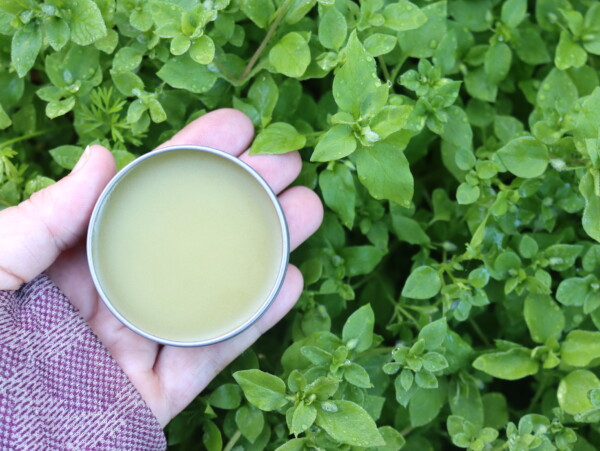








I have made the plantain salve from your site. The first time it came out perfectly. The next time, it went rancid. The third time I made a batch, I set the leaves on a kitchen towel and let them dry out a little (24-48 hours) and it was better, but still some were a little “off”. I love that salve because it really heals all wounds or skin issues. I’m wondering which you prefer for that kind of thing–dandelion or plantain, or are they comparable?
So glad you love the plantain salve! Water from fresh leaves is usually what makes a batch go off. Fresh leaves need the warm infusion (jar uncapped, 110 to 120°F for 24 to 48 hours) so the oil is done before anything can spoil, and your dehydrator idea works perfectly for that. For a slow room temperature infusion, the leaves need to be fully dry, not just wilted. True rancidity smells like old cooking oil, and either way, if a batch smells off, toss it. As for which one, I use them for different things: plantain for bug bites, stings and scrapes, and dandelion for dry, chapped skin and sore muscles after a day in the garden. Enjoy!
Made another batch this year, and it’s so lovely. One of the easiest salves to make anywhere!
I don’t have the patience to oversee the temperature for the dandelion salve for 48 hours. I have no idea if this will work but I put the dandelion and olive oil in a ziplock bag and put it in my dryer that I use for fruits and herbs. Fingers crossed 🤞🏻
That’s a great way to do it! Dehydrators are great incubators for salves.
Do you wash the dandelions first, or dri them out? I seem to have lots of tiny buys drawing on mine.
You can, but I generally don’t. I pour the flowers out on a plate and stir them around for a while and most things vacate pretty quickly if nessisary.
Can you just cook it in crockpot, leave on low for 24 hours?
A crockpot on “keep warm” is 170 F for food safety. Low is a bit hotter than that. That’s all A LOT hotter than salve making, and would cook the petals.
Wonderful & easy recipe. I did made this summer 2025 after I harvested the dandelions from my yard and infused in olive oil. The salve was wonderful! I added a few drops of lavendar essential oil and use it for dry skin, small wounds, irritations, to moisturize my cuticles and even on my face for moisturizer. Love this recipe! I will also make half dandelion & half comfrey salve which is excellent too.
Excellent! I’m so happy to hear it.
Such a great beginner salve to make with backyard dandelions!
Sorry, one more question: With your dandelion wine recipe, it says to peel away the green stem part away that holds all of the yellow and white flower parts. In this recipe, you say to clip it where the flower joins the stem, but I’m not sure where that would be. Is the green part medicinal, or should I peel it all away like I do when making wine? This would be easier as there are not nearly the amount of flowers required! From the pictures, it looks like the green is somewhat left on. Any advice is appreciated!
The green part is both edible and medicinal, but it’s bitter. In wine, it makes the wine taste bitter and tannic. In a salve though, it’s completely fine, as you’re not drinking it by the glass. The green sepals actually add to the salve. It is much easier to make this one since you don’t have to go through all that time consuming effort to peel away the green parts.
Thank you so much for your excellent explanation. I am loving the recipe more and more! I’m glad that you thought that the dehydrator idea was a good one. I have some salve going in the mini crockpot, but next time maybe I’ll use the dehydrator! All the best, Barb
Reading this, I was wondering if a dehydrator would work. I use mine to make yogurt all of the time. I can set the time and temperature and walk away. Would there be a reason not to use it? I am eager to try the dandelion salve.
That sounds like an excellent idea! I have made yogurt in mine, but for some reason I never thought of infusing a salve in it! Why didn’t I think of that?!?!?! Thanks so much!
Hi
I’m wondering how much beeswax is used in this recipe. I want to give this a go, but don’t want the salve turning out rock solid. Thanks
This one uses 1 ounce of beeswax. You can use a bit less if you’d like to absolutely make sure that it’s very spreadable, but I’ve found 1 ounce buy weight is just about perfect. If it is too hard, you can gently warm it again, dump it back out of the tins and add a bit more oil to remake.
Hi
How do you keep the temperature while sleeping? Don’t know how to do it for 24-48 hours 😕, and how will you know it’s already done?
Thank you
It doesn’t have to be exact. Overnight, I treat it like I do when I’m making yogurt, where you just want to keep it as warm as you can without cooking it. So I’ll get it warm one last time before bed, then remove from the heat and wrap it in a towel to maintain as much warmth as I can. The next morning, take off the towel and warm it again. There’s no knowing when it’s done, as you could keep it warm and infusing for longer if you like, up to maybe 3-4 days. After that, the flowers may start to spoil, so just infuse as best you can in the time you have, then strain.