Affiliate disclosure: This post may contain affiliate links. Please see our Privacy Policy.
Crabapple recipes take a fruit that’s too sour to eat raw and turn it into jelly that sets without pectin, pickles that go straight onto a cheese board, and cider with a real kick to it.
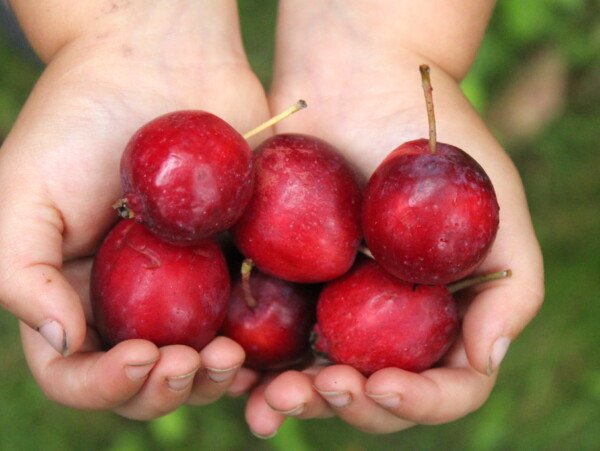
Our Dolgo tree gave us a bumper crop this year, so I cooked my way through plenty of them and found even more to share with you.
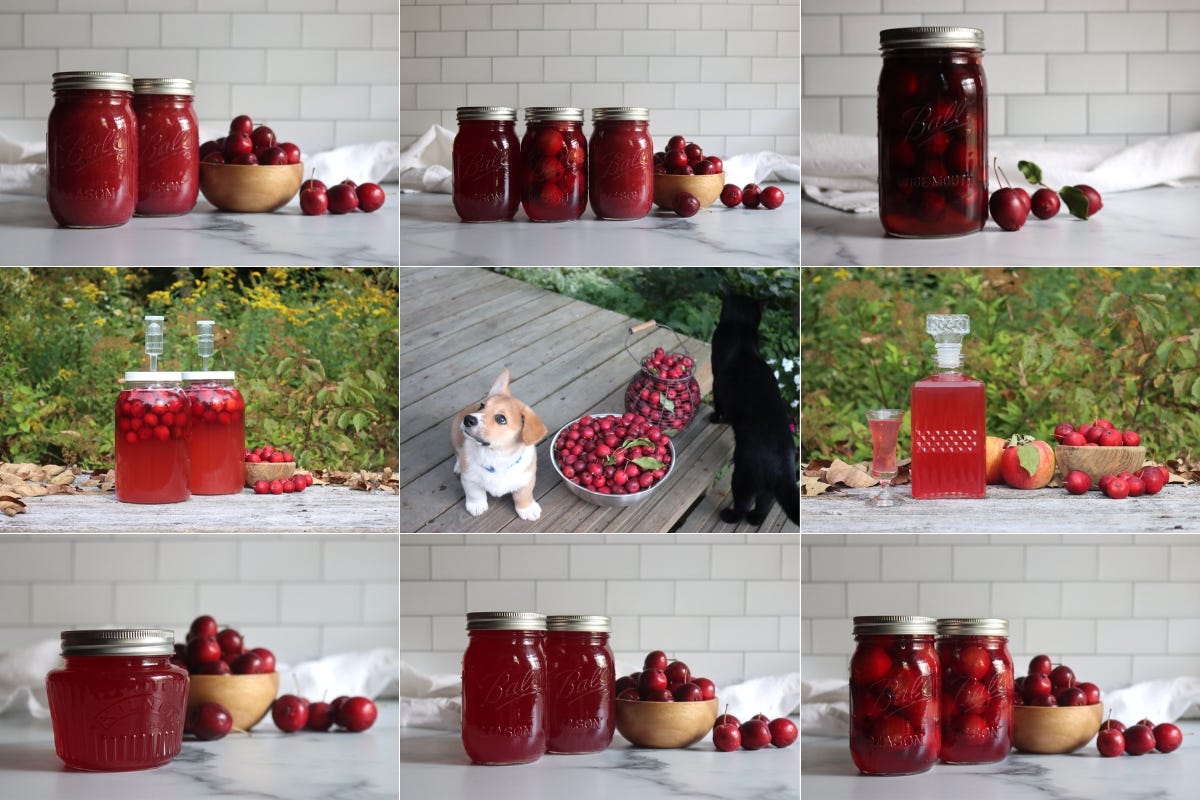
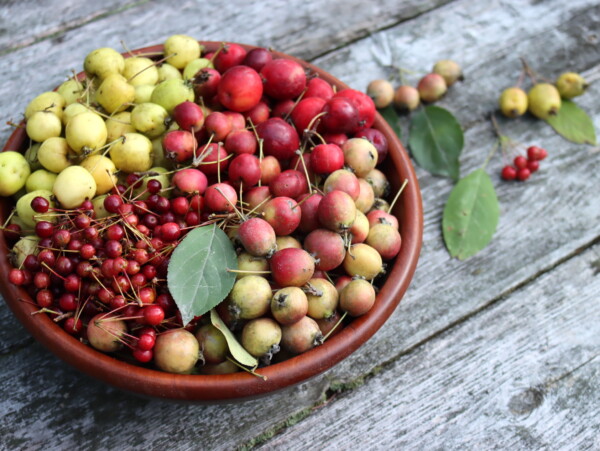
Crabapples are everywhere in Vermont once you start looking. Old dooryard trees planted as pollinators, feral seedlings along stone walls, ornamentals in town that nobody has ever picked, and honest wild trees deep in the woods where a farm used to be. Almost none of that fruit gets eaten, which is a shame, because crabapples are loaded with pectin and acid and they make preserves that behave better than anything you’ll get from a supermarket apple.
The catch is that most crabapples are too tart and too astringent to eat out of hand, so almost every crabapple recipe involves cooking, sweetening, or fermenting them into something else.
Cook them down, and you get sauce and butter. Strain the juice, and you get jelly that sets without a box of pectin. Ferment it, and you get cider, wine, and vinegar. Pickle the little ones whole, and you get the spiced crabapples your grandmother probably served alongside a roast.
If you’re not sure what you have, start with my guide to foraging wild apples and crabapples, which covers identification, the four native North American species, and how to tell a true crabapple from a feral seedling apple. Once you know what’s on your tree, this list will tell you what to do with it.
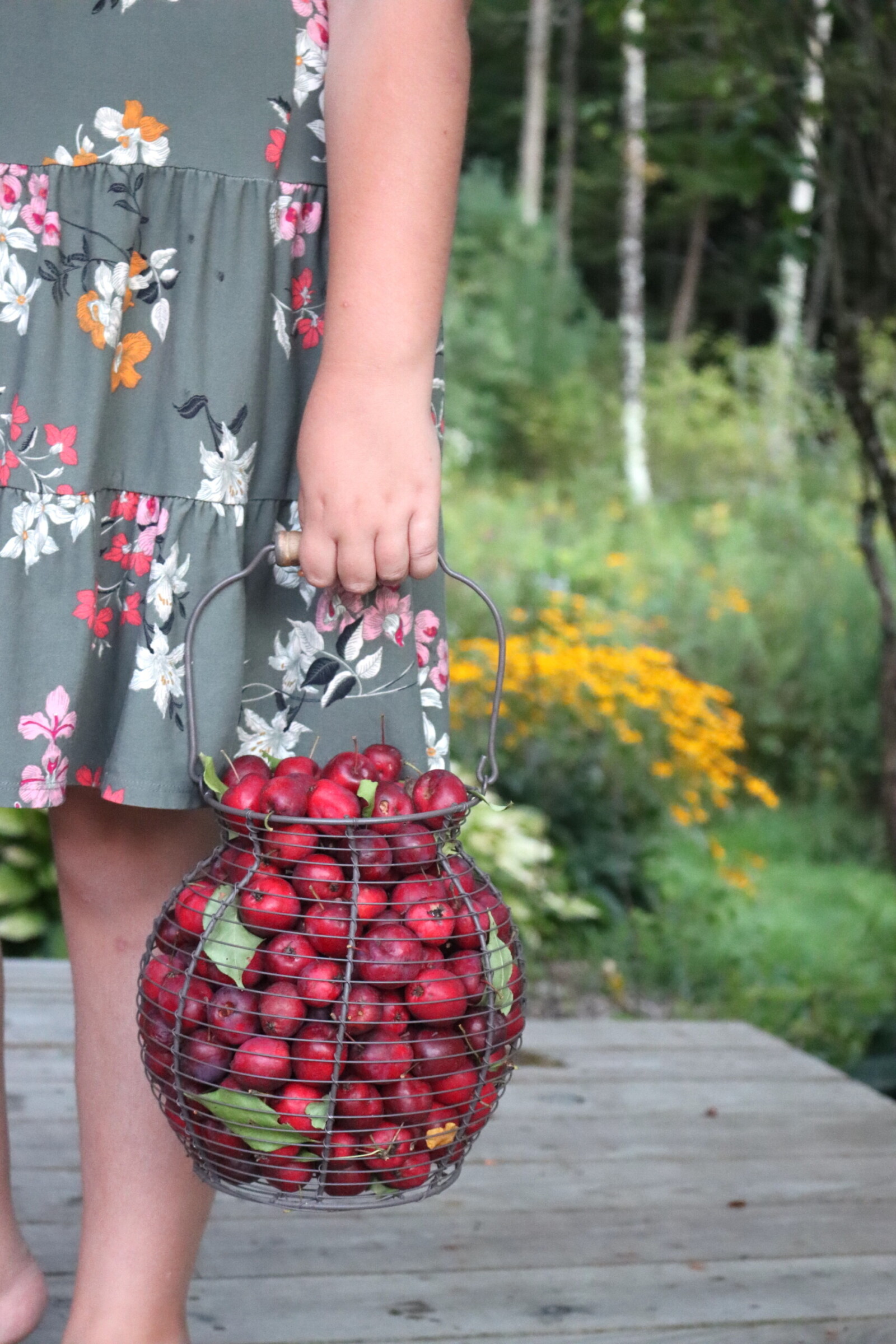
Notes from My Homestead

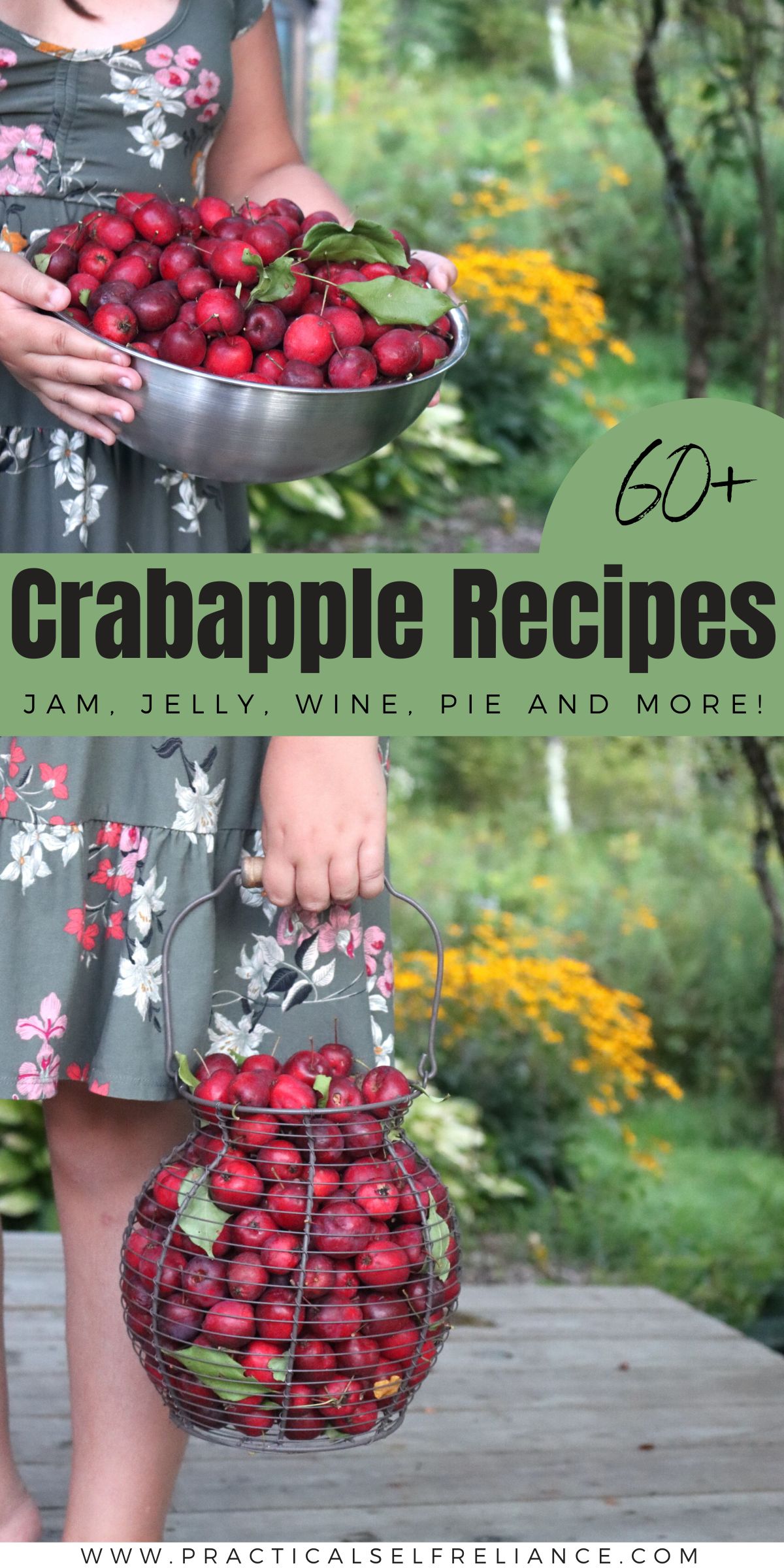
Vermont has more wild apples per square mile than just about anywhere I’ve lived, and a good share of those trees are crabapples or close enough that it doesn’t matter for cooking purposes. Every September I end up with buckets of fruit, because it takes about four minutes of picking to fill a five-gallon bucket when a tree is loaded, and it’s very hard to walk away from free fruit.
What I’ve settled into is a rough division of labor. The prettiest small whole fruit gets pickled or canned in syrup. The rest goes into the pot for juice, and that juice becomes jelly, wine, and cider, in roughly that order of how quickly it gets used up. The pulp left over after juicing gets pushed through a food mill for sauce and butter, and whatever is left after that goes into a crock for vinegar. Nothing gets wasted, and by the time the wild turkeys come through in March, there are still plenty of high-hanging fruit for them too.
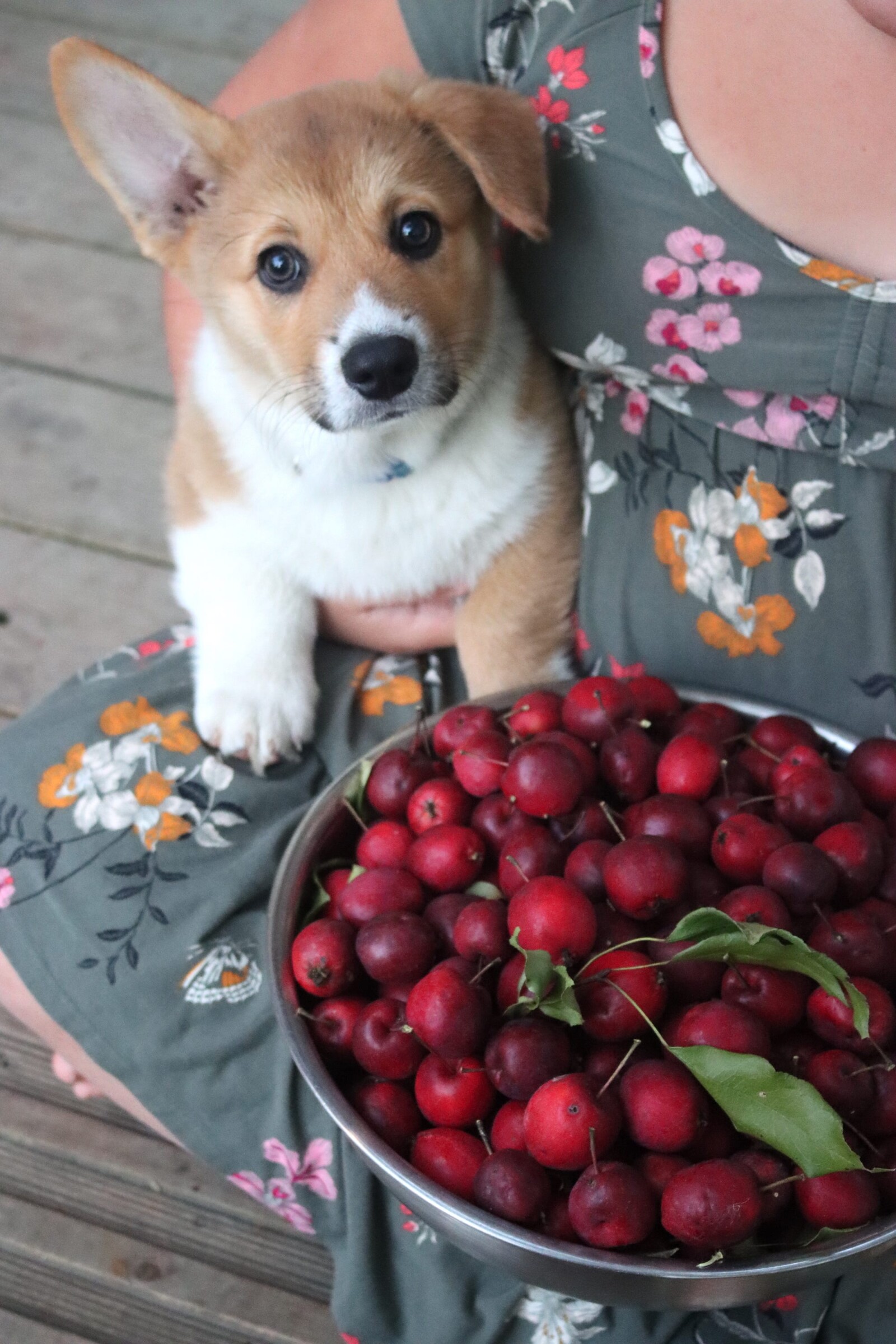
What Are Crabapples?
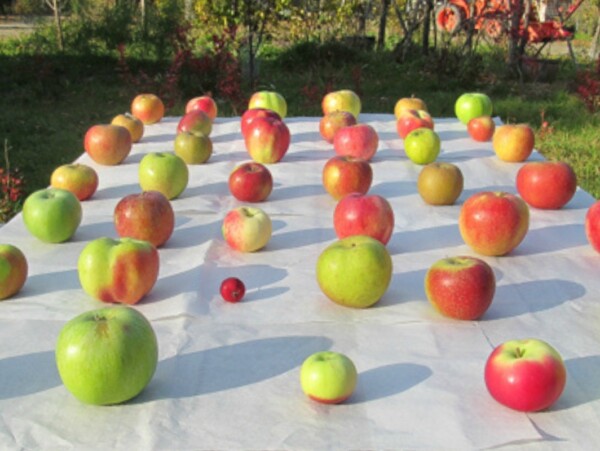
A crabapple is any apple in the genus Malus whose fruit stays under about two inches across. That’s the whole definition, and it’s a size distinction rather than a botanical one, which means a “crabapple” can be a true wild species, an ornamental cultivar bred for flowers, or a feral seedling that happened to come up small. North America has four native species: sweet crabapple (Malus coronaria), Pacific crabapple (Malus fusca), southern crabapple (Malus angustifolia), and prairie crabapple (Malus ioensis).
Most of the crabapples people actually cook with are cultivated ornamentals or orchard varieties planted as pollinators. Dolgo is the one I’d plant if I were choosing, because the fruit is big enough to be worth processing and tart enough to be interesting, and it’s the variety behind a lot of the crabapple jelly you’ll see written up. I wrote up the Dolgo crabapple separately if you’re shopping for a tree. If you’re going the other direction and want full-sized fruit, my roundup of heirloom apple varieties covers a hundred or so worth knowing.
The practical thing to know about crabapples in the kitchen is that they’re high in both pectin and acid. That combination is exactly what jelly needs, which is why crabapple jelly sets without added pectin and why crabapples get added to low pectin fruit like elderberry and grape to help those jellies gel. The astringency that makes them unpleasant raw mostly cooks out, leaving a flavor that’s tarter and more floral than a dessert apple.
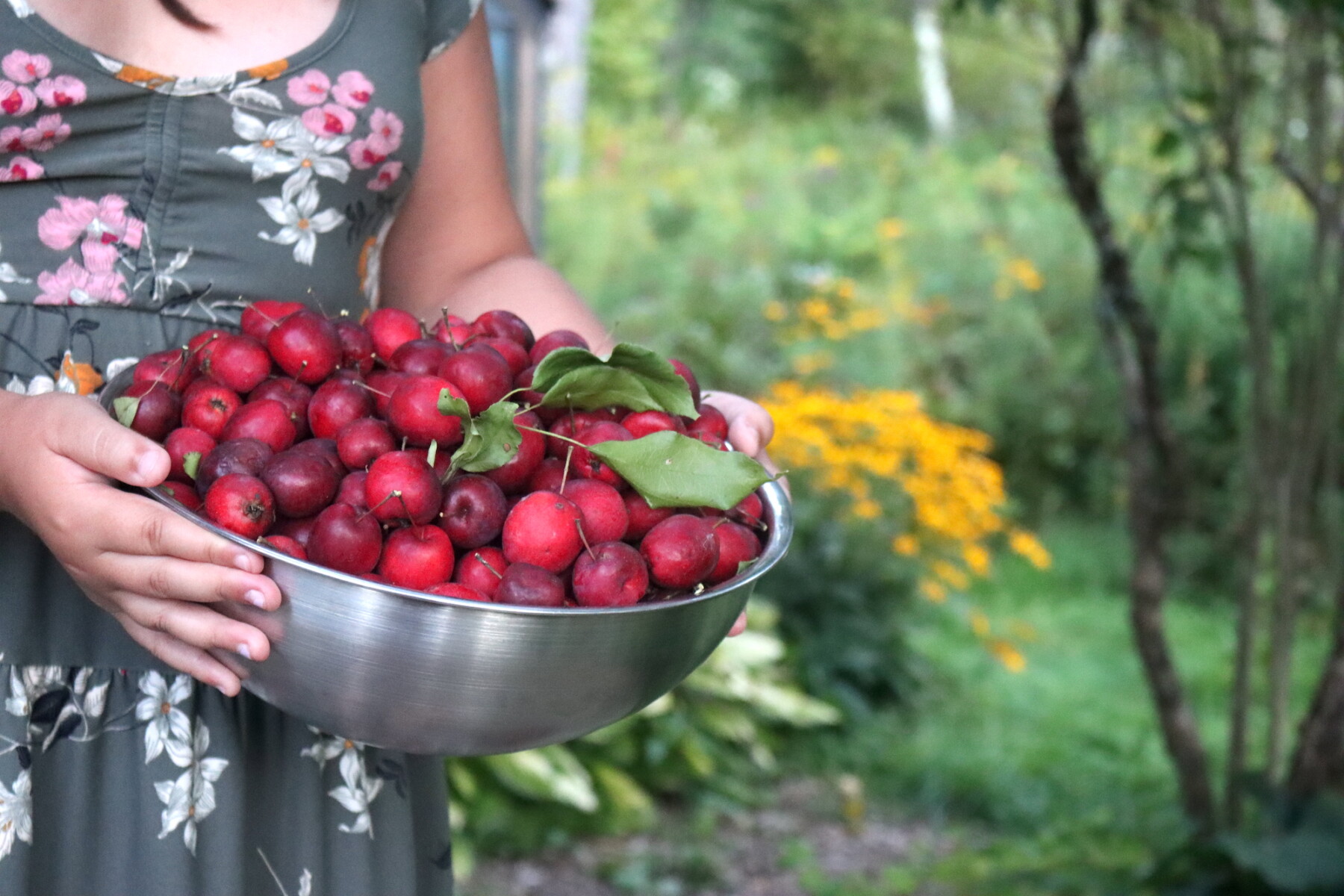
How Long Do Crabapples Keep?
Crabapples keep better than you’d expect. On the counter they’ll hold about a week before they start to go soft. In an open bag or a shallow bin in the fridge, most varieties will hold four to six weeks, and firm late season types can go two to three months in a cold room or root cellar as long as the fruit is unbruised and has good air circulation. The same rules that govern long term apple storage apply, and small fruit actually holds up a bit better than large fruit because there’s less flesh to break down.
If you can’t get to them right away, freezing is the simplest pause button. Wash the fruit, cut out any bad spots, and freeze them whole in bags. Frozen crabapples break down faster than fresh ones when you cook them, which is an advantage for juice and sauce and no disadvantage at all for jelly. I do this constantly during a busy harvest week, because it turns a hard deadline into a project I can do in January. For everything else you can preserve, my guide to 30+ ways to preserve apples works for crabapples with almost no adjustment.
Crabapple Recipes
Here’s the full list, grouped by what you’re in the mood to make. It starts with the simplest stovetop preparations, moves through jelly and canning, then baking and desserts, and finishes with drinks and savory dishes. Recipes marked “Approved for Canning” come from tested sources and are safe for water bath canning as written.
Simple Crabapple Recipes: Sauce, Butter, and Fruit Leather
This is where I’d start if you’ve never cooked with crabapples before, because the whole category is forgiving and none of it requires special equipment. Crabapple sauce is just fruit and water simmered until it collapses and then run through a food mill, and it’s tarter and more interesting than regular applesauce. Cook that sauce down another few hours, and it becomes butter, which is the single best way to use up a big harvest with almost no active work.
Fruit leather is the sleeper in this group. Crabapple puree dries into a sheet that’s genuinely tart rather than cloying, and it’s the one preserved crabapple product that my kids will eat by the handful. If you’re already set up for it, my guide to dehydrating apples covers the drying technique, and the recipes below cover the puree.
- Crabapple Sauce (Approved for Canning)
- Easy Crabapple Sauce
- Crab Applesauce
- Maple Crab Apple Butter
- Maple Syrup Sweetened Crabapple Butter
- Maple Spice Crab Apple Butter
- Crabapple Fruit Leather
- Plum and Crabapple Fruit Leather
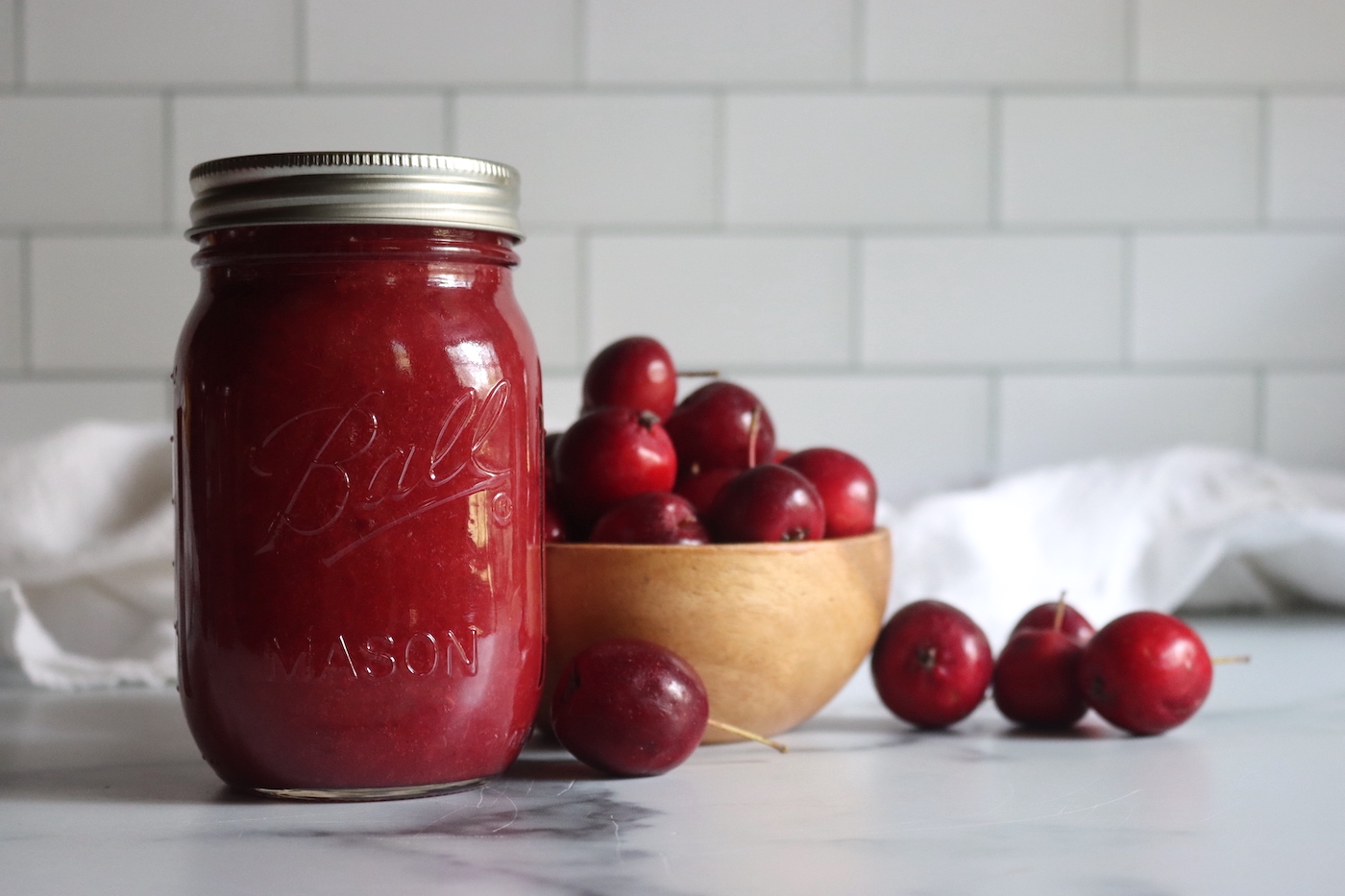
Crabapple Jelly and Jam Recipes
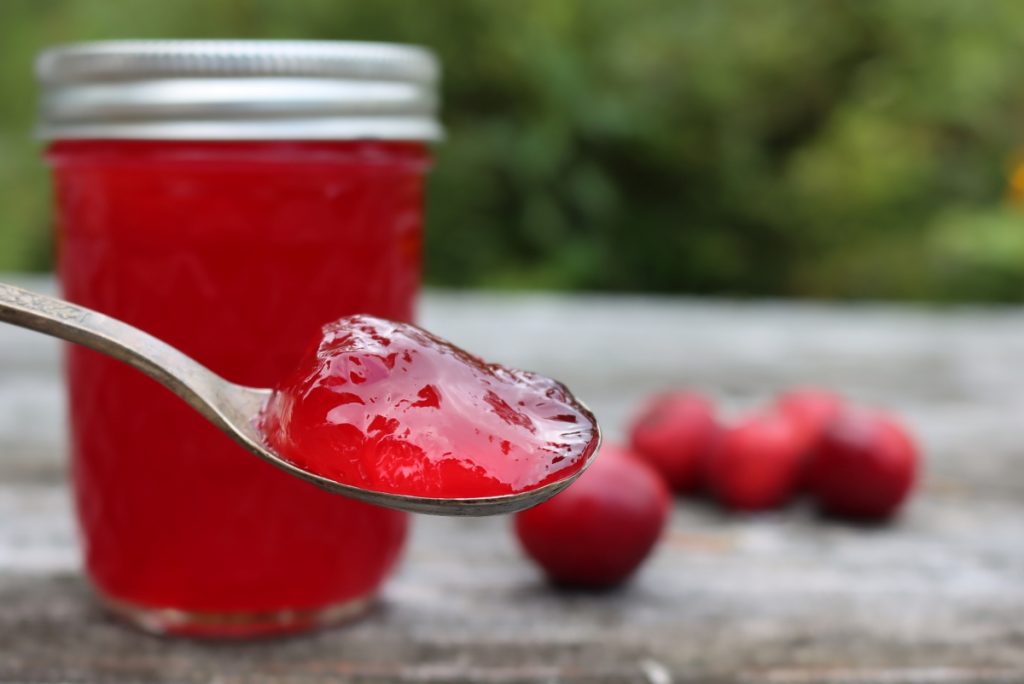
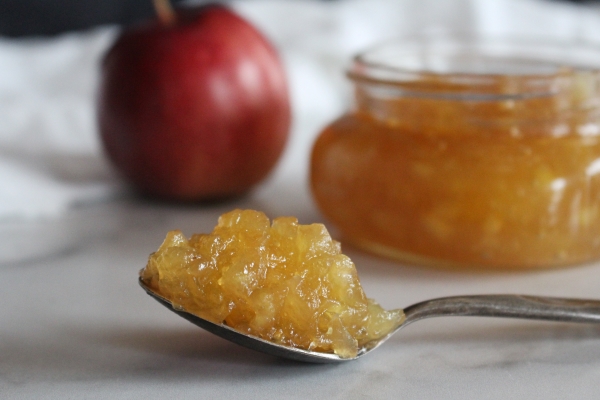
Crabapple jelly is the reason most people bother with crabapples at all, and it’s the recipe I make every single year without fail. The fruit carries enough natural pectin that you never add a box of anything, which means the flavor comes through clean and the color stays that clear pink you only get from wild fruit. My own crabapple jelly recipe walks through the whole process, including how to extract the juice without pressing the pulp (pressing is what turns jelly cloudy) and how to read the gel stage without a thermometer.
Jam is the other direction, using the whole cooked fruit rather than just the strained juice, and it’s more forgiving if you don’t want to fuss with a jelly bag. Crabapples also pull double duty as a pectin source for fruit that won’t set on its own, which is what the grape and crabapple jelly below is doing. If you want the fuller picture on making preserves without commercial pectin, my write up on homemade natural pectin explains how the chemistry works.
- Crabapple Jelly (Approved for Canning)
- Crabapple Jelly with Canning Instructions (Approved for Canning)
- Grape and Crabapple Jelly (Approved for Canning)
- Crab Apple Jelly and Crabanero
- Easy Crab Apple Jelly
- Spiced Crab Apple Jelly with Scotch Whisky
- Super Easy Crab Apple Jam
- Fall Crabapple Jam Without Pectin
- Rosehip Crabapple Jam
Canning, Pickling, and Chutney Recipes
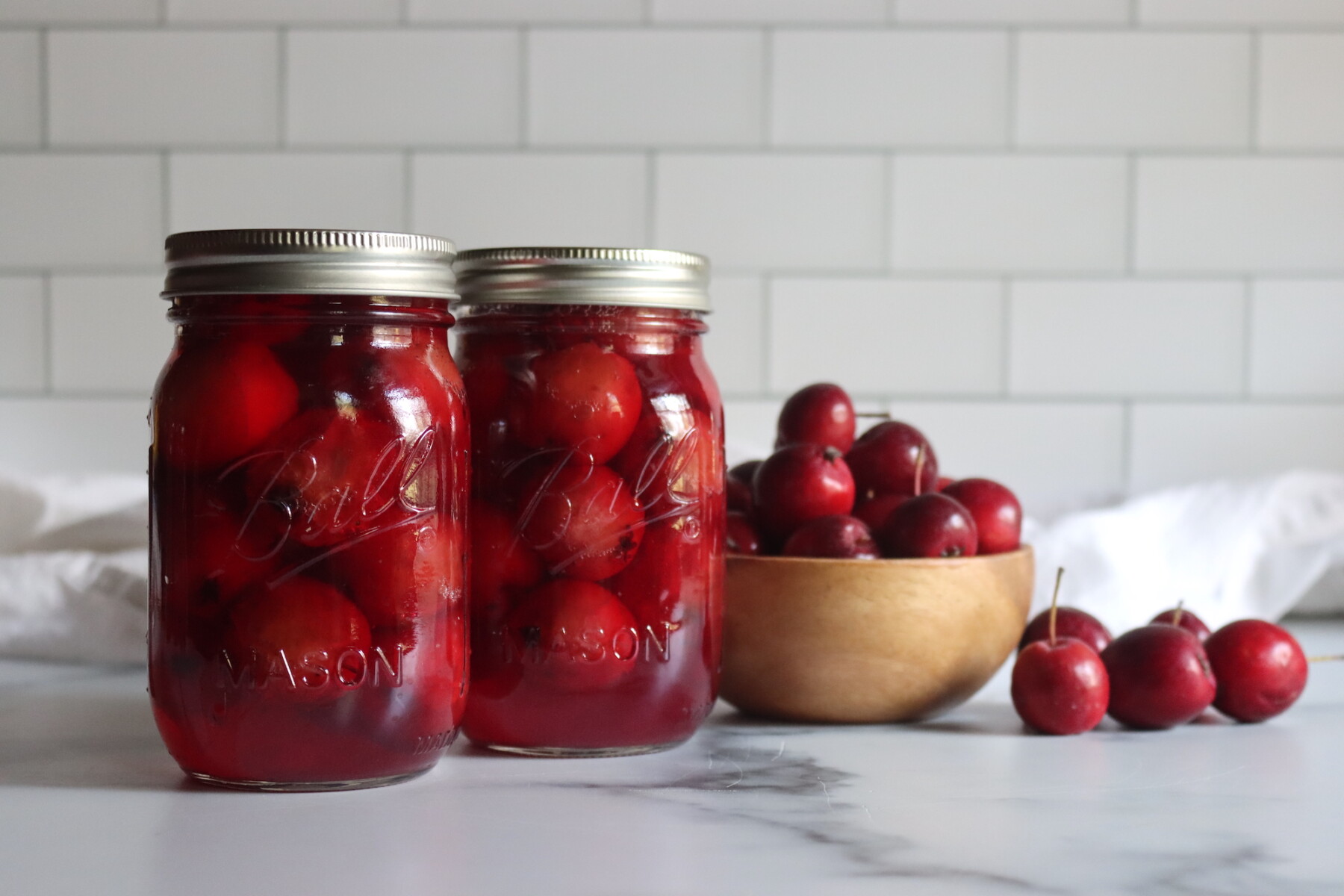
Crabapples are naturally acidic enough for water bath canning without adding lemon juice, which makes them one of the easier fruits to put up safely. Whole canned crabapples in light syrup are the old fashioned preparation, and they’re worth making at least once for how they look in the jar with the stems still on. Spiced pickled crabapples are the ones I keep coming back to, because a jar of those next to a pork roast or on a cheese board does more work than the effort suggests.
The recipes tagged for canning below follow tested procedures. The two National Center for Home Food Preservation entries and the Bernardin recipe are the baseline if you want the most conservative option, and the Creative Canning recipes give you the same procedures with process photos and troubleshooting. Adjust processing time for your altitude on all of them. The chutneys and the untagged pickles at the end of the list are blog recipes rather than tested ones, so treat those as refrigerator preserves unless you find a tested equivalent. For the wider canning picture, my index of 100+ canning recipes covers the rest of the pantry.
- Canning Crabapples (Approved for Canning)
- Pickled Crabapples (Approved for Canning)
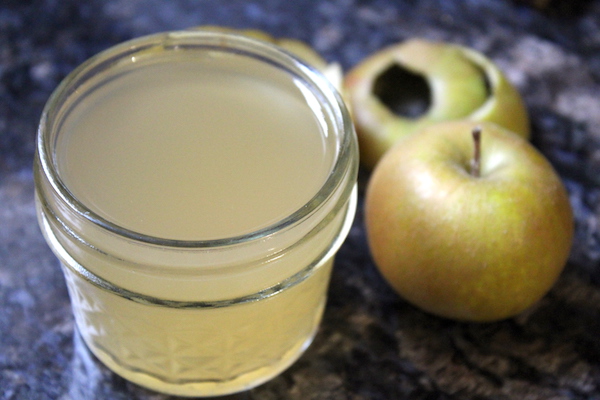
- Crabapple Juice and Syrup (Approved for Canning)
- Spiced Crabapples (Approved for Canning)
- Spiced Crabapple Pickles (Approved for Canning)
- Spiced Crab Apples (Approved for Canning)
- Spiced Crabapple Fruit Pickle
- Spiced Crabapples and Honey Cinnamon Crabapples
- Spiced Pickled Chestnut Crabapples
- Crabapple Cranberry Citrus Chutney
- Crab Apple Chutney
- Crabapple Chutney for Thanksgiving
Crabapple Breakfast and Baking Recipes
Crabapples work in most places a tart apple works, and they’re especially good in anything where a regular apple would taste flat. Pancakes, muffins, fritters, and bread pudding all benefit from the extra acid, and the small fruit means you’re chopping rather than peeling and coring, which saves more time than it sounds like it should. I usually cook the fruit down first for baking rather than folding in raw chunks, because raw crabapple stays firm and astringent longer than a dessert apple would.
The compote is the most useful thing in this group. A jar of crabapple compote in the fridge covers oatmeal, yogurt, waffles, and pork chops for most of a week, and it takes about twenty minutes. Several of these come from old farm magazine collections, which is where a lot of the crabapple canon lives.
- Crab Apple Pancakes
- Crab Apple Fritters
- Crab Apple Muffins
- Whole Grain Crabapple Muffins
- Crab Apple Pear Compote
- Crab Apple Bread Pudding
Crabapple Pies, Cakes, and Desserts
Crabapple pie is a real thing and not a novelty, though it takes more sugar than an apple pie and the fruit needs to be cooked before it goes in the shell. The payoff is a filling with actual acidity behind it, which is what most apple pies are missing. Hand pies are the version I make more often, because the filling is already cooked and the small pastries freeze well unbaked.
Further down this list things get more ambitious, and the frozen mousse and the candied crabapples are both worth the trouble if you’re cooking for company. Crabapples hold their shape well when candied in syrup, which is why they show up as a garnish in restaurant desserts more often than you’d guess from how rarely anyone cooks them at home.
- Crab Apple Pie
- Crabapple Maple Syrup Pie
- Maple Sweetened Crabapple Hand Pies
- Crabapple Hand Pies for Our Ancestors
- Amaretto Raisin Crabapple Pie
- Crab Apple Pie Bars
- Crabapple Tarte Tatin
- Crabapple Strawberry Tart
- Maple Syrup Candied Crabapples with Oat Pecan Crumble
- Crabapple Yogurt Bundt Cake
- Crab Apple and Walnut Streusel Cake
- Frozen Crabapple Mousse with Black Walnut Streusel
Crabapple Drinks, Wine, and Cider
This is the deepest category on the list, and it’s where crabapples genuinely outperform regular apples. The high acid and the tannin that make them harsh to eat raw are exactly what a cider or a wine needs for structure, which is why traditional cider orchards always included a few crabapple trees on purpose. A cider pressed entirely from dessert apples tastes thin and one dimensional, and a handful of crabapples fixes it.
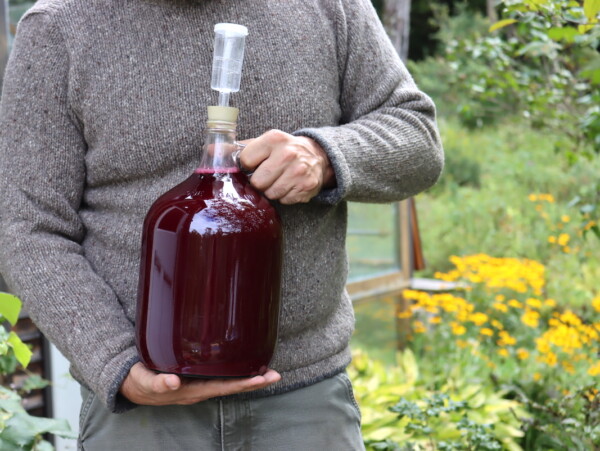
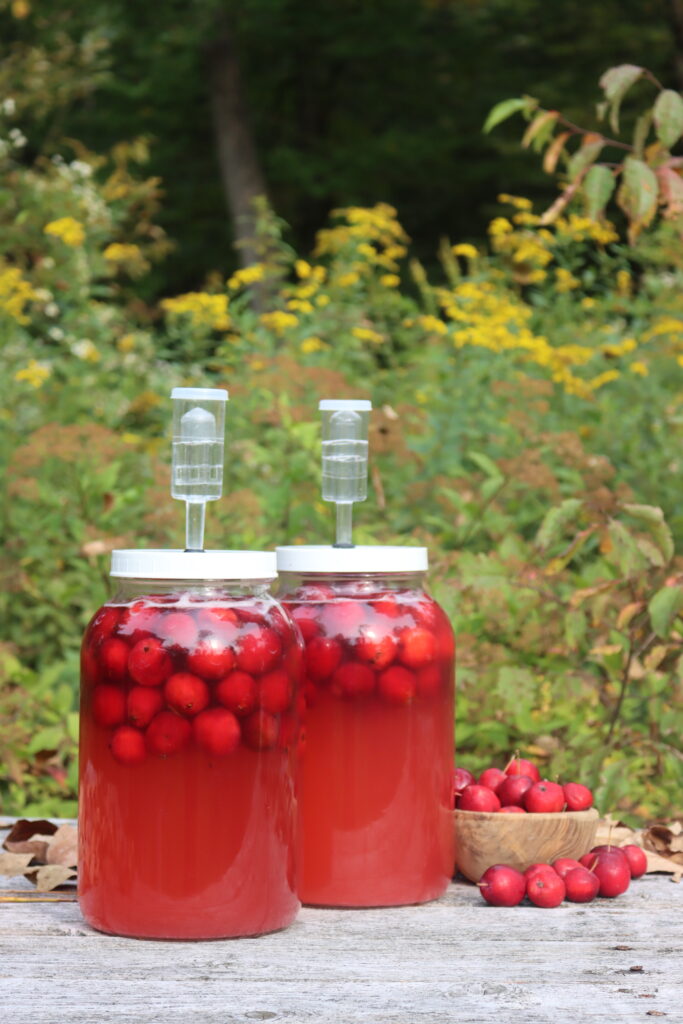
My crabapple wine and mead recipe is the project I start every September, and it’s the one thing on this list that genuinely requires patience, since it isn’t drinkable until the following autumn. If you want to press rather than ferment sweetened juice, my guide to making hard cider covers the whole process, and my collection of 50+ winemaking recipes has the same method adapted for every other fruit on the homestead. On the non alcoholic side, crabapple scraps make a sharp, fast apple scrap vinegar that’s better than anything I’ve made from regular apple peels.
- Crabapple Wine and Mead
- Three Ways to Juice Crab Apples
- Fermented Crabapple Cider with Beautyberries
- Fermented Crabapple Cider
- Hard Cider from Whole Apples, Without a Press
- Crabby Apple Cyser
- Crabapple Mead
- Homemade Crab Apple Cider Vinegar
- Crab Apple Shrub
- Crab Apple Liqueur with Cinnamon
- Crab Apple Liqueur, Three Variations
- Crab Apple Whisky
- Crab Apple Gin Liqueur
- Rosehip and Crab Apple Gin Cocktail
Savory Crabapple Recipes
Crabapples belong with rich meat the same way cranberries do, and the quickest route there is a jar of crabapple jelly used as a glaze. Thin it with a little vinegar and mustard and brush it on chicken or ribs during the last fifteen minutes, and you get a lacquered finish with real acidity behind the sweetness. That single trick is what turns a shelf of jelly from a breakfast condiment into something you actually use up.
Beyond the glaze, crabapples roast well alongside pork and poultry, and they make a relish that holds its own next to cranberry sauce at Thanksgiving. The fruit stays intact under heat better than a soft apple would, which matters when it’s sharing a pan with something that needs an hour in the oven.
- Crabapple Jelly Glazed Chicken
- Crabapple Jelly Glazed Ribs, Wings, and Thighs
- Chestnut Crabapple Mash
- Turkey Stuffing Salad with Arugula and Crab Apples
- Crab Apple and Cranberry Relish
More Wild Fruit Recipes
Crabapples come in during the same few weeks as most of the other wild fruit worth picking, so if you’re out gathering anyway there’s usually more than one thing to bring home. My guide to 50+ edible wild berries and fruits covers what else is ripe in early fall, and chokecherry recipes handle the other tart wild fruit that shows up at the same time and behaves almost identically in the jelly pot. If your crabapple harvest has you thinking about full sized fruit too, apple canning recipes is the natural next stop.
Crabapple Recipe FAQs
The flesh of crabapples is edible, and crabapples are simply small apples in the genus Malus. Most varieties are too tart and astringent to enjoy raw, which is why nearly every crabapple recipe involves cooking, sweetening, or fermenting the fruit. As with regular apples, the seeds are not eaten. Only harvest from trees that haven’t been sprayed, and be certain of your identification before picking from an unfamiliar tree.
No. Crabapples are high in both natural pectin and acid, which is the exact combination jelly needs to set. That’s why traditional crabapple jelly recipes call for nothing but juice and sugar, and why crabapples are often added to low pectin fruit like grapes or elderberries to help those jellies gel. Underripe crabapples carry even more pectin than fully ripe ones.
Most crabapples ripen from late August through October depending on the variety and your climate. For jelly, picking slightly underripe fruit gives you more pectin and a firmer set. For sauce, butter, and cider, wait until the fruit is fully ripe and has developed its color and sugar. Some foragers wait until after the first frost, which softens the fruit and takes the edge off the astringency.
For juice, jelly, sauce, butter, and fruit leather, no. You cook the whole fruit and then run it through a food mill or a jelly bag, which removes the cores, seeds, and stems for you. That’s the single biggest reason crabapples are less work than they look. You only need to core them for recipes where the fruit stays whole or in pieces, like pies, and for pickling you leave them whole with the stems on.
In most cooked recipes, yes, with two adjustments. Add more sugar, since crabapples are considerably more tart, and cook the fruit down first rather than folding in raw pieces, because crabapple flesh stays firm and astringent longer than a dessert apple does. Skip the substitution in recipes that call for raw apple, like salads and slaws.
Did you find this list of crabapple recipes helpful? Tell me in the 📝 comments below what you make with your crabapple harvest, I’m always looking for new ideas before the fruit drops!
And make sure you stay in touch with me by following on social media!
More Fall Fruit Recipes
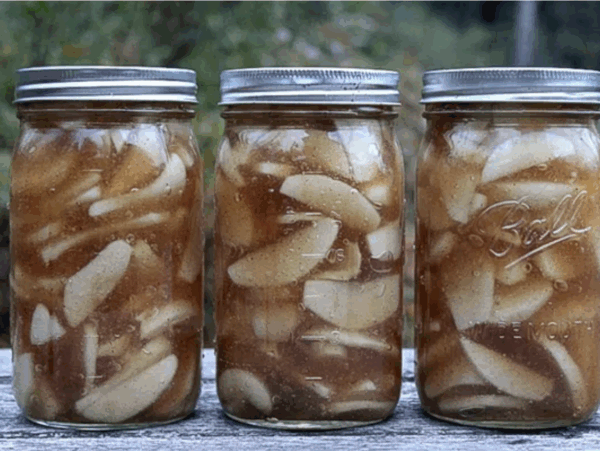
Once the crabapples are put up, the rest of the fall fruit harvest is right behind them. Between full sized apples, pears, and the last of the wild fruit, our kitchen runs flat out from late August until the ground freezes, and most of what we eat all winter gets made in those eight weeks.
Growing and Foraging Crabapples
Find the perfect recipe
Searching for something else? Enter keywords to find the perfect recipe!