
Affiliate disclosure: This post may contain affiliate links. Please see our Privacy Policy.
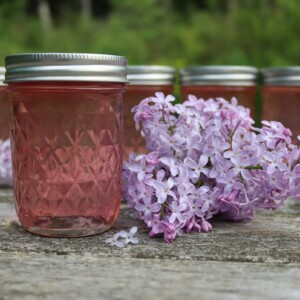
Lilac jelly captures the heady spring perfume of lilac blossoms in a pale, delicate preserve you can open long after the bushes have finished blooming. The petals steep into a fragrant tea, set with pectin and a little lemon juice, and the color shifts from turquoise to soft pink right in the pot.
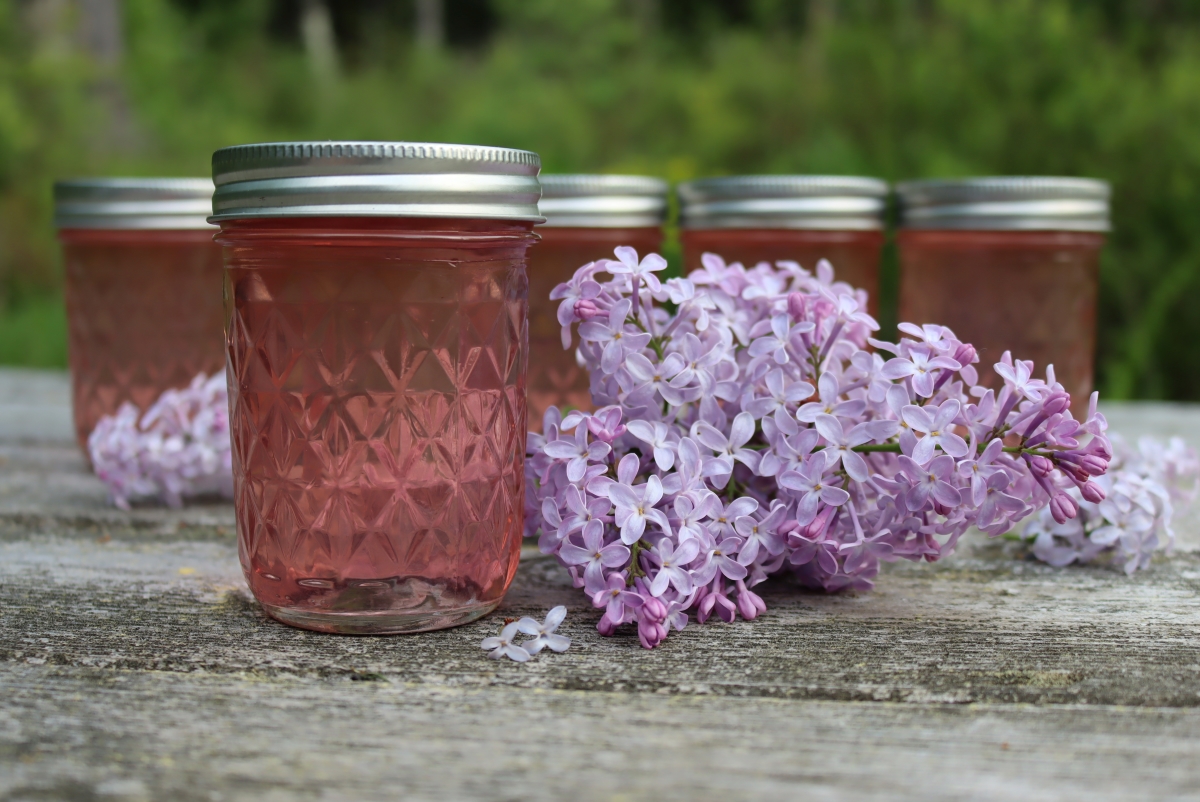
Table of Contents
Lilacs are a New England fixture, planted in the dooryard of just about every old homestead, and you’ll still find them thriving beside crumbling stone foundations a century after the house came down. Ours greet us for a couple of weeks each spring right beside the front door, and with the windows open, the breeze carries that scent through the whole house.
We cook with lilacs pretty often, and I have a list of more than thirty lilac recipes that I’ve gathered all in one place so I can make a few new ones each year.
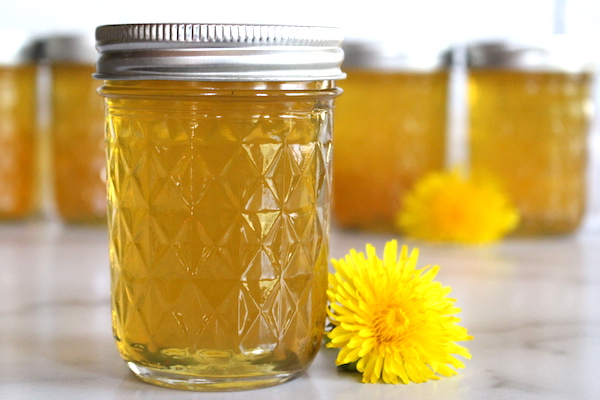
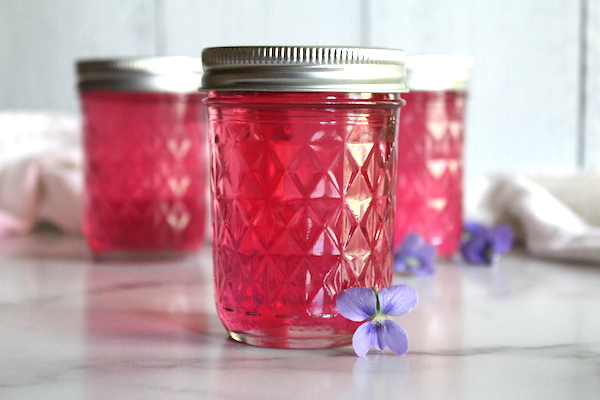
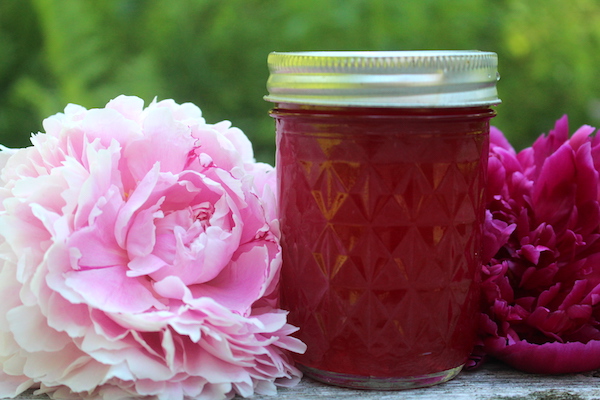
Flower jellies have been the stars of our breakfast table lately. With dandelion jelly and violet jelly already on the shelves, peony jelly and lilac jelly were the natural next jars, and it’s since become a spring standby. Last year lilac wine was the hit with the grown-ups while lilac donuts won over the kids, so the jelly rounds out a good lineup. If you like the idea of cooking with blossoms, there’s a whole world of edible flowers that come and go each spring.
A quick word on names, since a lot of folks go searching for lilac jam. Because you’re working with petals steeped into a tea rather than crushed fruit, lilac sets up as a jelly rather than a jam, but it’s the same spread either way.
Notes from my Kitchen

Lilac season is so short up here that I feel a little pressure to make the most of it while the blooms last. Putting up a few jars is how I stretch that smell past the couple of weeks the bushes are actually flowering, and cracking one open in the dead of a Vermont winter brings the whole spring right back.
The flavor varies a surprising amount from bush to bush. We have several varieties on our land, and most make a lovely jelly, each leaning its own way, some toward berry and some more floral. One just isn’t good, so I never use it for anything edible. My daughter has cleaned so many batches of flowers over the years that she flies through a bowl of lilacs in about five minutes, and she taught me to always taste a small cup of the tea before committing to a full batch.
Ingredients for Lilac Jelly
Lilac jelly uses the same short list as most flower jellies. You steep fresh blossoms into a tea, then set it with sugar, pectin, and a bit of lemon juice for both balance and safety.
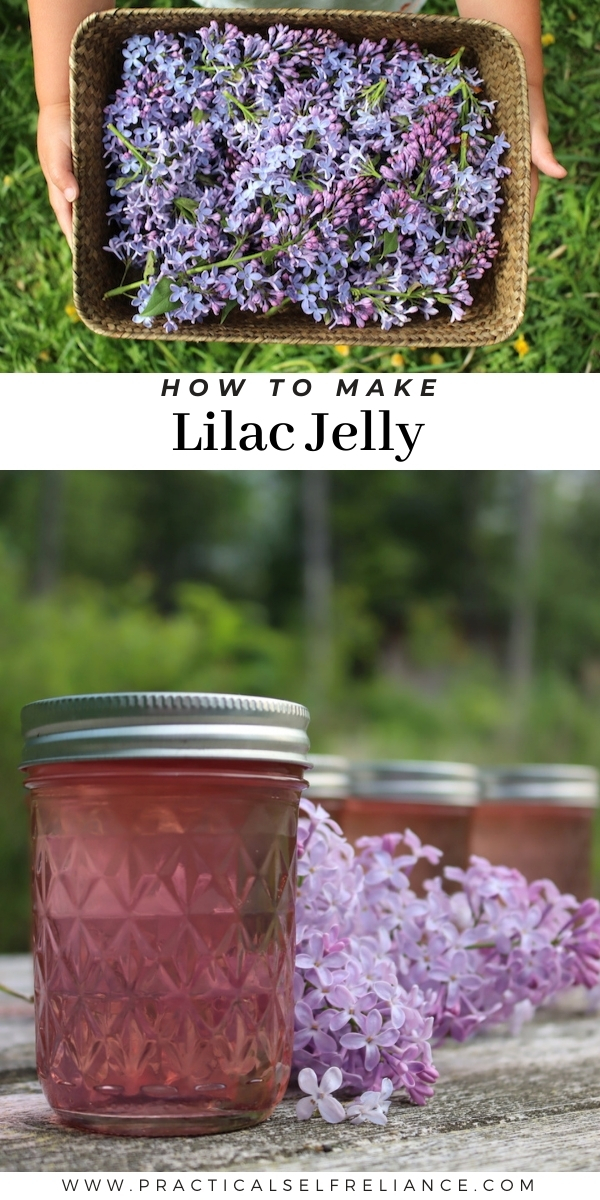
- Lilac Blossoms: Use only the fragrant petals, with the stems and green sepals removed, since those green parts turn the jelly bitter. Common lilac (Syringa vulgaris) is the one to reach for, picked from a bush you know hasn’t been sprayed. Fully open, strongly scented clusters carry the most flavor.
- Water: Water steeps the petals into lilac tea, the base for the jelly. Filtered water is worth using if your tap has a strong chlorine taste, which can muddy the delicate floral flavor.
- Lemon Juice (bottled): The lemon does several jobs at once. It brightens and balances the floral sweetness, helps the pectin set, and lowers the pH enough to make the jelly safe to can. It’s also what flips the turquoise tea to pink, so don’t skip it. Use bottled lemon juice for its steady, reliable acidity, or swap in citric acid for a more neutral flavor.
- 1 box (1.75 oz) powdered pectin: This recipe is built around regular powdered pectin like Sure-Jell, which gives a dependable set. Don’t substitute liquid pectin, and note that lilacs contain no natural pectin of their own, unlike some fruit jellies such as blackberry jelly that can set on their own.
- Sugar: Regular pectin needs plenty of sugar to gel, so this recipe follows the current Sure-Jell ratio of 5 cups sugar to 4 cups of lilac tea. That full measure of sugar is what gives you a reliable set. If you’d rather cut it back, there’s a lower-sugar route in the Pectin Options below.
- Blueberries or Blackberries (optional): Lilacs don’t give up much color on their own, so a few berries muddled into the steeping water tint the jelly a soft purple without changing the flavor.
Thank you for this recipe. I am now on year 2 of making it and love it! I’ve even left the lilac flowers in my fridge for up to a week and they were still good to use.
How to Make Lilac Jelly
Making lilac jelly runs like any other flower jelly, once you’ve pulled the petals free of the green parts. You steep the blossoms into a tea, set it with pectin and sugar, and add lemon juice along the way. Most of the time here is hands-off while the petals steep, so have your jars and lids ready before you start.
Preparing the Blossoms
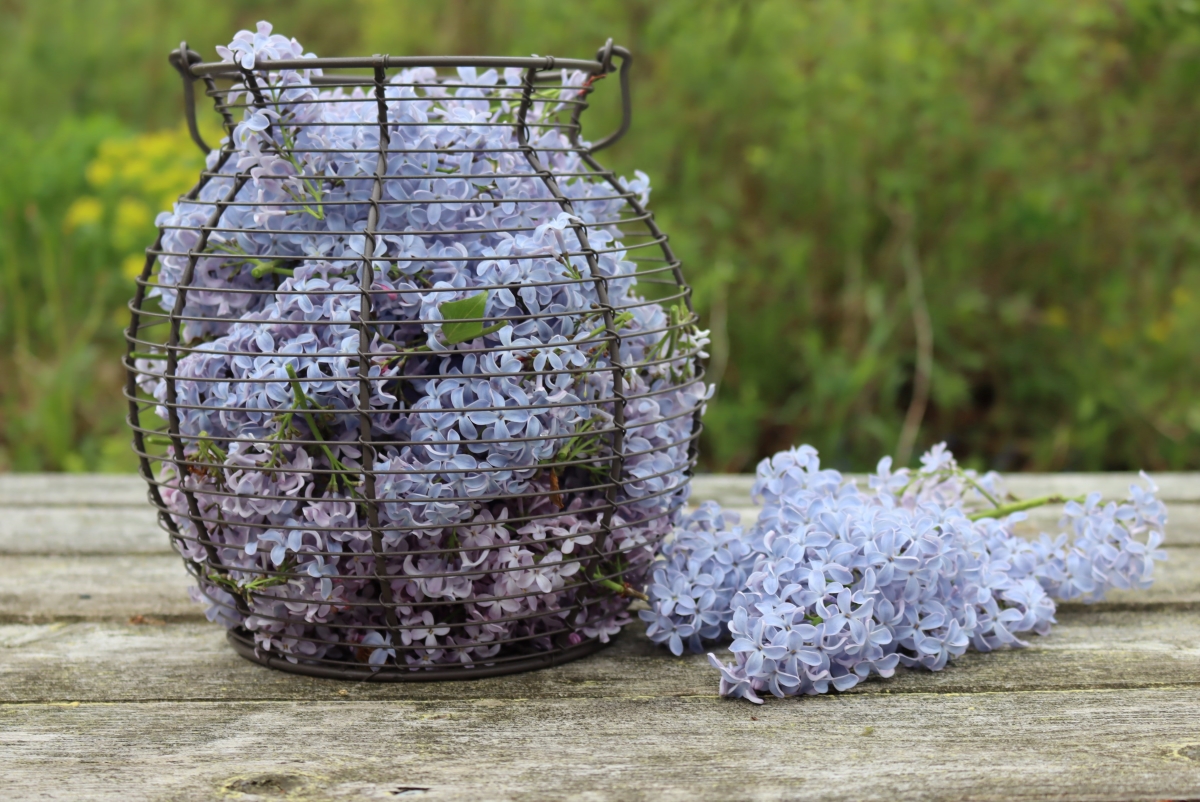
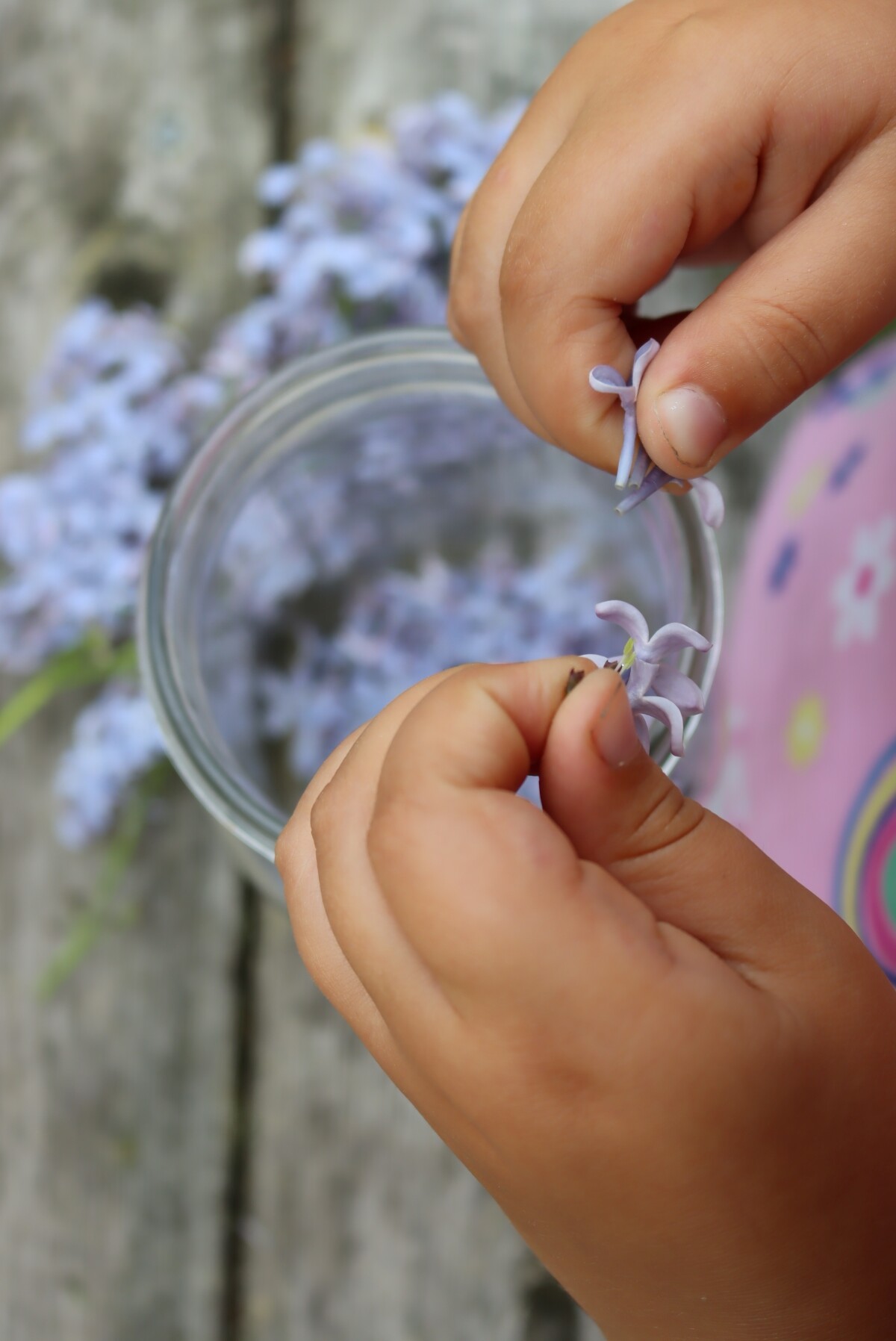
Harvest full sprays of lilac with scissors, choosing clusters that are fully open and free of browning or insect damage. The little trumpet-shaped blooms pull free easily, so you can strip them by the handful, then go back and pick out any stray green sepals. Leave the stems and green bases behind, since that’s where the bitterness lives. It goes faster than you’d think, and a few sprays give you plenty, no afternoon of cleaning the way there is with dandelions.
Making the Lilac Tea
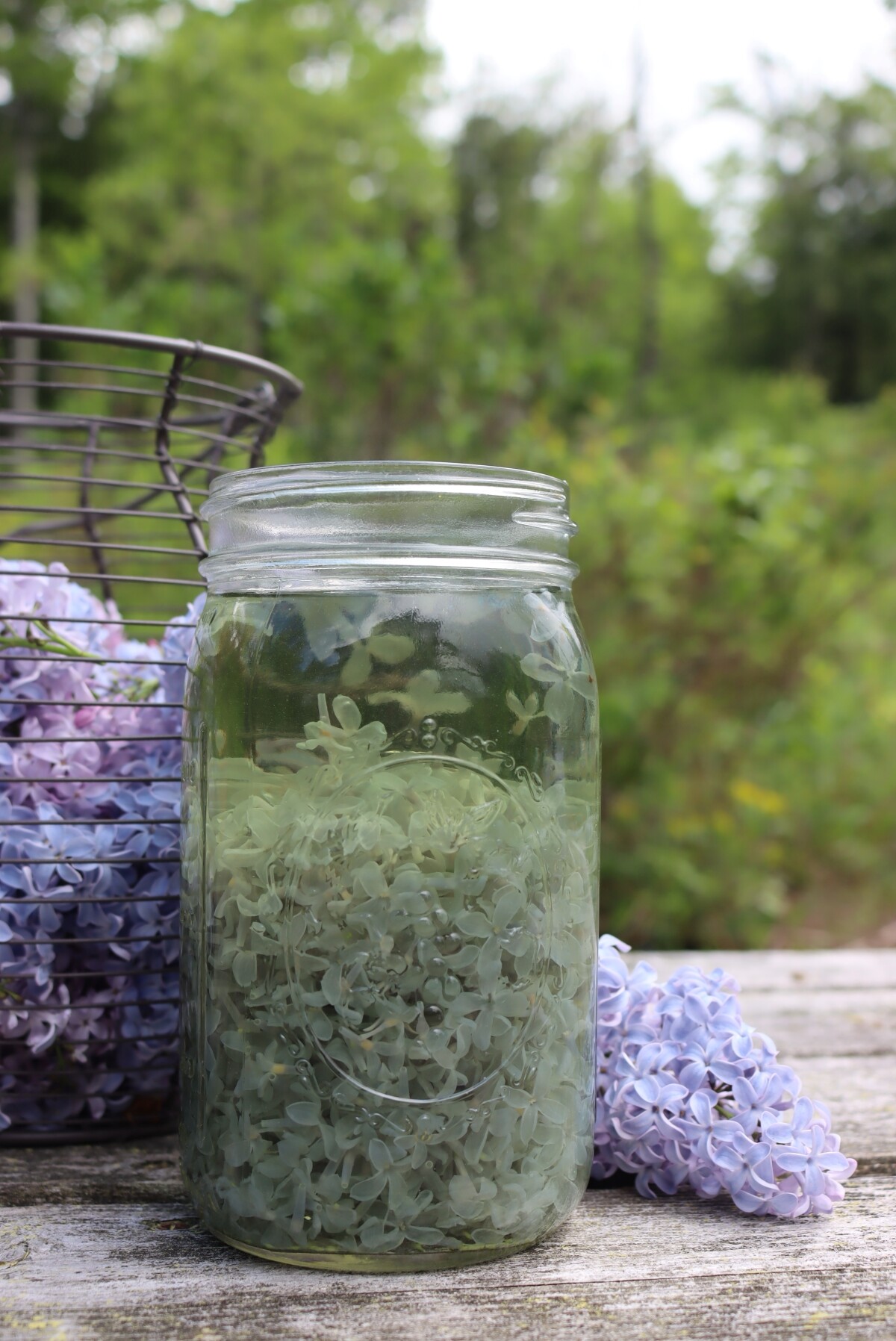
Measure the petals into a heatproof bowl or quart mason jar. Bring the water to a boil and pour it over the top, pushing the petals down so they’re fully submerged. If you want a hint of color, drop in four or five blueberries or blackberries and crush them gently with a spoon. Cover and steep for 15 to 20 minutes.
The water often turns a startling turquoise green as it steeps, which is exactly what you want, since it flips to bright pink the moment the lemon juice goes in. Strain the tea through a fine mesh sieve, pressing gently to draw off all the liquid, and measure it. You’re aiming for 4 cups, so top it off with a little water if you come up short.
Cooking the Jelly
Pour the lilac tea into a jelly pot and stir in the lemon juice, watching the color change as it goes in, then bring it up to a boil over medium-high heat. Once it’s boiling, whisk in the powdered pectin until it’s completely dissolved and let it boil hard for 1 full minute. The pectin goes in before the sugar, which is what lets the jelly set, so hold that order.
After that minute, add all the sugar at once and stir until it’s fully dissolved. Bring the jelly back to a full rolling boil for exactly 1 minute, then pull it off the heat and skim away any foam with a spoon. Ladle the hot jelly into prepared jars right away, leaving 1/4 inch headspace.
Don’t Overcook Pectin Jelly
Fresh out of the pot, pectin jelly looks thin and syrupy, and that’s just how it should look. It firms up as it cools, not on the stove, so resist the urge to keep boiling it down.
- Boil the jelly for exactly 1 minute after the sugar goes in, no longer. A long boil breaks down the pectin and keeps it from gelling.
- Skip the thermometer and the cold-plate test here. Those belong to old-fashioned no-pectin jams, not to a boxed-pectin jelly like this one.
- Give it time. Pectin jelly can take a full 24 to 48 hours to firm up, so don’t call it a failure the next morning if it still looks loose.
Canning Lilac Jelly
Canning is optional. If you’d rather not, let the jars cool completely on the counter and keep them in the refrigerator for up to a month, or the freezer for up to 6 months in freezer-safe jars with a little extra headspace. Even for the fridge, still add the full amount of lemon juice, since it earns its place in both the flavor and the set.
For shelf storage, I run the jars through a water bath canner so the jelly keeps at room temperature all year. Make sure you’ve used the full amount of lemon juice, because that acidity is what makes water bath canning safe.
If you’re new to the process, my beginner’s guide to water bath canning covers everything before you start. After ladling into jars and leaving 1/4 inch headspace, wipe the rims with a clean damp cloth, set the lids, and tighten the bands to fingertip tight.
Process in a boiling water bath for 10 minutes, adjusting for altitude as needed. Let the jars rest 5 minutes in the turned-off canner, then cool them undisturbed on a towel for 24 hours before checking the seals.
Refrigerate any that didn’t seal and use them within a month, and sealed jars will keep quality on the pantry shelf for 12 to 18 months.
Altitude Adjustments
For water bath canning, processing times increase at higher elevations:
- 0 to 6,000 feet: 10 minutes
- Above 6,000 feet: 15 minutes
Yield Notes
A single batch is sized to set reliably, so it helps to know what to expect before you start:
- You’ll need 2 to 4 cups of petals, roughly five or six full sprays, to make 4 cups of tea.
- Four cups of tea plus 5 cups of sugar yields about 5 to 6 half-pint (8 oz) jars.
- Don’t double the recipe. Pectin jelly sets on a precise balance of liquid, sugar, and pectin, and a doubled pot often refuses to gel. Cook batches one at a time instead.
Storage Options
Lilac jelly keeps well however you store it, so it really comes down to whether you want it on the shelf or in the fridge:
- Refrigerator: Store uncanned jelly in the fridge for up to a month.
- Freezer: Ladle into freezer-safe jars, leaving extra headspace, and freeze for up to 6 months.
- Canned: Properly sealed jars keep on the pantry shelf for 12 to 18 months. Refrigerate after opening.
Recipe Tips
A few things I’ve picked up across a lot of batches, plus some ways to change it up:
- Taste before you commit. Lilac flavor varies a lot from bush to bush, so steep a small cup of tea, stir in a little sugar, and taste it before you gather a full batch.
- Add berries for a lasting color. Some varieties hold their pink and some fade to gold, especially through canning. A few muddled blueberries or blackberries in the steep give a stable purple that survives the water bath.
- Steep a little longer for a deeper flavor. A 15 to 20 minute steep is plenty, but a longer infusion in the fridge pulls out more flavor and color if you have the time.
- Dissolve the sugar fully before the final boil, and don’t add it until the pectin has boiled for its minute, or the jelly won’t set.
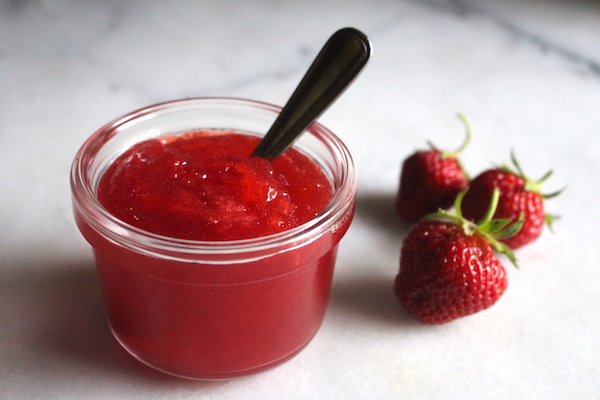
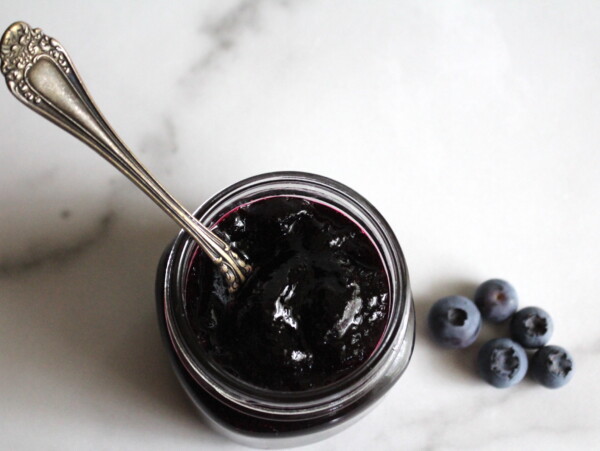
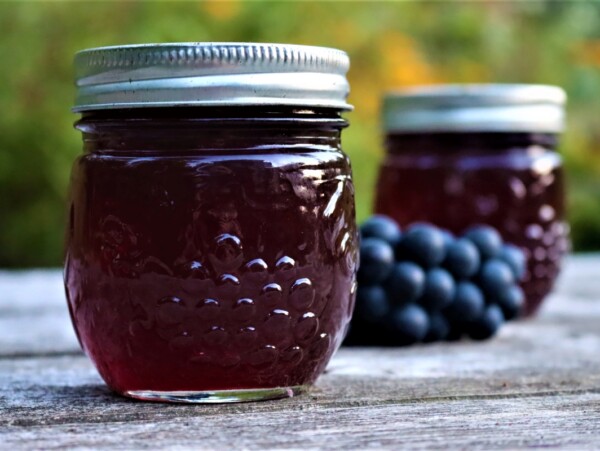
- The same pectin method carries over to fruit jellies like strawberry jelly, blueberry jelly, and grape jelly, so a knack for flower jelly translates straight over.
Pectin Options
This recipe is written for regular powdered pectin, but you have a few choices depending on how sweet you want the finished jelly.
For a standard set, use a regular powdered pectin such as Sure-Jell or Ball Classic Pectin with the full 5 cups of sugar. This is the most reliable route and the one I reach for most often.
For a less sweet jelly, reach for a low-sugar pectin like Sure-Jell Low Sugar or Ball Low Sugar Pectin, which let you drop the sugar to as little as 1 to 2 cups. The yield will be a little lower with reduced sugar.
You can also use Pomona’s Universal Pectin, a two-part low-sugar pectin that comes with calcium water and behaves a bit differently. Follow the mint jelly directions on the box, and bump the lemon juice up to 1/2 cup, since Pomona’s doesn’t include the added citric acid that most other pectins do. If it’s your first time using it, it helps to read through how to use Pomona’s pectin first.
Skip liquid pectin for this one. It’s formulated for a different order of operations and won’t set a flower jelly reliably.
Ways to Use Lilac Jelly
Lilac jelly is gentle enough to let the floral note come through, so it shines in simple settings. Spread it on warm biscuits, scones, or toast, swirl a spoonful into plain yogurt, or set it out with a mild cheese like brie or fresh chèvre on a cheese board, where the flowery sweetness plays off the salt.
It also makes a thoughtful gift, especially the berry-tinted version with its soft purple color, tucked into a spring basket for whoever shared their lilac bush. If you catch the preserving habit, there are hundreds more ideas waiting in my collection of canning recipes for when the lilacs fade and the fruit comes on.
Lilac Jelly FAQs
Not many, which is part of the fun. A few full sprays give you the 2 to 4 cups of petals you need for one batch, and they pull free quickly by the handful. That steeps down into 4 cups of tea and makes about 5 to 6 half-pint jars.
The pink color comes from the lemon acid reacting with pigments in the petals, but not every lilac holds that color, and some fade to pale gold, especially after the heat of canning. If a lasting color matters to you, muddle a few blueberries or blackberries into the steeping water. They give a stable purple that survives the water bath without changing the lilac flavor.
Lilac jelly tastes mild and floral, somewhere near honey or lavender without being overpowering, with a little tang from the lemon that keeps it bright. It’s more delicate than a fruit jelly, and the flavor varies quite a bit from bush to bush, so the most fragrant blossoms make the most flavorful jelly.
The usual causes are adding the sugar at the same time as the pectin instead of after it boils, boiling the finished jelly too long, cutting the sugar too low with regular pectin, or trying to double the batch. Give it a full 24 to 48 hours to set before deciding it failed, and if it’s still loose, enjoy it as a floral syrup or read through my guide on troubleshooting jellies that didn’t set.
Yes, and it’s a handy way to save a short bloom. The surest route is to steep the tea with fresh, fragrant petals, strain it, and freeze the strained tea, which holds its flavor and color for several months. You can freeze the whole blossoms too, though they lose some scent and color, so make the jelly fresh from the thawed tea for the liveliest flavor and color.
More Flower Jelly Recipes
If you tried this Lilac Jelly recipe, or any other recipe on Practical Self Reliance, leave a ⭐ star rating and let me know what you think in the 📝 comments below!
And make sure you stay in touch with me by following on social media!
Lilac Jelly
Equipment
- Canning Jars, Lids, and Rings
Ingredients
For the Lilac Tea:
- 2 to 4 cups fresh lilac blossoms, petals only, no stems or green parts
- 4 cups water
- 4 to 5 whole blueberries or blackberries, optional, for color
For the Jelly:
- 4 cups lilac tea, strained
- 1/4 cup bottled lemon juice, or 1 tsp citric acid
- 1 box Powdered Pectin, regular, such as Sure-Jell (1.75 ounce box or 6 Tbsp if bulk)
- 5 cups granulated sugar
Instructions
- Pluck the lilac petals from the clusters, leaving behind all stems and green parts, which are bitter. Place the petals in a heatproof jar or bowl.
- Pour the boiling water over the petals so they’re fully submerged. For color, muddle in a few blueberries or blackberries. Cover and steep 15 to 20 minutes.
- Strain the tea through a fine mesh sieve or cheesecloth to remove the petals and berries. Measure, adding water if needed to reach the full amount.
- Pour the tea into a large pot and stir in the lemon juice. Bring to a boil over medium-high heat.
- Whisk in the pectin until fully dissolved and boil hard 1 minute. Don’t add the sugar yet, or the jelly won’t set.
- Add all the sugar at once and stir to dissolve. Return to a full rolling boil and boil hard exactly 1 minute. Remove from heat and skim off foam.
- Ladle hot jelly into prepared jars, leaving 1/4 inch headspace. Wipe rims, center lids, apply bands fingertip-tight.
- Process in a boiling water bath 10 minutes, adjusting for altitude. Rest 5 minutes with the heat off, then cool undisturbed 24 hours before checking seals.
Notes
Nutrition
Nutrition information is automatically calculated, so should only be used as an approximation.
Jelly Recipes
Find the perfect recipe
Searching for something else? Enter keywords to find the perfect recipe!










Wonderful information
My go to recipe! Thank you!!
Just finished my first time with lilac jelly. I really like it. I was going to try peony jelly but I tasted a petal, and it was bitter. Please let me know if I should try other colors of peonies or does the bitterness go away with the process?
So glad you loved the lilac jelly! In terms of peonies, I haven’t noticed bitterness in our peonies, but I tend to use them in cooking rather than raw. I’ll have to taste test them raw this year when they come in (not for a few more months up here in Vermont). I think it’s worth trying taking their petals, making a tea and then adding sugar and allowing it to cool and tasting it. You may notice the bitterness goes away with heat. Pectin also binds bitterness in some bitter fruits (like aronia berries) and even though aronia berry juice is very bitter and tannic, it’s not the same once you make it into jelly. It’s hard to say if that’d be the same with peonies.
Made this in 2024 on the stove without a pressure canner or anything. It turned out wonderful. I added 3 mashed blackberries. The colour was beautiful, taste was phenomenal, the bards also lasted a full year in the fridge and the taste stayed the same! Definitely making again this year. I absolutely loved it.
Wonderful!
Wish I could post a photo with my comment! I made three batches of this last year (pretty sure it was this exact recipe? lol I scrolled a bit this afternoon looking for something familiar) and I’m just about to start my second batch tonight because I snipped more than enough lilac (and then had to rush out and get a new canning pot bc the one I thrifted two years ago rusted right through and sprang a leak lollll)
The flower processing time is definitely more than what’s described, but it’s kinda meditative, and otherwise the entire process is delightful. I still have a jar in my fridge from last year’s lilac jelly adventures, it still tastes floral and still holds its jelly form. I guess I lucked out with the variety of lilac outside my kitchen door, as the jelly I made kept its gorgeous purple colour. However, I did make one batch last year that came out lighter than the others- I think because the flowers either weren’t quite ready for jelly or they were too spent I don’t recall when I made that batch.
Anyway, glad I had some free time to make today! Next up: googling best lilac pruning methods for maximum flowers next season.
Nice! Yeah, I think my daughter and I have A LOT of practice quickly working through flowers for jellies because we make so darn many types each year. I’ll go update those processing times to be a bit more realistic. They’re quicker than most of the flowers we process (and definitely easier than cleaning dandelions), but they’re probably not that quick!
Either way, I’m so glad you like the recipe!
This recipe was excellent. The instructions were complete and clear. I did add some blueberries which made it deeper pink than the photo.
However, it took me a long time to prepare the lilacs; more time consuming than the recipe says.
I made this and have noticed that both the color and the flavor fade over time after processing in a water bath canner. The jars came out lovely pink, but in just a few days had faded to a slightly peachy yellow. Also noted that after a few weeks, the lilac flavor just fades to a vague bitterness. When I first tasted the jelly, the lilac flavor was there, especially in the small amount I put in the fridge without canning. Now, as I’m opening and using jars a few weeks later, it’s not there. If I didn’t know it was lilac jelly, I could not tell. This is very disappointing. Any ideas why this happened?
I’m sorry that happened. Some varieties seem to be able to hold their color through the canning process better than others. I haven’t heard of many people having issues with it being bitter though. Were you careful to remove the green parts and only use the petal?
I made this today.Compared it to two other recipes. It was perfect before canning, great color and consistency; but after canning, it turned to water and a yellowish brown. Can you help explain what went wrong? It must be in the canning process because the one jai saved for immediate use in the fridge is fine.I processed for only 10 minutes in a Presto canner.
I’m wondering if a shorter processing time would help. The 10 minute processing time is for non-sterilized jars. If you sterilize the jars, then you only need to process for 5 minutes. This process sometimes works better for low pectin fruits or flowers.
My jelly didn’t set either. It’s nice and pink but liquid. I did 2 batches and both didn’t work.
I was hoping one would be fine and I made a mistake with one but no.
The dandelion jellies are all fine. Same process, same amount of everything.
Try this method for remaking soft jellies and then when you can it try sterilizing the jars and then only processing for only 5 minutes as long as you’re under 1,000 feet in elevation. This method sometimes works better for lower pectin jellies. It’s so weird that the dandelion worked fine but not the lilac.
You say try this method for remaking, but don’t put the method????
Here are the instructions for troubleshooting a jelly that didn’t set:
https://creativecanning.com/troubleshooting-jelly-set/